



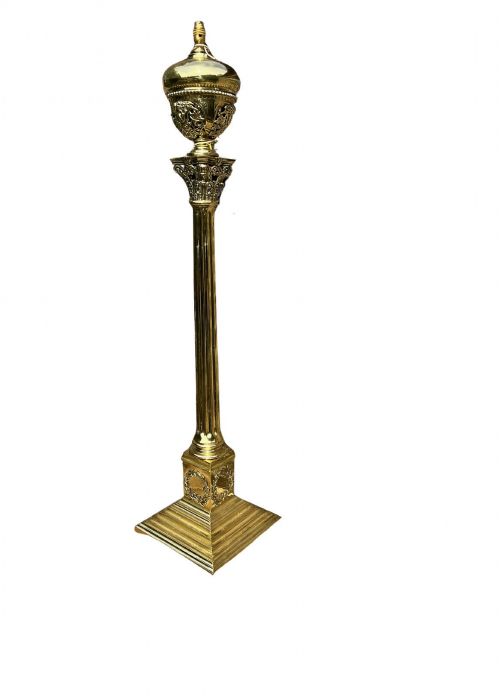

Classical Fluted Column Stand
A classical fluted column stand brings architectural proportion and height to a room, holding lamps, figures, or plants with quiet authority.
Classical Fluted Column Stand
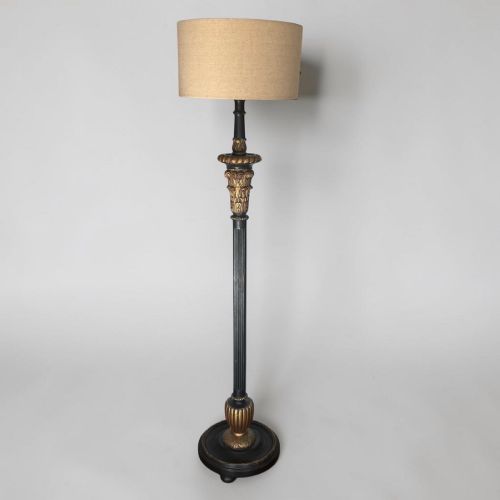
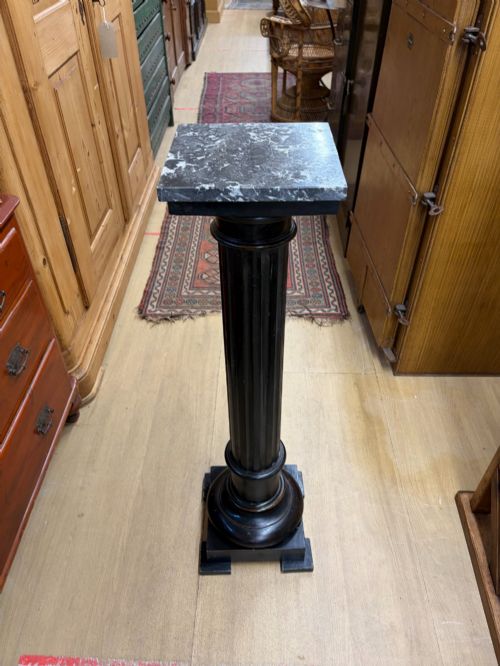
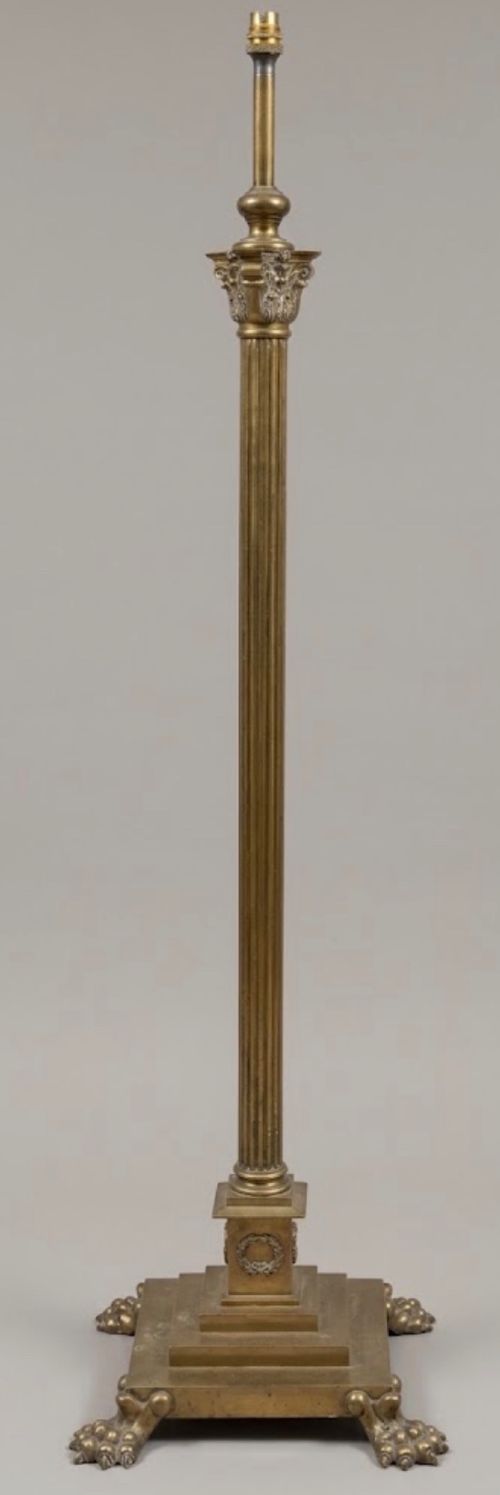
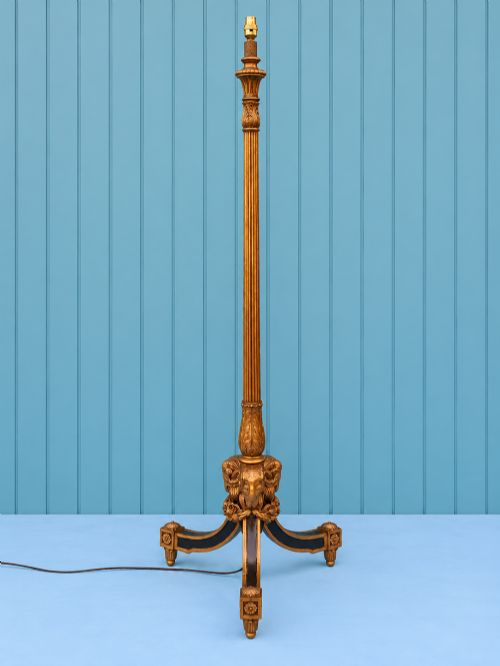
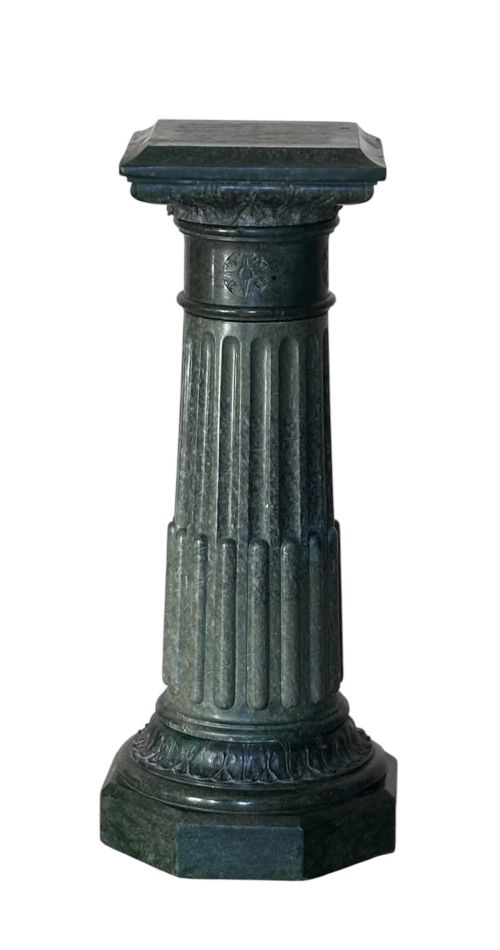
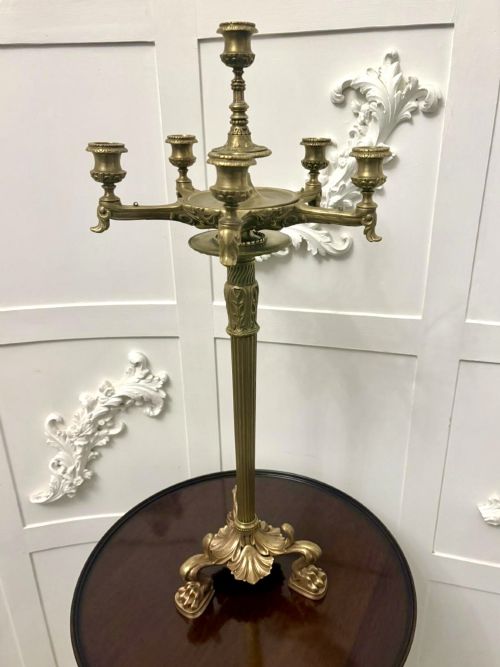
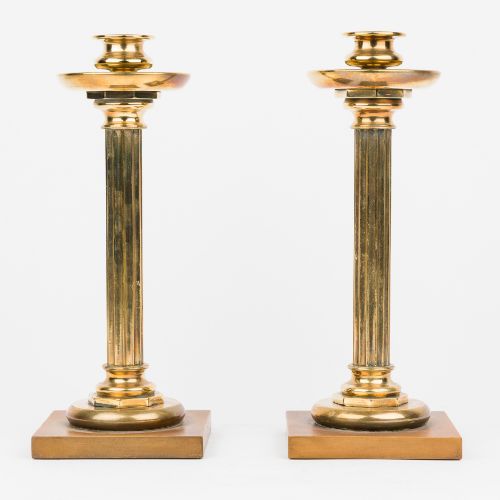
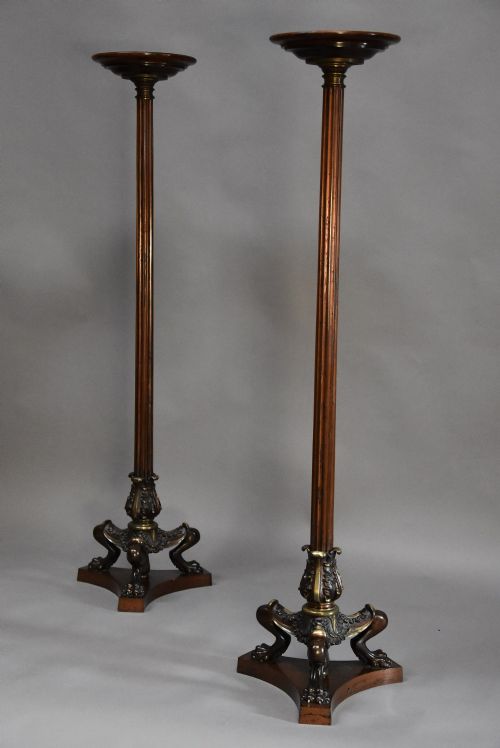
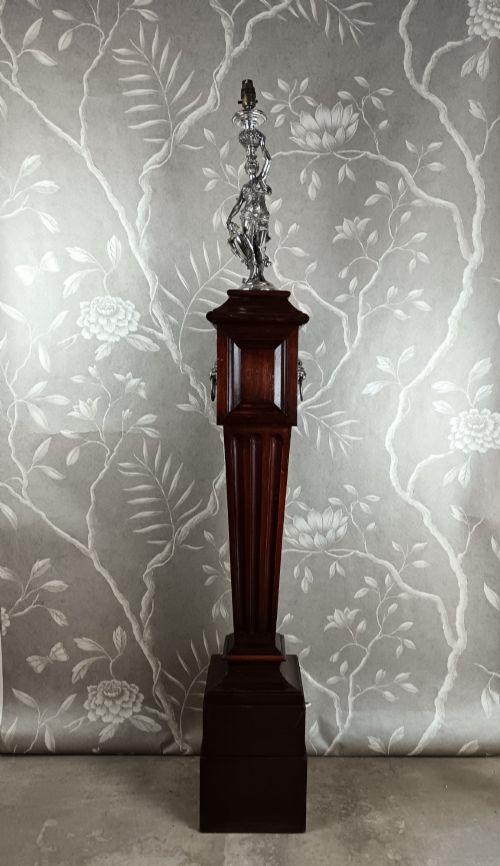
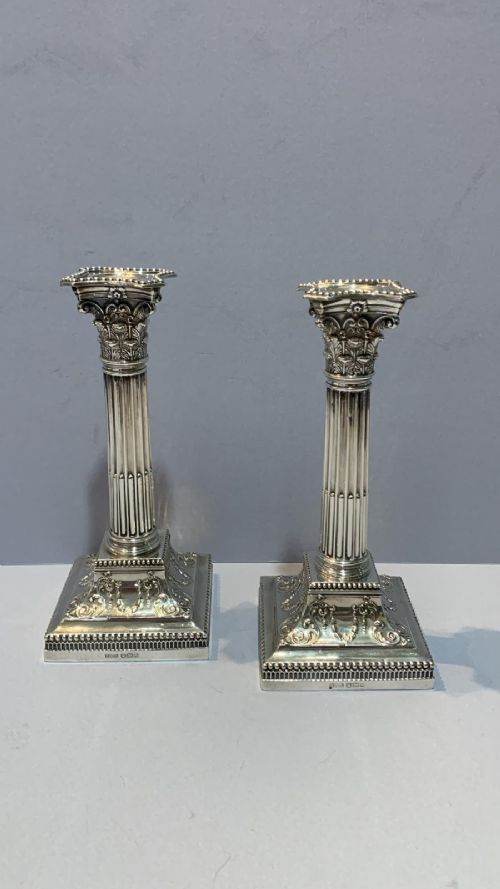
A classical fluted column stand takes many forms across this selection, appearing as towering floor lamps, heavy marble-topped display pedestals, and slender torcheres. These pieces translate classical architectural motifs into domestic furniture designed to elevate objects or illuminate corners.
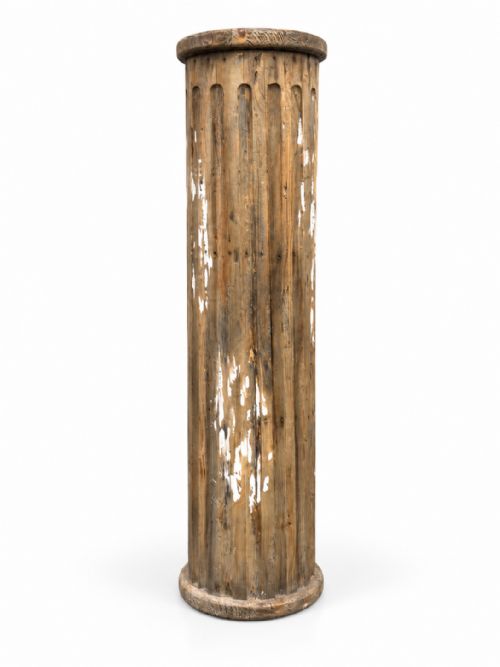
The most common versions met on this page span the nineteenth and early twentieth centuries, drawing heavily on neoclassical, Regency, and Victorian design vocabularies. They arrive in timber, brass, and painted finishes, ranging from simple cylindrical pillars to ornate candle stands and display columns.
How they were made
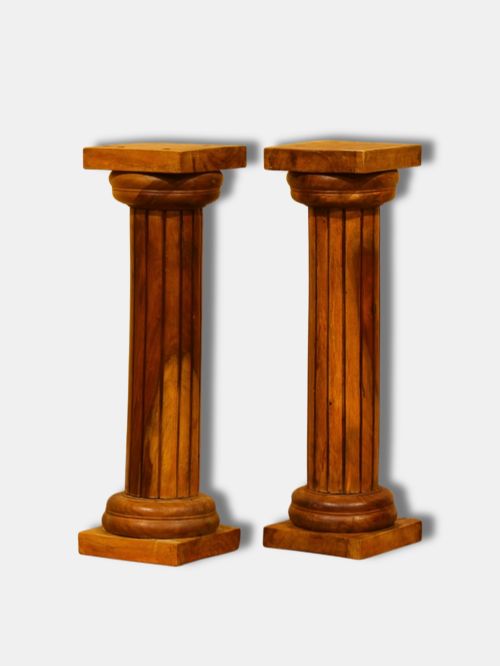
Makers utilised timber such as mahogany, satinwood, and hardwood alongside cast brass, bronze, and carved wood to build these upright structures. Structural stability required heavy bases, often paired with marble tops or weighted metal feet to support taller floor lamps and display pedestals.
Surface treatments play a major role in the construction evidence, showing ebonised finishes, gilding, paint, and silver plating applied over wood or metal foundations. Column shafts feature precise fluting, turning, and carved details that reflect the architectural tastes of periods from the eighteenth century to the 1920s.
Classical Fluted Column Stand Retail Price Guide 2026
Typical asking prices for classical fluted column stand among the pieces listed under this phrase on Sellingantiques today, from the lower quarter to the upper quarter. They describe what is for sale here now, not the wider market.
Secret compartments occasionally hide within the wooden shafts, offering a covert spot to tuck away forgotten letters.
What varies in quality
The standard of carving and the crispness of the fluting dictate much of the distinction between ordinary pieces and finer examples. Sharp architectural proportions and well-defined capitals indicate a higher level of maker skill.
Material selection and weight distribution separate robust items from lighter pieces, particularly in floor lamps and tall pedestals. Genuine marble inserts, solid brass columns, and substantial hardwood bases provide the physical heft expected in better examples.
George Smith·Thomas Hope·WMF·Humphrey Hopper
The Classical Fluted Column Stand Glossary
- Fluting
- Vertical grooves carved into the shaft of a column or pedestal. This classical decorative technique creates alternating lines of light and shadow.
- Torchere
- A tall, slender stand or candlestick designed to hold a light source or display an object. These pieces often feature elevated platforms for candles or electric fittings.
- Neoclassical
- A style spanning the eighteenth and nineteenth centuries that revives the architectural forms of ancient Greece and Rome. It relies on symmetry, columns, and restraint.
- Corinthian
- An order of classical architecture characterised by ornate capitals decorated with acanthus leaves. This motif appears frequently on the tops of metal and wooden columns in the listings.
- Pedestal
- A support or base for a statue, vase, or lamp. These vertical structures lift display items to eye level.
Classical Fluted Column Stand: Frequently Asked Questions
How do I date a wooden column stand?
Dating relies on observing the timber species, construction methods, and stylistic cues linked to periods like the Victorian era or the early twentieth century. Mahogany and satinwood point toward nineteenth-century workshop practices.
Examining the turning of the wood and the presence of hand-carved details helps separate older architectural revivals from later twentieth-century interpretations.
Where should I place a torchere stand?
Torcheres and column stands suit hallways, drawing rooms, and study corners where height breaks up flat expanses of wall. They work well paired symmetrically on either side of a fireplace or console table.
Ensure the base sits on a level floor, as tall stands carrying heavy lamps or marble tops require stable placement away from heavy foot traffic.
What is the difference between a pedestal and a standard lamp?
A pedestal provides a solid flat top designed for displaying objects, statues, or table lamps, whereas a standard lamp incorporates integrated electrical or candle-bearing fittings directly into the column structure. Both share the vertical columnar form rooted in classical architecture.
Some hybrid pieces combine display surfaces with lighting elements, bridging the function of furniture and illumination.