

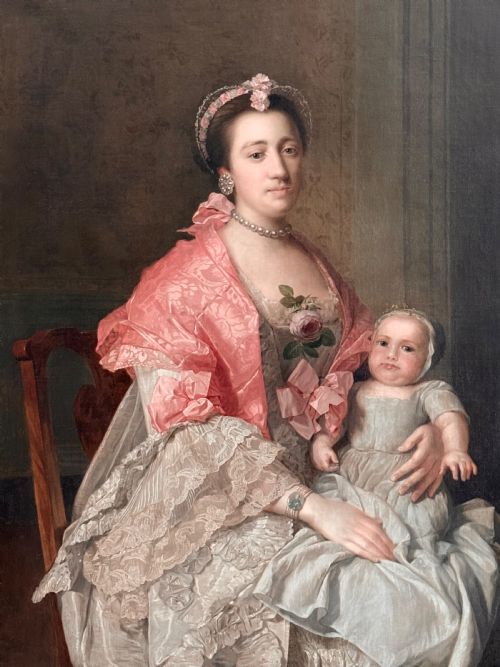

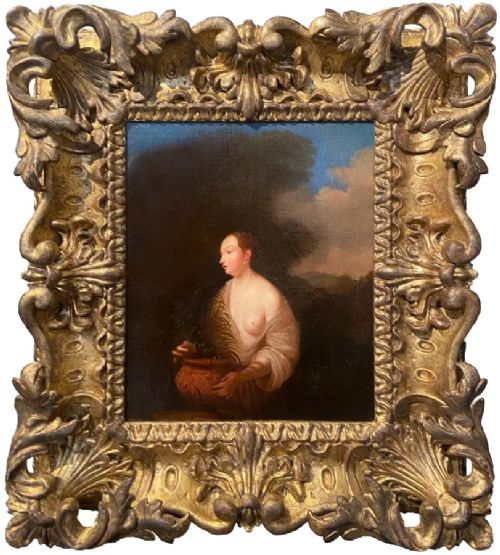
Classical Fine Art Portrait
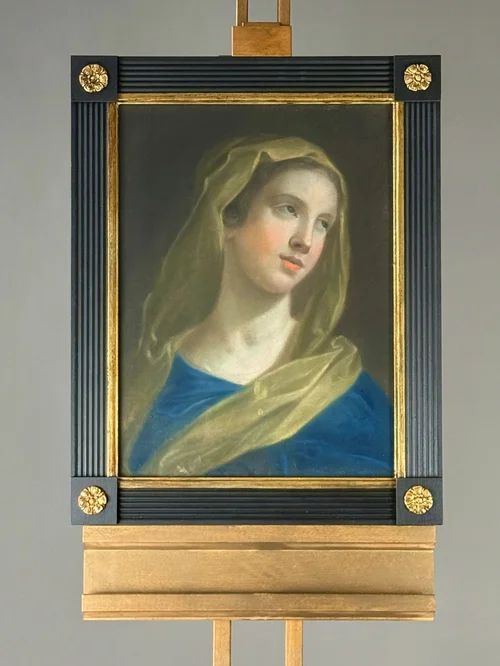
When you select a classical fine art portrait, you acquire a framed window into past centuries painted with enduring oil or watercolour.
Classical Fine Art Portrait
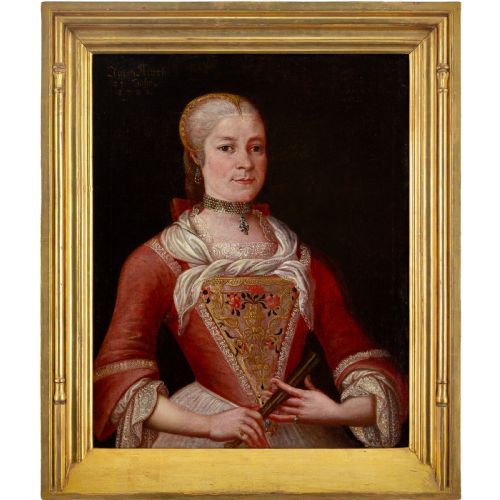
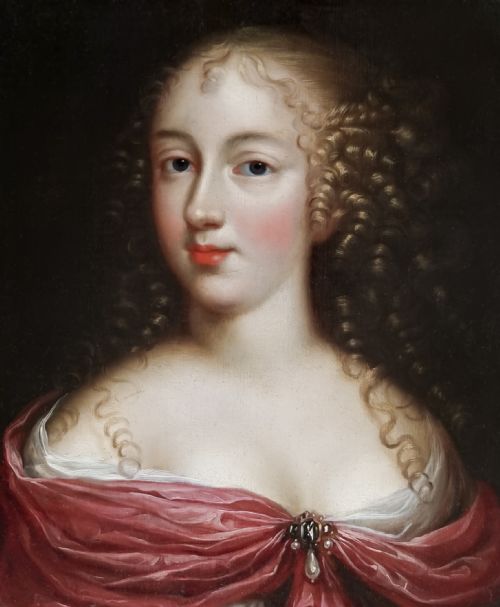
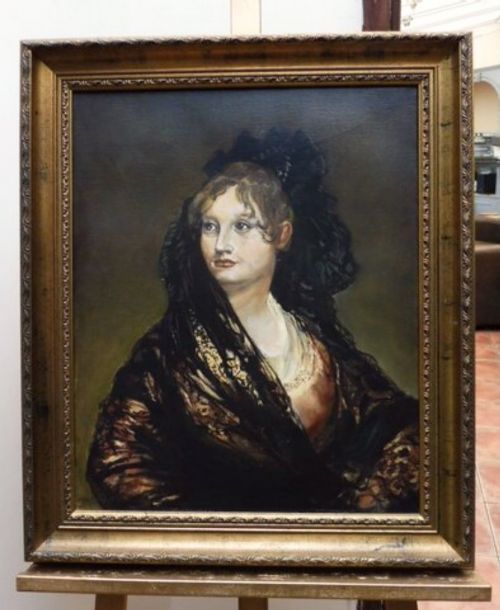
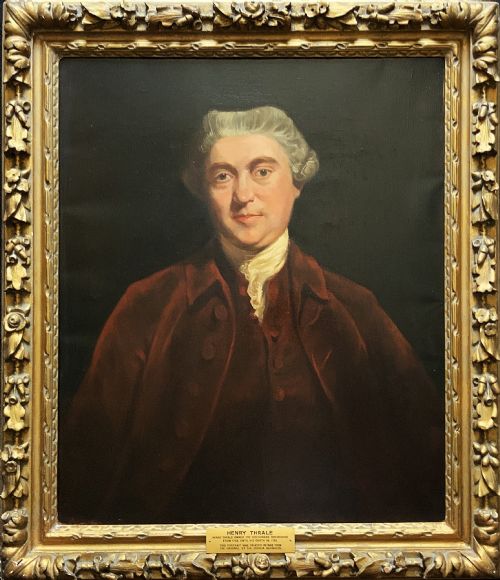
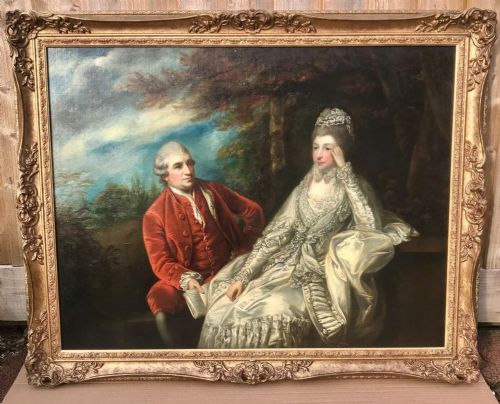
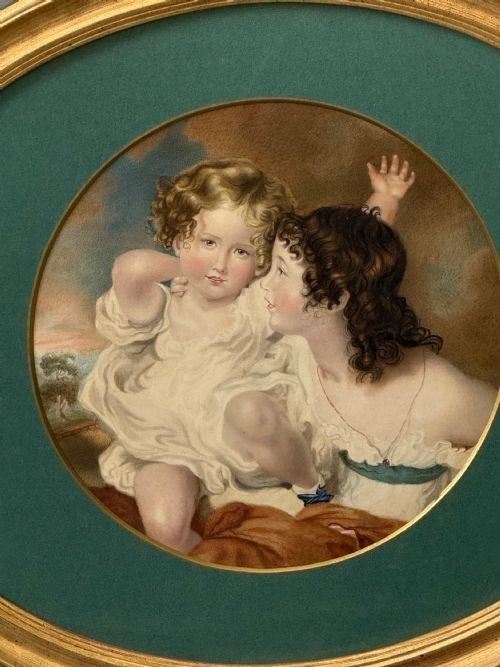
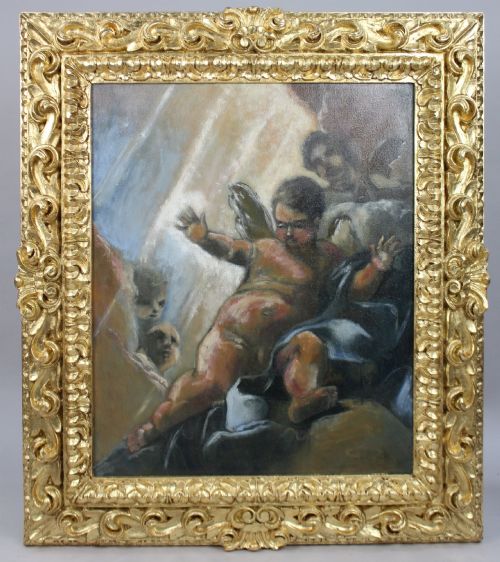
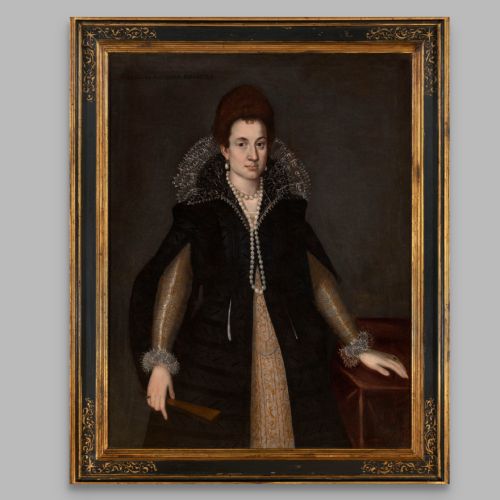
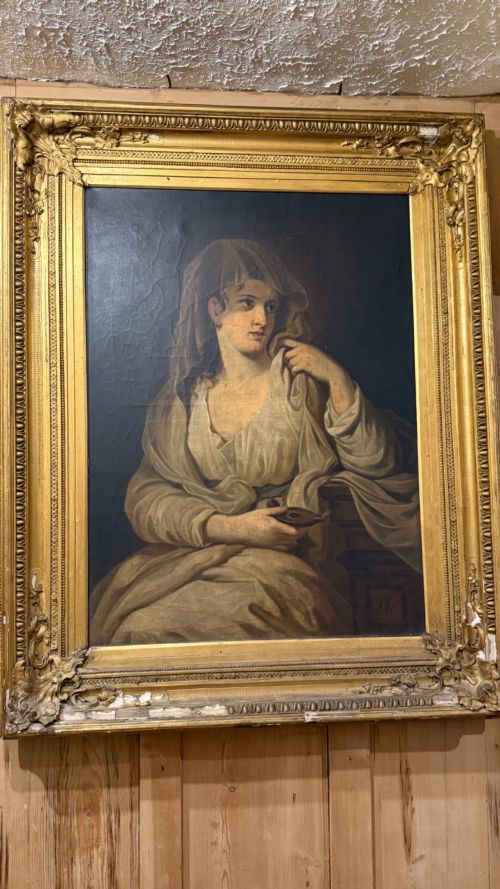
A classical fine art portrait captures the likeness of an individual through traditional mediums, often set within period frames of giltwood and carved wood. You will frequently encounter examples originating from the seventeenth, eighteenth, and nineteenth centuries.
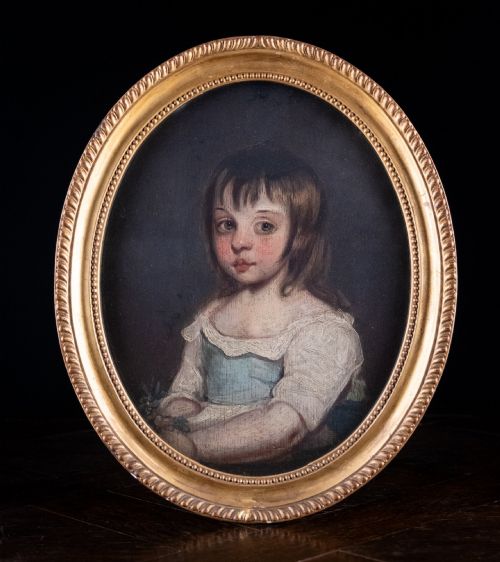
The selection ranges from intimate oil on canvas works and watercolours to pastels and drawings depicting ladies, gentlemen, and children. Many pieces reflect established schools and historical painting traditions spanning Baroque, Georgian, Regency, and Victorian aesthetics.
Materials and technique
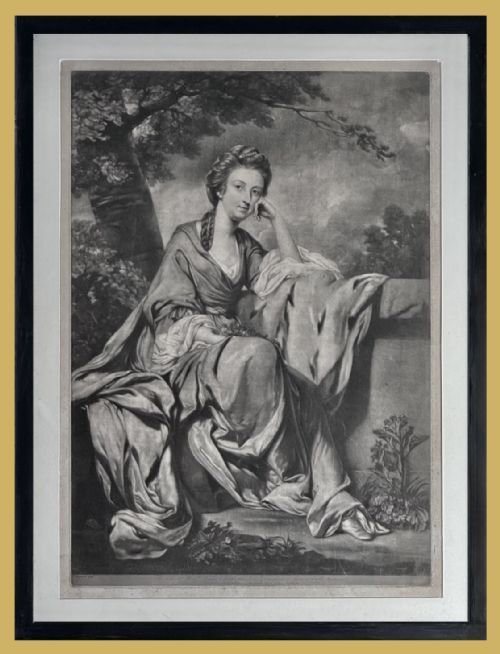
Artists painted primarily with oil on canvas or panel, though works on paper, board, and zinc also appear alongside watercolours and mezzotint prints. Pigments were applied to build depth in subjects ranging from simple attire to intricate armour.
Frames play an integral role in the presentation, frequently constructed from wood and finished in gilded wood or carved giltwood to complement the tonal qualities of the painting.
Listings feature works spanning the seventeenth, eighteenth, and nineteenth centuries, executed in oil on canvas, panel, and paper.
Quality and execution
Framing also influences the overall integrity, with period carved giltwood frames matching the age and distinction of the artwork they enclose.
Edward Fisher·Sir Joshua Reynolds·Pierre Mignard·Francisco Jose de Goya·Sir Thomas Lawrence·Benedetto Luti·Pietro Fachetti·Sir Allan Ramsay·Robert Byng·Toussaint Gelton·Guillaume Courtois·Henrietta Rae·Renato Moretti·Theodore Jensen·Titian·Charles Bellay·John Watkins Chapman·William Etty·Allan Douglas Davidson·Thomas Edward Roberts·John Hamilton Mortimer·Claude Lorrain·Albin R Burt
The Classical Fine Art Portrait Glossary
- Mezzotint
- A printmaking process of the print descriptor family that allows for rich tonal gradations. It is achieved by roughening a metal plate to hold ink.
- Giltwood
- Wood that has been treated with gold leaf or gold paint. This finish is commonly found on ornate antique frames.
- Baroque
- An artistic style originating in the seventeenth century characterised by drama, tension, and grandeur in visual composition.
- Neoclassical
- A revival of classical styles and subjects inspired by the ancient world, emerging during the eighteenth century.
- Panel
- A solid flat surface, often wood, used as a support for paintings before canvas became the dominant medium.
Classical Fine Art Portrait: Frequently Asked Questions
What defines a classical fine art portrait?
These works represent human subjects through traditional painting and drawing techniques, using mediums such as oil, watercolour, and pastel. They capture likenesses across historical periods with formal composition.
Subjects range from named historical figures to anonymous ladies and gentlemen, created by artists working within recognised stylistic traditions from the seventeenth century onwards.
How were these portraits displayed?
Period portraits were primarily commissioned to hang in domestic interiors, country houses, and formal reception rooms to display lineage, status, or artistic appreciation. They served as central decorative elements within furnished spaces.
Many retain their original or period-appropriate frames, such as carved giltwood, which were chosen to complement the interior architecture of the period.
How do I care for an oil portrait?
Keep paintings away from direct sunlight, high humidity, and rapid temperature fluctuations to protect both the canvas and the wooden support. Gentle dusting with a soft, dry brush is generally sufficient for maintenance.
Avoid using water or chemical cleaners on the painted surface or the giltwood frame. Professional conservation should be sought if structural intervention is required.
How do I identify the period of a painting?
Dating relies on stylistic clues in clothing, hair styling, and framing methods, alongside the materials used in the canvas stretcher or panel support. In many cases, artist signatures or inscriptions provide a direct indicator.
Comparing the handling of paint and compositional conventions to known works from schools such as the Bavarian or Flemish traditions helps narrow down the decade of creation.