


Classical Figure on Plinth
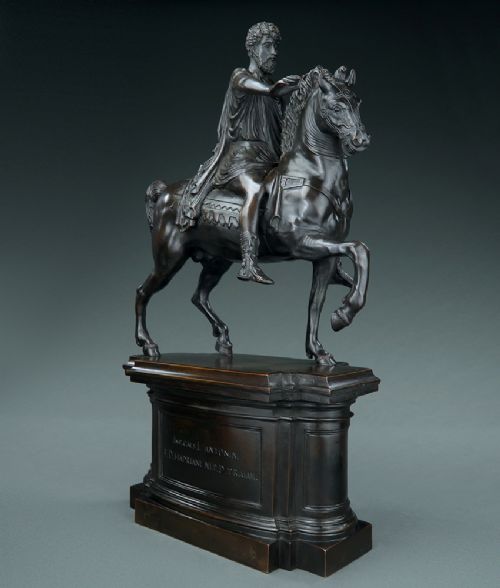
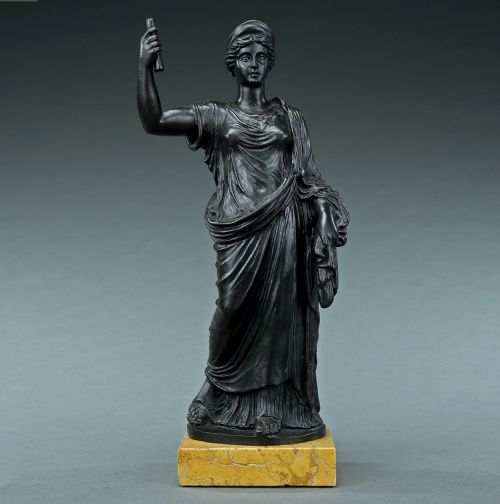
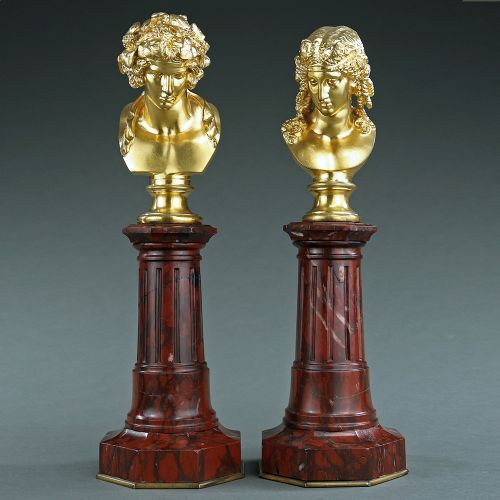
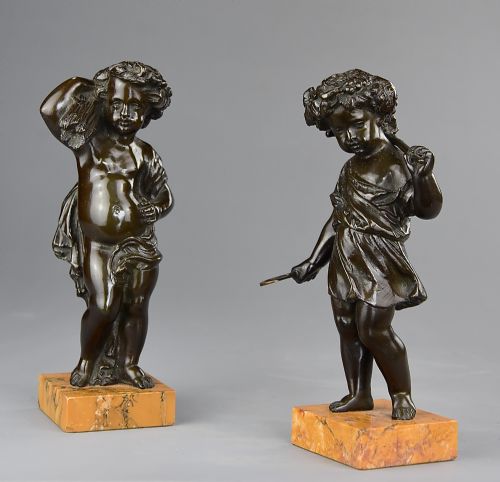
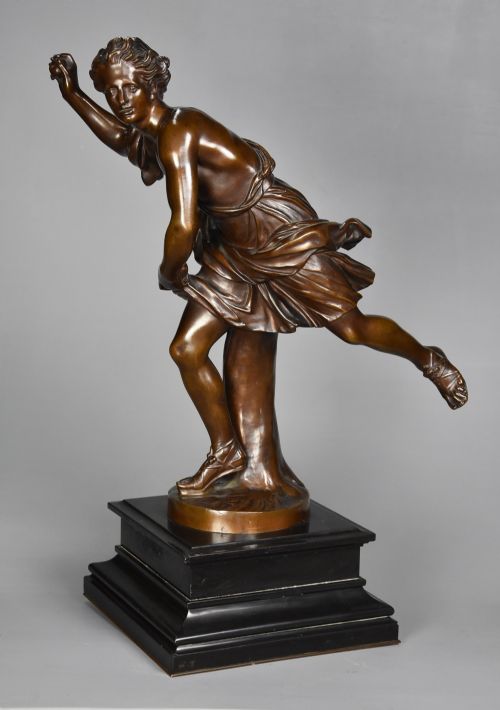
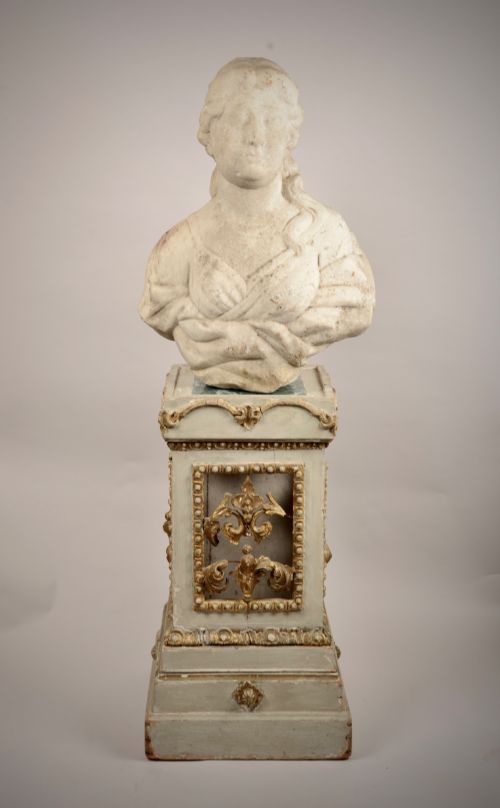
A classical figure on plinth brings the sculpted majesty of antiquity straight into a room, spanning bronze deities, marble busts and substantial garden statuary.
Classical Figure on Plinth
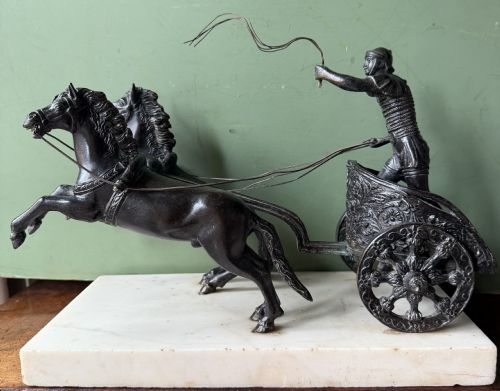
A classical figure on plinth unites sculptural representations of mythological deities, historical rulers and allegorical subjects with an integral architectural base. These works draw heavily upon Neoclassical, Grand Tour and Classical Revival aesthetics, originating from periods spanning the seventeenth century through to mid-century revivals. Buyers encounter everything from small cabinet bronzes cast for nineteenth-century travellers to large stone garden statues designed for outdoor placement.
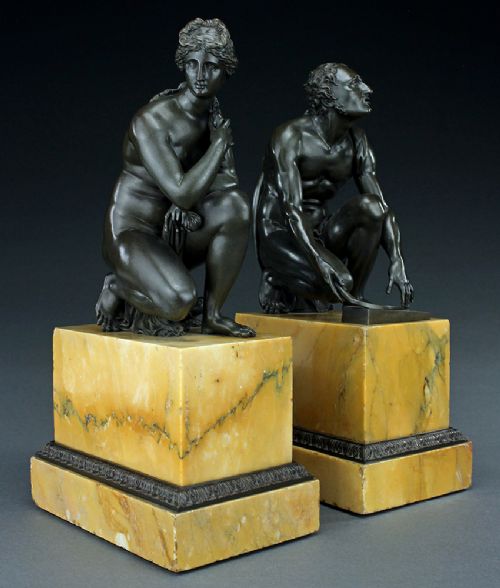
The most common incarnations on this page are nineteenth-century bronze Grand Tour souvenirs and patinated cabinet figures mounted upon marble plinths. Subjects frequently reference famous ancient prototypes, depicting figures such as Juno, Apollo, Venus and various classical philosophers. Alongside these metal castings, materials like reconstituted stone, plaster and carved alabaster appear regularly in both interior and garden scales.
Materials and Technique
Foundry-cast bronze and patinated metal dominate the interior works, often combined with distinct bases of white, Siena or black marble. Artisans utilised traditional lost-wax casting methods to capture intricate details of drapery, musculature and facial expression. Surface finishes range from dark chemical patination and cold painting to rich ormolu highlights.
Larger architectural and garden pieces rely on durable mediums including cast stone, reconstituted stone, terracotta and carved alabaster or marble. These heavier works require precise moulding or direct hand-carving to ensure stability upon their accompanying stone or wooden plinths. The physical integration between the standing figure and its base remains a primary structural consideration across all manufacturing eras.
Several classical figures share cabinet space with an oil lamp and a snake.
Assessing Quality
Quality rests primarily in the crispness of the casting and the sensitivity of the hand-finishing, which dictates whether a figure captures the vitality of its antique prototype or appears soft and generic. Superior metalwork exhibits sharply defined musculature, clean chased surfaces and a stable, deliberate integration with the underlying marble plinth.
The selection of materials also separates standard production pieces from exceptional works, visible in the density of the chosen marble, the depth of the bronze patina, or the fidelity of a carved alabaster form. Maker signatures and documented foundry origins further elevate a piece, distinguishing mass-produced souvenirs from master-executed cabinet sculptures.
Barbedienne·Fritz Kochendorfer·Aristide Maillol·Humphrey Hopper·Carl Kauba·R Henn·Devaulx
The Classical Figure on Plinth Glossary
- Grand Tour
- A cultural journey undertaken by wealthy young Europeans through Italy during the eighteenth and nineteenth centuries to study classical art. This tradition generated a vast market for small-scale bronze and marble souvenir sculptures.
- Patination
- The surface coloration and sheen developed on bronze or metal through age or chemical treatment. Artisans apply specific patinas to simulate ancient ageing or to highlight sculptural contours.
- Ormolu
- Gilded bronze produced by applying a mercury-gold amalgam to a bronze base, creating a brilliant golden finish. This technique appears frequently on French neoclassical decorative mounts and bases.
- Plinth
- The heavy base or pedestal upon which a statue or bust is elevated. In classical sculpture, this architectural element provides physical stability and visual finality to the composition.
Classical Figure on Plinth: Frequently Asked Questions
What is a Grand Tour bronze?
A Grand Tour bronze is a nineteenth-century souvenir sculpture cast in Italy or France, reproducing famous ancient Greek or Roman statues for travelling collectors.
These pieces were typically mounted on marble bases and served as sophisticated decorative objects for nineteenth-century libraries and drawing rooms.
How do I identify marble types on bases?
Marble plinths vary from plain white Carrara to striking yellow-veined Siena or dark Belgian black marble, usually chosen to complement the patination of the bronze above.
Examining the weight, veining patterns and edge finishing of the stone helps determine its period and regional origin.
Are these garden statues frost resistant?
Garden statues made from cast stone or reconstituted stone are generally manufactured to withstand outdoor weather conditions, though extreme frost can affect certain porous materials.
Placing stone figures on raised plinths prevents ground moisture absorption during colder months.
Why are some figures signed?
Signatures on nineteenth and twentieth-century sculptures usually indicate the foundry, the individual sculptor, or the artist responsible for the reduction model after an ancient antique.
Markings can appear directly on the bronze casting or along the edge of the integral plinth.