




Classical Female Portraiture
Classical female portraiture captures women of past centuries through oil on canvas and fine engravings, offering enduring character and historic presence for the home.
Classical Female Portraiture
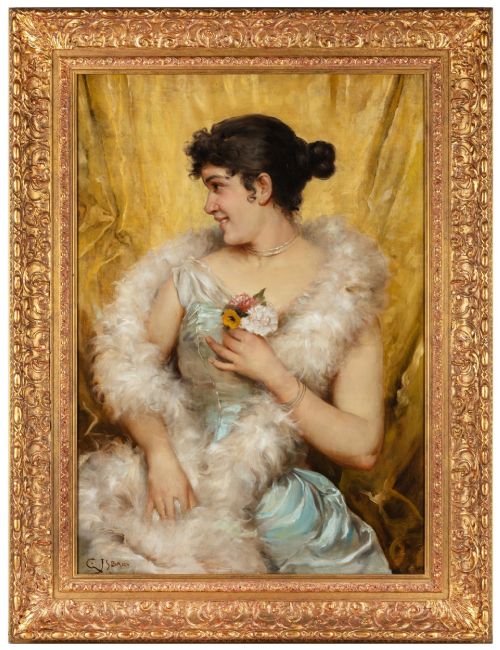
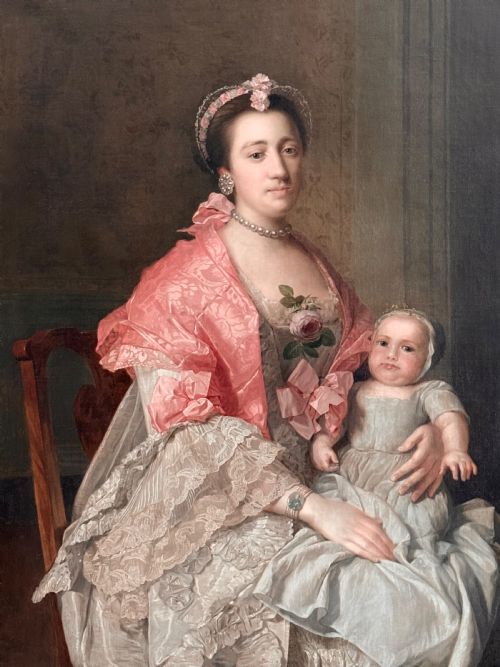
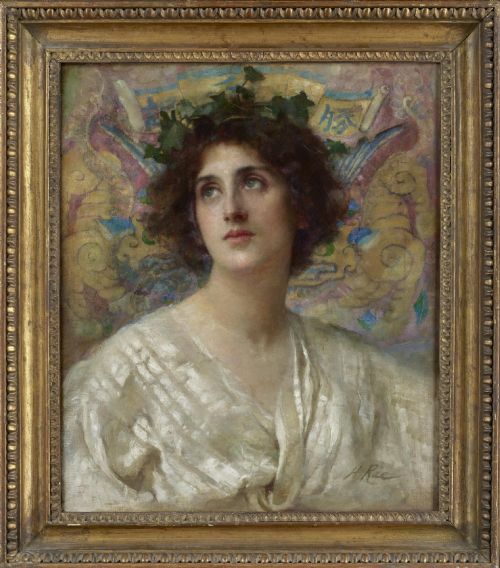
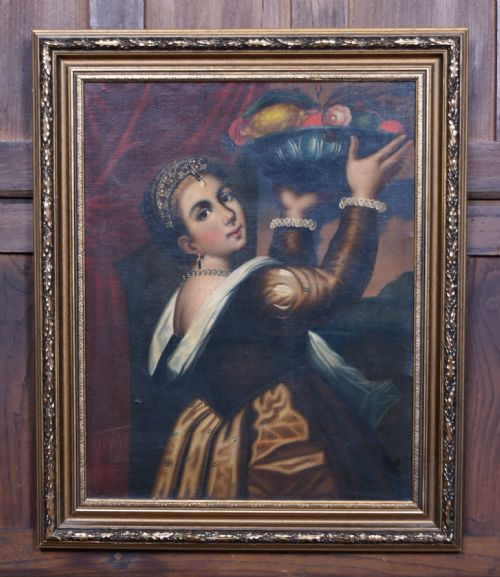
Classical female portraiture encompasses oil paintings, engravings, and mezzotints depicting women across various historic eras. Pieces range from seventeenth-century works on panel to nineteenth-century romantic canvases and later reproductions.
The selections available here frequently feature eighteenth-century subjects and nineteenth-century interpretations of earlier styles. Buyers encounter both original oils and period prints capturing notable ladies, artists' daughters, and anonymous beauties.
The forms span intimate framed panels, large oil paintings on canvas, and detailed portrait prints. Each piece reflects the aesthetic conventions of its period, from Georgian formality to Victorian classicism and Baroque intensity.
Materials and Construction
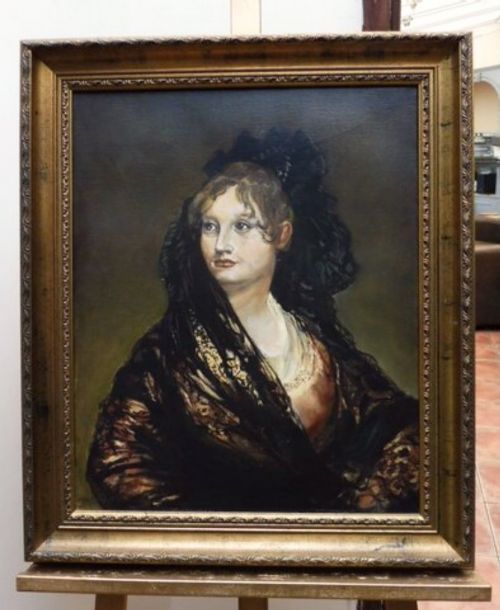
The works utilise oil on canvas or wood panel, applying traditional pigments to create depth in fabric and flesh. Many pieces retain their original gilded wood or gilt wood frames, often enhanced with gold leaf.
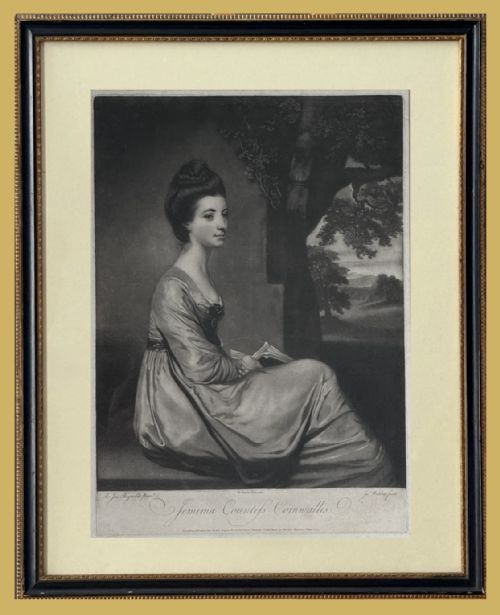
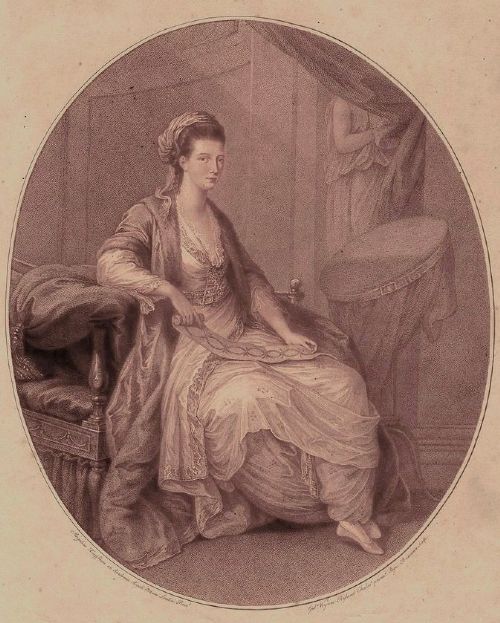
Graphic works employ paper, utilising engraving and mezzotint techniques to translate painterly tones into fine lines. Wood panels provide sturdy supports for seventeenth-century works, while later pieces standardise on stretched canvas.
Listings span periods from the seventeenth century through to the twentieth century, featuring oil on canvas, gilded wood, and paper prints.
Factors of Quality
Execution and brushwork separate accomplished portraiture from standard output. Superior paintings display subtle handling of light upon textiles, expressive facial modelling, and convincing anatomical structure.
The integrity of the canvas or panel and the preservation of the original pigment layer determine the visual strength of a work. Period frames matching the age and style of the painting add significantly to the integrity of the piece.
G. J. S. Bary·James Watson·Sir Joshua Reynolds·Pierre Mignard·Francisco Jose de Goya y Lucientes·Sir Allan Ramsay·Henrietta Rae·Thomas Gainsborough·Sir Thomas Lawrence·Guiseppe Mazzolini·Balthasar Denner·John Michael Wright·George Henry Harlow·Michael Dahl
The Classical Female Portraiture Glossary
- Mezzotint
- A printmaking process of the intaglio family, where the plate is roughened to produce dark tones and scraped to create light areas. This technique allows for rich, velvety transitions well suited to portraits.
- Oil on canvas
- A painting medium using pigments suspended in drying oils, applied to woven fabric stretched over a wooden frame. It became the primary medium for fine art portraits from the Renaissance onward.
- Panel painting
- A painting executed on a flat piece of wood rather than canvas. Seventeenth-century portraits frequently utilise this stable substrate.
- Gilded wood
- Wood surfaces coated with a thin layer of gold leaf or metallic powder. Frames finished in this manner complement the warm tones of classical oil paintings.
- Georgian
- The period spanning the reigns of the four Georges, noted for elegance and refinement in portraiture. Works from this era often display balanced composition and rich attire.
Classical Female Portraiture: Frequently Asked Questions
How are classical portraits dated?
Portraits are dated through signatures, costume analysis, and recorded provenance. Stylistic markers in hair and dress provide reliable clues to the decade of creation.
Expert comparison with known works by followers or contemporaries helps narrow the timeframe when explicit dates are absent.
Where should I hang an oil portrait?
Oil paintings require stable environments away from direct sunlight and excessive humidity. Placing them on interior walls protects the canvas and gilt frame from thermal shock.
Ensure the hanging height allows comfortable viewing of the subject's gaze and facial expression.
What is the difference between an oil painting and a mezzotint?
An oil painting is a unique handmade work using pigmented oils on canvas or panel. Brushstrokes and texture give the surface physical depth.
A mezzotint is a printed multiple image created from a worked metal plate, offering tonal shading rather than direct brushwork.
How do I identify a period frame?
Period frames match the construction methods and decorative motifs of the era in which the portrait was made. Hand-carved wooden ornaments and genuine gold leaf indicate high period craftsmanship.
Subtle wear patterns and corner construction offer further evidence of age.