



Vintage Portrait Artwork Wall
Vintage portrait artwork wall displays span centuries of oil paintings, pastels and prints capturing human and animal subjects.
Vintage Portrait Artwork Wall
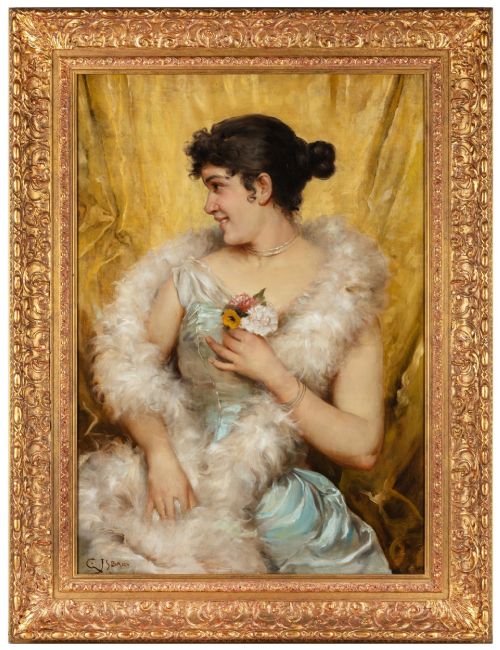
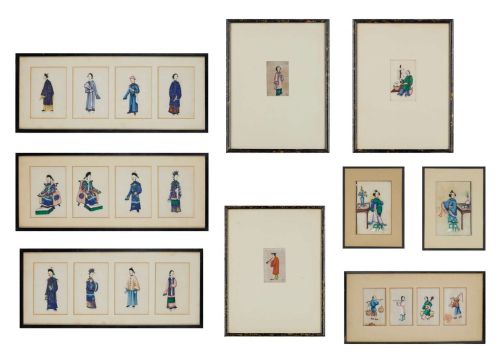
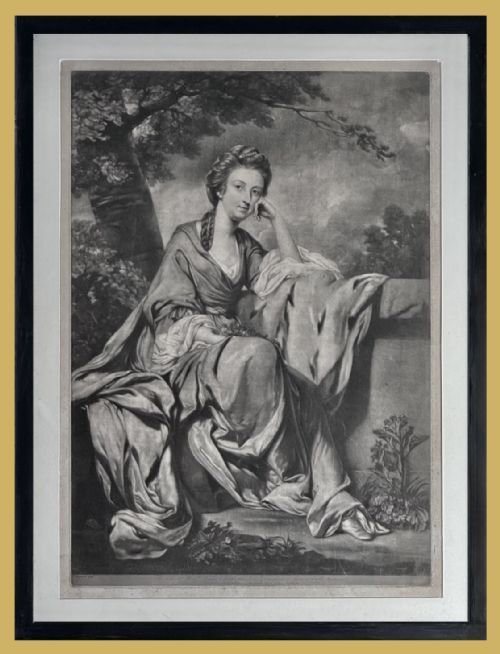
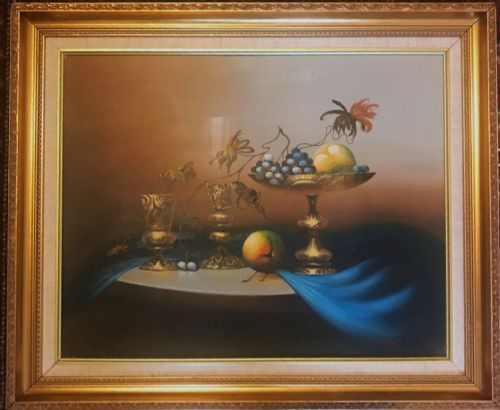
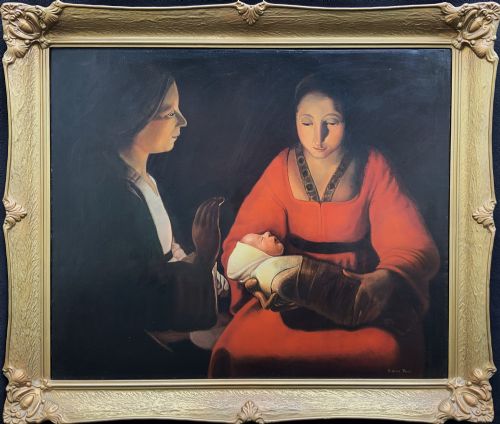
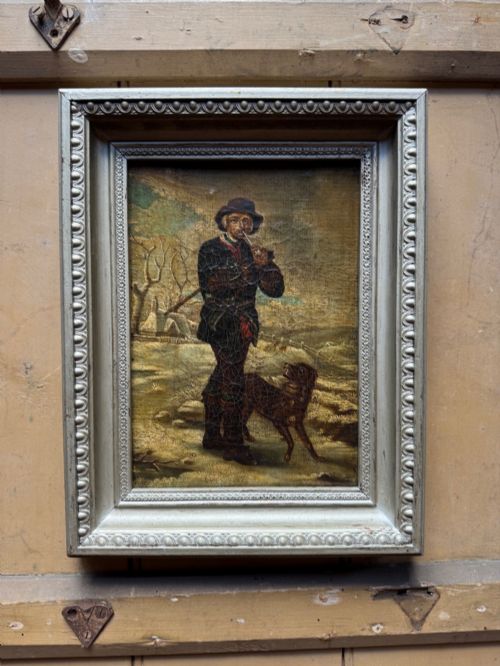
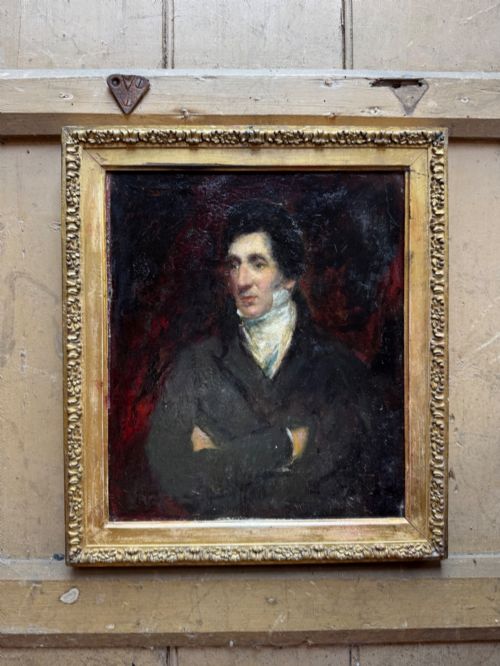
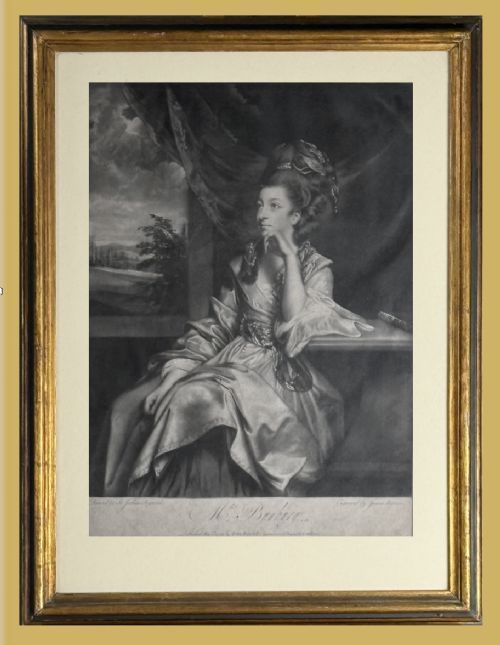
A vintage portrait artwork wall brings together painted, drawn and printed likenesses spanning the eighteenth century through to the mid twentieth century. Buyers seeking these pieces encounter oil paintings on canvas, pastel works on paper, mezzotints, and lithographs depicting human sitters, animals, and narrative scenes.
The selections on this page feature framed artworks rooted in periods including Georgian, Victorian, Edwardian, and Art Deco, alongside modern British examples. These items function as focal points in domestic interiors, offering direct visual links to past eras through individual character studies and historic printmaking.
How they were made
Makers utilised traditional canvas stretched over wood frames for oil paintings, applying oil paint with bristle brushes to build up tone and texture. Works on paper relied on pastel sticks, watercolours, or printing inks pressed via engraving, stipple, and lithography techniques.
Frames incorporated wood and gilt mouldings, often housing protective glass layers to preserve delicate paper surfaces, watercolours, and drypoints against atmospheric wear.
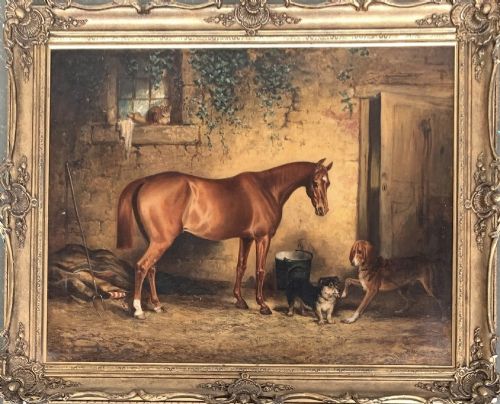
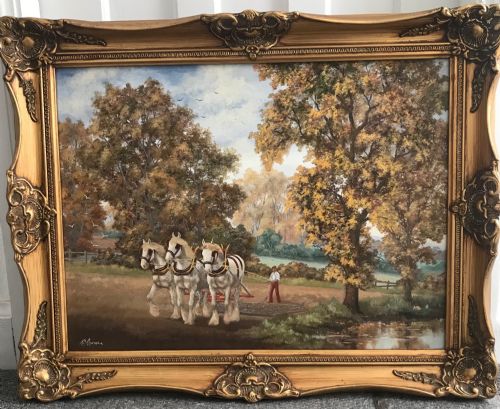
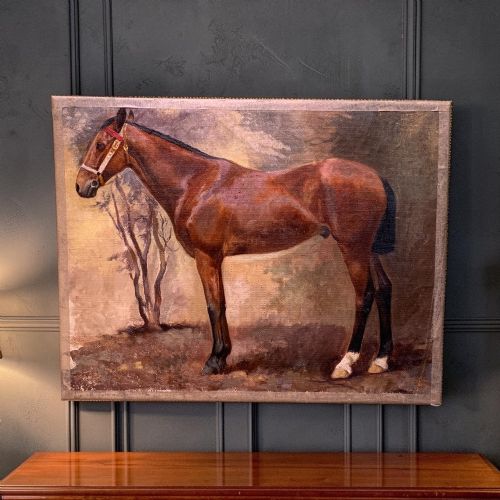
Equine portraits on this page include a racehorse named Flying Fox alongside grey shire horses at the plough.
What varies in quality
Quality rests upon the skill of the draughtsman or painter in capturing proportion, expression, and anatomical accuracy within the subject. Finer works display confident handling of light and shadow, particularly in facial contours and textile folds.
Materials also dictate the tier of a piece, separating standard commercial prints from original hand-applied oil paint on canvas or finely worked pastels created by named practitioners.
John Simon·Michael Dahl·Edward Fisher·Sir Joshua Reynolds·John Smith·James Watson·John Hassall·Kurt Meyer-Eberhardt
The Vintage Portrait Artwork Wall Glossary
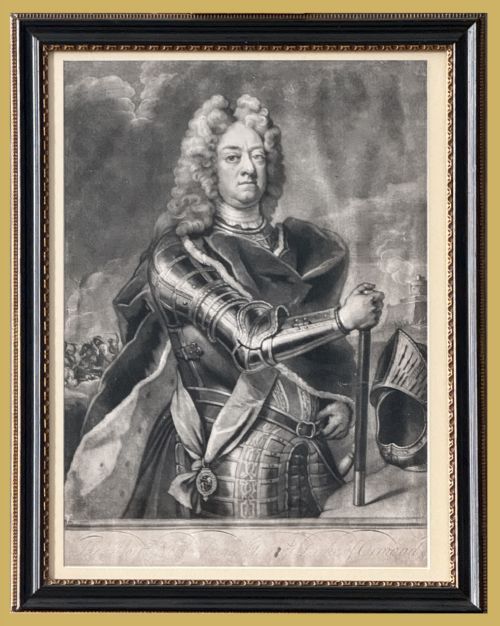
- Mezzotint
- A printmaking process of the intaglio family where the plate is roughened to achieve deep tones and subtle gradations of light. It allows for rich tonal ranges well suited to reproducing painted portraits.
- Pastel
- A dry painting medium in the form of a stick, consisting of powdered pigment and a binder. Artists applied these directly to paper to achieve soft, velvety colour effects.
- Stipple engraving
- A method of producing prints by means of dots rather than continuous lines. This technique created gentle tonal transitions favoured for eighteenth-century portraiture.
- Drypoint
- A printmaking technique in the intaglio family where an image is scratched directly onto a metal plate with a hard needle. The resulting burr holds ink to produce a characteristically soft velvety line.
- Lithography
- A planographic printing process based on the repulsion of oil and water. It enabled the mass production of accurate colour and monochrome portrait prints during the nineteenth and twentieth centuries.
Vintage Portrait Artwork Wall: Frequently Asked Questions
How do I hang a portrait wall?
Arrange varying frame sizes around a central viewing height, anchoring heavier oil paintings below lighter works on paper.
Keep the composition balanced by mixing horizontal and vertical orientations while maintaining consistent spacing between frames.
Are these portraits original artworks?
The selection contains a mix of original hand-painted oils and pastels alongside period printed works such as mezzotints and lithographs.
Check the listed materials to distinguish between unique painted compositions and historical printed reproductions.
How should I clean antique frames?
Dust gilt and wooden frames gently with a soft dry brush to remove surface debris without disturbing aged patination.
Avoid liquid cleaners or abrasive cloths that can strip historic gilding or damage surrounding canvas and paper.
What lighting suits vintage portraits?
Position artwork away from direct sunlight to prevent the fading of oil pigments, canvas fibres, and tinted paper supports.
Utilise low-heat picture lights or ambient room illumination to highlight brushwork and detail without causing thermal stress.