

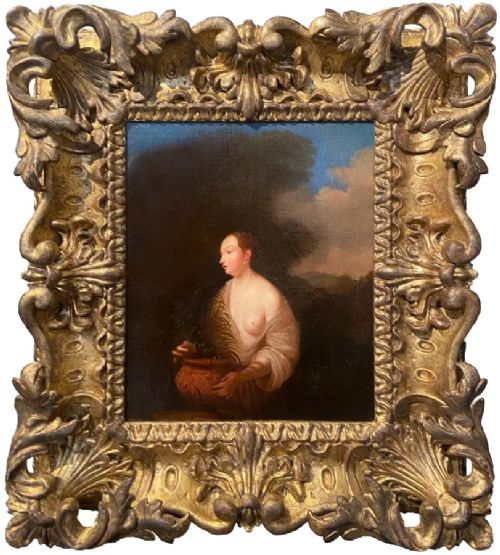
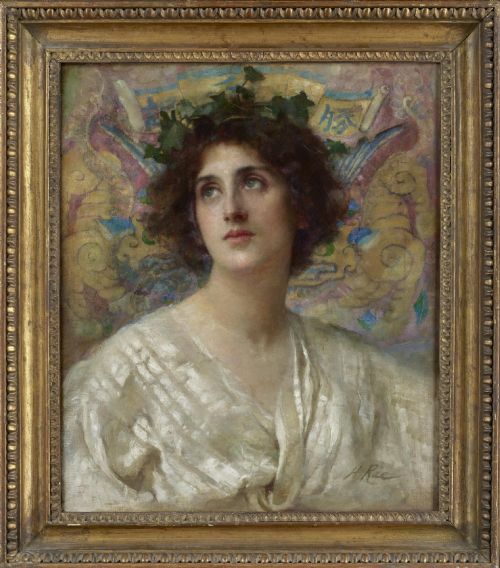

Classical Female Portrait Painting
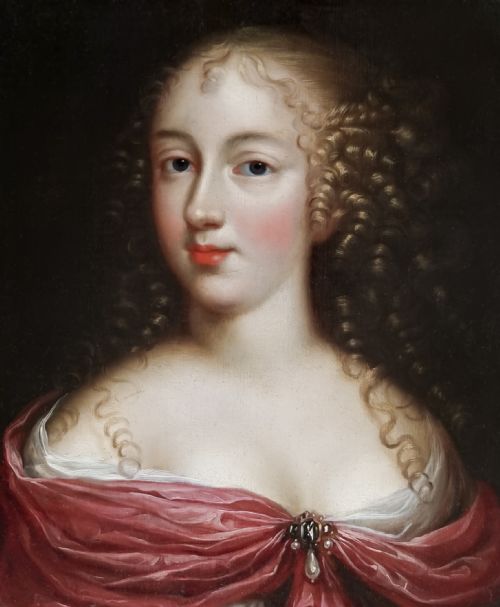
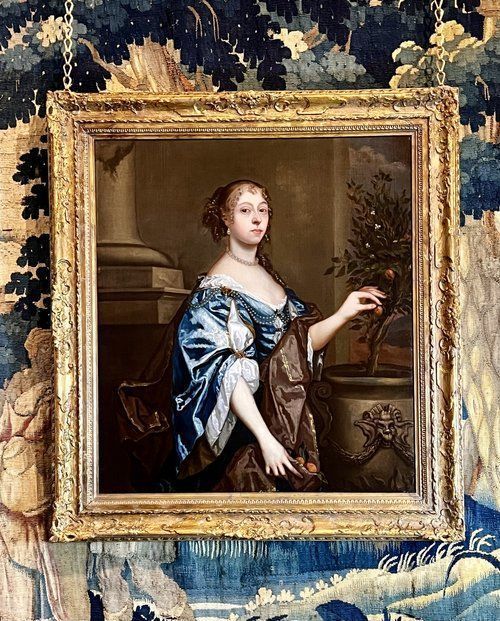
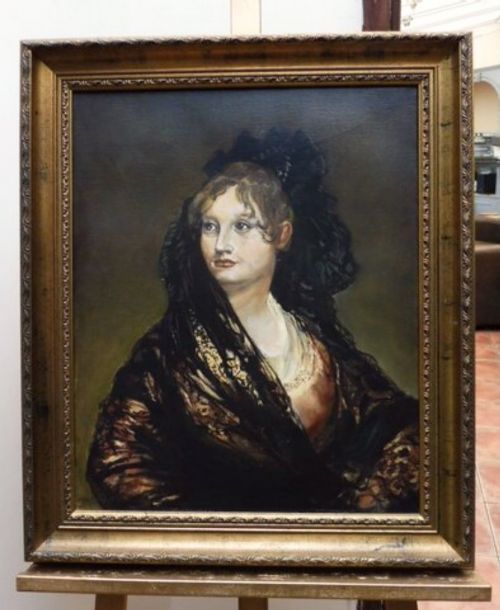
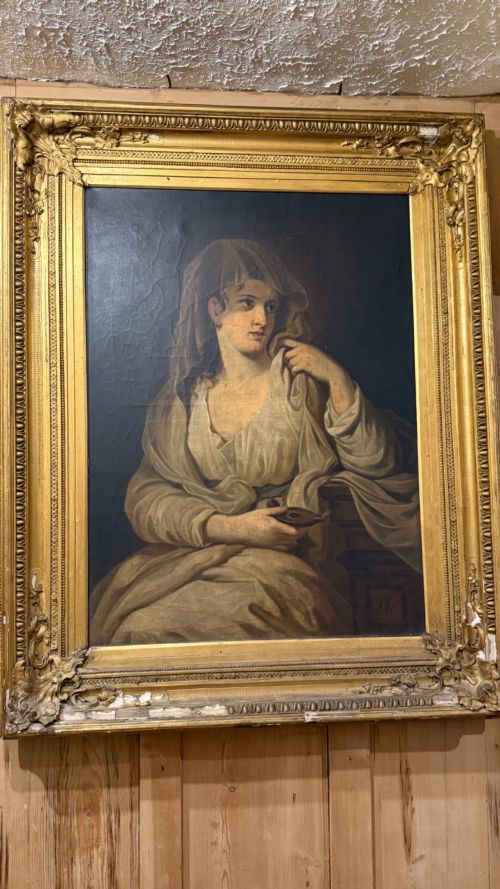
A classical female portrait painting captures the elegance and presence of historical subjects through enduring brushwork.
Classical Female Portrait Painting
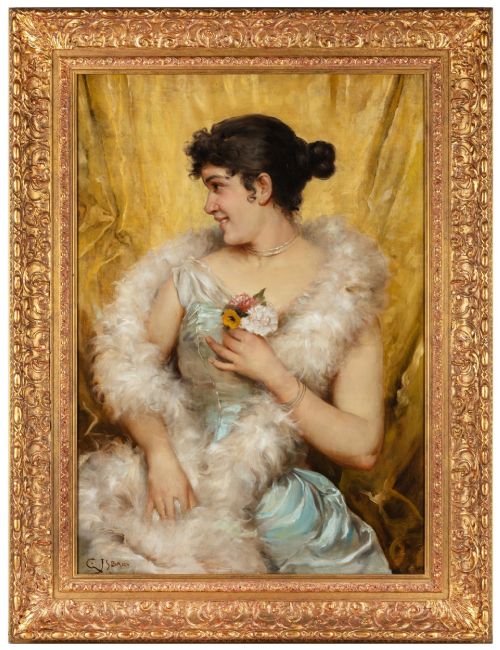
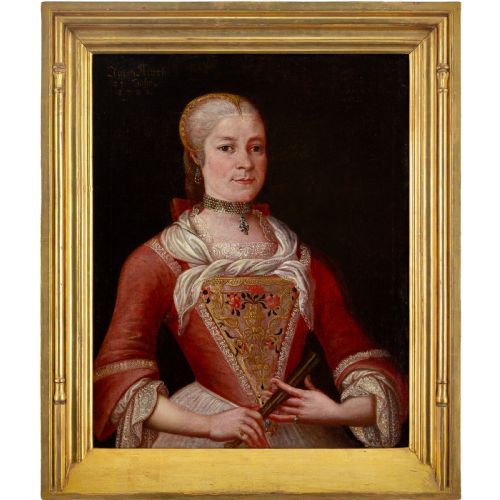
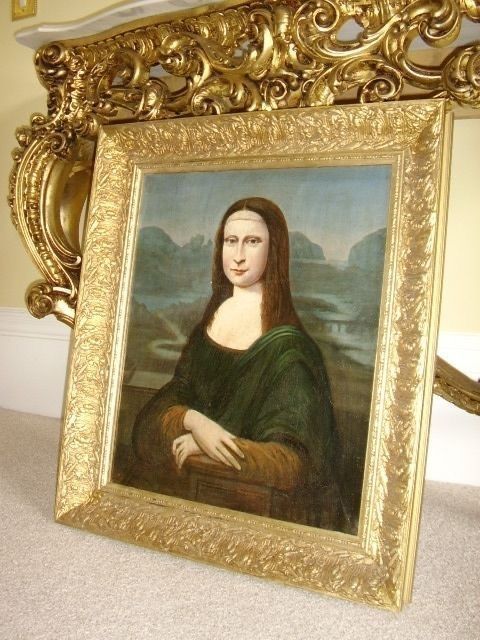
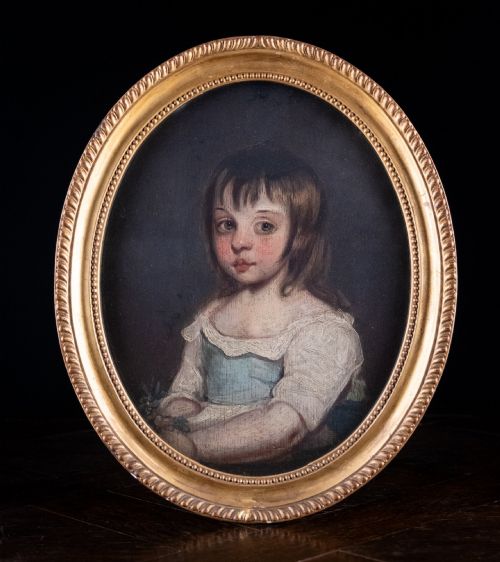
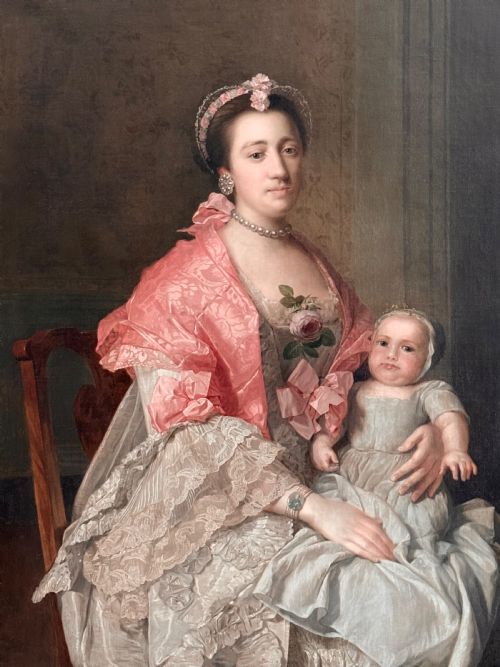
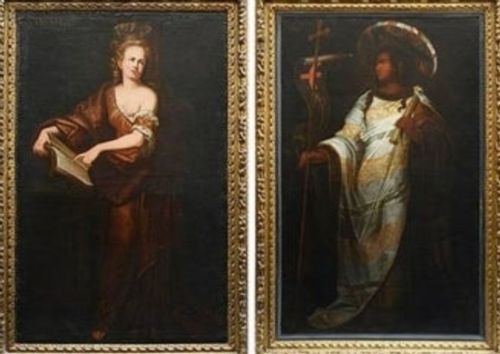
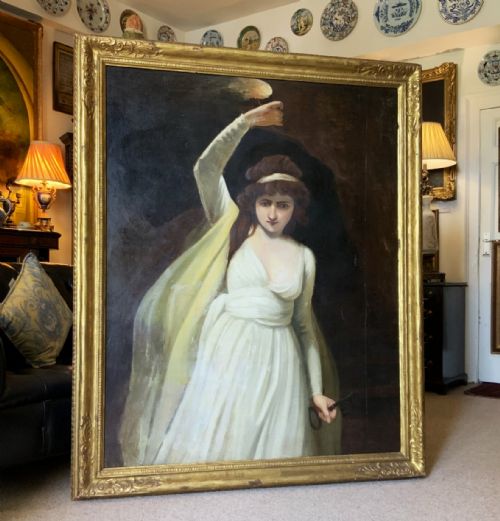
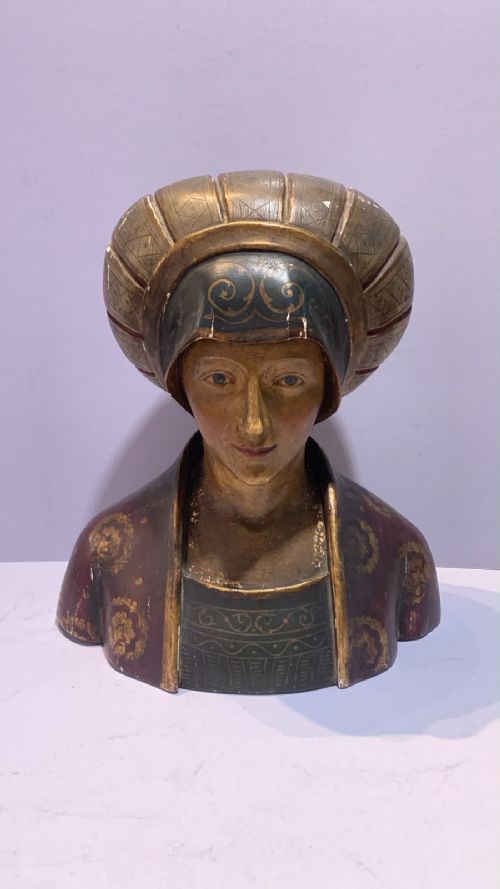
A classical female portrait painting brings together historical likenesses, mythological figures, and society subjects rendered on canvas or panel. When exploring classical female portrait painting on this page, collectors encounter works stretching from the seventeenth century through the Victorian era and into the early twentieth century.
The selections span grand oil paintings, delicate pastels, and watercolours framed in original or period-appropriate giltwood. Subjects range from named sitters and country girls to allegorical figures like Flora and various sibyls drawn from academic and neoclassical traditions.
How these works were constructed
Painters applied oil paint to stretched canvas or wooden panels, building up rich layers of colour to render skin tones and draped fabrics. Many works rely on a foundation of oil on canvas, finished with varnishes that have deepened over the centuries.
Frames are frequently constructed from gilded wood or giltwood, utilising gold leaf applied over gesso to create ornate borders that complement the portrait within.
Listings feature works spanning the seventeenth century to the Art Deco period, executed in oil, pastel, and watercolour.
What separates the finest examples
The distinction between standard studio output and superior works lies in the precision of the facial expression and the handling of drapery. Master painters captured light across fabric and rendered hands and eyes with striking conviction.
The integrity of the original surface, the depth of the pigment, and the quality of the associated gilt frame contribute significantly to the overall standing of each piece.
G. J. S. Bary·Pieter Borsseler·John Opie·Toussaint Gelton·Jean-Baptiste Greuze·André Charles Voillemot·Allan Douglas Davidson·Thomas Edward Roberts·Nicolas Fouché·Fernand Jean Barbier·William Edward Frost·William Joseph Carroll
The Classical Female Portrait Painting Glossary
- Oil on canvas
- A painting technique where pigments suspended in oil are applied to a woven fabric support. This method allowed artists to achieve smooth gradations of tone and lasting richness of colour.
- Giltwood
- Wood that has been coated with a thin layer of gold leaf or powder. It provides the ornate, reflective frames commonly found surrounding antique portraits.
- Neoclassical
- A style originating in the mid-eighteenth century inspired by the art and culture of classical antiquity. It emphasises orderly composition, classical dress, and restrained emotion.
- Pastel portrait painting
- A work executed using powdered pigment sticks bound with gum. These pieces offer a soft, immediate texture that requires protection under glass.
- Circle of
- A designation indicating that a painting was produced by an artist working in the style and vicinity of a known master, rather than by the master's own hand.
Classical Female Portrait Painting: Frequently Asked Questions
How should I hang an oil portrait?
Choose a wall away from direct sunlight and steady heat sources to protect the canvas and the delicate wooden frame. Proper placement ensures the varnish and pigments remain stable over time.
Ensure the wall fixings can support the weight, particularly for large works housed in heavy giltwood frames.
What does after a master mean?
This label indicates that the painting is a later study or copy of a famous original composition by a renowned artist. These works allowed skilled painters to demonstrate their technical proficiency.
Such pieces often date from the eighteenth or nineteenth century when copying masterworks was a standard part of artistic training.
How do I identify the period?
Examine the preparation of the canvas, the style of the clothing, and the composition of the frame. Seventeenth and eighteenth-century works typically display different canvas textures and pigment mixtures compared to Victorian examples.
Makers' marks, inscriptions on the reverse, and stylistic hints like neoclassical drapery also help narrow down the date of execution.