
Baroque Fine Art Canvas
A baroque fine art canvas brings centuries-old drama and portraiture into a room through rich oil paints and carved frames.
Baroque Fine Art Canvas
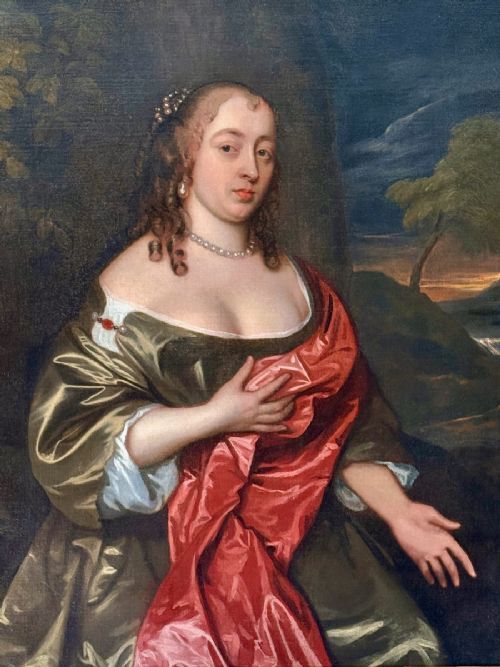
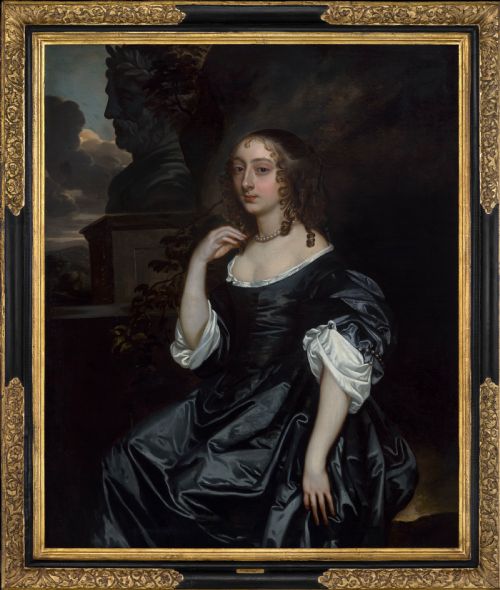
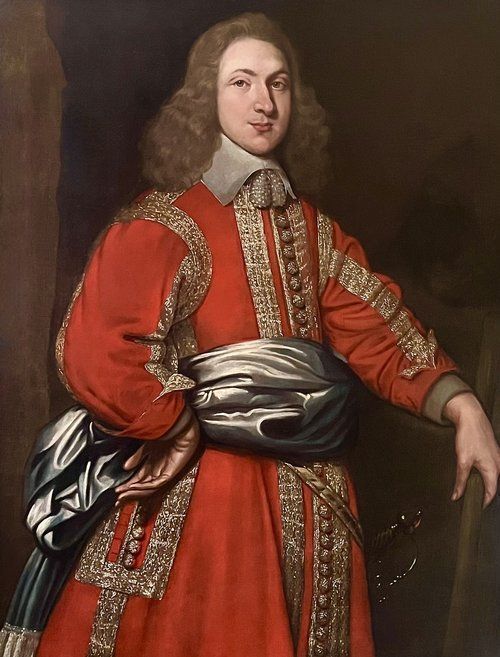
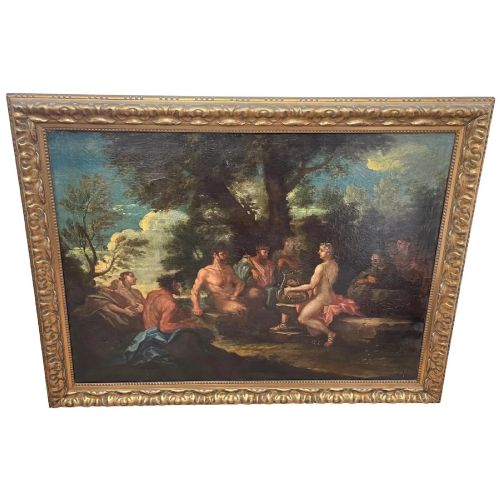
A baroque fine art canvas typically presents oil paintings from the seventeenth and eighteenth centuries, focusing heavily on aristocratic portraits, mythological scenes, and landscapes. These works originate from various European schools, including Dutch, Flemish, Italian, and British workshops.
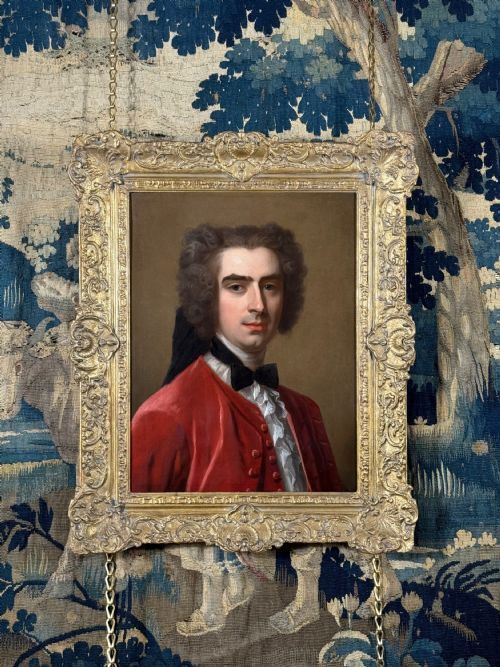
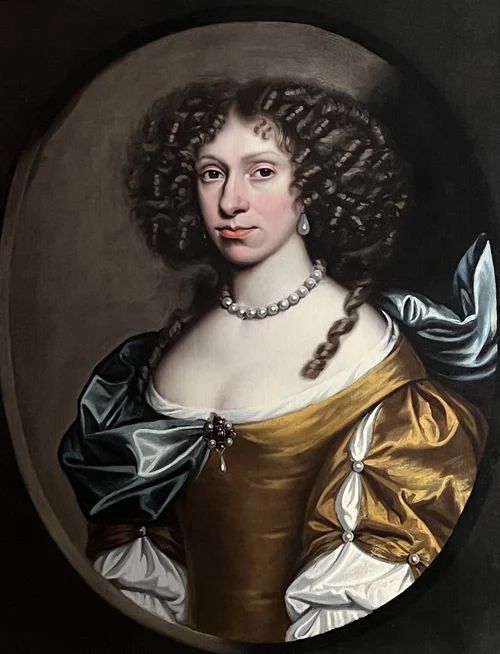
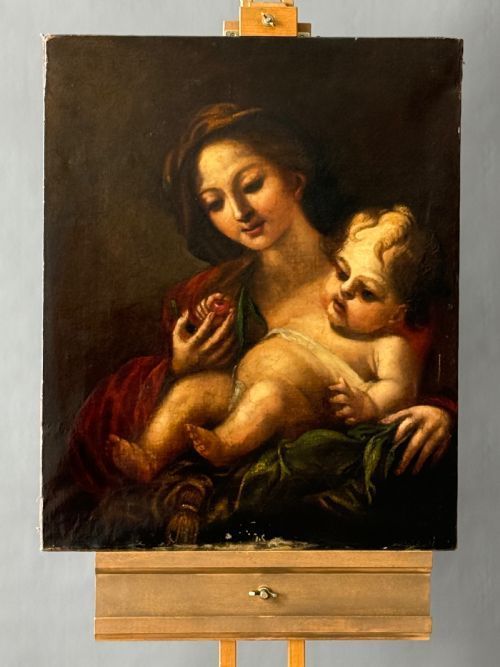
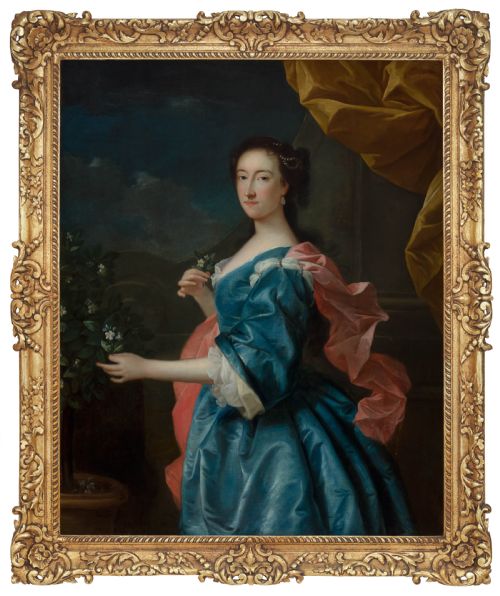
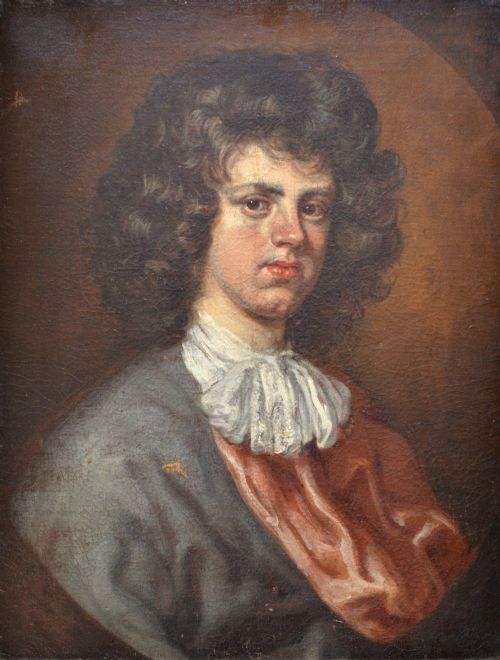
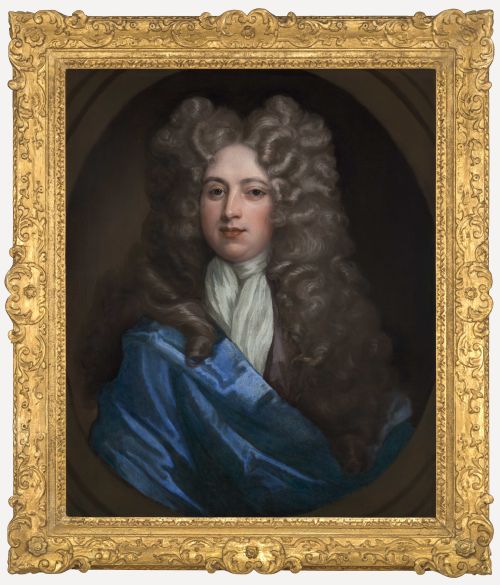
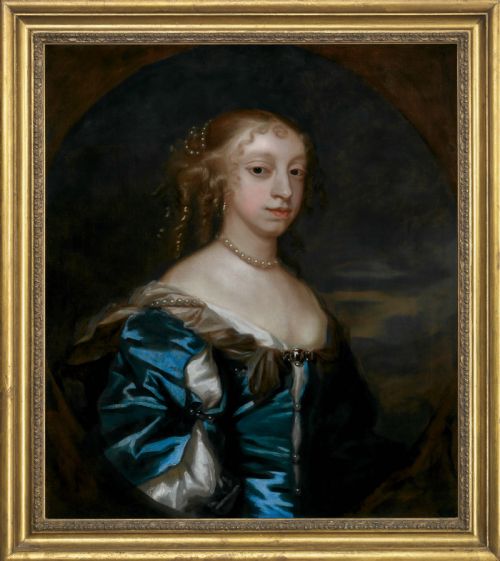
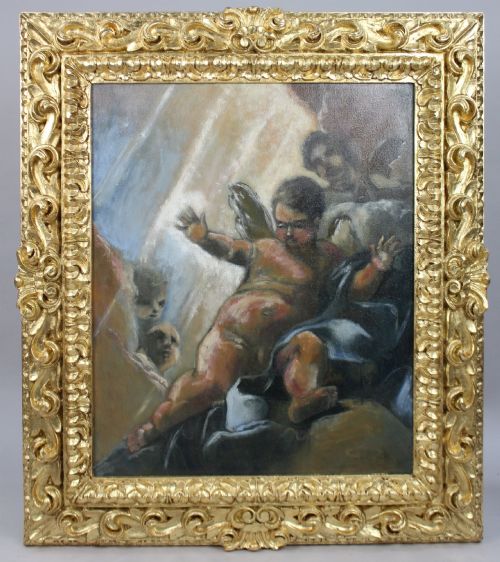
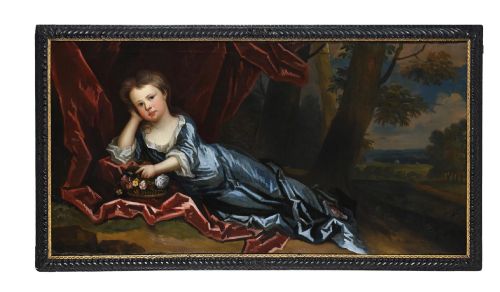
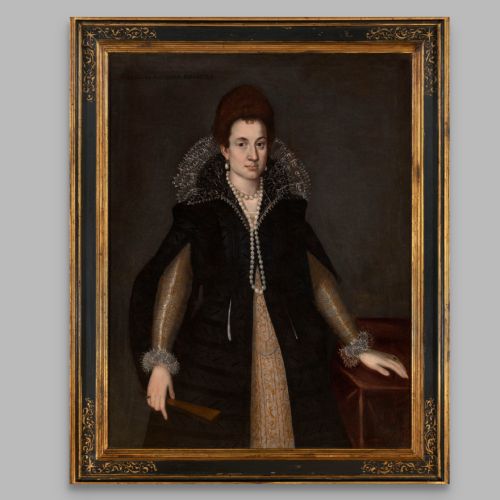
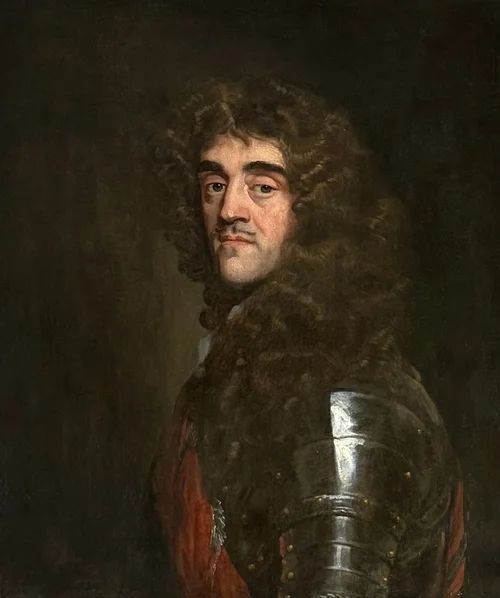
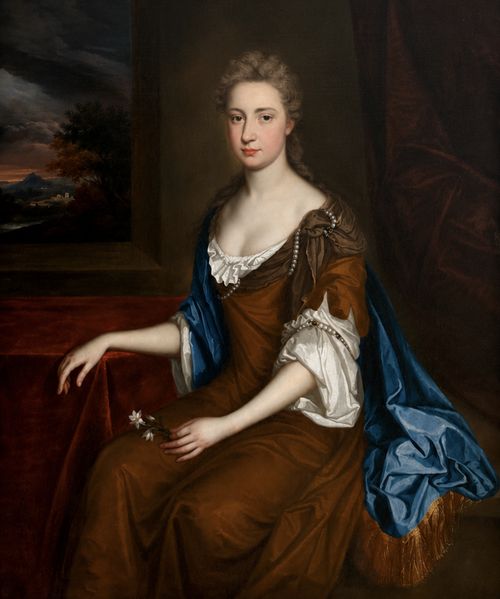
Buyers encounter numerous half-length and full-length portraits featuring subjects in elaborate dress, armour, or theatrical costume alongside mythological narratives. The selection also includes religious subjects and marine seascapes executed in oils.
Most pieces date from the seventeenth and eighteenth centuries, though some later nineteenth-century interpretations and mid-twentieth-century Renaissance style works appear within the listings. Each canvas reflects the distinct regional aesthetics of the baroque and rococo movements.
Materials and Technique
Artists painted primarily using oil on woven canvas supports, stretched over wooden frames that allowed for textured brushwork and deep glazing techniques. Pigments were applied to build up rich shadows and luminous highlights characteristic of the period.
Many surviving canvases remain housed in their original or period-appropriate carved giltwood and gilt frames, constructed from wood and finished with applied gold leaf.
Listings feature seventeenth and eighteenth-century oil on canvas portraits housed in carved giltwood frames.
Assessing Quality
Quality depends heavily on the confidence of the brushwork and the anatomical precision found in portraiture and figurative scenes. Master works display subtle handling of textiles, lace, and facial expressions that lesser studio copies or follower pieces miss.
The sophistication of the composition and the preservation of the original canvas and ground layers dictate the visual impact of the painting. Finer works also retain original carved giltwood frames that complement the scale and date of the artwork.
JOHN HAYLS·JEAN-BAPTISTE VAN LOO·DAVID SCOUGALL·JEREMIAH DAVISON·MARY BEALE·THOMAS MURRAY·SIR PETER LELY·CHARLES D'AGAR·PIETRO FACHETTI·JOHN GREENHILL·JOHN CLOSTERMAN·ROBERT BYNG·TOUSSAINT GELTON·GUILLAUME COURTOIS·PIETER BORSELER·JOSEPH VIVIENNE·ANTHONY VAN DYCK·MICHAEL DAHL·NICOLAES MAES·NICOLAS FOUCHE·CLAUDE LORRAIN
The Baroque Fine Art Canvas Glossary
- Baroque
- An artistic style originating around seventeen-hundred characterised by dramatic movement, deep shadow, and grand scale. This aesthetic dominates the portraiture and narrative paintings found in this collection.
- Giltwood
- Wood that has been coated with a thin layer of gold leaf or gilt. Frames made from this material frequently accompany old master oil paintings.
- Old Master
- A term applied to European painters of skill working before about eighteen-hundred. Many listings feature works from the circle or school of these established painters.
- Provenance
- The documented history of ownership of an artwork. Tracing this record helps establish the authenticity and origin of a period canvas.
Baroque Fine Art Canvas: Frequently Asked Questions
What periods do these paintings cover?
The listings span primarily from the seventeenth and eighteenth centuries, capturing the height of the baroque and rococo periods in European art. Occasional later pieces include nineteenth-century interpretations and mid-twentieth-century works.
Buyers will find specific dates ranging from the early sixteen-hundreds through to mid-eighteenth-century commissions by various regional schools.
How should I hang an oil painting?
Heavy giltwood frames require secure wall anchors fixed directly into masonry or studs to support the substantial weight of wood and canvas. Position the artwork away from direct sunlight and dramatic temperature shifts.
Maintaining a stable indoor climate helps preserve the integrity of both the woven canvas support and the traditional oil pigments.
What subjects are most common?
Portraiture dominates the selection, featuring nobles, military officers, and children often accompanied by symbolic elements like orange trees or armour. Mythological narratives and seascapes also appear frequently.
These subjects reflect the prestige and tastes of patrons commissioning fine art during the baroque era.
Are these works painted on panel or canvas?
The works recorded here utilise oil on canvas as the primary support medium, stretched over wooden frames. Some pieces include specific mentions of wood and giltwood in relation to their decorative surrounds.
Canvas allowed artists to create larger monumental portraits than wooden panels typically permitted.