


Italian Baroque Portrait Painting
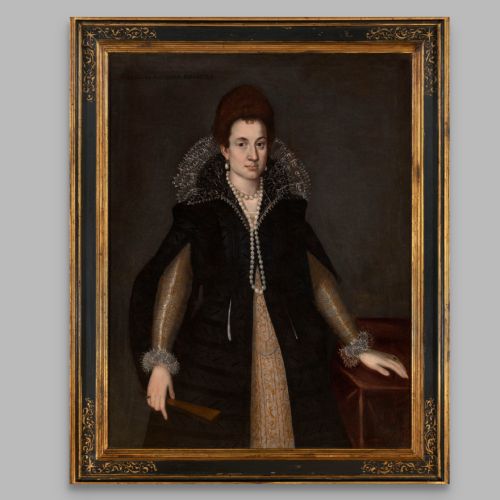
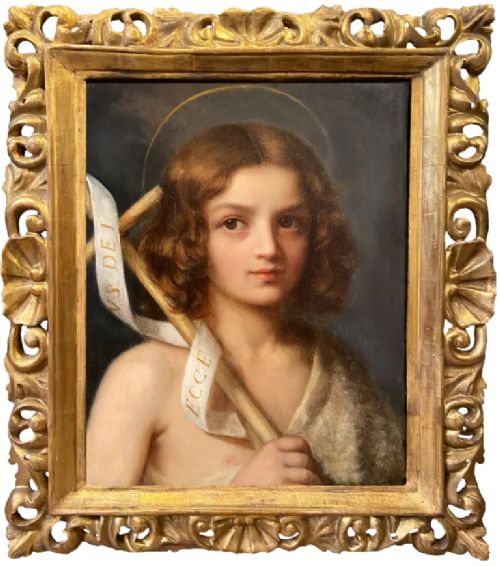
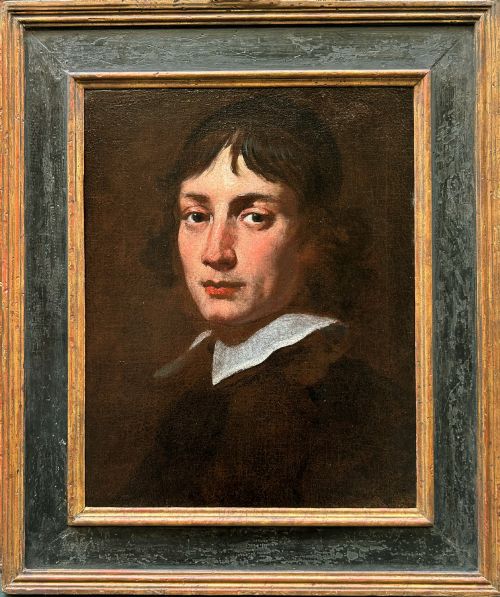
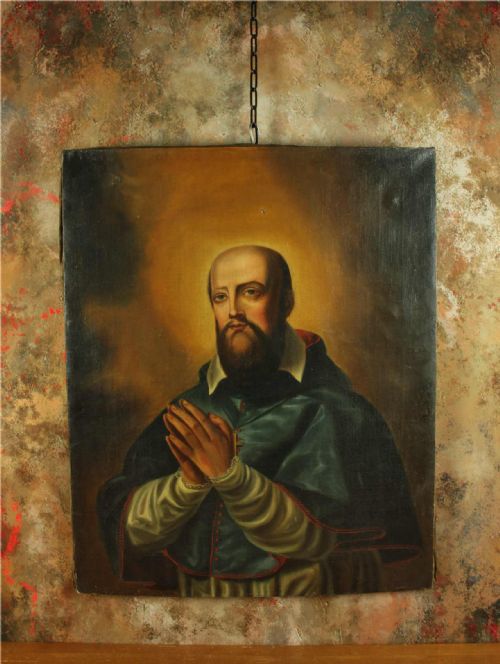
These italian baroque portrait painting examples capture the dramatic light and rich pigment of seventeenth and eighteenth century studios.
Italian Baroque Portrait Painting
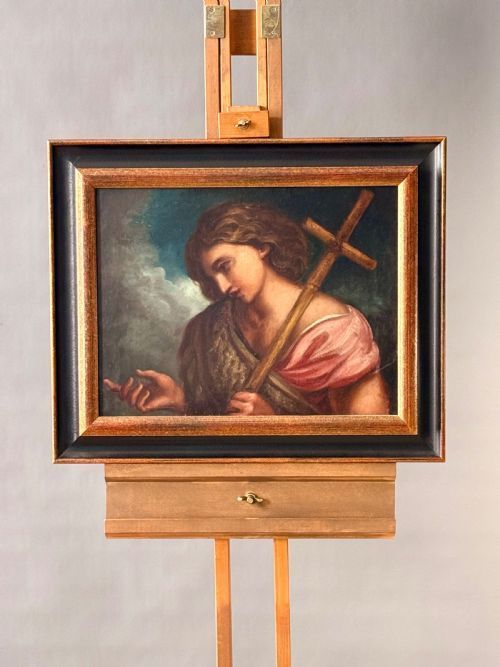
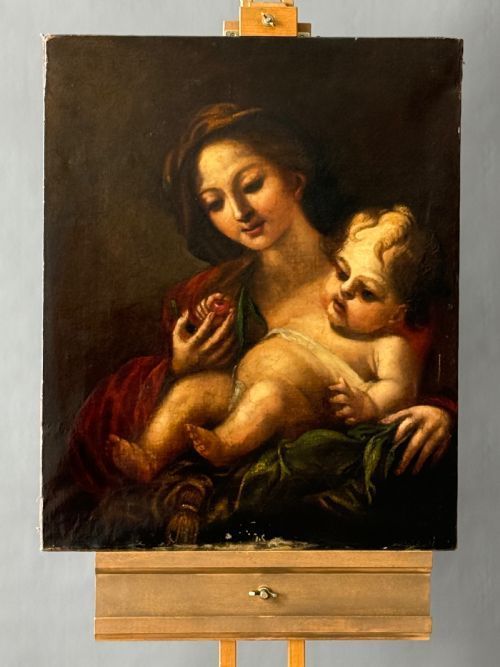
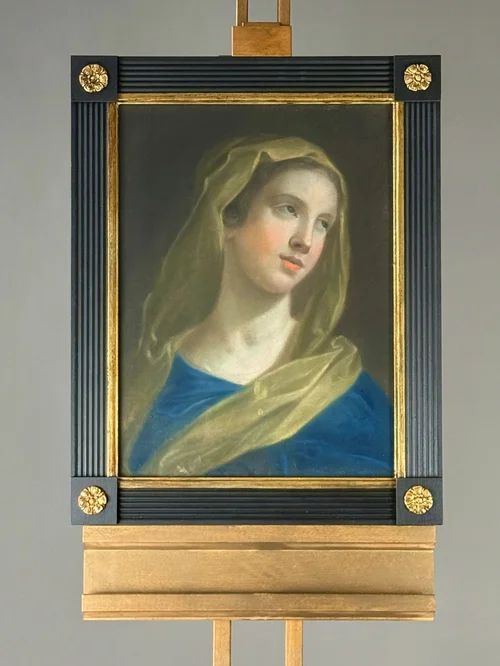
An italian baroque portrait painting brings devotional subjects, sibyls and noble figures into focus through oil on canvas or wood panel. The period spans the seventeenth and eighteenth centuries, drawing on Venetian, Roman, Emilian and Genoese traditions.
Religious figures dominate the subjects, including various renderings of the Madonna, Mary Magdalene, Saint John the Baptist and various saints. Secular portraits of young men, philosophers and popes also appear alongside classical landscape elements.
Works range from intimate miniatures to large canvases set in carved giltwood frames. Pieces emerge from specific regional schools, alongside works attributed to major workshops or followers of masters.
Materials and Technique
Artists laid oil paint onto stretched canvas or prepared wood panels, building deep shadows and luminous highlights. Gold leaf and giltwood frequently frame these works, enhancing the theatrical contrast inherent in the style.
Fruitwood panels provide a firm ground for certain early works, while standard canvas supports allow for expansive compositions. Pigments are worked in layers to achieve the rich tonality characteristic of old masters.
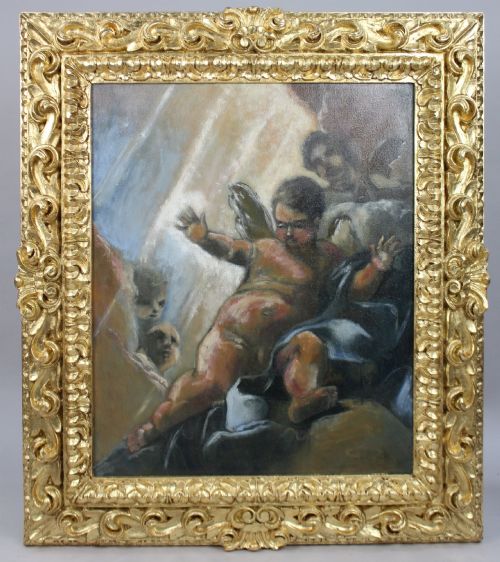
Cherubs and putti peek out from canvases, reminding viewers that seventeenth-century painters knew how to balance solemn saints with cheerful winged infants.
Assessing Quality
Quality rests upon the strength of the brushwork and the sureness of the anatomical rendering within the portrait. Paintings produced directly by a master or active studio show greater confidence in handling drapery and facial expression than later provincial copies.
The integrity of the canvas or wood support and the retention of original pigment layers dictate the visual impact of the piece. Period frames carved from giltwood add significant contextual value to the artwork.
Benedetto Luti·Pietro Fachetti·Guillaume Courtois·Francesco Solimena·Claude Lorrain·Domenico Zampieri·Bartolomeo Schedoni·Gian Lorenzo Bertolotto·Guido Reni·Pompeo Batoni·Fra Galgario
The Italian Baroque Portrait Painting Glossary
- Baroque
- A style of European art spanning the seventeenth and mid-eighteenth centuries characterised by movement, deep shadow and dramatic emotion. This approach heightens the psychological intensity of portraiture.
- Old Master
- A term for a European artist of high skill working before about eighteen hundred. These paintings reflect formal academic training and traditional studio practices.
- Giltwood
- Wood carved and coated with a thin layer of gold leaf or gold paint. Frames of this material are frequently paired with seventeenth and eighteenth-century canvases.
- Emilian School
- An association of painters sharing the artistic traditions of the Emilia-Romagna region in Italy. Their work often emphasises refined draughtsmanship and emotional resonance.
- Sibyl
- A prophetic woman in ancient Greek and Roman legend who appeared frequently in religious and classical art. These figures allowed painters to explore dramatic expression and rich costume.
Italian Baroque Portrait Painting: Frequently Asked Questions
How do I identify an italian baroque portrait painting?
Look for dramatic lighting effects, deep shadows and intense emotional expressions on the subjects. The palette typically relies on rich oil pigments applied to canvas or wood panels.
Attributions often point toward specific regional schools such as the Venetian, Roman or Genoese traditions from the seventeenth and eighteenth centuries.
Where were these paintings displayed originally?
These works hung in private chapels, palazzos and institutional collections across Italy. Religious subjects served devotional purposes, while secular portraits recorded the status of nobility and scholars.
Many retain their original carved giltwood frames designed to complement grand architectural interiors.
How should I care for an antique oil painting?
Keep the artwork away from direct sunlight and maintain stable room humidity to protect the canvas and wood panel. Avoid touching the painted surface or attempting amateur cleaning.
Consult a professional conservator if the varnish darkens or the canvas requires tension adjustments.
What is the difference between a studio work and a master piece?
A master piece originates directly from the hand of a recognised artist, while a studio work involves the collaboration of assistants and pupils under supervision. Both share the technical methods of the period.
Attributions in listings often reflect the closeness of a circle or workshop to the primary artist.