



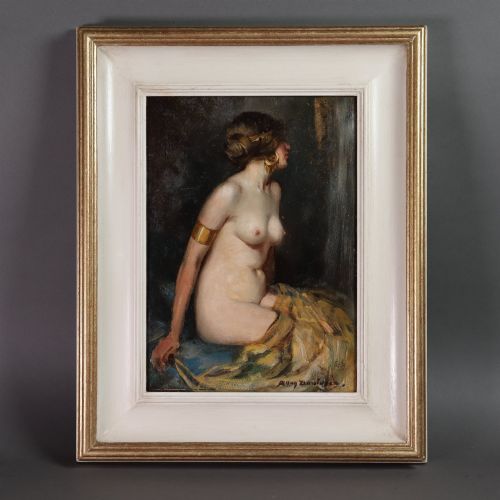


Classical Female Nude
A classical female nude captures the idealized human form in sculpture and painting, offering timeless elegance and mastery of anatomy for any interior.
Classical Female Nude
When you search for a classical female nude, you encounter artistic representations drawn from mythology, allegory, and traditional life studies. These pieces embody centuries of academic training and sculptural ambition.
The versions most likely to appear on this page range from nineteenth-century French bronze statuettes to early twentieth-century oil paintings and carved alabaster figures. They span Neoclassical, Art Nouveau, and Art Deco styles.
Makers and artists approached the subject through distinct regional lenses, particularly the French Academic tradition and Grand Tour productions. Each medium brings a different texture to the human form.
How They Were Made
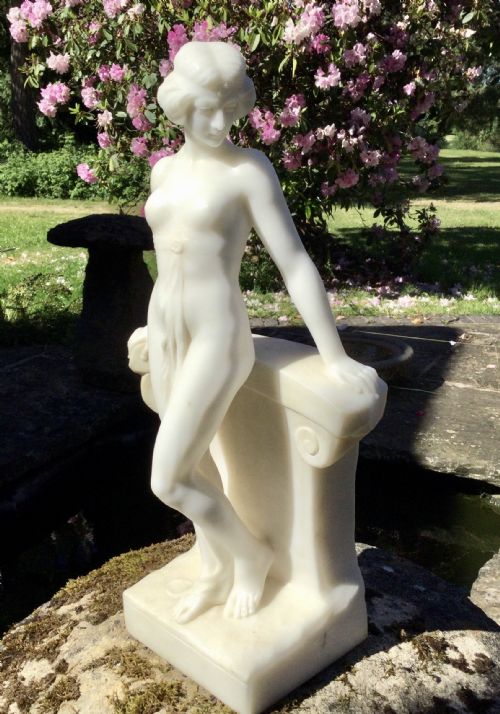
Bronze sculptures utilised the lost-wax casting method, often finished with detailed chasing and patination to accentuate musculature and soft contours. Marble and alabaster were hand-carved, relying on the stone's natural translucency to mimic flesh.
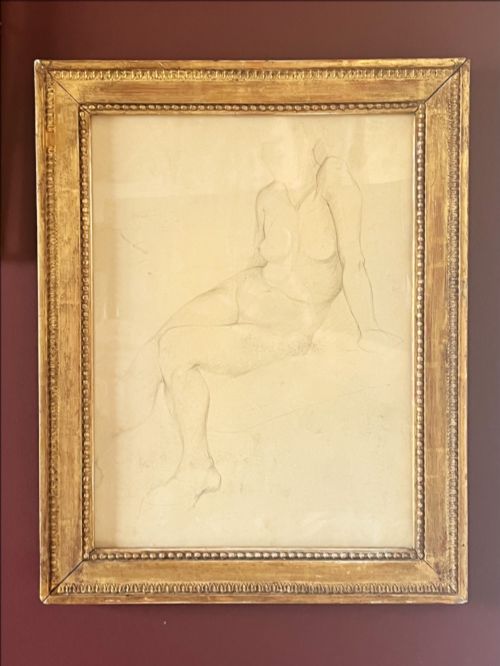
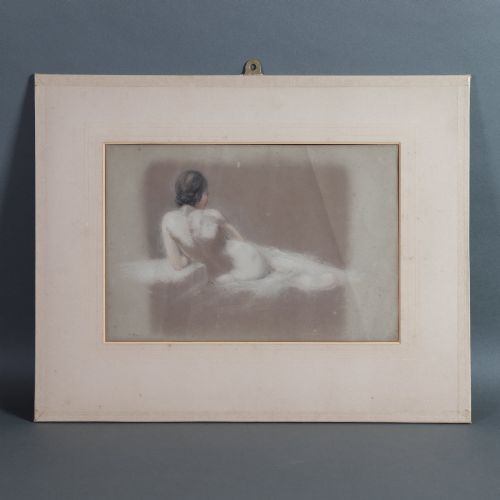
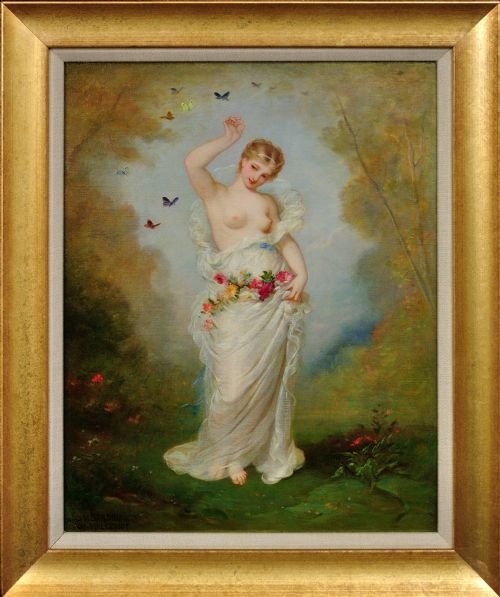
Paintings and drawings employed oil on canvas or board, pencil, and mixed media, capturing light and shadow across the subject. Porcelain and terracotta figures utilised specialised moulds and high-temperature firing before receiving enamel or patinated finishes.
The listings feature works spanning the nineteenth and twentieth centuries, utilising materials from bronze and marble to paper and chalk.
What Varies in Quality
The success of a piece rests upon the artist's command of human anatomy and the sensitivity of the modelling or brushwork. Superior examples display fluid movement, convincing weight, and delicate transitions across the figure.
Foundry cast quality dictates the crispness of detail in metalwork, distinguishing exceptional sculptures from standard commercial editions. In carved stone, the depth of undercut and the purity of the material define the tier of the work.
Ferdinand Barbedienne·William Etty·Fritz Kochendorfer·Hector Lemaire·S. Kinsburger·Aristide Maillol·Hans Müller·William Edward Frost·Edmond Leveque·Eugène Désiré Piron·James Pradier·Ferdinando de Luca·Devaulx·Auguste Renoir·Mario Korbel
The Classical Female Nude Glossary
- Patinated Bronze
- Bronze treated with chemical solutions to produce a specific surface colour and finish. This technique protects the metal and enhances visual depth.
- Neoclassical
- A style rooted in the art of classical antiquity, emphasising proportion, restraint, and mythological themes. It dominated European academies through the nineteenth century.
- Grand Tour
- Cultural travel undertaken by wealthy Europeans to collect art and antiquities. Souvenirs included reduction bronzes of classical statuary.
- French Academic
- Art produced under the influence of the Académie des Beaux-Arts in Paris. It prioritised rigorous draughtsmanship and classical subjects.
Classical Female Nude: Frequently Asked Questions
What defines a classical female nude?
A classical female nude represents the human body through traditional artistic conventions, often drawing on mythology and historical allegories. These works reflect formal academic training in proportion and line.
They appear across various mediums, including bronze, marble, oil paint, and paper, spanning multiple centuries of European artistry.
How should I display a bronze figure?
Bronze figures benefit from stable placement on sturdy surfaces such as wooden pedestals, desks, or marble mantelpieces. Ensure the location avoids excessive moisture to preserve the patination.
Adequate lighting helps reveal the subtle contours and chased details embedded by the founder or sculptor.
How do I identify the period of a sculpture?
Dating relies on stylistic markers, foundry stamps, artist signatures, and the specific composition of the material used. Nineteenth-century pieces often reflect strict academic or Neoclassical ideals.
Later works transition into the stylized curves of Art Nouveau or the geometric precision of Art Deco.
Were these pieces intended for public exhibition?
Many sculptures and paintings originated as salon entries, academic studies, or high-end domestic ornaments for private collectors. Grand Tour bronzes specifically served as travel mementos for affluent patrons.
Over time, these artworks transitioned into cherished interior decor items found in domestic settings.