



Classical Equestrian Artwork
Classical equestrian artwork captures horses and riders in traditional settings, offering collectors a glimpse into centuries of sporting and courtly life.
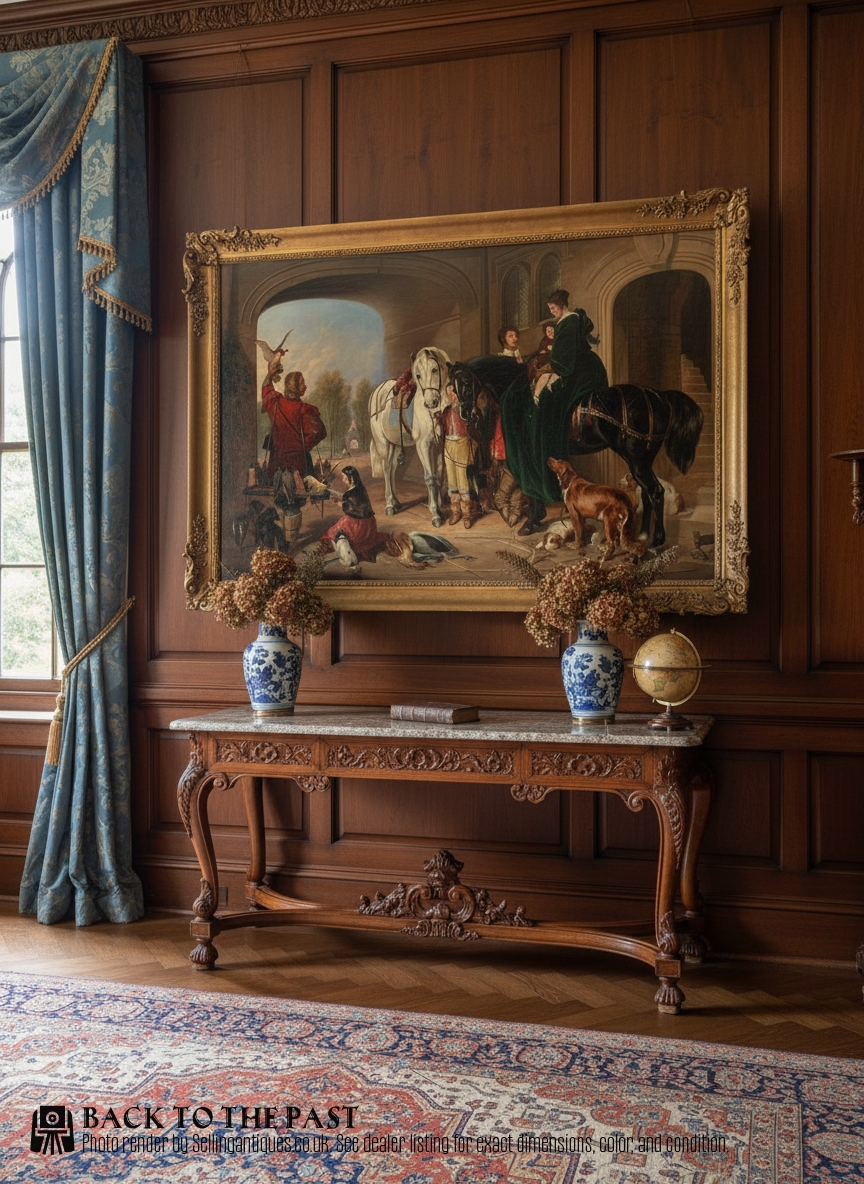
Classical Equestrian Artwork
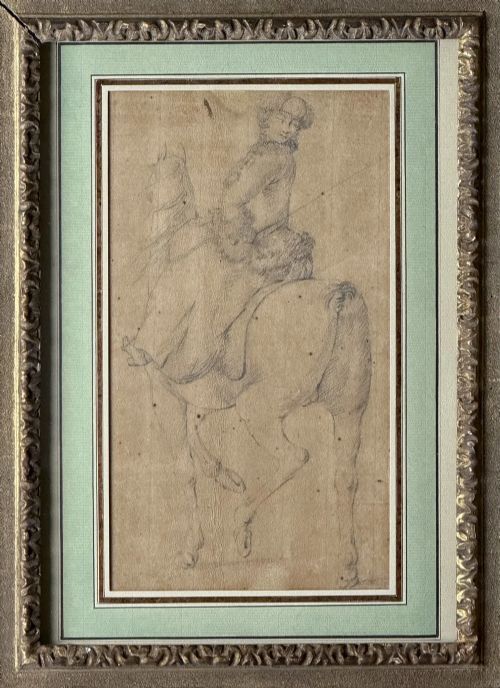
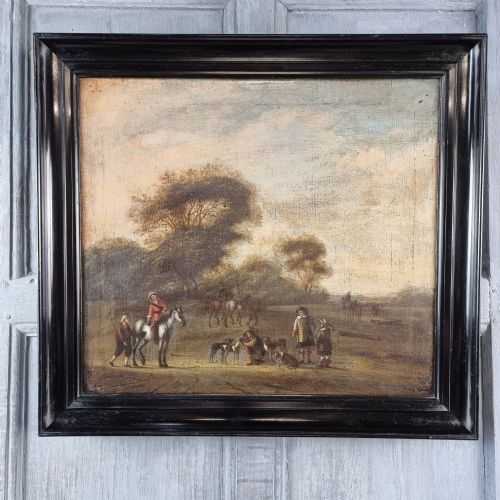
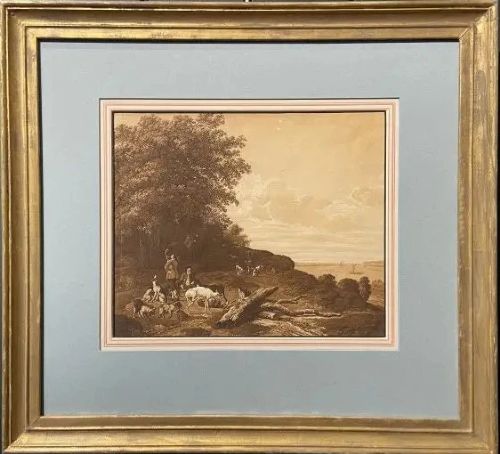
Classical equestrian artwork spans oil paintings, drawings, and prints created across the seventeenth, eighteenth, and nineteenth centuries. These pieces record horses within landscapes, sporting scenes, and courtly processions, reflecting European artistic traditions from the Dutch Golden Age to the Victorian period.
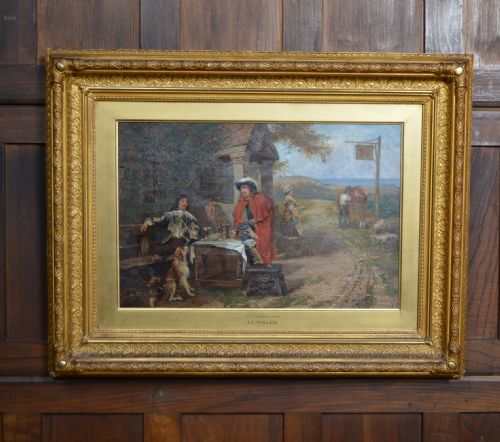
The selections available here range from detailed early drawings and French engravings to large oil paintings on canvas framed in gilt wood. Collectors encounter diverse regional schools, including British sporting art, Flemish baroque, and Northern European interpretations of horse and rider.
Materials and methods
Makers utilised oil paint on canvas and wood panels, often applying gold leaf to elaborate frames that complemented the visual weight of the scene. Paper works employed ink and drawing media, while engravings captured detailed compositions for wider distribution.
Framing played a central role, utilising carved gilt wood to house the canvas or paper securely. These traditional assembly methods ensured the survival of the artwork through successive centuries.
Classical Equestrian Artwork Retail Price Guide 2026
Typical asking prices for classical equestrian artwork among the pieces listed under this phrase on Sellingantiques today, from the lower quarter to the upper quarter. They describe what is for sale here now, not the wider market.
Listings feature oil on canvas, paper, and gilt wood spanning the seventeenth, eighteenth, and nineteenth centuries.
Assessing quality and execution
Quality rests upon the precision of the draughtsmanship in rendering the anatomy of the horse and the handling of the surrounding landscape. Finer works demonstrate a confident command of light and movement, whether depicting a quiet riverbank or a bustling royal coach party.
The integration of the subject within its environment distinguishes masterworks from simpler studio pieces. The preservation of the original canvas, paper support, and period framing further elevates the standing of an individual work.
Johannes Lingelbach·John Ferneley Senior·Pieter Bout·Adriaen Frans Boudewyns·Sir Edwin Henry Landseer·Abraham Cooper·Martin Pierre - Denis
The Classical Equestrian Artwork Glossary
- Canvas
- A heavy woven fabric stretched across a wooden frame to serve as a support for oil paint. It provides a durable surface that responds well to traditional varnishes.
- Gilt wood
- Timber coated with a thin layer of gold leaf or metallic powder. This technique adds brightness and protection to decorative picture frames.
- Engraving
- A printmaking method where an image is incised into a metal plate with a cutting tool. Ink is then pressed into the grooves to transfer the design onto paper.
- Equestrian study
- An artistic sketch or finished composition focusing specifically on the form and posture of a horse. These pieces often serve as preparatory work for larger paintings.
Classical Equestrian Artwork: Frequently Asked Questions
What subjects appear in classical equestrian artwork?
These works typically depict horses engaged in hunting scenes, coaching parties, military actions, and formal dressage. The animals are set against expansive river landscapes, architectural backdrops, or pastoral countryside.
Artists across the seventeenth and nineteenth centuries utilised these subjects to display their skill in anatomy and movement, reflecting the social importance of horses during those periods.
How were these framed pieces displayed historically?
Such artworks were traditionally hung in the reception rooms, libraries, and galleries of country houses and urban estates. Their substantial frames were chosen to project status and complement interior wood panelling.
Owners positioned them to draw light from large windows, enhancing the oil paint or gilt wood details within the room.
How do I care for antique oil paintings?
Preserving these pieces requires stable environmental conditions away from direct sunlight and excessive humidity. Regular dusting with a soft, dry brush keeps the surface clear without disturbing the paint layer.
Avoid using liquid cleaners on the canvas or the gilt wood frame, as moisture can cause permanent damage to older materials.