

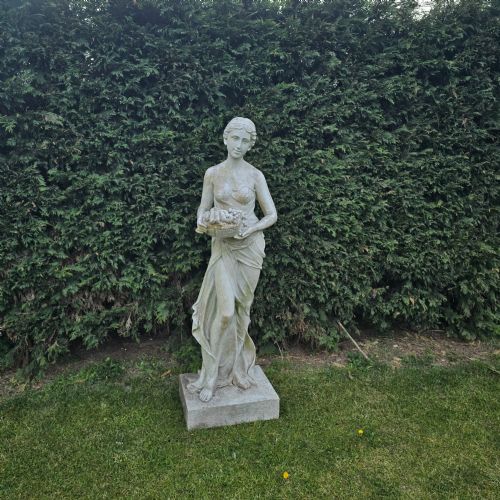


Classical Draped Figure
A classical draped figure brings timeless architectural harmony to a room, offering the graceful folds of antiquity through bronze, marble, and plaster.
Classical Draped Figure
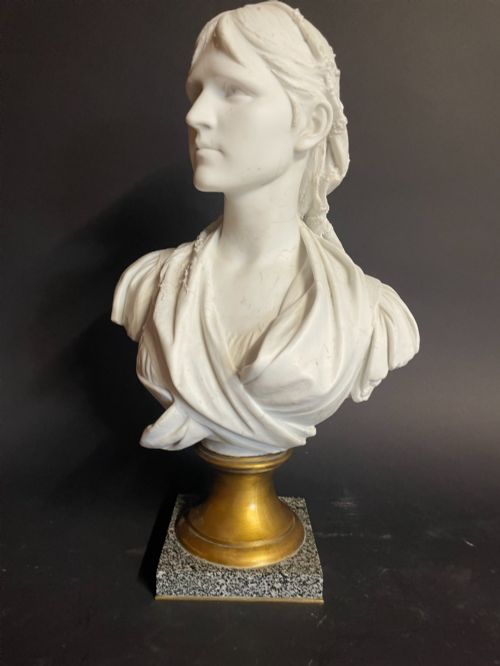
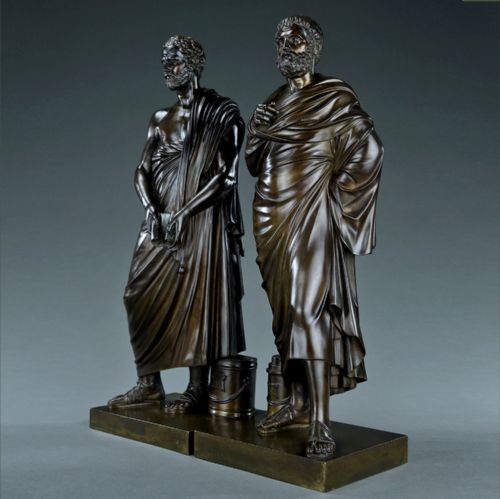
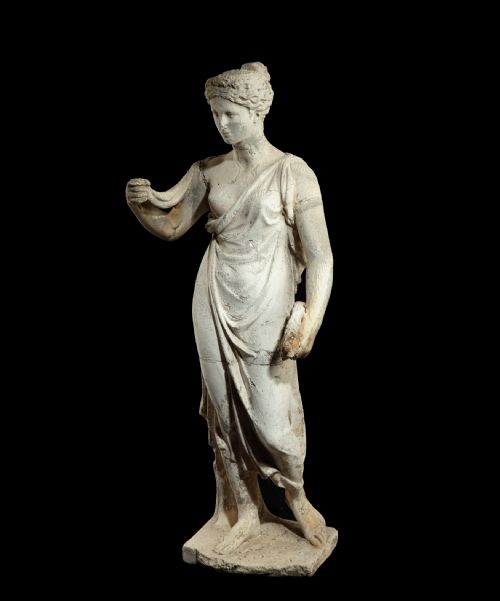
A classical draped figure encompasses sculptures, garden statues, busts, and figurines that emulate ancient Greek and Roman forms through robes and tunics. When searching for a classical draped figure, buyers encounter mediums ranging from monumental garden stone to cabinet-sized nineteenth-century bronze casts and parian ware.
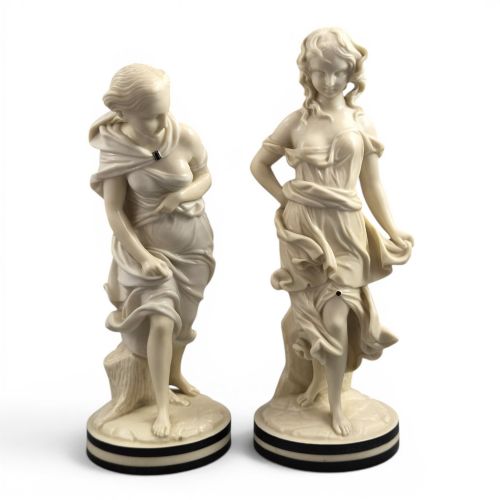
The selection includes nineteenth-century Grand Tour bronzes, Victorian porcelain figures, and mid-twentieth-century reconstituted stone garden statues. Figures often represent mythological entities, allegories of the seasons, or literary subjects clothed in flowing drapery.
Origins span English Victorian factories, French foundries, and Italian workshops, reflecting revivals from the Regency period onward. Interior pieces sit on socle bases or pedestals, while larger works furnish gardens and terraces.
How they were made
Foundry-cast bronzes utilise the lost-wax technique or sand-casting methods, followed by hand-chasing and chemical patination to accentuate the contours of fabric and flesh. Marble and alabaster sculptures are hand-carved from solid blocks using point systems and chisels to achieve translucent folds.
Plaster and stucco figures require moulds taken from original models, sometimes reinforced with internal armatures and finished with surface paints or washes. Porcelain and parian ware pieces undergo high-temperature kiln firing, shrinking during the process before receiving glaze or biscuit finishes.
Even water carriers and allegories of autumn require proper balance when standing on nineteenth-century socle bases.
What varies in quality
The crispness of the chisel work or the fidelity of the bronze casting determines how convincingly cloth drapes over the human form. Softer definition in plaster or moulded stone indicates worn or secondary production moulds.
Material selection dictates the nuance of the piece, from translucent carved alabaster and heavy cast bronze to porous garden stone. Fine foundry marks, artist signatures, and known workshop attributions elevate the standing of individual sculptures.
Barbedienne·James Hadley·Humphrey Hopper·Antonio Rossellino·Ernst Barrias·Pugi·Auguste Moreau·Antoine Coysevox
The Classical Draped Figure Glossary
- Parian ware
- A fine-grained unglazed biscuit porcelain developed in the nineteenth century to imitate white marble. It captures delicate details in figures and drapery.
- Grand Tour
- The nineteenth-century practice where affluent travellers acquired miniature bronzes and sculptures of classical antiquities in Italy. These reductions served as portable mementos.
- Socle base
- A short plinth or pedestal supporting a bust or small sculpture. It lifts the piece visually from the surface below.
- Caryatid
- A sculpted female figure serving as an architectural support taking the place of a column or pillar. They typically feature structured drapery falling to the base.
- Patina
- The surface coloration and sheen developed naturally over time or applied chemically by a founder. It enhances the depth of metallic sculptures.
Classical Draped Figure: Frequently Asked Questions
Where should I place a heavy marble sculpture?
Marble and heavy bronze sculptures require sturdy console tables, sturdy wooden pedestals, or dedicated masonry surfaces capable of supporting substantial weight without shifting.
Keep pieces away from direct heat sources and sudden temperature fluctuations to protect the stone or metal composition.
Can garden statues stay outside in winter?
Stone and reconstituted stone statues tolerate outdoor settings, but freezing water trapped within porous material can cause cracking during severe frosts.
Covering statues or moving plaster and composite garden pieces indoors during freezing months extends their lifespan.
How do I clean nineteenth-century bronze figures?
Dust bronze figures gently with a soft dry brush or microfiber cloth to prevent particulate buildup without disturbing the delicate chemical patina.
Avoid commercial metal polishes, water, and abrasive cleaners, which strip the historic surface finish entirely.
What is the difference between parian ware and plaster?
Parian ware is a dense, vitrified porcelain fired at high temperatures to resemble carved marble, offering durability and a smooth surface. Plaster is a softer, composite material cast in moulds and finished with surface coatings, making it more vulnerable to moisture.