



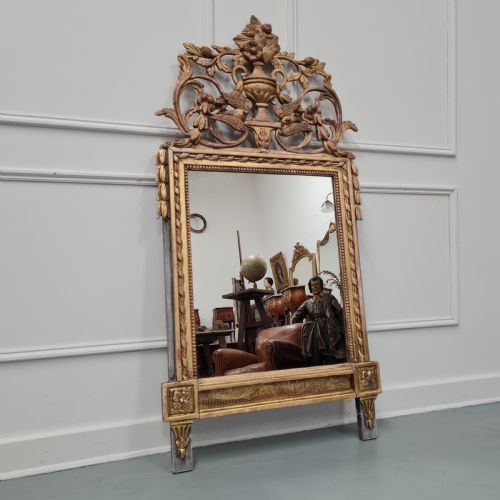


Classical Decorative Mirror
A classical decorative mirror brings light and neoclassical line into a room, using gilded wood and carved detail to transform plain walls.
Classical Decorative Mirror
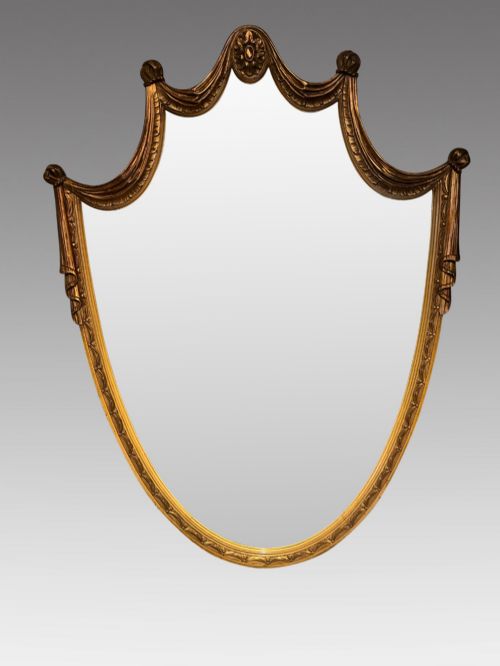
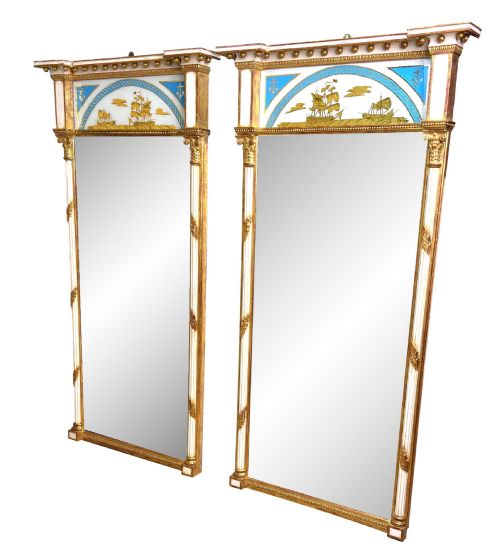
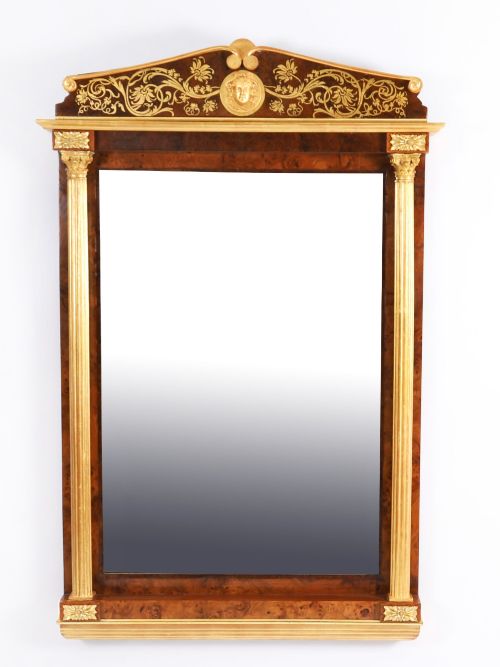
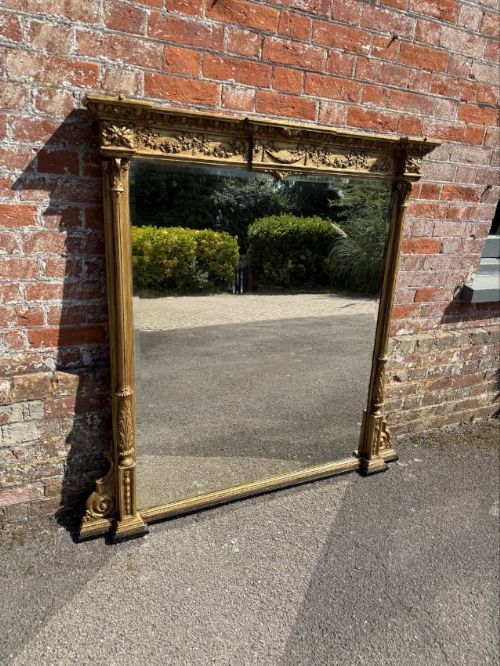
A classical decorative mirror encompasses wall hanging looking glasses, overmantels, and pier mirrors originating primarily from the eighteenth, nineteenth, and early twentieth centuries. These pieces reflect historical design movements such as Regency, French Empire, Louis XVI Style, and Italian Neoclassical, bringing period character into domestic spaces.
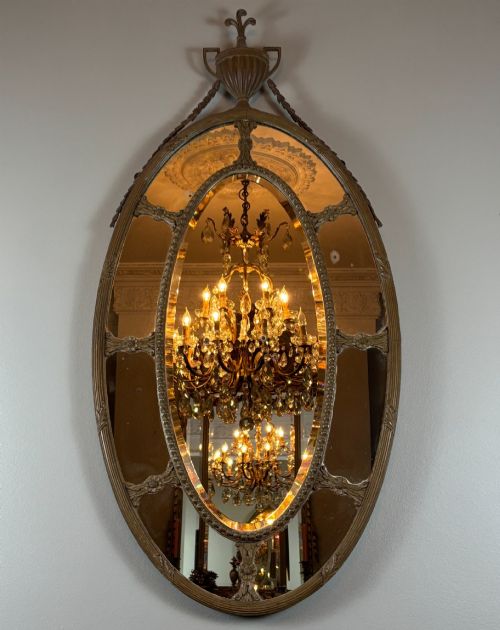
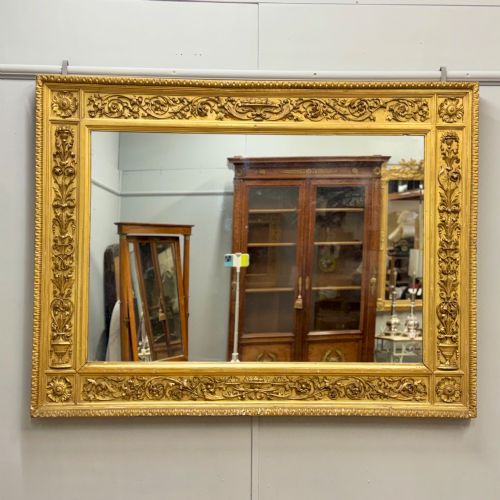
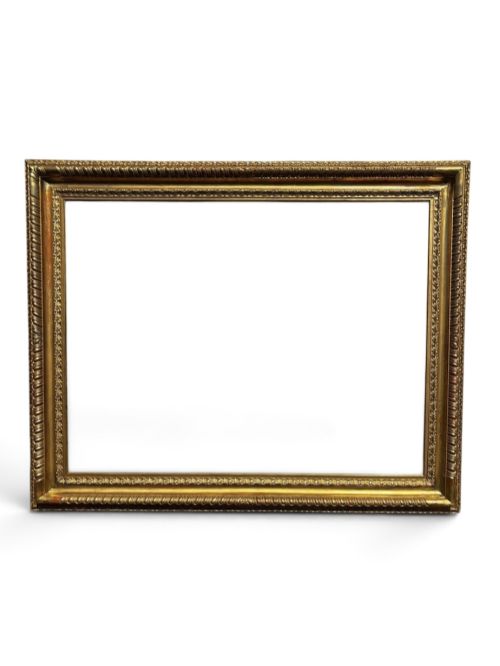
The most common examples encountered here are giltwood and gesso framed wall mirrors and overmantels, often featuring architectural columns, urns, swags, or carved acanthus leaves. Makers utilised mahogany, walnut, and painted wood alongside traditional framing techniques to create pieces suitable for hallways, drawing rooms, and above fireplaces.
Forms range from large-scale vertical pier mirrors designed to stand between windows to compact oval border glass mirrors and marriage mirrors. Whether originating from English, French, or Italian workshops, each piece displays the distinct proportions and ornamental vocabulary of its specific period.
Materials and construction methods
Traditional frames rely upon solid wood bases such as mahogany, walnut, or pine, which provide the structural integrity necessary to support heavy glass plates. Craftsmen applied layers of gesso to carved wooden surfaces, creating a smooth, absorbent ground suitable for subsequent gilding.
Gilding techniques involved applying thin sheets of gold leaf or water gilding over the prepared gesso, then burnishing selected areas to achieve a contrasting matte and bright finish. Other surfaces were finished with silvering, paint, or parcel gilt highlights to accentuate carved architectural details and relief panels.
Classical Decorative Mirror Retail Price Guide 2026
Typical asking prices for classical decorative mirror among the pieces listed under this phrase on Sellingantiques today, from the lower quarter to the upper quarter. They describe what is for sale here now, not the wider market.
Listings span the eighteenth, nineteenth, and early twentieth centuries, featuring Regency, Victorian, Edwardian, and French Empire periods.
Assessing craftsmanship and execution
Quality reveals itself in the crispness and depth of the carved woodwork, where hand-carved acanthus leaves, urns, and figural reliefs display distinct definition rather than soft, moulded contours. The application of gesso and gold leaf demonstrates superior skill when the metal remains uniform and adheres closely to complex wooden profiles.
The composition of the mirror glass itself and the integrity of the original framing joints indicate superior workshop standards. Finer examples retain their original mercury or antique silvered glass plates, paired with robust rear construction that maintains structural stability across centuries.
The Classical Decorative Mirror Glossary
- Giltwood
- Wood that has been coated with gold leaf or gold paint. This finish defines the reflective warmth of classical frames.
- Gesso
- A plaster-like mixture applied to wood frames to create a smooth surface for carving and gilding. It allows intricate relief ornamentation.
- Pier mirror
- A tall mirror designed specifically to hang on the narrow wall space between two windows. They often sat above matching console tables.
- Overmantel mirror
- A wide horizontal mirror built to sit directly above a fireplace mantelpiece. These pieces frequently incorporate multiple mirror plates or elaborate cornices.
- Trumeau mirror
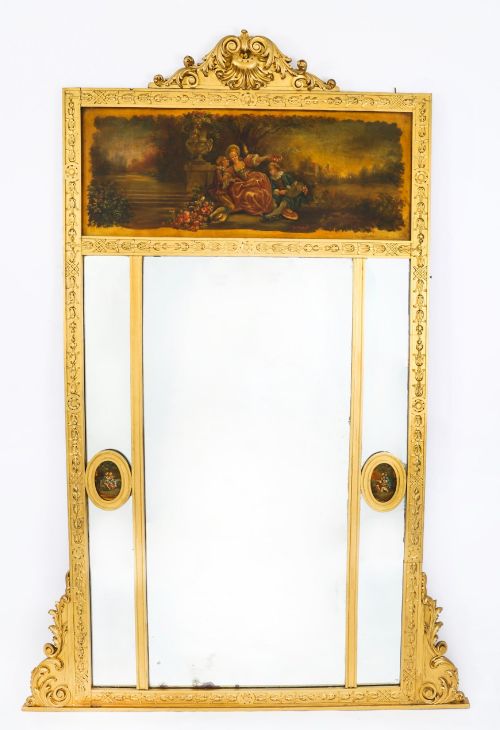
- A decorative mirror incorporating a painted or carved panel above the glass. Originating in France, they often integrated into wall panelling.
Classical Decorative Mirror: Frequently Asked Questions
How do I identify a Regency period mirror?
Regency mirrors typically display strict neoclassical influence, featuring architectural elements like column frames, ebonised details, and carved acanthus leaf friezes. The giltwood or mahogany construction reflects early nineteenth-century English taste.
Look for water-gilded surfaces and classical motifs such as spheres along the frame cornice, which distinguish these pieces from later Victorian revivals.
What is a French marriage mirror?
A French marriage mirror is a traditional decorative looking glass historically given as a wedding gift in nineteenth-century France. These pieces often feature symbolic ornamentation relating to union and prosperity.
They frequently incorporate floral swags, ribbon crests, and fine gilt gesso work designed to celebrate domestic partnership.
How do I care for antique giltwood?
Caring for antique giltwood requires gentle dusting with a soft, dry brush to prevent damage to the delicate gold leaf layer. Avoid chemical cleaning products and excessive moisture, which can dissolve the underlying gesso.
Keep the mirror away from direct sunlight and fluctuating heat sources to protect the wood substrate and maintain the stability of the antique frame.