


Classical Copperplate Etching
These classical copperplate etching and engraving works bring mythological scenes and ancient architecture into domestic rooms.
Classical Copperplate Etching
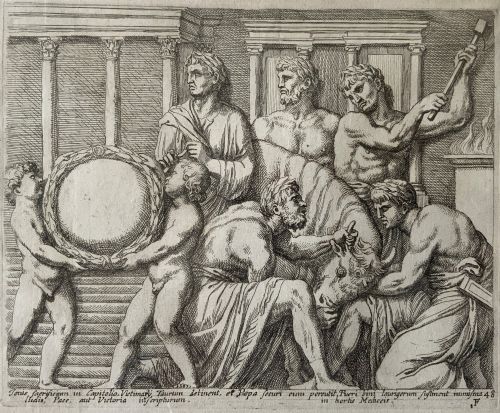
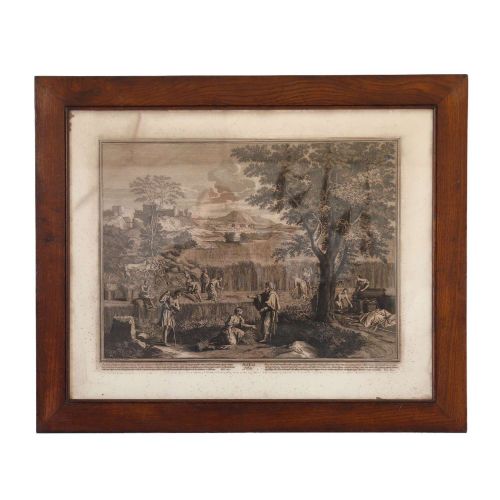
Buyers examining a classical copperplate etching encounter works spanning the seventeenth, eighteenth, and nineteenth centuries, alongside Georgian and Victorian examples. These prints draw primarily from neoclassical and baroque traditions, focusing on antiquity, architectural studies, and mythological narratives.
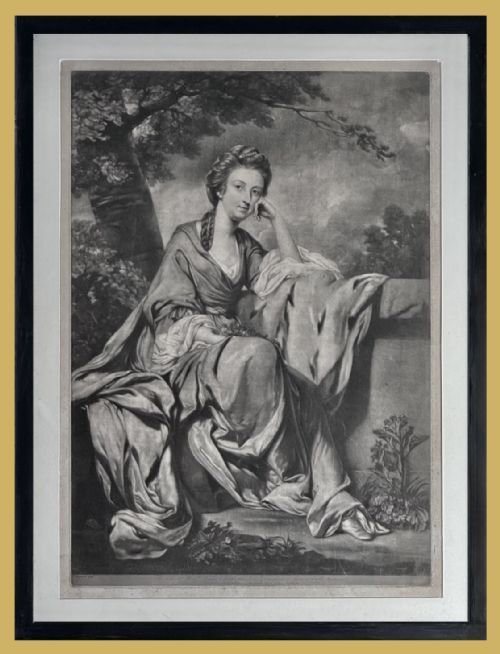
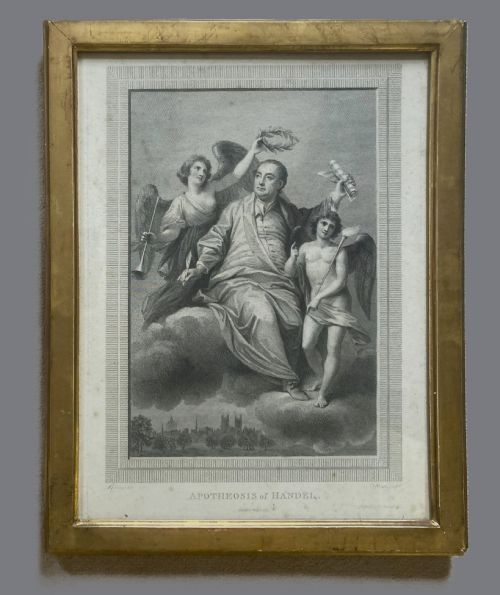
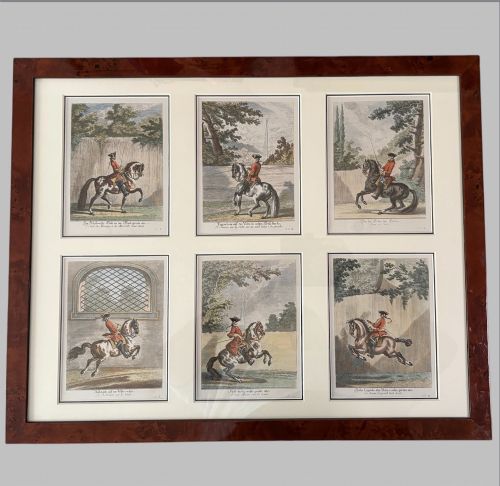
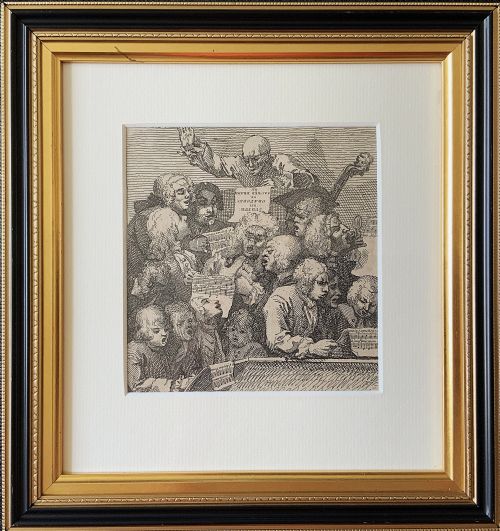
The objects take the form of framed wall art and prints, often preserving their original frames made from wood, burr wood veneer, ebonised wood, or gilt wood with glass. Subjects range from the antiquities of Athens and the Vatican loggie to portraits and equestrian scenes.
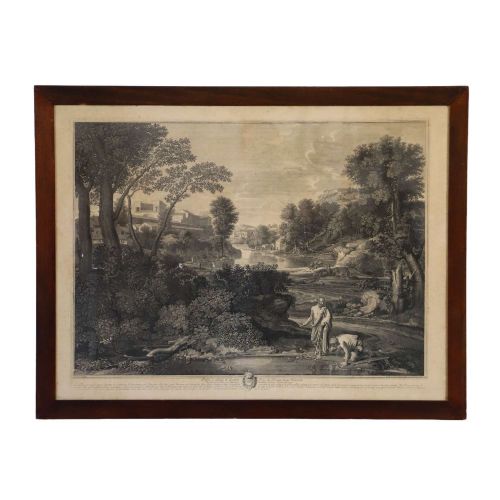
French classical compositions and English interpretations of Italian masters dominate the selection. Prints frequently arrive as individual sheets or architectural plates from larger portfolios recording classical sculpture and ruins.
Variations in quality
The clarity of the impression on the paper determines the visual strength of the print, reflecting the early state of the copper plate before wear softened the etched lines. Crisp definition in architectural detail and subtle tonal gradation separate superior printings from later impressions.
The integrity of the original frame and the survival of the paper without excessive foxing or restoration contribute to the standing of an individual piece. Works retaining contemporary framing materials preserve their historical context more completely than those placed in modern surrounds.
Several eighteenth-century plates record classical serpents and satyrs, proving that ancient sculptors enjoyed monsters and mischief just as much as we do.
Edward Fisher·James Heath·François Perrier·Étienne Baudet·William Hogarth·Antonio Capellan·Alessandro Mocchetti·James Basire·Giovanni Ottaviani·Edward Rooker·W Roffe
The Classical Copperplate Etching Glossary
- Copperplate engraving
- A intaglio printmaking technique where lines are cut directly into a copper sheet with a burin. The resulting grooves hold ink for transfer to paper under pressure.
- Etching
- A method where acid bites lines into a metal plate prepared with an acid-resistant ground. This process allows for freer, more painterly lines than direct engraving.
- Neoclassical
- A style reviving classical antiquity in art and architecture during the eighteenth and early nineteenth centuries. It emphasises symmetry, proportion, and ancient Greek or Roman motifs.
- Foxing
- Brown spots and discolouration appearing on older paper caused by chemical reactions in the pulp or storage conditions. It is a common occurrence in historical prints.
- Mezzotint
- A tonal printmaking method allowing intermediate shades between light and dark to be achieved. It was frequently utilised for portraiture during the eighteenth century.
Classical Copperplate Etching: Frequently Asked Questions
How should I hang these prints?
Keep framed pieces away from direct sunlight to protect the ink and paper from fading over time. Stable indoor humidity prevents warping in the wooden frames and glass surrounds.
Hang them at eye level on interior walls using secure picture hooks suited to the weight of the timber framing.
Are these prints original period items?
The selection includes works pulled during the seventeenth, eighteenth, and nineteenth centuries from copper plates created by period printmakers and publishers. Each listing specifies the historical era of production.
Original frames often accompany the prints, providing further physical evidence of their age and provenance.
What subjects do these engravings show?
The imagery focuses heavily on classical antiquity, including architectural studies of Athenian ruins and Vatican decorations. Mythological scenes, portraits, and landscape compositions after major European painters also appear frequently.
Many plates derive from grand tour documentation and archaeological folios published across Europe.
How do etchings differ from engravings?
Engravings rely on a metal tool called a burin to manually carve lines directly into the copper plate. Etchings utilise acid to bite the lines into the metal through a protective wax ground.
Both techniques produce intaglio prints, but etchings typically display softer, more varied line weights than direct engravings.