


Classical Column Standard Lamp
A classical column standard lamp brings architectural presence to a room, offering height and light through time-tested proportions.
Classical Column Standard Lamp
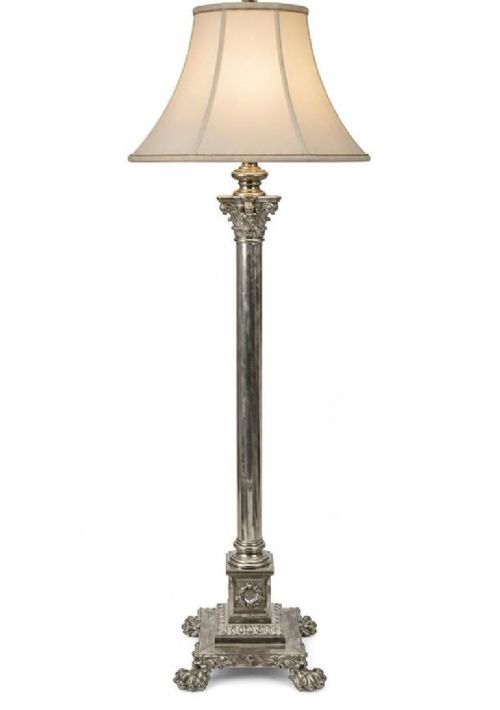
A classical column standard lamp takes its design cues from ancient architectural orders, translating stone forms into domestic lighting. When searching for a classical column standard lamp, buyers encounter pieces primarily shaped as floor-standing or standard lamps, alongside occasional table lamps.
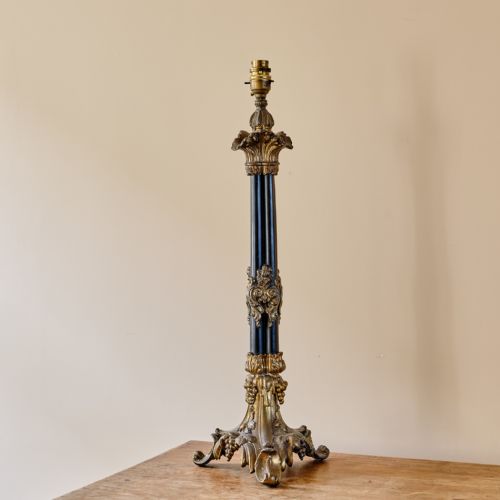
The materials span from gleaming brass and silver plate to carved marble, giltwood, and ebonised wood. These items emerge from various periods, including the Victorian era, the Edwardian years, and the 1920s.
Neoclassical Revival and classical revival styles dominate the selection, often incorporating Corinthian capitals atop fluted shafts. Most pieces met on this page rely on the stately dignity of classical proportions to anchor an interior space.
Materials and construction methods
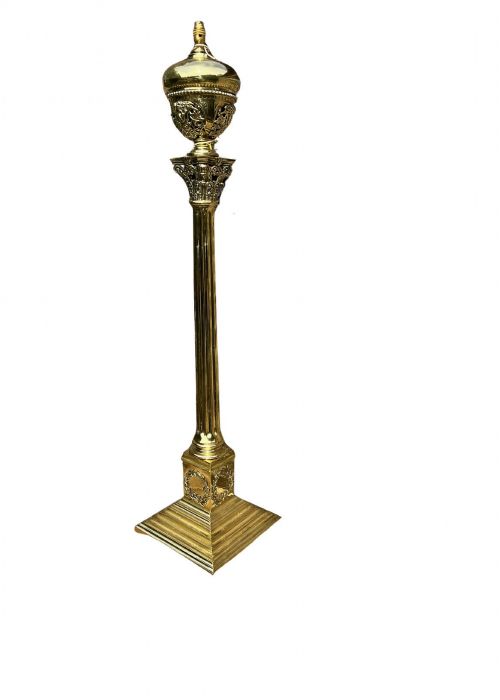
Makers utilised cast and turned brass, frequently employing telescopic mechanisms to allow adjustable height. These metal shafts sit upon heavy weighted bases to support the considerable heft of the column and fabric shade.
Alternative materials include carved marble, gilt bronze, and ebonised wood, sometimes accented with giltwood details. Workshops paired these substantial substances with fabric elements to complete the lighting fixture.
Some telescopic brass columns spent a century adjusting height for readers who kept moving their armchairs.
Judging the quality of standards
Quality rests in the crispness of the casting on the capital and the structural integrity of the column. Finely rendered acanthus leaves on a Corinthian capital show the hand of a skilled maker.
The choice of materials dictates the upper tier of the range, with solid marble bases and heavy gauge brass distinguishing superior examples from lighter iterations. Adjustability mechanisms that operate smoothly add further merit to the construction.
The Classical Column Standard Lamp Glossary
- Corinthian capital
- The ornate top section of a column adorned with carved or cast acanthus leaves. It represents one of the signature motifs found on these lamps.
- Telescopic
- A construction method allowing the central shaft to extend or contract in height. This feature appears on many period examples to adjust light levels.
- Neoclassical Revival
- A design movement drawing inspiration from the classical art and architecture of ancient Greece and Rome. This style defines the visual language of these pieces.
- Gilt bronze
- Metal objects treated with a fine layer of gold or gold-coloured alloy to impart a rich sheen. It provides a decorative surface on select shafts and bases.
- Ebonised wood
- Timber treated to resemble ebony, creating a dark, contrasting finish. This technique appears alongside gilded elements in Victorian pieces.
Classical Column Standard Lamp: Frequently Asked Questions
How do I date a brass standard lamp?
Dating relies on examining the casting techniques, base construction, and wiring methods where original components survive. Victorian and Edwardian examples often display heavier gauge brass and distinct patination compared to later pieces.
Period markers also include the style of the Corinthian capital and whether the shaft incorporates a telescopic adjustment mechanism. Comparing these physical traits to documented eras helps establish the age.
Where should I place a standard lamp?
These lamps suit corners of reception rooms or beside reading chairs where their height can project light effectively. Their architectural presence allows them to function as sculptural elements within a room scheme.
Ensure the heavy base sits on a stable surface and that the height complements neighbouring furniture. Placing a classical column standard lamp near low seating creates a balanced contrast in scale.
Are these lamps adjustable in height?
Many period examples feature a telescopic mechanism that permits the column to rise and lower. This functionality allowed users to alter the lamp for reading or ambient illumination.
Not all pieces share this attribute, as fixed-height columns remain common across different decades. Checking the physical description clarifies whether a specific item moves.
What shades work best with column lamps?
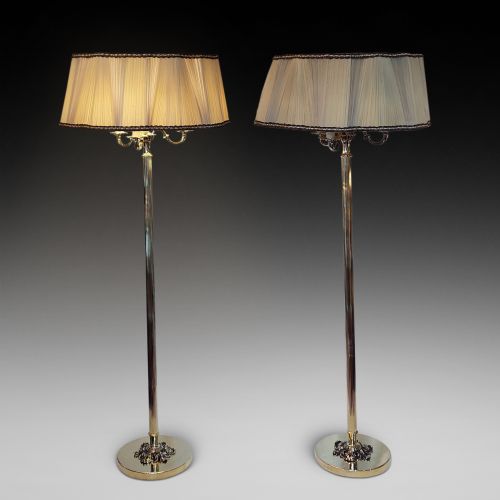
Traditional fabric shades with simple, tailored profiles complement the strict geometry of a classical column. Neutral tones or pleated silks allow the brass or marble shaft to remain the visual focus.
Proportion is key, ensuring the shade diameter matches the substantial footprint of the base. This balance keeps the lighting fixture visually stable.