
Classical Column Reading Lamp
A classical column reading lamp brings architectural order and steady illumination to a room, drawing on ancient architectural forms adapted for domestic light.
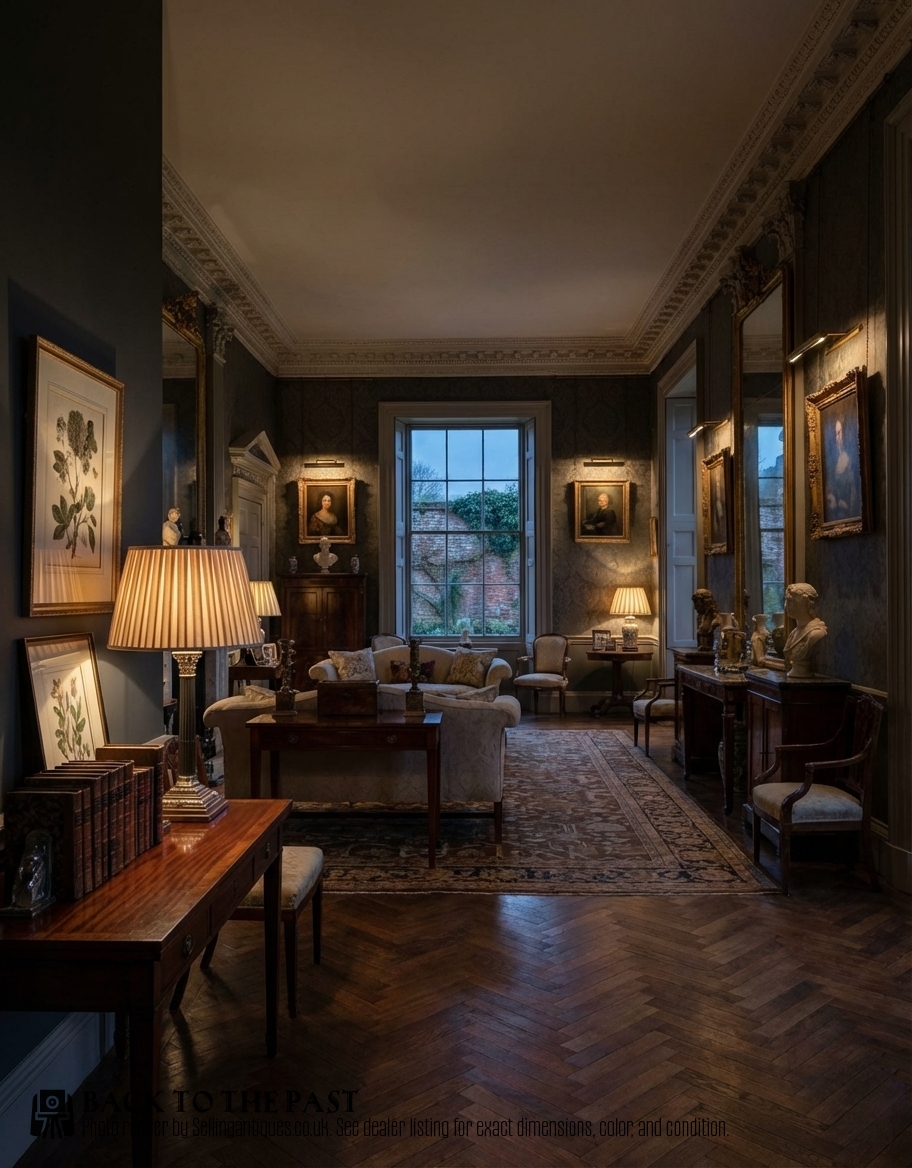
Classical Column Reading Lamp
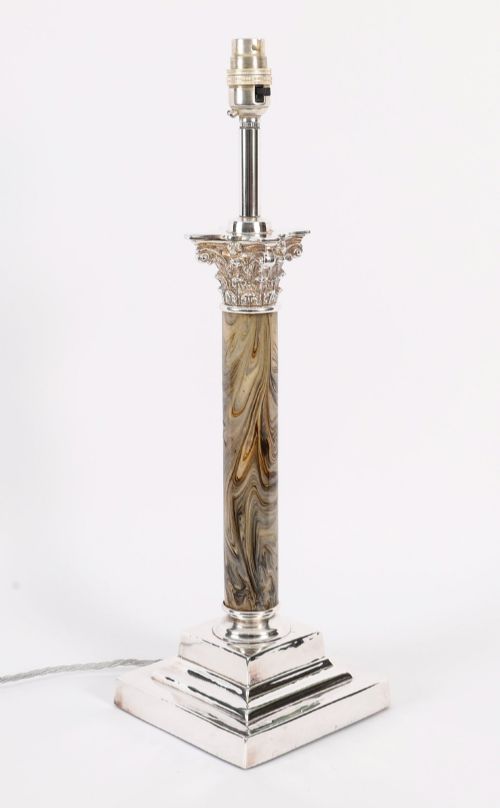
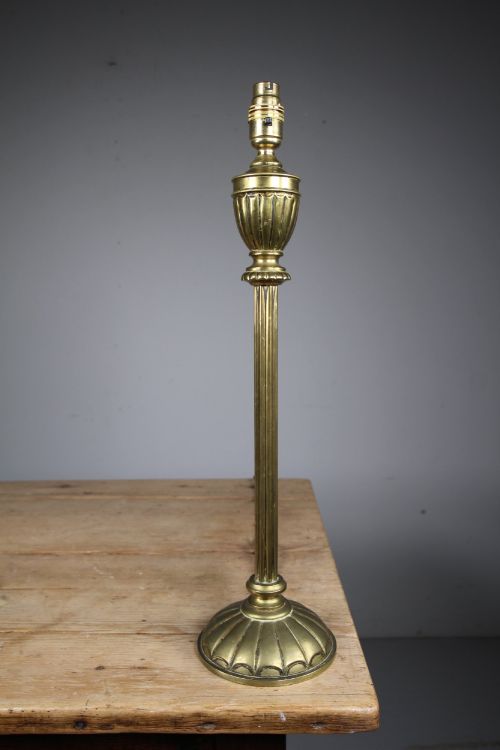
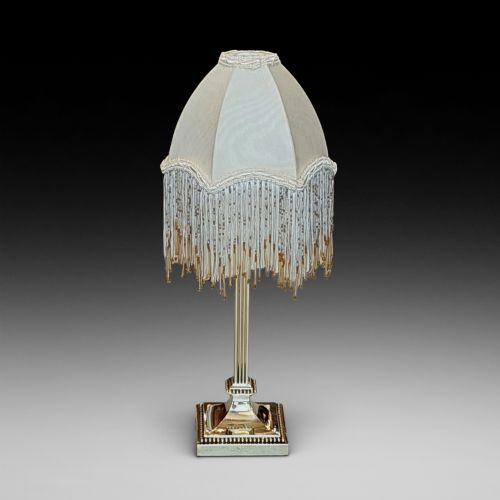
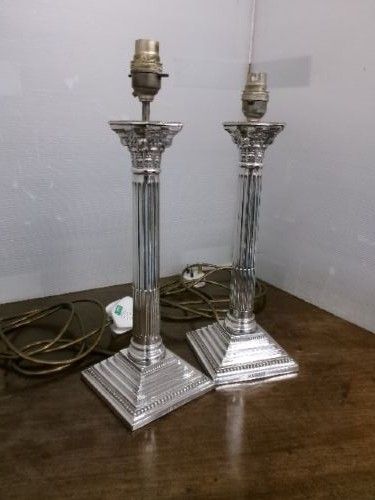
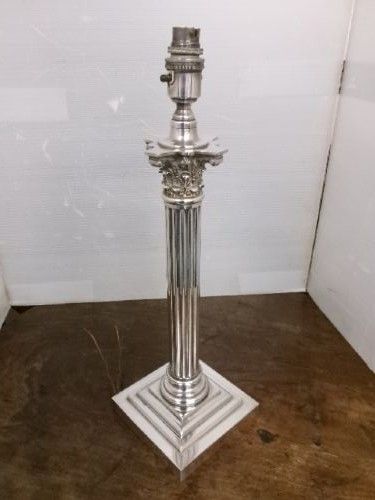
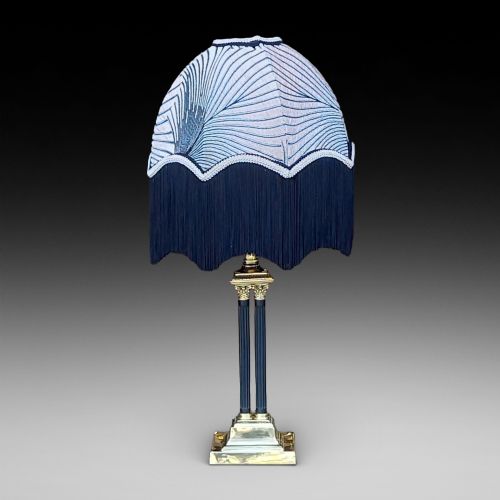
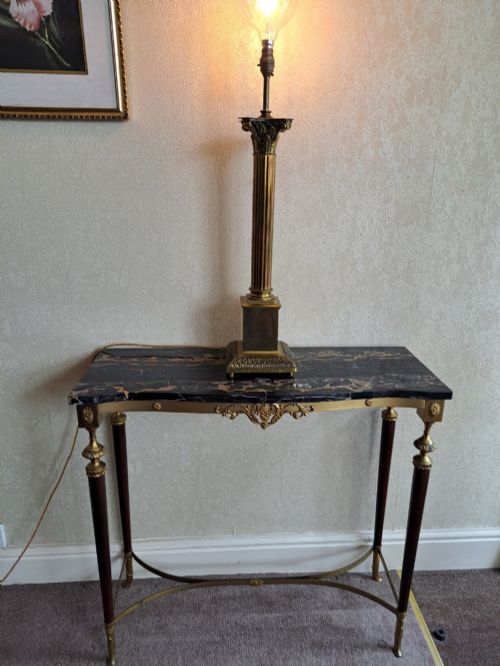
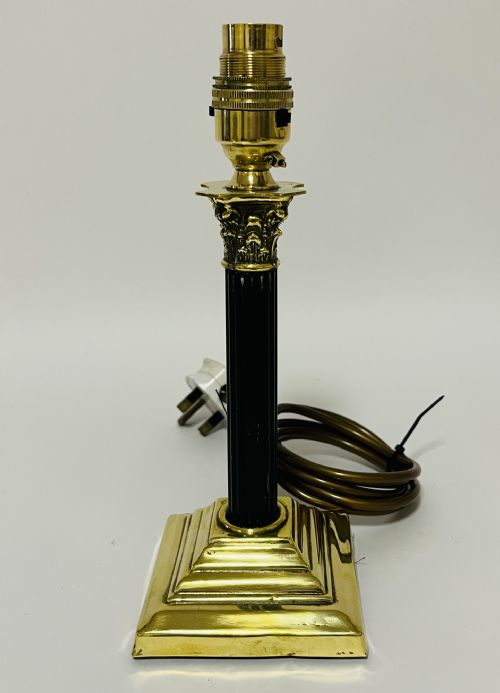
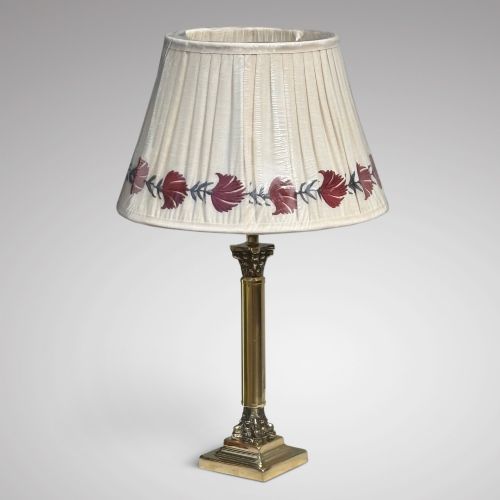
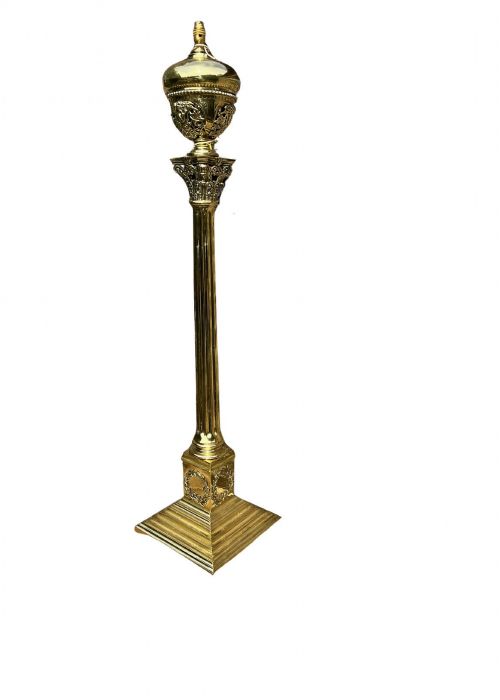
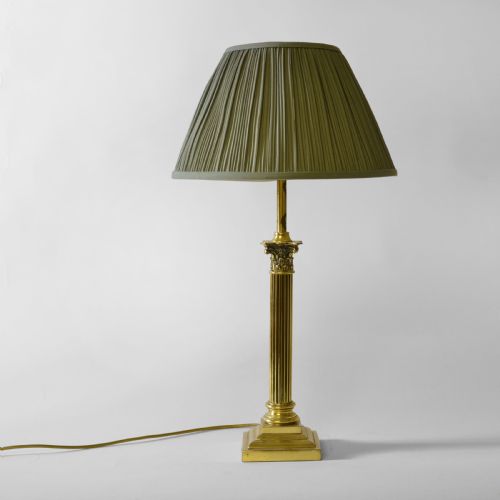
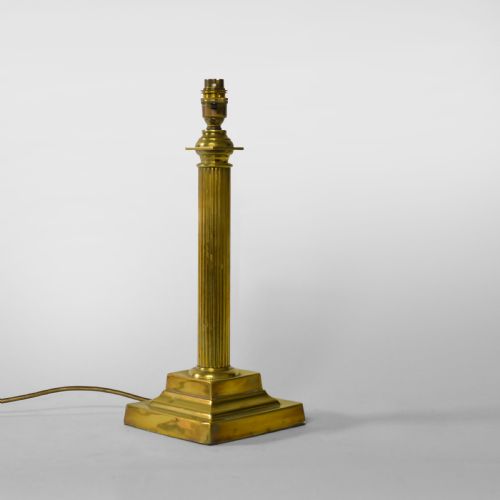
A classical column reading lamp borrows the proportions and capitals of ancient architecture to serve as a domestic light source. These pieces typically take the form of table lamps or standard floor lamps, standing on stepped or square bases beneath slender shafts.
The versions most commonly found here originate from the nineteenth and early twentieth centuries, spanning the Victorian and Edwardian eras. Makers of these periods drew heavily on Neoclassical and French Empire styles to supply formal interiors with upright, dignified lighting.
Examples often adopt specific classical orders such as Corinthian, Ionic, or Doric for their column capitals. This adherence to historical design gives the lamps a formal gravity that suits traditional libraries, drawing rooms, and studies.
How they were made
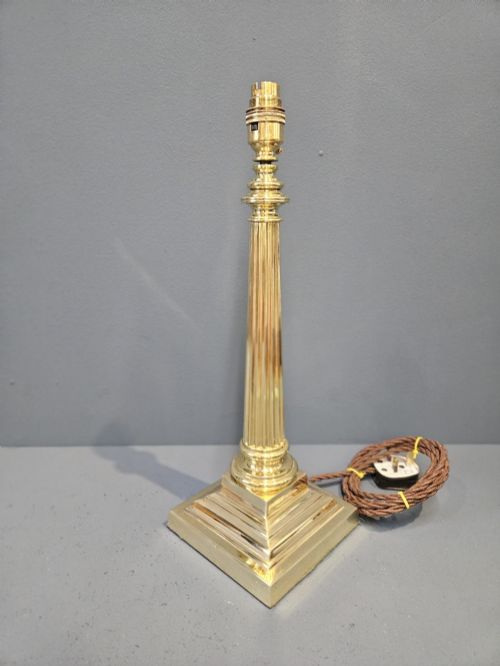
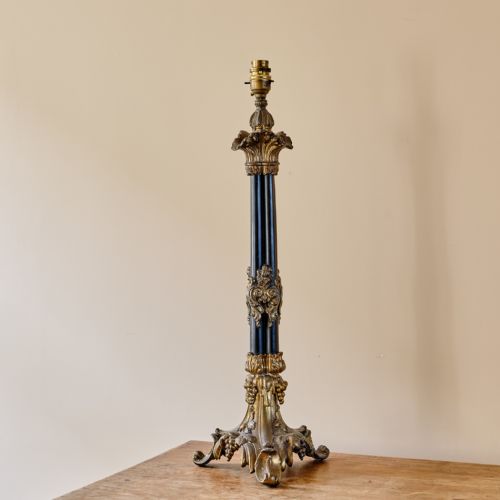
Metalwork dominates the construction of these lamps, with cast brass, bronze, silver plate, and ormolu forming the primary structural elements. Foundries shaped these metals into fluted or reeded columns, mounting them upon weighted bases for stability.
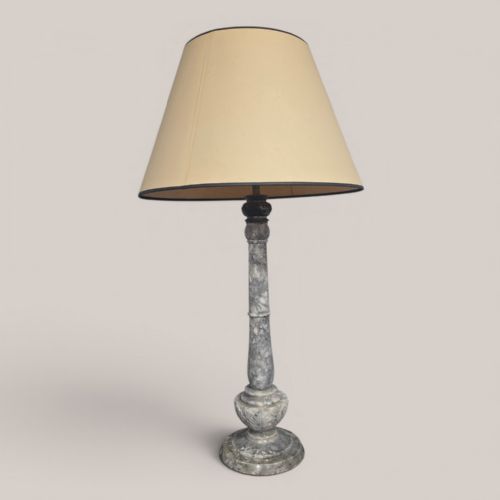
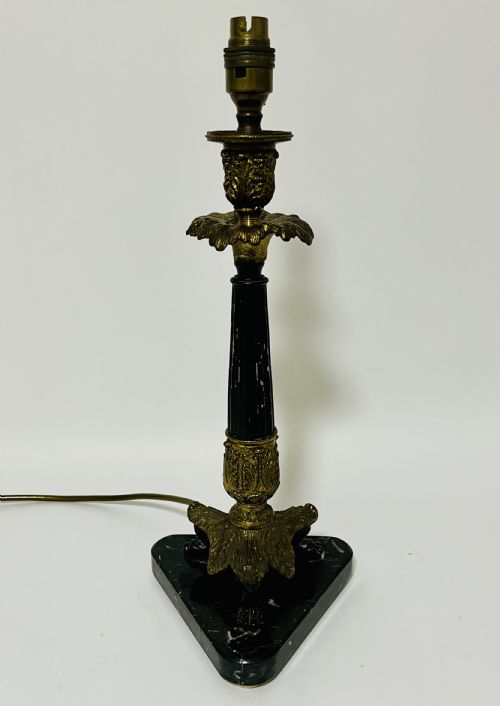
Selected pieces incorporate contrasting materials such as marble or cut glass reservoirs to add weight and visual texture. Fabric shades in silk or standard materials complete the construction, diffusing light across the metallic surfaces.
Several Victorian columns secretly house cut glass reservoirs, reminding us they started life burning oil before welcoming the wire.
What varies in quality
The crispness of the casting on the capital and base determines much of the visual success of a piece. Finer examples display deeply undercut acanthus leaves on Corinthian capitals and sharp fluting along the shaft, whereas simpler pieces show softer, shallower detail.
Proportion and scale also separate standard production from superior work. Well-balanced shafts paired with heavy, substantial bases create a convincing architectural presence, while lesser items can feel top-heavy or compressed.
The Classical Column Reading Lamp Glossary
- Corinthian capital
- The uppermost decorative member of a column, carved with ornate acanthus leaves and scrolls. This order appears most frequently on the brass and silver-plated lamps in this selection.
- Ormolu
- Gilt bronze created by applying a finely ground high-carat gold mercury amalgam to a bronze object. It provides a rich, warm metallic lustre on French Empire pieces.
- Reeded column
- A shaft decorated with parallel, convex rounded mouldings running vertically along its length. This treatment adds texture and mimics classical stone carving in metal.
- Standard lamp
- A tall floor-standing lamp designed to illuminate a room from a corner or beside seating. These share the same architectural column vocabulary as their smaller table-top counterparts.
Classical Column Reading Lamp: Frequently Asked Questions
Where should I place a column reading lamp?
These lamps suit study desks, side tables, or reading corners where their vertical height directs light downward effectively.
Their formal architectural presence works best alongside traditional furniture styles like Neoclassical or Victorian interiors.
How do I identify the period of a brass lamp?
Look closely at the construction methods, base weights, and switches, as nineteenth-century pieces often show hand-finished casting marks.
Stylistic cues such as heavy silver plating or specific revival motifs also help narrow down the manufacturing decade.
Are these lamps suitable for modern interiors?
The clean vertical lines of a classical column fit neatly into contemporary spaces that mix historical objects with modern furnishings.
Their metallic finishes provide a reflective accent that bridges traditional and transitional decorative schemes.
What is the difference between standard and table lamps here?
Standard lamps stand directly on the floor as tall architectural elements, while table lamps are scaled for placement on desks or chests.
Both formats employ identical classical column vocabularies and capital designs.