


Classical Christian Wall Art
Classical christian wall art brings centuries of devotion into a room, offering devotional oils and plaques rooted in Renaissance traditions.
Classical Christian Wall Art
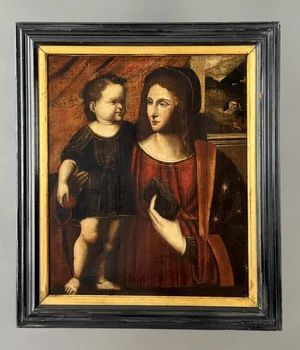
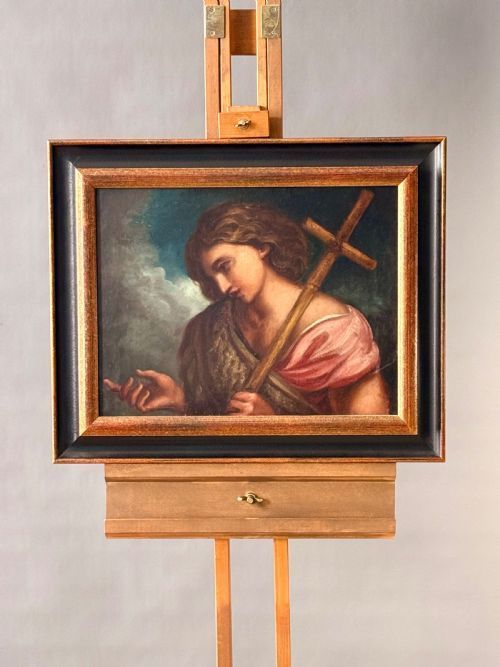
Classical christian wall art comprises oil paintings on canvas or panel and bronze plaques depicting sacred figures and biblical scenes. These works range from sixteenth-century compositions to nineteenth-century interpretations of earlier masters.
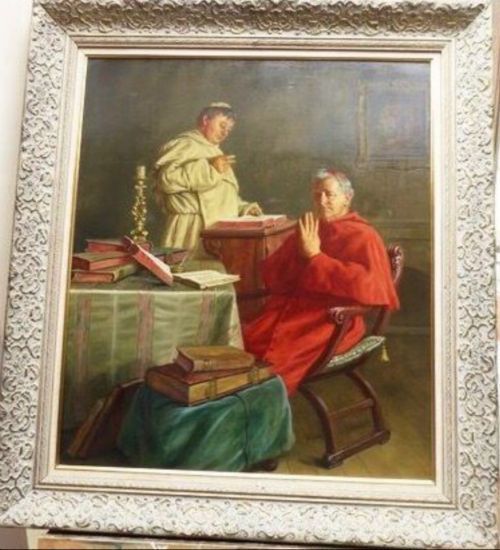
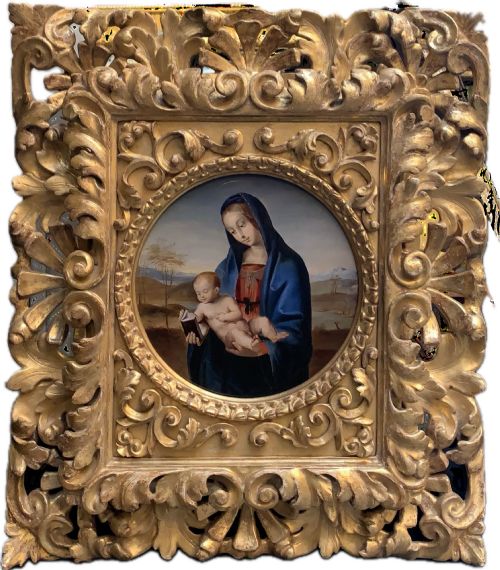
Buyers meet sixteenth-century school pieces alongside eighteenth-century works and nineteenth-century academic paintings. Many examples adapt celebrated compositions by Raphael, Correggio, and Murillo for domestic contemplation.
Formats span framed oil paintings and metal wall sculptures designed for devotional display. The subjects focus on the Virgin and Child, saints, and pivotal biblical narratives.
Materials and methods
Painters applied oil paint to stretched canvas or wooden panels, often building up glazes to achieve depth in figures and drapery. Gilded wood frames provide traditional housing for these canvases.
Metal plaques involve cast bronze, shaped and detailed to render narrative relief scenes with distinct spatial depth. The construction relies on traditional foundry and joinery methods appropriate to each period.
Subsequent copies and interpretations utilise period pigments and grounds that reflect the workshop practices of their respective centuries.
Renaissance Revival and eighteenth-century classical styles dominate the pictorial compositions on this page.
Judging quality
Quality rests upon the sensitivity of the brushwork and the structural integrity of the canvas or panel. Superior pieces capture anatomical proportion and emotional resonance with greater fidelity to their historical sources.
The sophistication of the carved or gilded frame contributes significantly to the overall presence of a painting. Frames executed with refined hand-carving elevate the visual weight of the artwork.
Condition of the pigment layer and the stability of the support dictate the enduring integrity of each piece. Works retaining undisturbed original surfaces demonstrate superior preservation.
Ernst Stierhof·Christian Lindner·Gian Federigo Bonzagna
The Classical Christian Wall Art Glossary
- Oil on canvas
- Pigment bound in drying oil applied to a woven fabric support. This combination allows for subtle blending of tones and luminous colour.
- Giltwood
- Wood carved and covered with a thin layer of gold leaf or metal powder. It provides a reflective, ornate border for traditional paintings.
- Old Master
- A European artist of high skill working before the nineteenth century. These paintings set the stylistic benchmarks for later academic copies.
- Panel painting
- Artwork executed on a flat piece of wood rather than fabric. Panels offer a rigid ground that preserves fine detail over centuries.
Classical Christian Wall Art: Frequently Asked Questions
What periods do these pieces span?
The works span from the sixteenth century through the Edwardian era, encompassing seventeenth-century regional schools and eighteenth-century classical revivals.
Nineteenth-century academic copies of Renaissance compositions also form a substantial part of the available selection.
How were these paintings displayed originally?
Religious paintings served as focal points for private prayer in domestic chapels or domestic rooms. Wealthy patrons commissioned them to display personal piety and cultural erudition.
Their substantial gilded frames were intended to project status while elevating the sacred subject matter within an interior.
How do I care for an antique oil painting?
Keep paintings away from direct sunlight and steady extremes of household humidity. Stable environmental conditions prevent the canvas from slackening and protect the oil glazes from degradation.
Dust the surface gently with a soft, dry brush without applying pressure to the pigment or the frame.
What does after an artist mean?
Attributions noting that a work is after a specific master indicate that the painter copied or adapted a famous composition. This practice was central to academic training and devotional replication.
These works demonstrate the enduring influence of Renaissance masters upon later generations of painters.