



Classical Child Portrait
When you search for a classical child portrait, you encounter centuries of fine art and sculpture depicting youth through academic and traditional lenses.
Classical Child Portrait
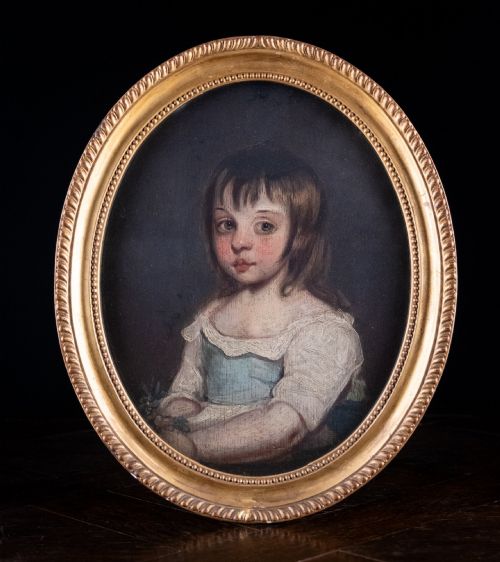
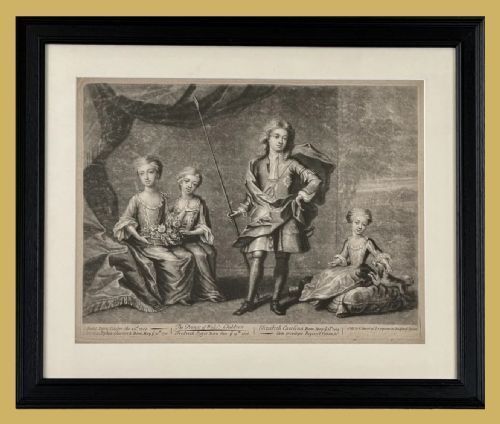
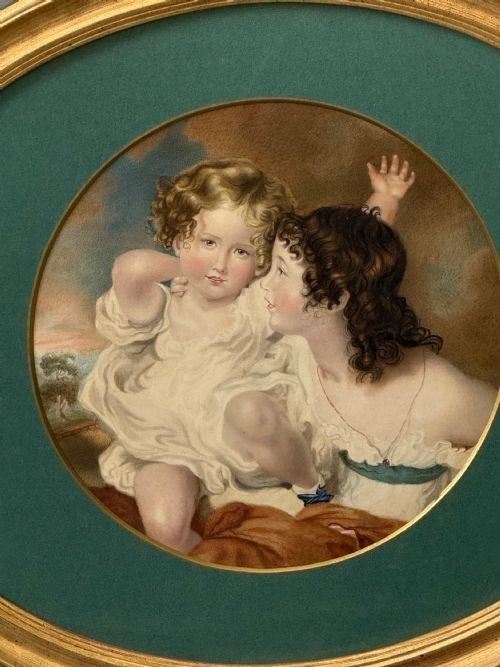
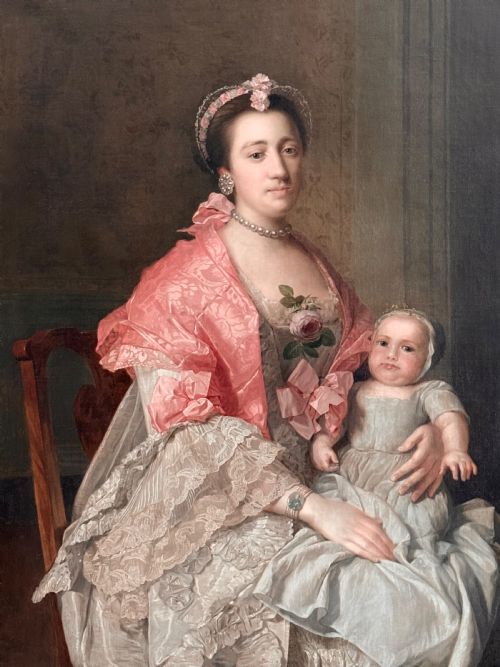
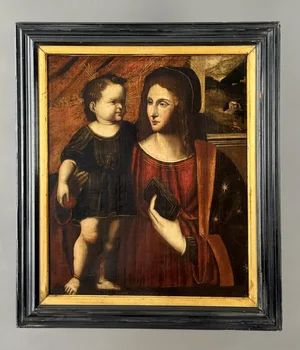
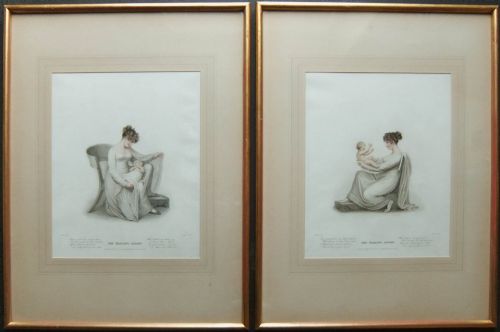
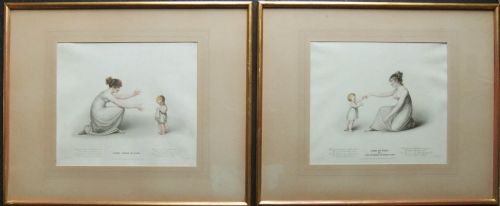
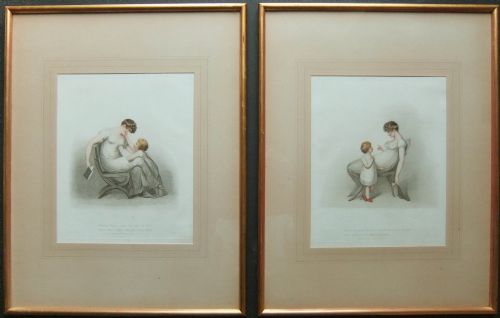
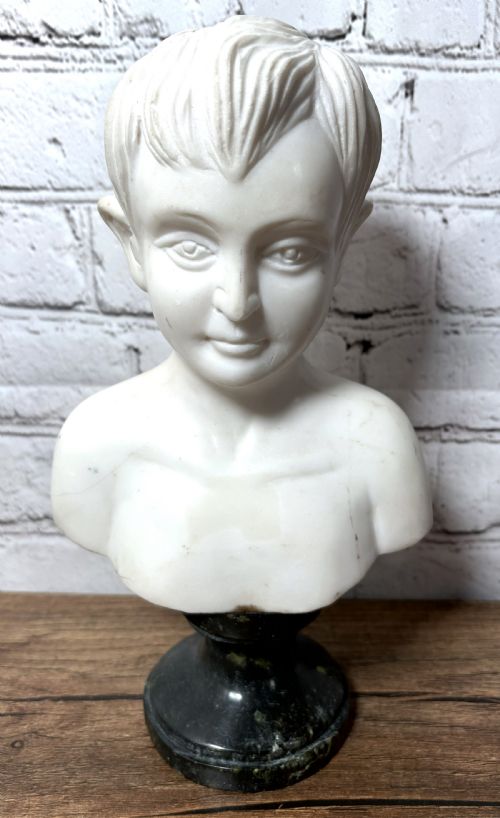
A classical child portrait captures youthful subjects within traditional artistic frameworks, spanning oil paintings, watercolours, engravings, and marble busts. These works frequently channel historical styles such as the Renaissance, Baroque, and Neoclassical periods, often drawing inspiration from established masters.
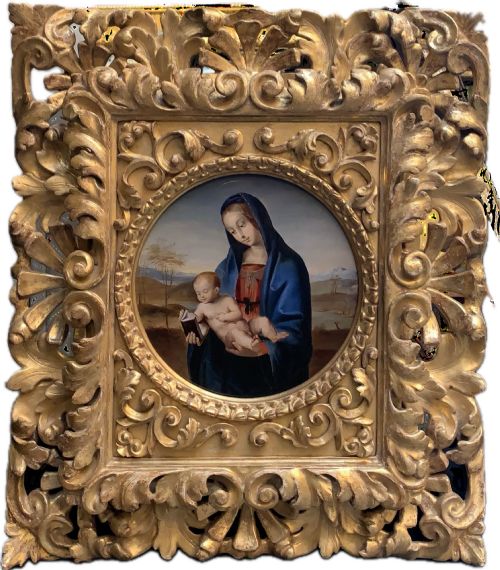
The selection on this page ranges from 16th-century religious depictions of the Madonna and child to 19th-century Victorian oil paintings and portrait studies of young boys and girls. Buyers encounter both original period pieces and later artistic interpretations executed in various media.
Subjects include individual children with pets, family groups, and cherubic figures derived from Italian and English schools. The physical formats vary from large canvases in giltwood frames to smaller engravings, terracotta figures, and carved alabaster.
How They Were Made
Painters utilised oil on canvas or paper, applying pigments to build layered compositions with rich tonal depth, while printmakers employed mezzotint and engraving techniques to reproduce famous works. Sculptors carved Italian Carrara marble, alabaster, and shaped terracotta into three-dimensional busts and statues.
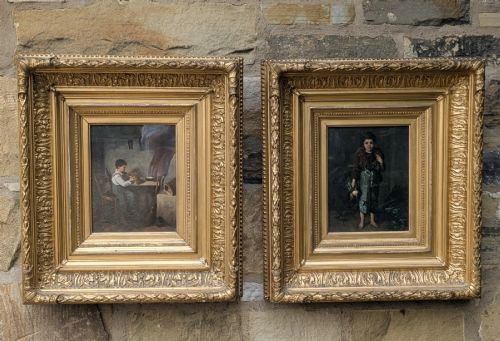
Frames play a structural and aesthetic role, often constructed from wood and finished with gold leaf or gilt wood to complement the painted or sculpted artwork.
Several children share the canvas with faithful dogs and pet birds, maintaining their composure despite unruly feathered companions.
What Varies In Quality
The distinction between works rests upon the fidelity of the execution, the handling of light and proportion in the subject's face, and whether a piece is an original period observation or a later studio production. Hand-carved marble and oil on canvas represent higher tiers of artistic labour compared to mass-produced oleographs or prints.
The preservation of the canvas, the integrity of the original giltwood frame, and the subtlety of the painter's brushwork or the sculptor's chisel marks determine the standing of an individual piece.
Georges de La Tour·Sir Thomas Lawrence·Sir Allan Ramsay·Bernardino Luini·Adam Buck·Sir Joshua Reynolds·Raphael·Antonio Merente·Domenico Zampieri·Christian Lindner·Antonio Rossellino·Franz Xaver Winterhalter·Bartolomé Murillo·Johann Kerseboom·Emile Vernon
The Classical Child Portrait Glossary
- Mezzotint
- A printmaking process of the intaglio family where the plate is roughened to achieve tones of grey and black. It allows for smooth gradations in portraiture.
- Oleograph
- A mechanical colour lithograph designed to imitate an oil painting on canvas. These appeared widely in the 19th century.
- Giltwood
- Wood that has been treated with gold leaf or gold paint for decorative effect. It frames many traditional paintings.
- Terracotta
- Fired clay used for sculptural works and busts. It offers a warm, reddish-brown earthenware finish.
- Neoclassical
- A Western cultural movement drawing inspiration from the art and culture of classical antiquity. It values proportion and restraint.
Classical Child Portrait: Frequently Asked Questions
What periods do these portraits cover?
The works span multiple centuries, originating from the 16th century through to the mid-20th century. Examples include Renaissance interpretations, 18th-century English school oils, and Victorian academic pieces.
Buyers also find early 20th-century marble and terracotta sculptures reflecting earlier classical motifs.
Are these works original or reproductions?
The inventory contains a mixture of original period paintings, historical engravings, and traditional studio copies or printed reproductions after established masters.
Listings specify whether a work is an original painting, a period engraving, an oleograph, or a later sculptural study.
How should I display a gilt-framed oil painting?
Oil paintings on canvas and wood require placement away from direct sunlight and excessive humidity to protect the paint layers and the underlying support.
Gilt wood frames benefit from gentle dusting with a soft, dry brush to preserve the gold leaf finish.