





Classical Ceramic Art
Classical ceramic art brings mythology and antiquity into domestic spaces through figures, plaques, and busts.
Classical Ceramic Art
Classical ceramic art includes figures, busts, plaques, and decorative tiles that draw upon ancient mythology and classical forms. Buyers seeking these pieces encounter works spanning the nineteenth and early twentieth centuries, interpreted through Victorian, Art Nouveau, and Art Deco movements.
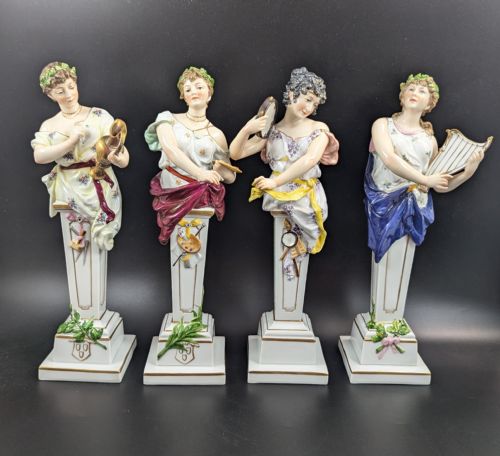
The most common representations on this page are porcelain figures and earthenware sculptures produced by major European factories and potteries. These items often depict maidens, classical Roman figures, or mythological scenes rendered in porcelain, parian, and terracotta.
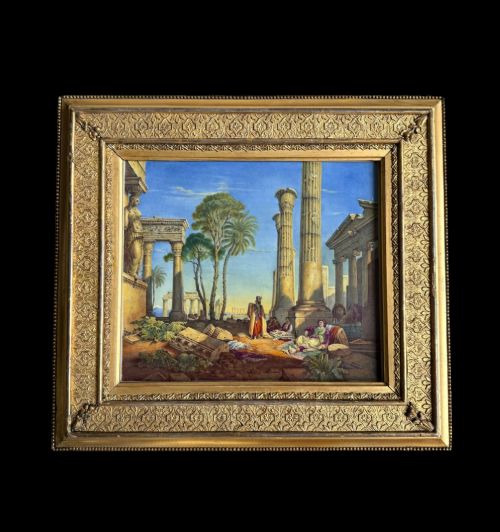
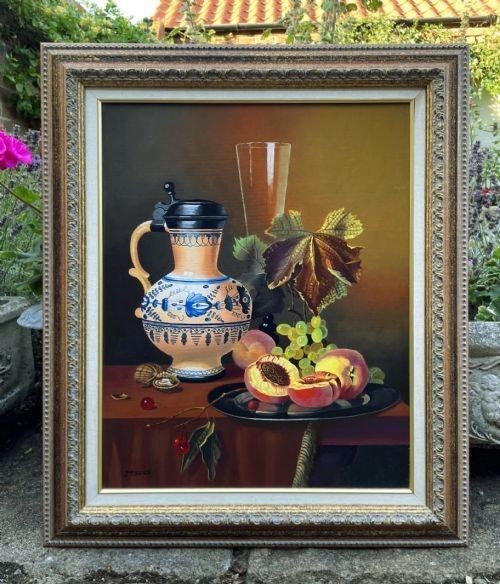
Vessels and wall art also appear, ranging from painted porcelain chargers to framed tiles and oil paintings featuring classical ceramics. Each piece reflects the enduring nineteenth-century fascination with antiquity, reinterpreted through contemporary decorative styles.
Materials and methods of production
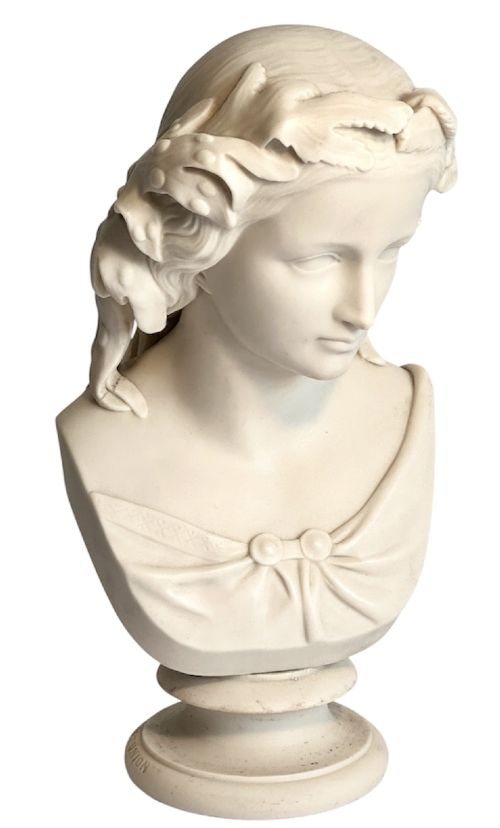
Makers utilised fine porcelain, parian ware, terracotta, and earthenware to achieve distinct surface finishes and sculptural detail. Parian porcelain provided a matte, marble-like texture ideal for neoclassical busts, whilst glazed earthenware allowed for polychrome decoration on larger figures.
Moulding and casting techniques enabled the replication of intricate drapery, facial expressions, and classical motifs across production runs. Artisans frequently combined slip-casting with hand-finishing, applying enamel colours and gilding to enhance specific elements of the design.
Classical Ceramic Art Retail Price Guide 2026
Typical asking prices for classical ceramic art among the pieces listed under this phrase on Sellingantiques today, from the lower quarter to the upper quarter. They describe what is for sale here now, not the wider market.
The selection includes both British works from factories like Sherwin and Cotton and Continental European figures.
Distinctions in quality and execution
The reputation of the pottery or the specific sculptor significantly influences the standing of a piece within the range. Works attributed to named designers or major Continental factories demonstrate a higher standard of anatomical proportion and material refinement.
Royal Dux·Goldscheider·Sherwin and Cotton·Achille Mollica·Eichwald
The Classical Ceramic Art Glossary
- Parian Porcelain
- A fine, unglazed biscuit porcelain developed in the nineteenth century to imitate white marble. It is particularly valued for neoclassical busts and figures.
- Terracotta
- A porous, fired clay body ranging in colour from red to buff. It is utilised for larger sculptural figures and plaques.
- Charger
- A large decorative plate or dish, often intended for display on a wall or sideboard rather than for dining. Vienna factories produced notable examples painted with mythological scenes.
- Earthenware
- A permeable ceramic body fired at lower temperatures than porcelain. It requires a glaze to become waterproof and supports rich polychrome decoration.
Classical Ceramic Art: Frequently Asked Questions
What defines classical ceramic art?
It encompasses nineteenth and early twentieth-century sculptures, busts, and plaques drawing directly on ancient Greek, Roman, and mythological themes.
These pieces translate classical aesthetics into domestic decorative objects using materials like porcelain, parian, and terracotta.
How do I identify a parian piece?
Parian porcelain is characterised by its unglazed, matte surface that closely resembles carved white marble.
Developed in the nineteenth century, it was frequently chosen for portrait busts and classical figures to impart a neoclassical dignity.
Where were these figures displayed?
In period interiors, large figures and busts stood on pedestals, mantelpieces, or dedicated wall brackets within principal reception rooms.
Smaller plaques and tiles were framed or integrated directly into wall panelling and fireplace surrounds.
How do Art Nouveau pieces differ?
Art Nouveau examples incorporate flowing, organic lines and stylised natural motifs whilst retaining classical subject matter.
Figures from this period often feature windswept drapery and asymmetrical compositions distinct from strict Victorian neoclassical symmetry.