


Classical Carved Wood Sculpture
Classical carved wood sculpture brings antiquity and mythology into a room through the skill of historical carvers.
Classical Carved Wood Sculpture
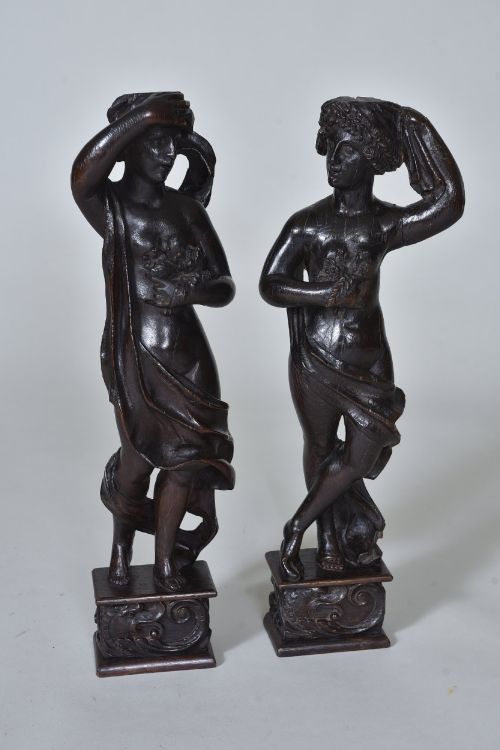
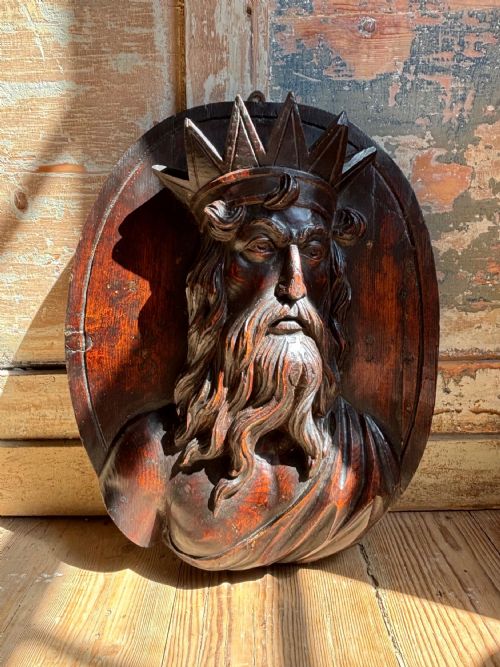
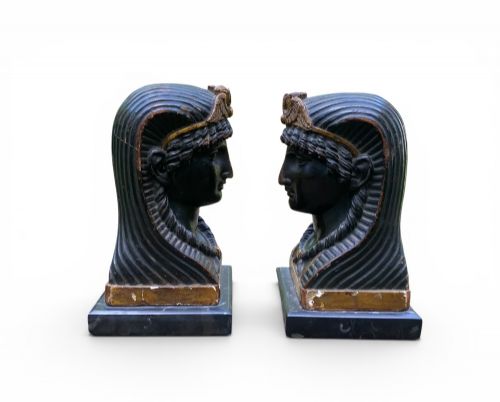
A classical carved wood sculpture represents figures, busts, plaques and architectural elements drawn from historical antiquity and mythological subjects. These pieces embody styles ranging from neoclassical and baroque to Renaissance revival, translating classical marble forms into timber.
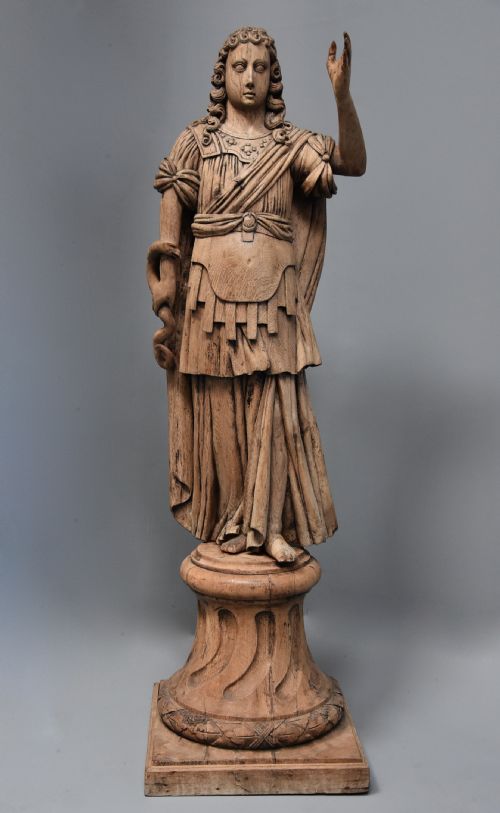
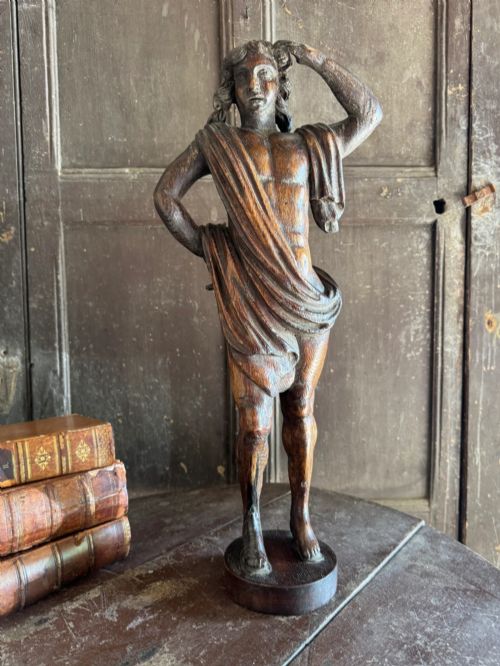
The selections encountered here span multiple centuries, originating predominantly from the eighteenth and nineteenth periods alongside occasional twentieth-century works. Buyers frequently encounter oak figures, limewood deities, mahogany columns and walnut wall panels reflecting grand tour influences.
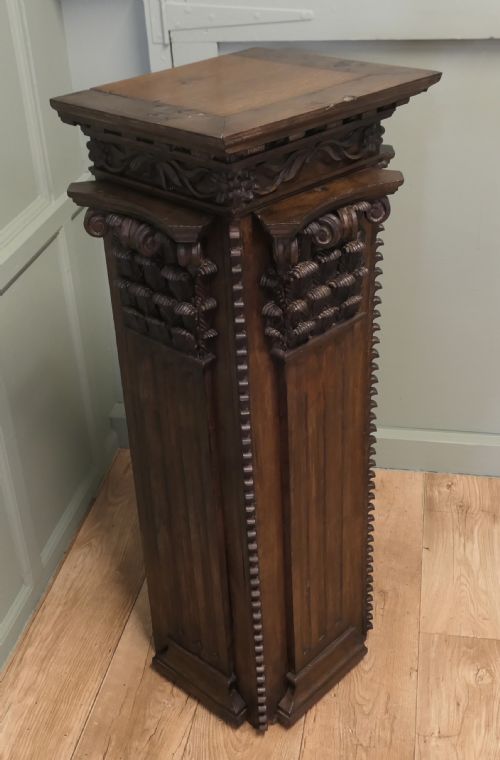
Forms vary widely from life-size Continental figures and wall plaques depicting Neptune to pedestals, torchieres and figural candlesticks. Each object serves either as a freestanding centrepiece or an integrated decorative element within a traditional interior.
Materials and carving techniques
Carvers utilised dense timbers such as oak, mahogany, walnut and limewood, selecting specific woods for their grain structure and ability to hold fine detail. Limewood offered particular advantages for intricate figurative work due to its soft, even texture.
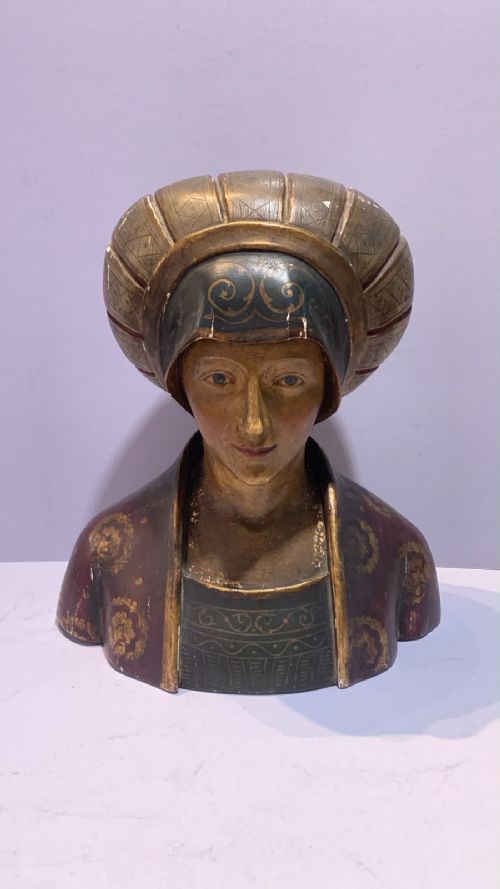
Surface treatments included polychrome paint, ebonisation and grain painting to enhance the visual depth of the carved motifs. Artisans employed hand chisels and gouges to shape drapery, facial expressions and muscular definition from solid blocks of wood.
Listings feature oak, mahogany, walnut, limewood and birch across the eighteenth and nineteenth centuries.
Markers of sculptural quality
Execution of anatomy, drapery movement and facial expression separates accomplished carving from simpler workshop production. Superior pieces capture lifelike tension and proportion in figures such as noblewomen, lions and deities.
Depth of relief and the sharpness of undercut details reveal the artisan's command over the material. Preservation of the original timber surface and polychrome pigment also dictates the desirability of a piece.
Thomas Hope·Hans Müller
The Classical Carved Wood Sculpture Glossary
- Neoclassical
- A style reviving the design elements of ancient Greece and Rome. This aesthetic prioritises balance, proportion and classical motifs.
- Grand Tour
- A cultural journey undertaken by wealthy young Europeans to study classical antiquities. Figures brought back from these travels often served as models for domestic art.
- Polychrome
- Decorated in multiple colours. This technique brings painted realism to carved wooden statues and reliefs.
- Limewood
- A fine-grained timber favoured by historical carvers. Its uniform density allows for exceptionally crisp detail.
- Pedestal
- An architectural support or base for a sculpture or bust. These structures elevate figurative works within a room.
Classical Carved Wood Sculpture: Frequently Asked Questions
Where should I place a large wooden figure?
Large figures and life-size carvings suit prominent display areas such as hallways, living rooms or dedicated galleries where adequate space allows proper appreciation of the form.
Pairing sculptures with matching pedestals or column displays provides stable elevation and frames the piece against a wall or in a corner.
How do I identify a Grand Tour piece?
Grand Tour pieces typically replicate famous classical monuments, lions or mythological figures encountered by travellers in Italy during the eighteenth and nineteenth centuries.
These works often employ smooth finishes and precise proportions intended to evoke direct contact with ancient Mediterranean sculpture.
How do I care for antique carved timber?
Maintain stable indoor humidity levels away from direct heat sources to prevent the timber from splitting or warping over time.
Dust the intricate recesses gently with a soft brush and avoid applying modern polishes that can build up on polychrome or bare wood surfaces.