

Classical Carved Frame
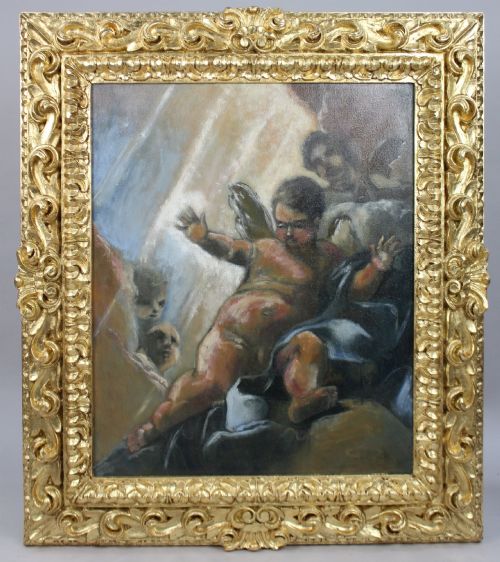
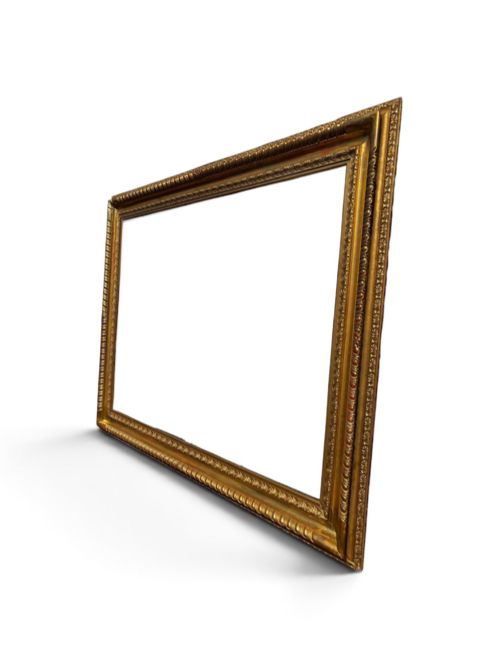
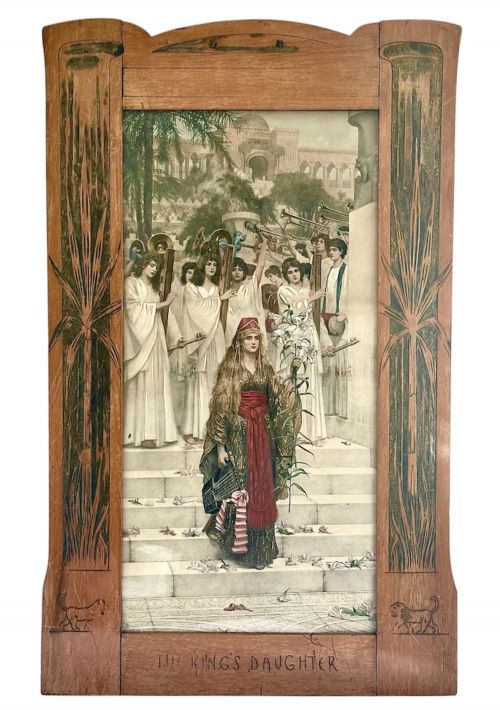
A classical carved frame brings together centuries of skilled handiwork, offering substantial giltwood and gesso surrounds that elevate paintings and mirrors alike.
Classical Carved Frame
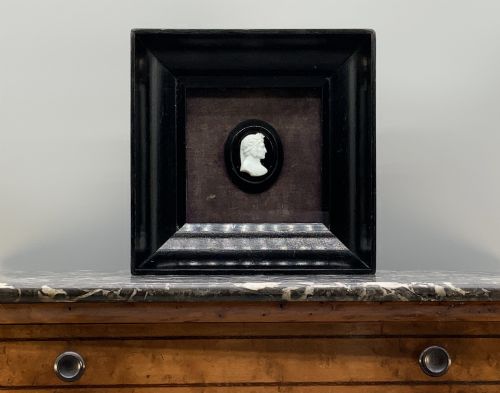
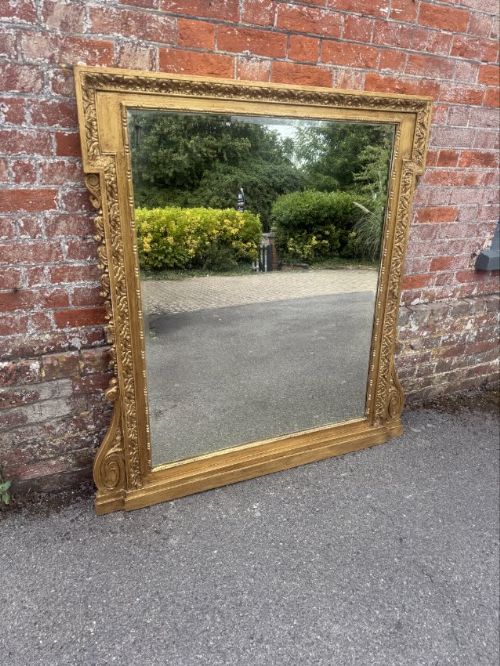
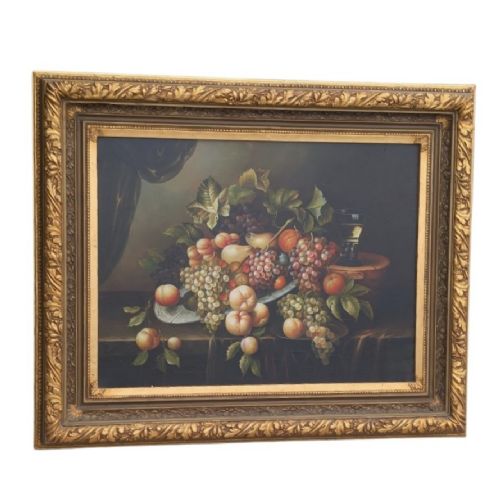
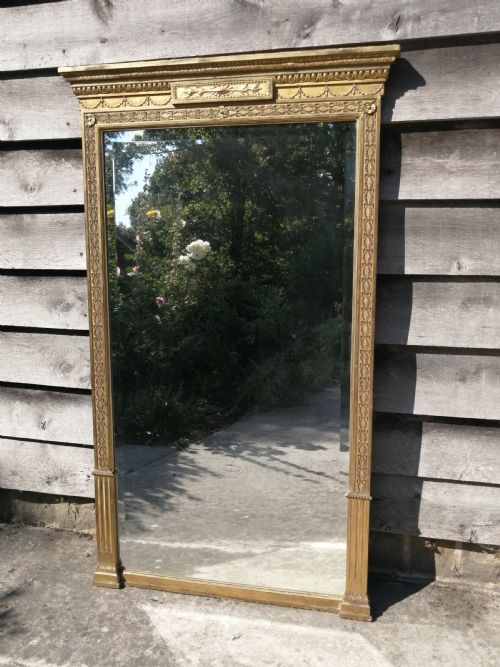
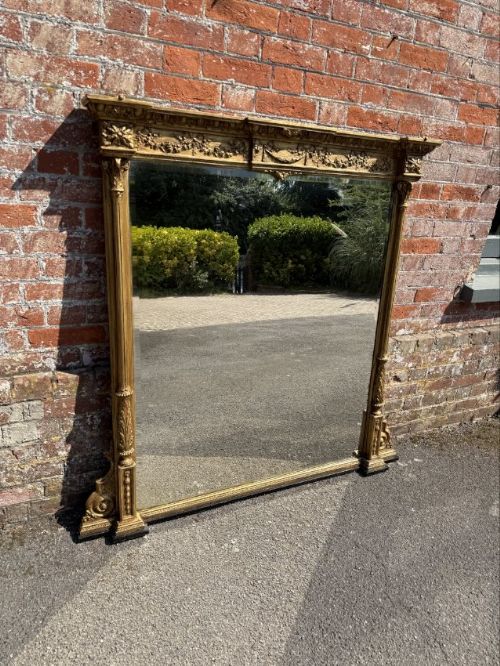
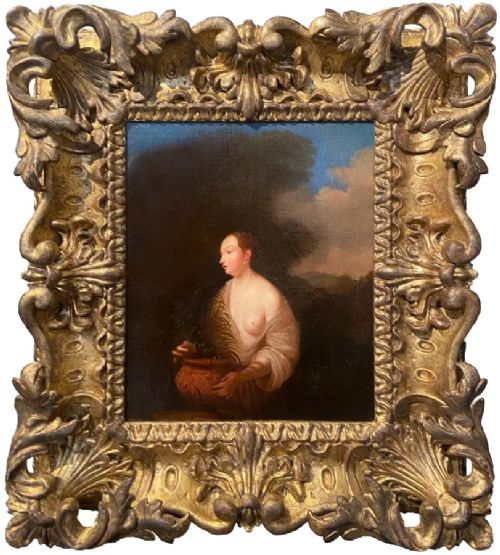
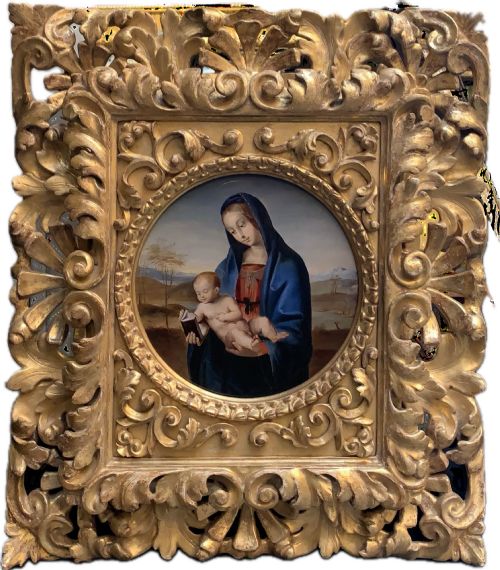
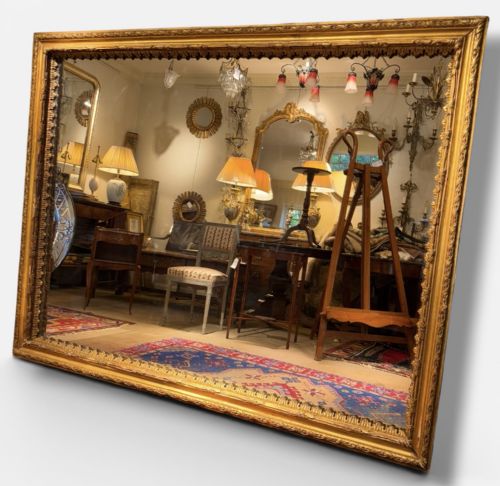
A classical carved frame encompasses a variety of antique surrounds designed to house mirrors, oil paintings, and portraits from different historical periods. When searching for a classical carved frame, buyers frequently encounter ornate overmantel mirrors and wall mirrors finished in gold leaf or giltwood.
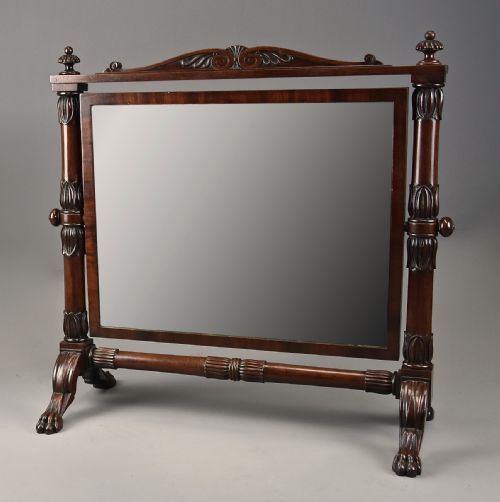
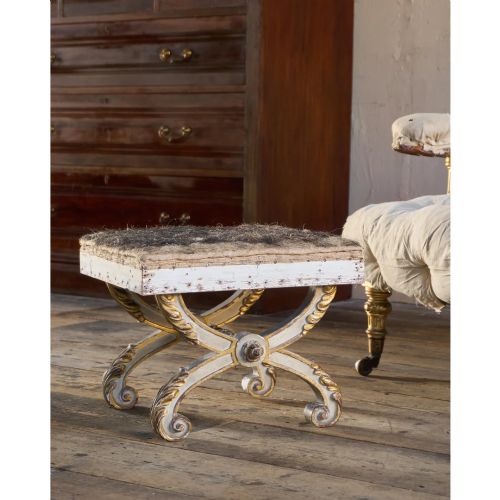
The selections span the Georgian, Regency, and Victorian eras, alongside French Napoleon and Italian Renaissance styles. These pieces range from substantial pier mirrors to decorative trumeau panels and seating with carved wooden framework.
Originating from English, French, and Italian workshops, these items reflect enduring aesthetic traditions rooted in neoclassical and baroque design. Each piece serves both a functional purpose and a decorative role within an interior space.
How They Were Made
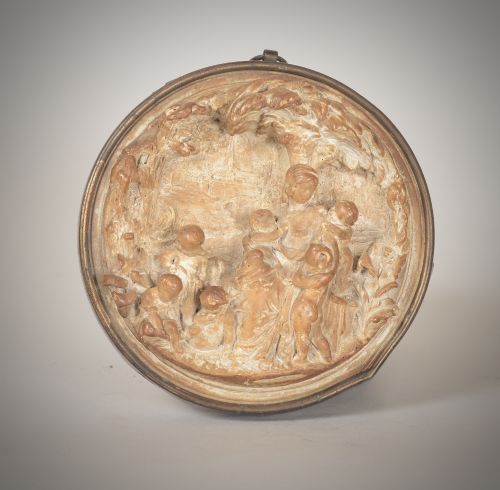
Craftsmen built the core structure using timber such as mahogany, deal, or other native woods, shaping the profile before applying surface treatments. Giltwood pieces received layers of gesso to build up intricate relief details prior to gilding.
Makers applied thin sheets of gold leaf over bolus to achieve a luminous metallic finish that catches the light. Hand-carved motifs, including floral arrangements, mythological elements, and columns, were meticulously worked directly into the wood or gesso layer.
Listings feature items spanning the 18th century through to the early 20th century, utilising materials such as giltwood, gesso, glass, and brass.
What Varies in Quality
The depth and crispness of the hand-carved ornamentation separate standard items from finer examples. Superior pieces exhibit precise detailing in motifs like acanthus leaves and classical figures, where the artisan's hand remains clearly legible.
The integrity of the original gilding and gesso ground dictates the overall character of the piece. Surviving surfaces retain their original burnishing and depth, whereas lesser examples show heavy restoration or obscured detail.
Miles & Edwards·P & MA Nicholson·Sir Joshua Reynolds RA·Herbert Gustave Schmaltz·Toussaint Gelton
The Classical Carved Frame Glossary
- Giltwood
- Wood that has been coated with gold leaf or gold paint. This finish defines many formal mirrors and picture surrounds from the eighteenth and nineteenth centuries.
- Gesso
- A plaster-like mixture applied to wood frames to create a smooth surface for carving and gilding. It allows artisans to shape intricate relief ornamentation.
- Trumeau
- A decorative wall mirror or panel featuring a painted or carved scene above the glass. These French pieces frequently incorporate classical motifs.
- Pier Mirror
- A tall mirror designed to hang on the wall between windows. They often feature candle sconces or detailed carved consoles beneath the glass.
- Curule
- An ancient chair shape featuring cross-legs, revived during the Regency and neoclassical periods. These frames appear on stools and window seats.
Classical Carved Frame: Frequently Asked Questions
How do I identify a Regency period frame?
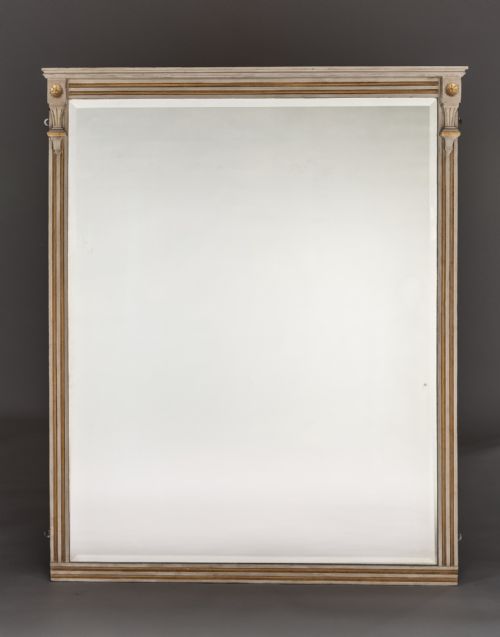
Regency frames typically exhibit bold neoclassical motifs, including reeded columns, ball-stud details, and classical figures. The proportions remain balanced, reflecting the architectural influences of the early nineteenth century.
These pieces often utilise giltwood finishes or simulated rosewood. Examining the construction methods and the quality of the gesso work helps confirm the period.
What is an overmantel mirror used for?
Overmantel mirrors were specifically designed to be hung above a fireplace mantelpiece. Their generous horizontal proportions helped reflect light around period reception rooms.
Over time, these large mirrors became central decorative focal points in English and French drawing rooms. Their classical frames often incorporate columns or ornate crestings to anchor the fireplace wall.
Are these frames made of solid gold?
These frames are constructed from timber or gesso and covered with a very thin layer of gold leaf. This technique provides the appearance of solid gold without excessive structural weight.
Over decades, the underlying red bole may peek through the worn gold leaf, adding depth to the surface. Genuine giltwood requires careful maintenance to preserve the delicate metallic leaf.
How do I clean an antique giltwood frame?
Cleaning antique giltwood requires extreme caution to avoid damaging the delicate gold leaf and gesso. Dusting should be done gently using a soft, dry brush without applying pressure.
Moisture and commercial cleaning solutions can strip the historic finish entirely. Professional conservators should handle any significant restoration or deep cleaning.