


Classical Cabinet
When a classical cabinet catches the eye, it brings the proportion and polish of the ancient world straight into a room.
Classical Cabinet
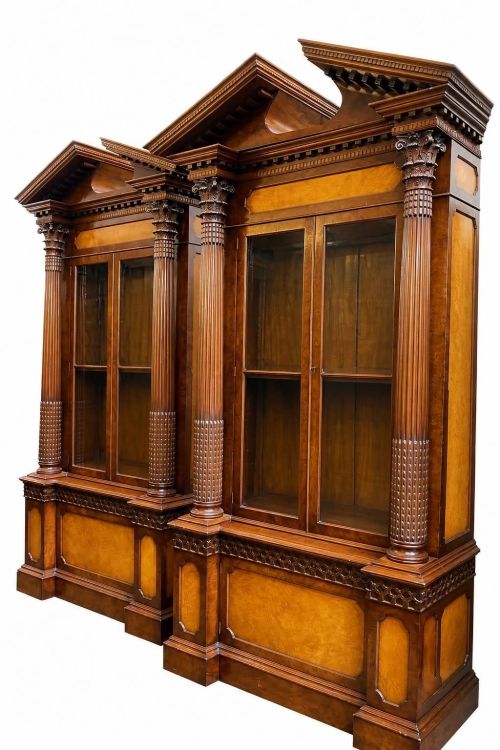
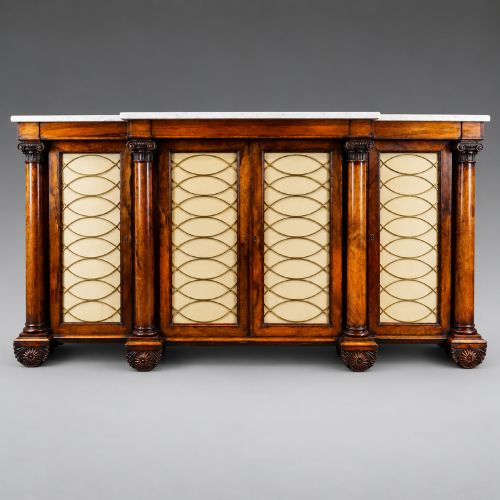
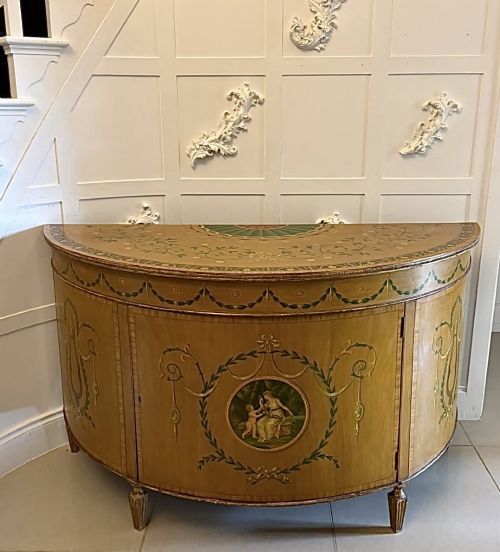
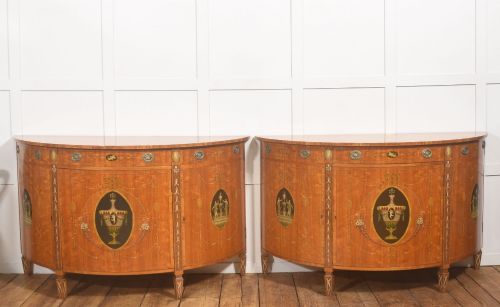
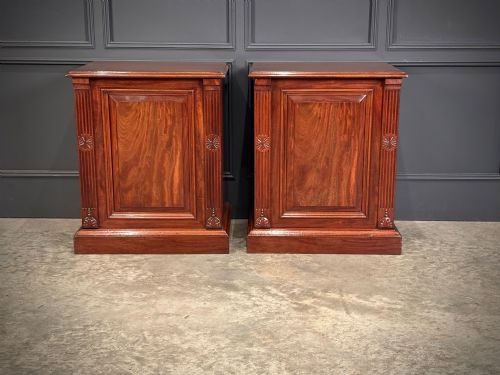
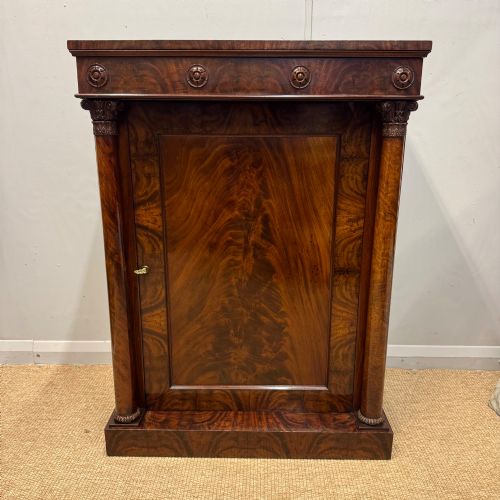
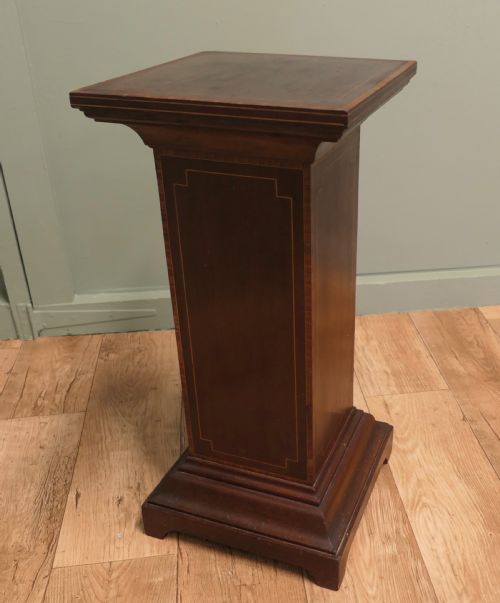
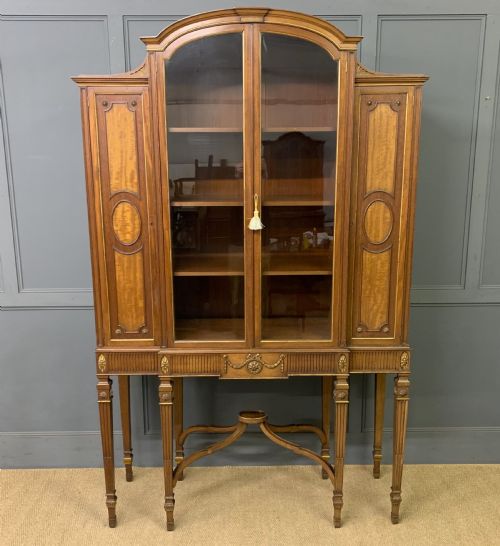
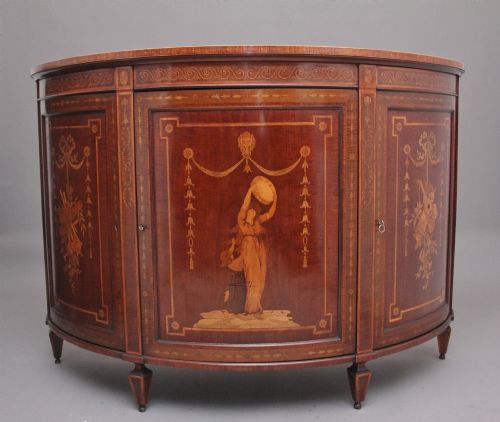
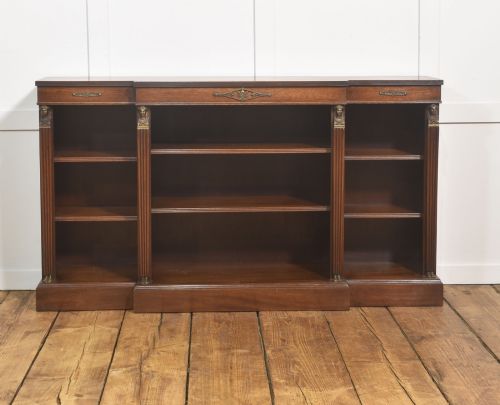
A classical cabinet gathers side cabinets, display cabinets, bookcases, and bedside cabinets produced across the nineteenth and early twentieth centuries. These pieces draw on Neoclassical, Regency, French Empire, and Sheraton Revival styles, shaping functional furniture with architectural restraint and symmetry. Buyers seeking this phrase encounter formats ranging from tall breakfront bookcases to inlaid satinwood demi-lune commodes and pairs of mahogany bedside tables.
The selection leans heavily on Victorian, Edwardian, and Regency interpretations alongside revivals from nineteen hundred up to nineteen thirty. Timber structures such as mahogany, satinwood, and walnut dominate the forms, frequently enriched with painted classical panels, brass mounts, or delicate marquetry. Side cabinets and display pieces serve practical storage roles while displaying the structured geometry typical of the aesthetic.
How They Were Made
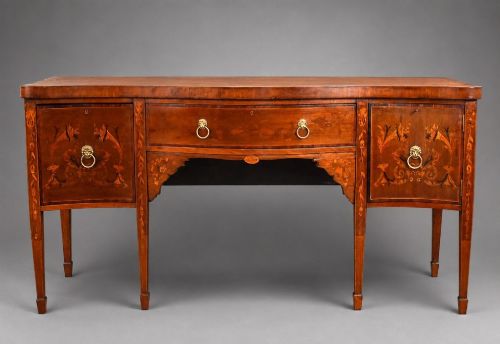
Cabinet makers constructed these pieces primarily using solid and veneered timbers including mahogany, satinwood, rosewood, and walnut, often laid over sturdy secondary woods. Craftsmen applied intricate marquetry and painted details to flat and curved surfaces, creating contrasting borders and pictorial panels.
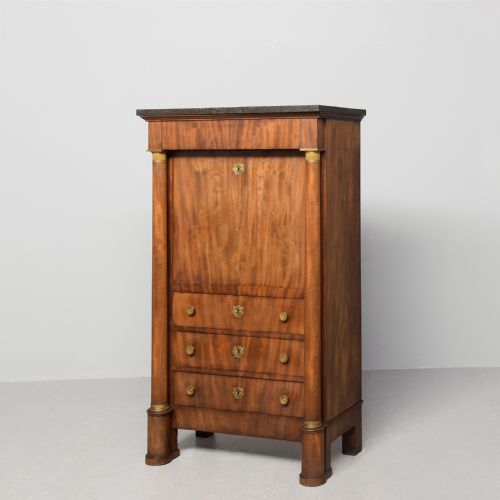
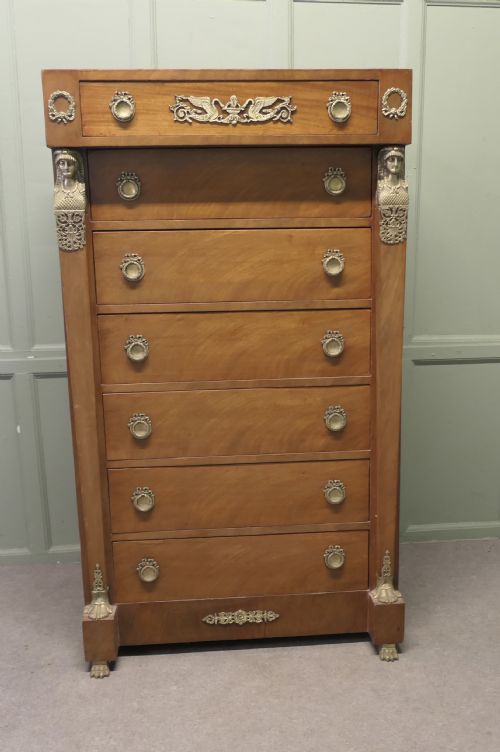
Metal ornamentation played a central role, with cast bronze and ormolu mounts fitted to columns, doors, and friezes. Glass panels were secured within glazed doors for bookcases and display cabinets, while brass hardware completed handles, hinges, and gallery rails.
Classical Cabinet Retail Price Guide 2026
Typical asking prices for classical cabinet among the pieces listed under this phrase on Sellingantiques today, from the lower quarter to the upper quarter. They describe what is for sale here now, not the wider market.
The inventory records side cabinets, bookcases, display cabinets, and bedside tables executed in Neoclassical, French Empire, and Regency styles.
What Varies in Quality
Execution of timber selection and inlay marks the division between standard workshop output and exhibition quality pieces. Matched flame mahogany grains and precise, tight marquetry indicate superior handwork by skilled artisans.
The integration of metalwork and surface finishes dictates the standing of a piece. Finely chased ormolu mounts and carefully applied painted panels demonstrate the level of craftsmanship invested during manufacture.
Waring and Gillow·Keeble London·Pietro Ferrario
The Classical Cabinet Glossary
- Ormolu
- Gilded bronze mounts applied to furniture surfaces. This decorative technique added sculptural weight and metallic contrast to timber cornices and door frames.
- Marquetry
- Fitted wood veneer patterns creating pictorial or geometric designs. Craftsmen sliced diverse coloured timbers to assemble detailed motifs across drawer fronts and top panels.
- Demi-Lune
- Half-moon shape characteristic of commodes and side cabinets. This curved profile allowed pieces to sit flush against walls while softening room angles.
- Breakfront
- Furniture facade where the central section projects forward from the wings. This arrangement creates depth and structural rhythm on large bookcases and sideboards.
Classical Cabinet: Frequently Asked Questions
What rooms suit a classical cabinet?
These pieces fit naturally into living rooms, dining spaces, and studies where structured furniture anchors the interior layout. Their symmetrical proportions complement traditional architecture while providing functional display and storage.
Smaller formats such as bedside cabinets and lamp tables adapt easily to bedrooms and hallways. Their contained footprints bring architectural detail to compact spaces without dominating the room.
How do I identify Regency pieces?
Regency items display clean architectural lines inspired by ancient Greece and Rome, often utilising dark mahogany with minimal brass stringing. Look for pilasters, brass mounts, and simulated rosewood paint finishes.
Proportions during this period remained restrained and balanced, avoiding heavy Victorian ornamentation. Many pieces incorporate subtle reeding and column details that reflect strict classical revival principles.
Where were satinwood cabinets made?
Satinwood furniture appeared extensively across British workshops during the Sheraton Revival and Edwardian periods. Makers utilised the blonde timber for light, refined display cabinets and commodes.
French ateliers also employed exotic timbers for painted demi-lune cabinets and secretaires. British and continental makers alike favoured satinwood as a smooth canvas for painted classical panels.
How are display cabinets best used?
Display cabinets with glazed doors provide dust-free storage for collections of porcelain, glassware, and decorative objects. Adjustable shelving allows the interior height to be adapted for varied items.
Placing them away from direct sunlight protects vulnerable timber veneers and interior painted panels. Adequate clearance around doors ensures smooth operation of original brass hardware.