



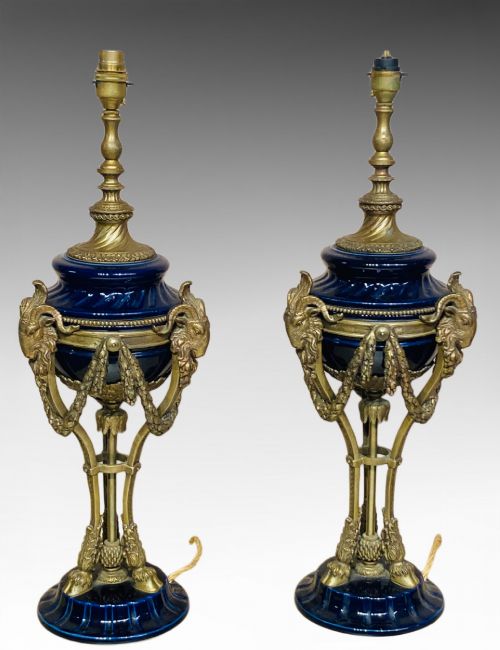
Classical Bronze Table Lights
Classical bronze table lights combine heavy cast metal and classical design, offering structural presence and warm illumination to an interior scheme.
Classical Bronze Table Lights
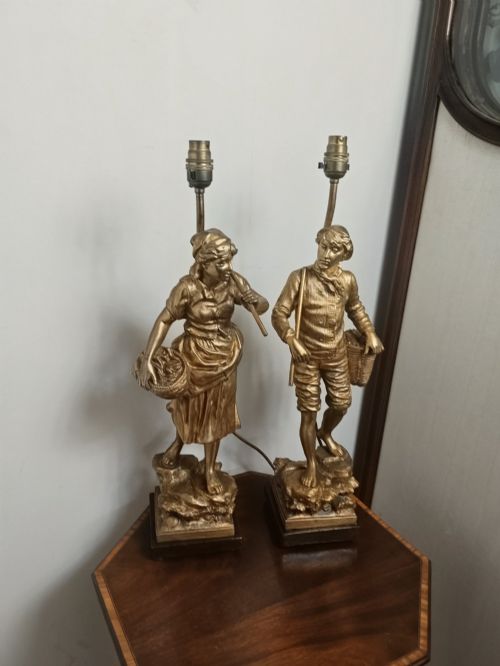
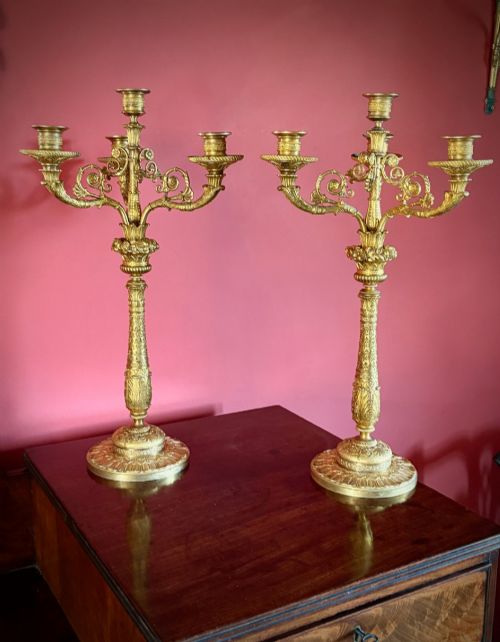
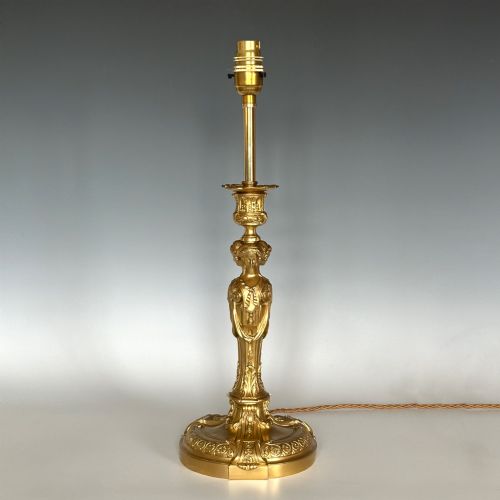
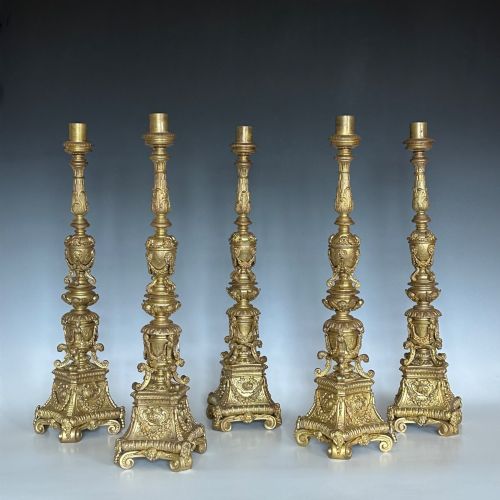
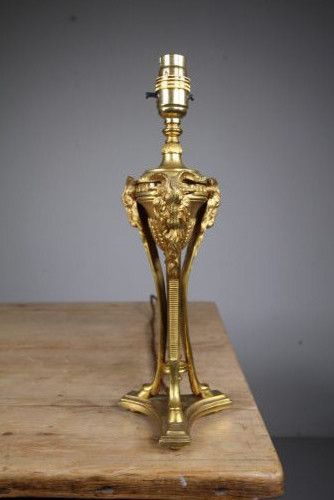
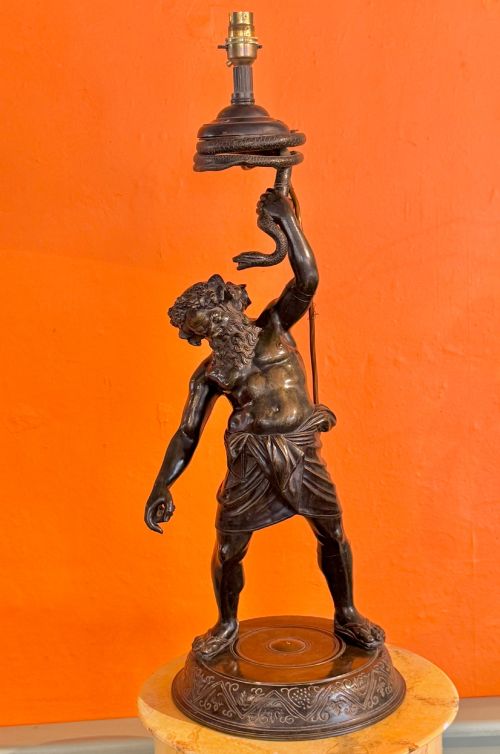
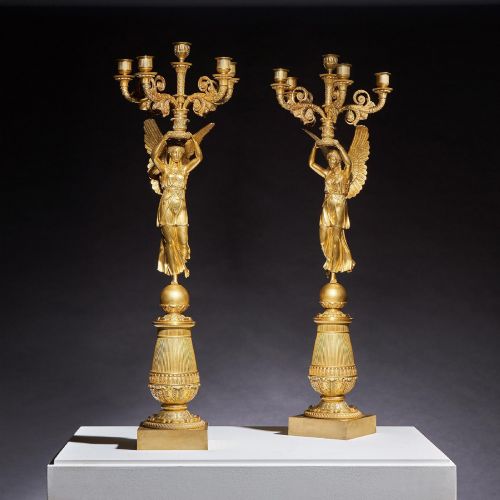
Classical bronze table lights encompass a variety of forms including candelabra, converted candlesticks, and figural lamp bases derived from historical models. Buyers searching this phrase encounter nineteenth-century French and English pieces alongside early twentieth-century adaptations.
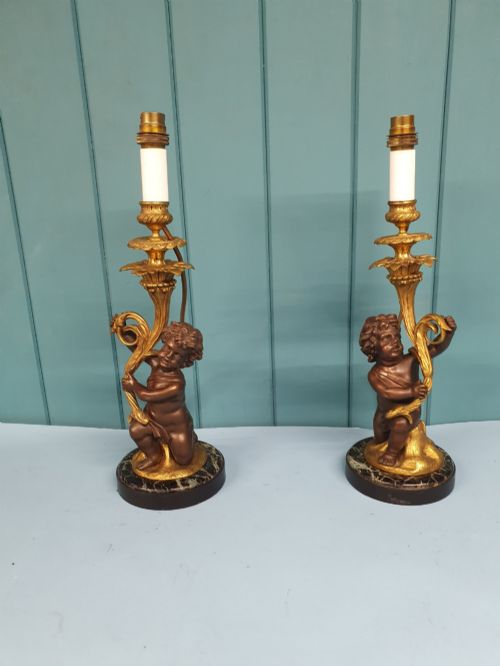
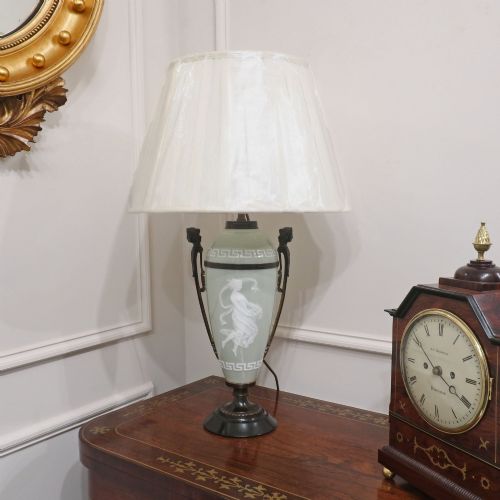
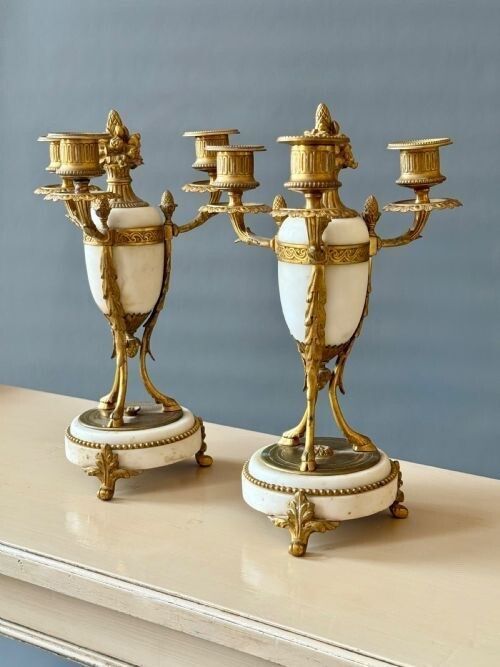
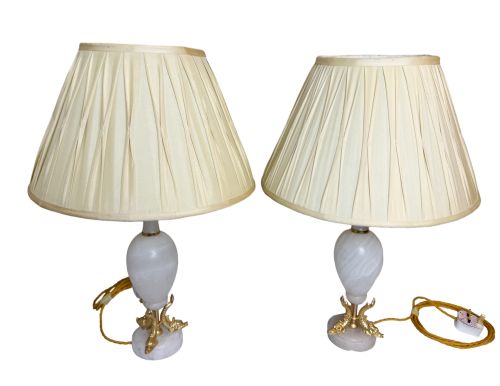
The prevalent formats on this page include pairs of ormolu-mounted marble urns, patinated cherub figures, and neoclassical column designs. These items frequently originate from French workshops adhering to Empire and Louis XVI stylistic traditions.
Materials and Construction
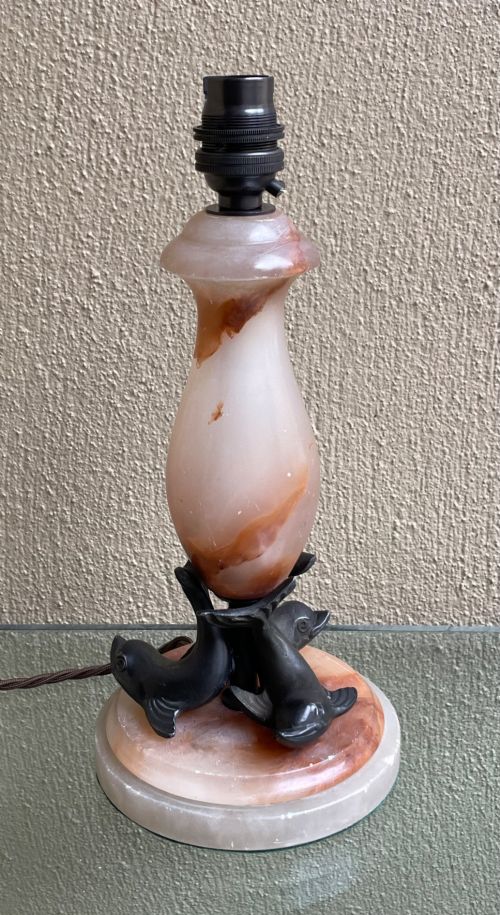
Pieces combine cast bronze, patinated metal, and brass with mercury gilding or ormolu finishes. Foundational elements often incorporate white or rouge marble, alabaster, and onyx bases that provide stability and contrast.
Manufacturing methods involve sand casting or lost-wax techniques for figural and ornamental components, followed by hand-chasing and fire-gilding. Subsequent wiring and conversion for electrical use adapt these antique lighting components for modern domestic interiors.
Cherubs double as illumination engineers, holding up torches and candles across centuries of dining tables.
Assessing Craftsmanship and Detail
Quality separates through the crispness of the bronze chasing and the depth of the original gilding. Finer examples display sharp anatomical definition in figures and precise architectural moulding in mounts.
The integrity of the stone bases and the weight of the cast metal distinguish superior productions. Subtleties in patination and the retention of original fire-gilt surfaces rather than later resprays determine collector standing.
E Rousseau·G Amodio Naples·Pierre Philippe Thomire·L and F Moreau·Rabiat·Emile Picault
The Classical Bronze Table Lights Glossary
- Ormolu
- Gilded bronze, produced by applying a mercury and gold amalgam to a bronze base and heating it to drive off the mercury. This technique yields a durable, rich golden surface finish.
- Patinated Metal
- Metal treated with chemicals or heat to produce a controlled surface coloration, such as dark brown or green. This finish protects the underlying bronze and defines figural details.
- Candelabra
- A branched lighting fixture designed to hold multiple candles, frequently converted to electricity for modern table use. These pieces often feature removable central finials or garniture elements.
- Cassolette
- A decorative vase or urn with a reversible lid that functions either as a solid vessel or a candleholder. These items appear frequently in Louis XVI style gilt bronze and marble pairings.
- Neoclassical
- A revival style drawing inspiration from classical antiquity, emphasising symmetry, columns, and mythological motifs. It dominates the aesthetic of nineteenth-century French lighting designs.
Classical Bronze Table Lights: Frequently Asked Questions
How do I wire antique bronze lamps?
Rewiring requires running modern flex through the existing central channels without damaging the historical metalwork. Professional electricians should retain original brass lampholders where possible to preserve the piece.
Ensure that wiring complies with current safety standards while protecting the interior threads and mounting fixings from alteration.
Are these lamps converted candlesticks?
Many table lights originate as nineteenth-century candelabra or oil lamps adapted during subsequent decades for electrical bulbs. This conversion process often involves discreetly drilling the base or utilising existing apertures.
Retaining the original weighted base ensures stability when supporting modern fabric shades.
How do I clean gilt bronze?
Dust surfaces gently with a soft dry brush to prevent accumulation in recessed chasing. Avoid abrasive chemical cleaners that strip the delicate gold layer.
Professional conservation cleaning is recommended for fragile mercury gilding to maintain the original surface sheen.
What is the difference between bronze and ormolu?
Bronze is an alloy of copper and tin used for the structural body and patinated details of the lights. Ormolu refers specifically to the applied gold coating on bronze elements.
Pieces frequently combine dark patinated bronze figures with bright ormolu mounts for visual contrast.