


Classical Bronze Satyr
A classical bronze satyr brings the mythology of antiquity into a nineteenth-century interior through cast metal and patination.
Classical Bronze Satyr
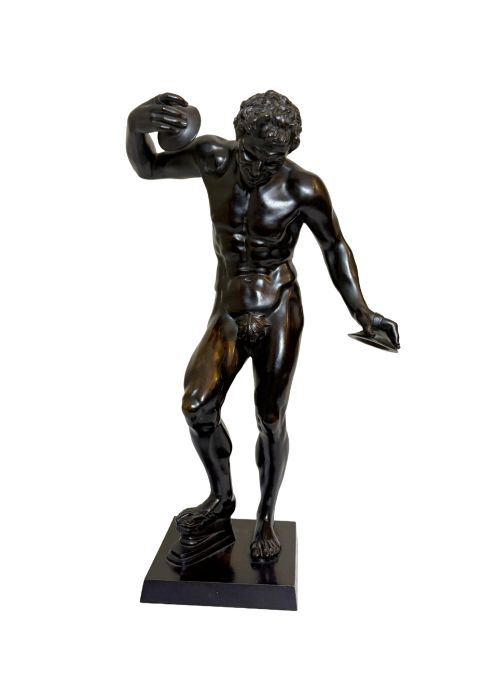
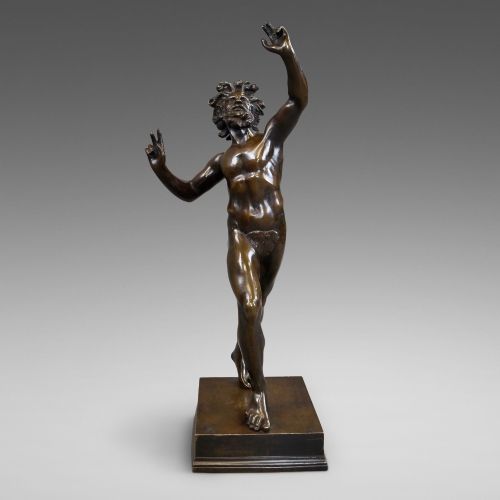
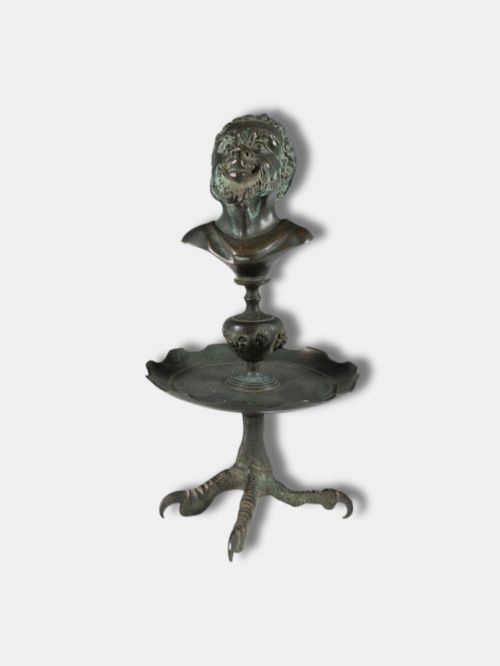
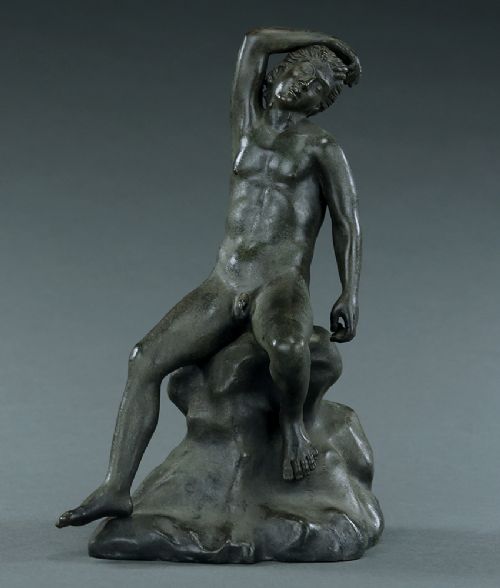
A classical bronze satyr depicts mythological figures associated with wine and revelry, often taking the form of a dancing faun, pan, or bacchus based on ancient excavation finds. These works emerge predominantly as nineteenth-century Grand Tour souvenirs, French foundry casts, and Italian Neapolitan reductions modeled after classical antiquities.
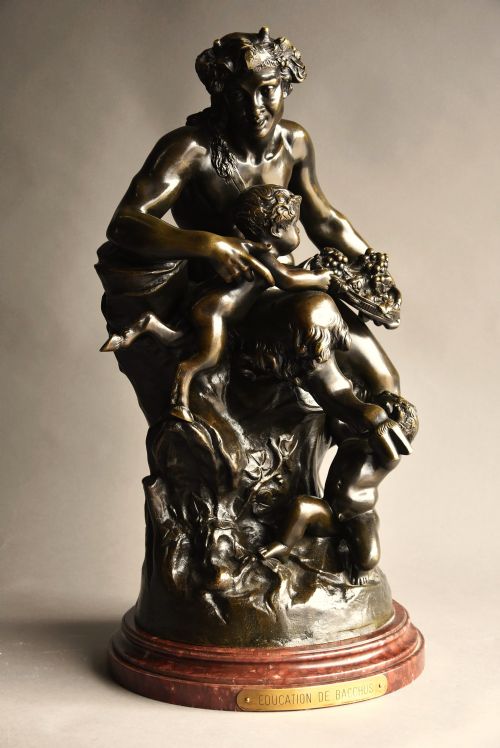
Buyers encounter sculptures ranging from small desk ornaments and oil lamps to large group figures, door knockers, and campana-shaped vases. The dancing faun of pompeii and works after artists like Claude Michel Clodion appear frequently among these listings.
The aesthetic bridges the nineteenth century with antiquity, drawing on Grand Tour, Neoclassical, and Renaissance Revival styles to recreate mythological subjects in durable metal.
Materials and casting methods
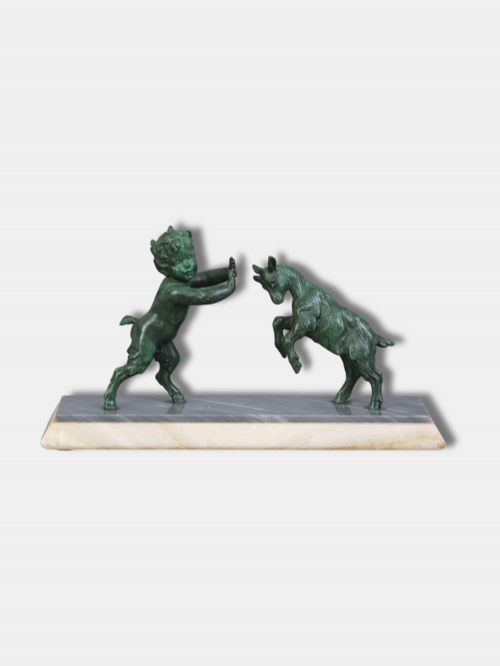
Foundries utilised bronze, cast metal, and polished or patinated bronze to render musculature, drapery, and detailed facial expressions. Verdigris finishes and dark patinas simulate the appearance of buried antiquities recovered from archaeological sites.
Selected works incorporate marble plinths, gilt plaster elements, or painted surfaces to complement the primary metal casting. These composite materials enhance the decorative presence of the object, particularly in campana vases and wall masks.
Pan plays his pipes to an attentive audience of goats and fawns across multiple nineteenth-century studies.
Assessing quality in metalwork
The depth and nuance of the patina differentiate standard commercial output from superior foundry productions. An intentional patination or polished highlight adds visual dimension to the cast metal, whereas flat coloration flattens the form.
Claude Michel Clodion·Emile Carlier·Augusto Rivalta
The Classical Bronze Satyr Glossary
- Grand Tour
- A nineteenth-century travel tradition where wealthy Europeans collected souvenir bronzes and art works from Italian and French sites. These items replicated celebrated classical statues discovered during excavations.
- Patination
- The chemical treatment or natural weathering applied to the surface of bronze to alter its colour. A controlled patina creates aged tones ranging from deep brown to verdigris green.
- Reduction
- A smaller scale copy of a larger full-size sculpture, created using a reducing machine or skilled hand measurement. Nineteenth-century foundries produced these miniature bronzes for domestic display.
- Campana-shaped
- A vessel form resembling an inverted bell, popular in classical antiquity and revived during the nineteenth century. These pieces often feature cast classical figures in relief.
- Neoclassical
- An artistic movement drawing inspiration from the art and culture of classical Greece and Rome. This aesthetic prioritises balanced proportions and mythological subjects.
Classical Bronze Satyr: Frequently Asked Questions
What is a Grand Tour bronze?
A Grand Tour bronze is a nineteenth-century souvenir acquired by travellers visiting European cultural centres, particularly Italy and France. These pieces replicated famous antiquities seen in museums and excavations.
They served as portable reminders of classical education and travels abroad, often displayed on libraries and mantelpieces.
How do I care for patinated bronze?
Patinated bronze requires minimal maintenance, relying on gentle dusting with a soft dry cloth to prevent dust accumulation. Avoid liquid cleaners or abrasives that might strip the chemical patina from the metal surface.
Keeping the object away from excessive moisture preserves the integrity of the finish and any underlying marble or gilt elements.
Are these pieces original antiquities?
The pieces listed date primarily from the nineteenth century rather than classical antiquity. They represent nineteenth-century interpretations and souvenir reductions made after ancient Roman and Greek prototypes.
Foundries utilised historical styles such as Neoclassical and Renaissance Revival to recreate the spirit of excavated statues for Victorian interiors.
Why do satyrs and fauns appear so often?
Satyrs and fauns were central figures in classical mythology, associated with Bacchus, wine, music, and unrestrained revelry. Their dynamic postures provided sculptors with opportunities to display energetic movement and anatomical skill.
Excavations at sites like Pompeii uncovered celebrated sculptures of dancing fauns, inspiring a wave of nineteenth-century reproductions.