

Classical Brass Table Lamp
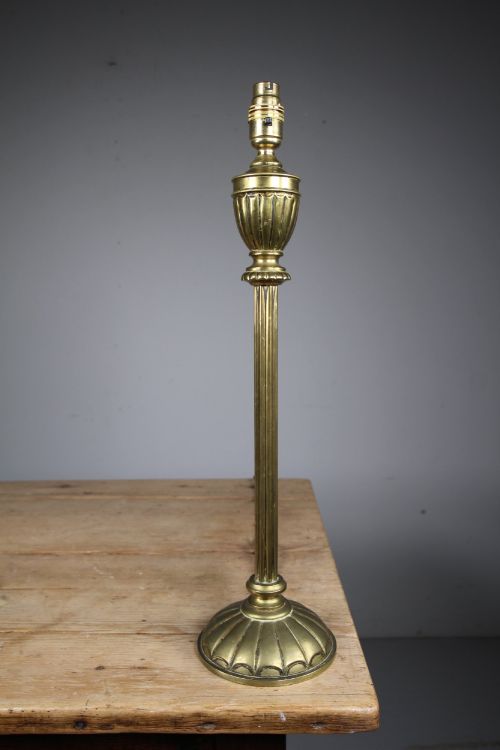
These pieces are a classical brass table lamp, bringing architectural dignity and polished metalwork to a room.
Classical Brass Table Lamp
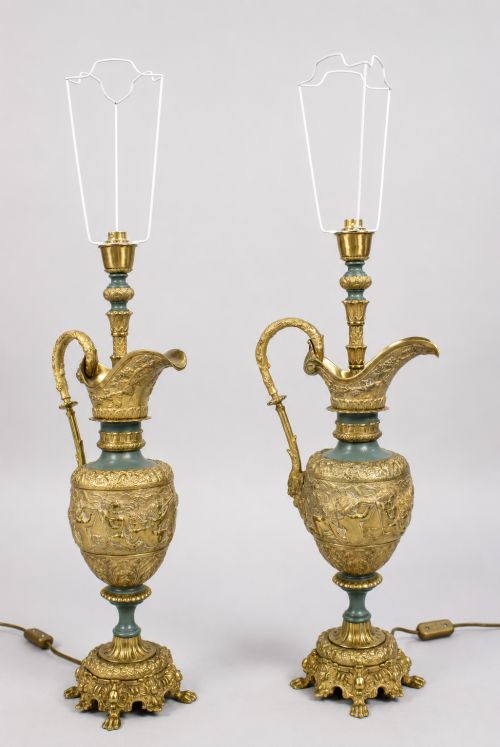
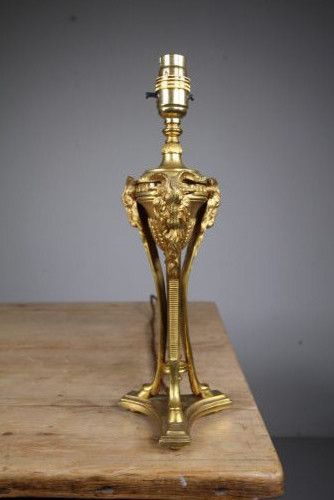
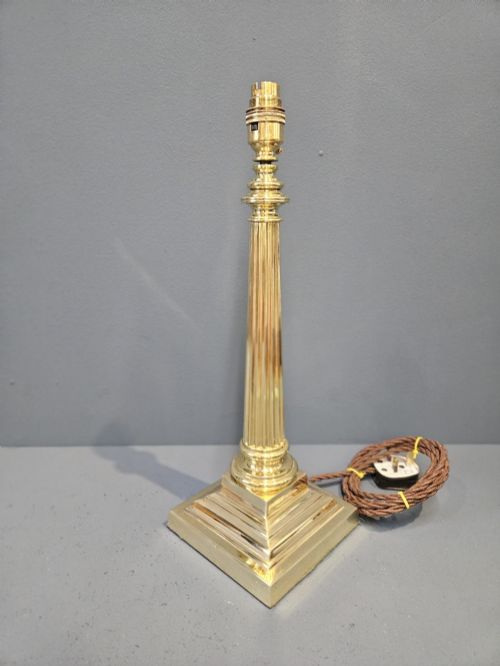
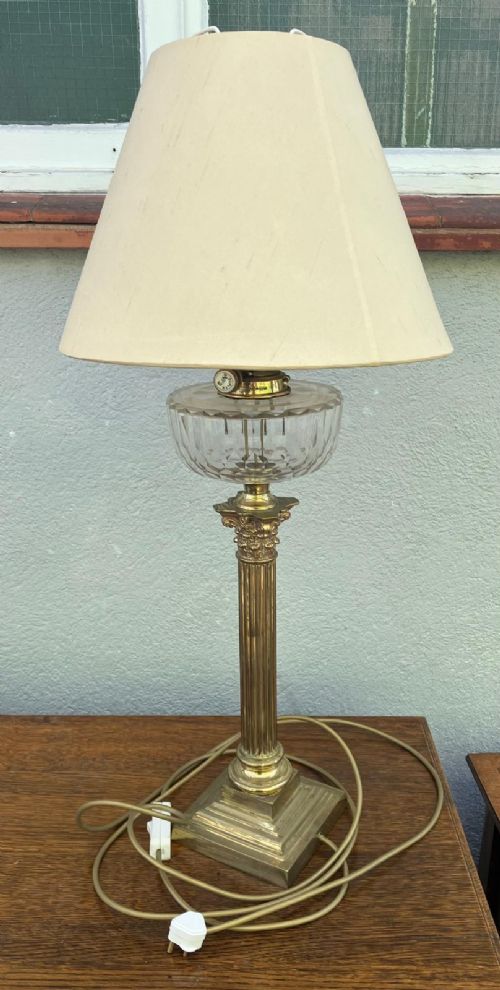
A classical brass table lamp draws upon historical architecture, frequently adopting column forms such as the Corinthian or Ionic order, alongside urn and vase shapes.
The selections available range from 19th-century Victorian and Edwardian examples to French Empire and Neoclassical styles.
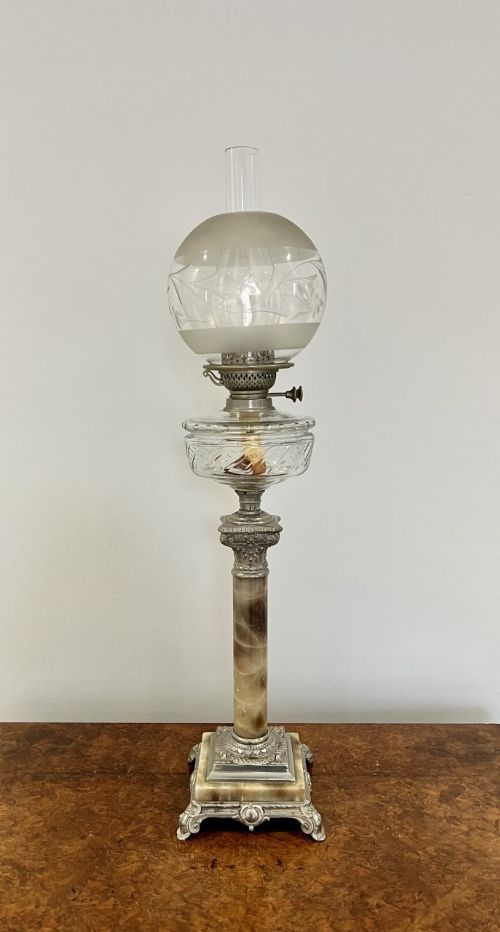
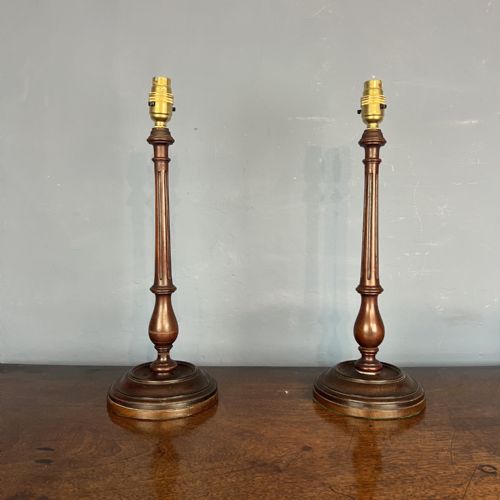
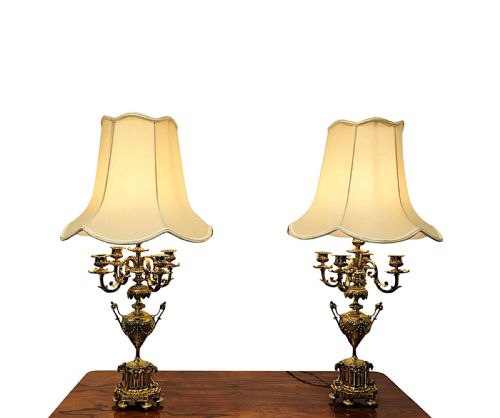
Buyers will encounter single columns and paired fixtures, often adapted from earlier oil lamps or candelabra.
How they were made
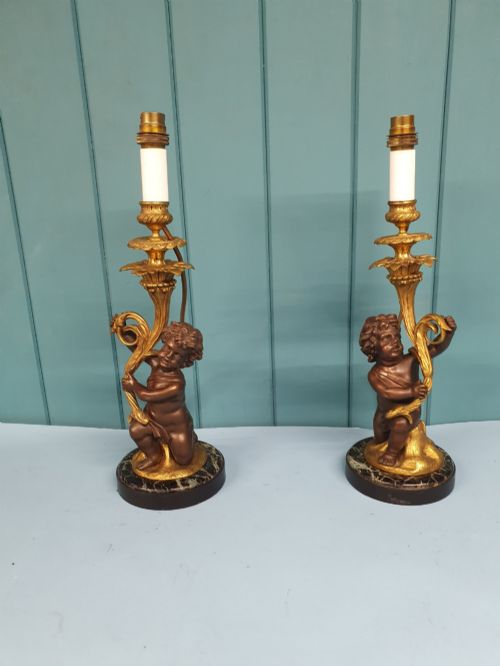
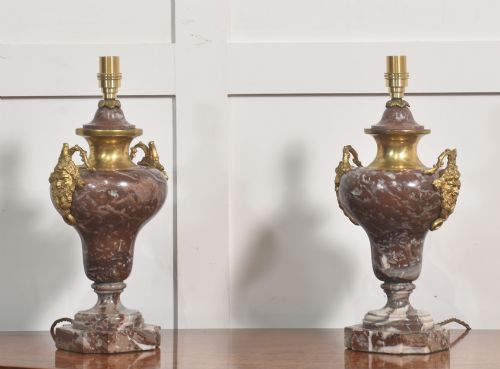
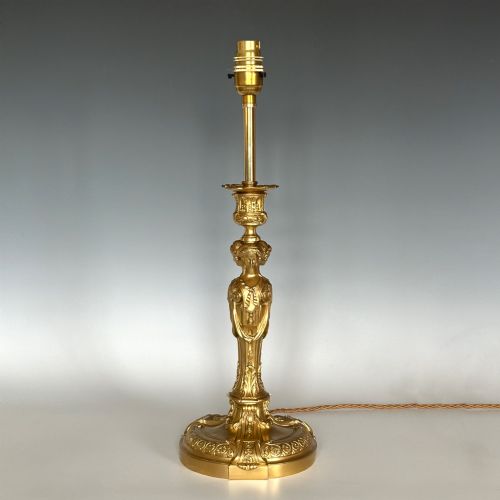
Construction relies heavily on cast and turned brass, frequently combined with materials like marble, onyx, bronze, and gilt metal for visual contrast.
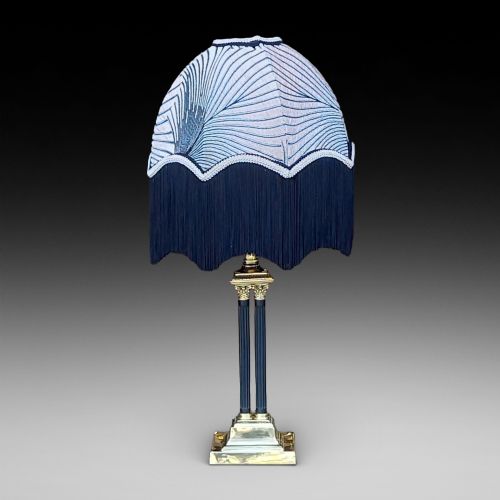
Many items incorporate fabric, silk, or glass shades atop metal columns or rendered figural mounts.
Listings feature brass, bronze, marble, and silk across 19th-century and Edwardian periods.
What varies in quality
Quality rests in the crispness of the architectural detailing, such as the acanthus leaves on a column capital or the precision of the casting.
The choice of secondary materials, including rouge marble or gilt bronze, alters the weight and substance of the finished object.
L & F Moreau·Hinks
The Classical Brass Table Lamp Glossary
- Corinthian column
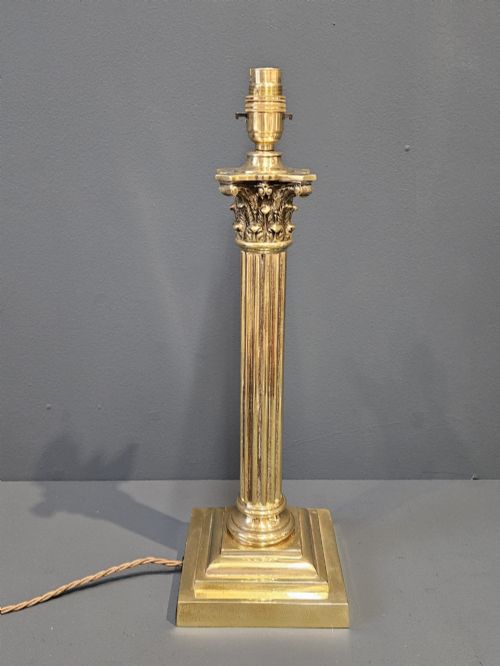
- A classical architectural column form featuring an ornate capital decorated with carved acanthus leaves, frequently utilised for lamp bases.
- Ormolu
- Gilded bronze or metal applied to decorative objects, offering a bright golden finish popular in French Empire and Louis XVI styles.
- Patinated brass
- Brass that has developed a darker surface layer or chemical treatment through age or design, reducing the brightness of raw metal.
- Volute krater
- An ancient classical vase form with scroll handles, sometimes used as the central body for a lamp base in the Grand Tour taste.
Classical Brass Table Lamp: Frequently Asked Questions
What periods do these lamps come from?
The pieces span the Victorian and Edwardian eras, extending into the early twentieth century and the 1920s.
Designs frequently reflect Neoclassical, French Empire, or Grand Regency revivals.
Were these always electric lamps?
Many examples began as oil lamps or candelabra before conversion to electricity at a later date.
Column forms often retain their original proportions from these earlier lighting formats.
What materials are combined with the brass?
Constructed items frequently integrate marble, onyx, and bronze alongside the primary brass framework.
Shades are often produced from silk, fabric, or glass.
How do I identify a column lamp style?
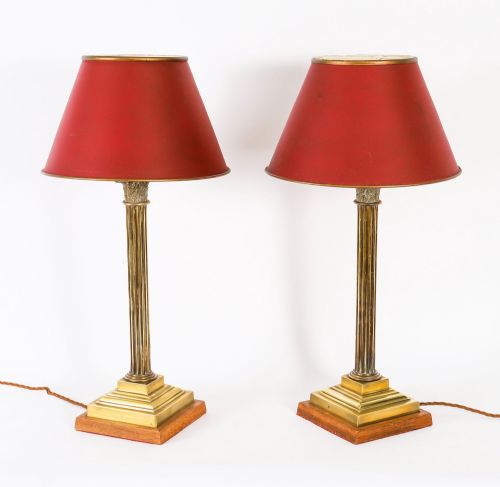
Column styles usually follow architectural orders, displaying Corinthian capitals with leaves or Ionic capitals with scrolls.
Reeded or plain shafts lift the lamp body above a stepped square base.