




Classical Art
When looking into classical art, buyers seek enduring painted portraits, framed prints, and panels reaching back to earlier centuries.
Classical Art
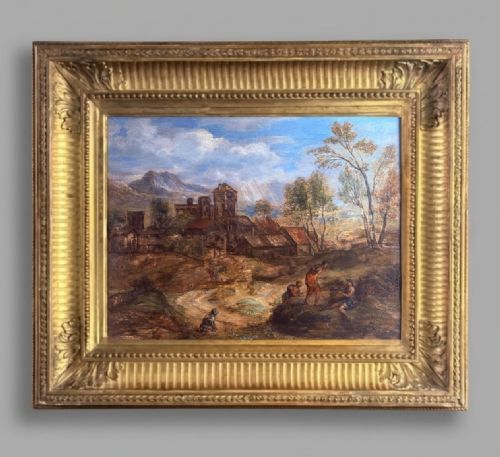
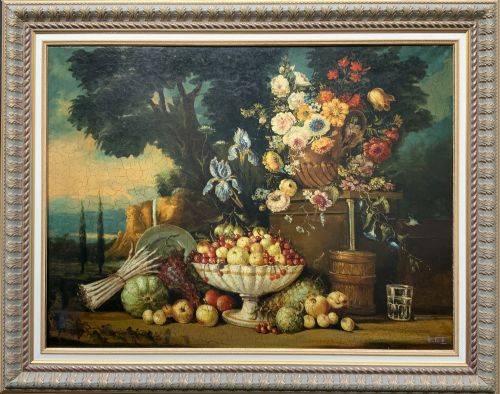
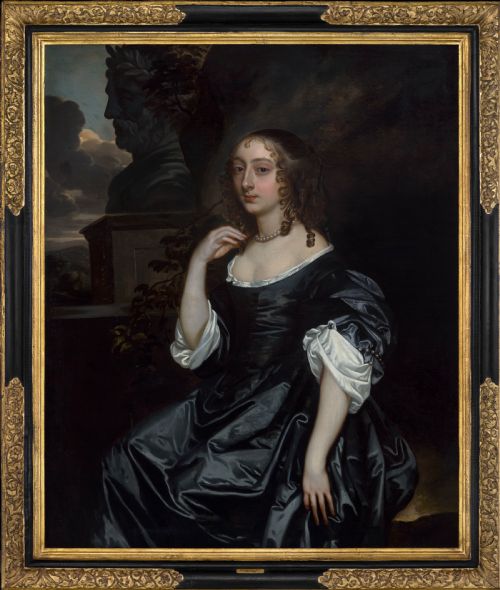
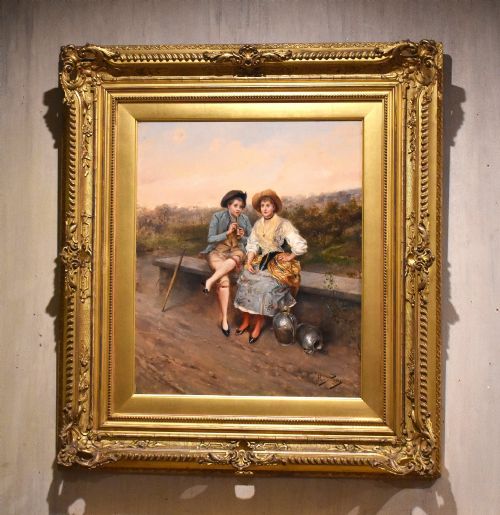
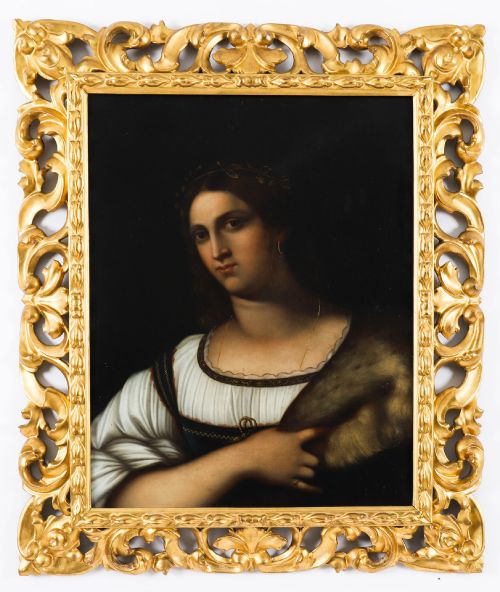
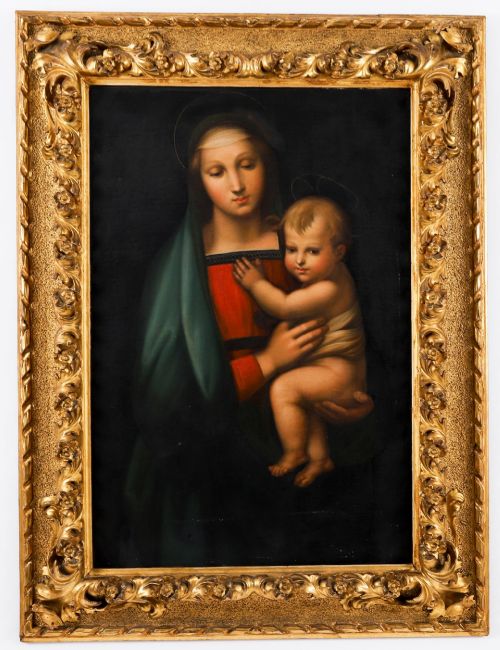
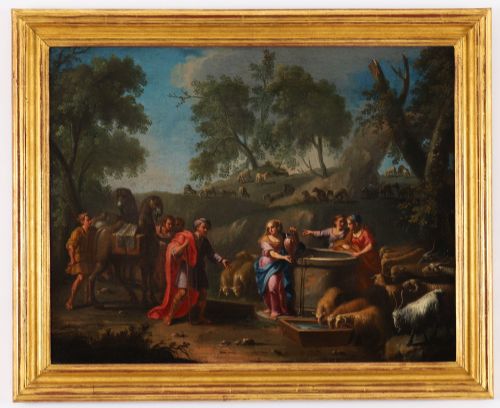
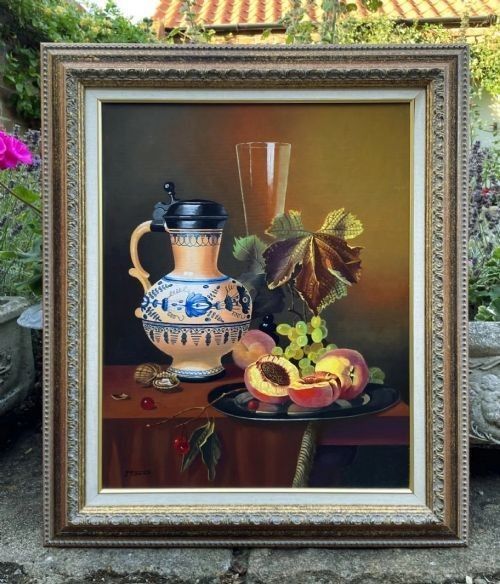
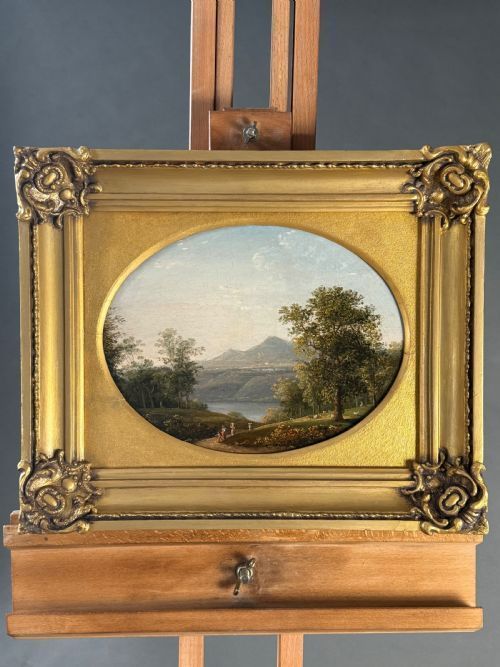
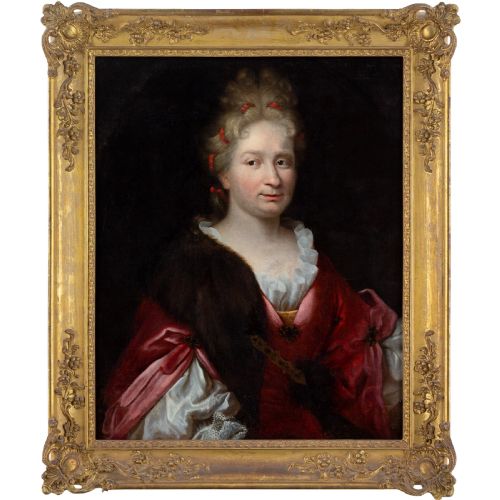
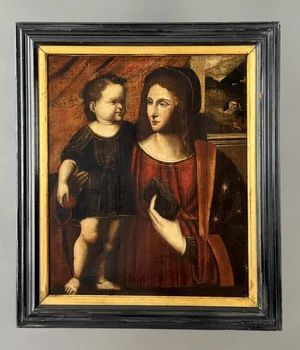
When exploring classical art, collectors encounter a diverse array of oil paintings, works on paper, etchings, and framed prints. These pieces predominantly span the seventeenth through the nineteenth centuries, capturing portraits, landscapes, and allegorical scenes.
The objects frequently reflect historical styles such as Baroque, Neoclassical, and Georgian. Buyers often discover works originating from British, French, Italian, and Dutch schools, ranging from intimate domestic portraits to expansive pastoral landscapes.
Beyond paintings on canvas or panel, the selection includes embroidered wall panels, porcelain plaques, and decorative bronzes. This variety allows collectors to furnish spaces with historical depth while focusing on distinct regional traditions.
Materials and construction
The physical foundation of these pieces relies heavily on traditional supports such as prepared canvas, wooden panels, and heavy rag paper. Artists applied oil paint, charcoal, and ink using layered techniques that allowed for subtle tonal depth and lasting pigment preservation.
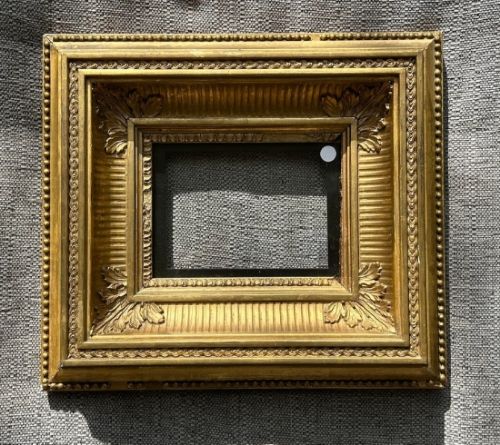
Frames and decorative elements frequently employ hand-carved wood, gesso, and applied gold leaf or giltwood. Etchings and mezzotints utilise copper plates to transfer detailed, fine-lined imagery onto paper sheets.
Textile works incorporate detailed needlework on foundational fabric substrates, while sculptural pieces utilise cast bronze, silvered metals, plaster, and carved marble bases.
Listings feature works spanning the seventeenth through the twentieth centuries, utilising oil on canvas, wood, paper, and giltwood frames.
Distinctions in quality
The hierarchy of quality in these works rests upon the precision of execution, anatomical accuracy, and the handling of light and shadow. Masterful brushwork and confident linework distinguish accomplished studio pieces from more generic regional productions.
Preservation of the original surface, minimal restorative intervention, and the integrity of the substrate significantly elevate a piece. Additionally, the quality of contemporary or period framing, particularly deep hand-carved giltwood, contributes to the overall standing of the artwork.
Sir Peter Lely·Alonso Perez·Jacob Philipp Hackert·Hyacinthe Rigaud·Charles-Antoine Coypel
The Classical Art Glossary
- Mezzotint
- A printmaking process of the intaglio family, where the plate is roughened to achieve rich dark tones and subtle gradations in portraiture. It allows for remarkably smooth tonal transitions compared to standard line etching.
- Giltwood
- Wood that has been treated with a thin layer of gold leaf or gold powder over a prepared gesso ground. This finish provides a luminous, durable frame border often seen on period paintings.
- Capriccio
- An architectural fantasy placing together fictitious and existing buildings, ruins, and other architectural elements in a picturesque arrangement. Artists frequently employed this compositional style during the eighteenth century.
- Panel
- A rigid support surface for painting, commonly made of wood, used extensively before canvas became the dominant medium. Wooden panels provide a stable ground that maintains fine detail over centuries.
- Gesso
- A paint mixture consisting of a neutral binder mixed with chalk, gypsum, or pigment, used to prepare surfaces for painting or gilding. It creates a smooth, absorbent foundation for oil colours and gold leaf.
Classical Art: Frequently Asked Questions
How do I identify a 17th century oil painting?
Examination of seventeenth century paintings involves assessing the weave of the canvas, the composition of the wood panel, and the ageing patterns of the oil pigments.
Experts also study the costume, hairstyles, and subject matter depicted to align them with historical portraiture conventions of that specific era.
What is a Grand Tour etching?
Grand tour etchings were collected by wealthy travellers touring European cultural centres, particularly Italy, during the eighteenth and nineteenth centuries.
These prints recorded classical antiquities, architecture, and landscapes to serve as sophisticated souvenirs of an educational journey.
How should I care for antique oil paintings?
Antique oil paintings require stable indoor humidity levels and protection from direct sunlight to prevent the canvas from slackening and the paint layers from cracking.
Cleaning should be limited to gentle dusting with a soft brush, leaving any chemical restoration or varnish removal to professional conservators.
What distinguishes an oil painting on panel from canvas?
Paintings on panel utilise rigid wooden boards, which generally provide a smoother, firmer surface that reduces the risk of canvas sagging over time.
Canvas supports became more common later due to portability and the ability to create much larger scale artworks without warping.