
Classical Art Print
When a buyer searches for a classical art print, they are looking at engraved, etched, and mezzotint interpretations of traditional subjects framed for display.
Classical Art Print
A classical art print encompasses works originating primarily from the seventeenth, eighteenth, and nineteenth centuries, alongside later twentieth-century reproductions and oleographs. These pieces translate historical paintings, architectural plates, and mythological scenes into wall art utilising paper, ink, and canvas.
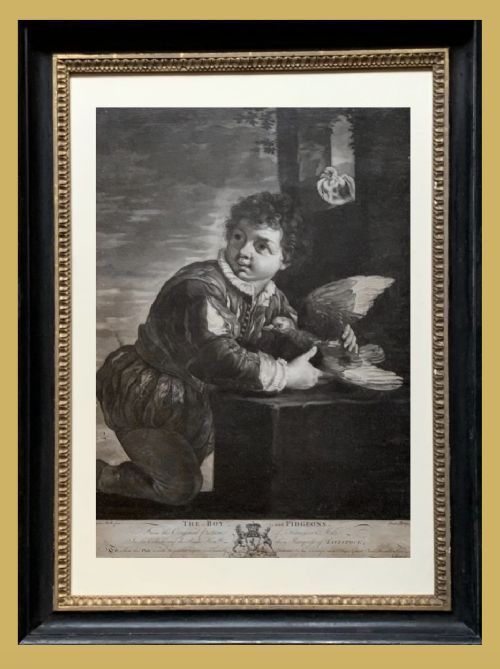
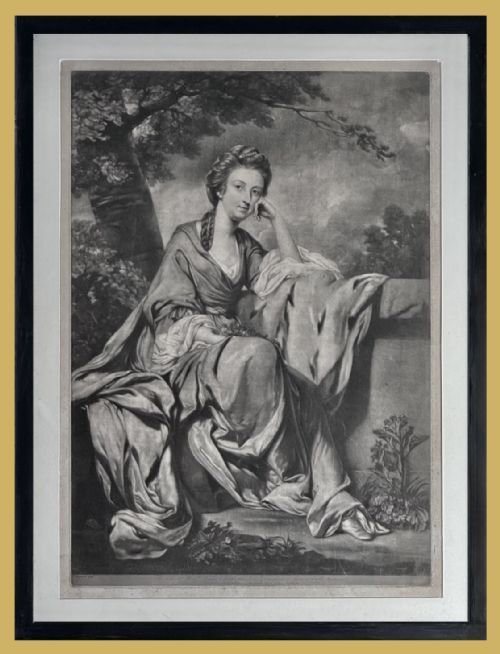
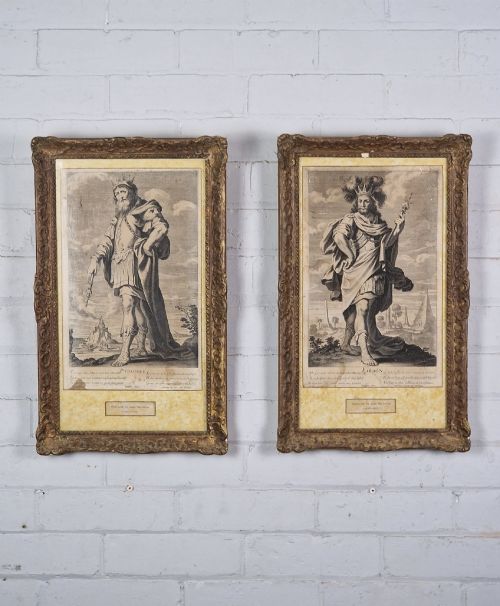
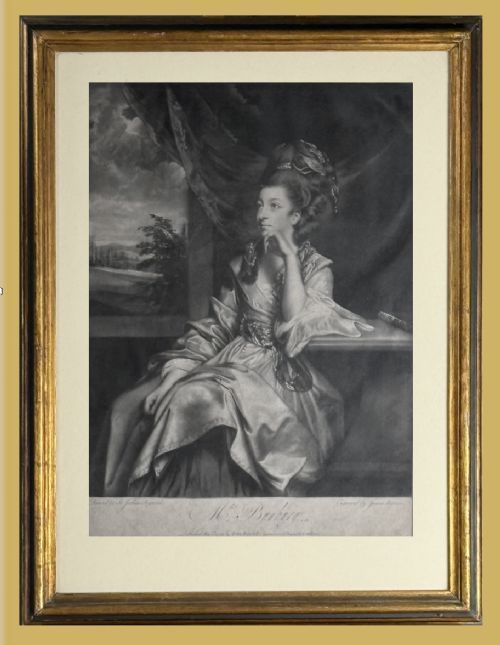
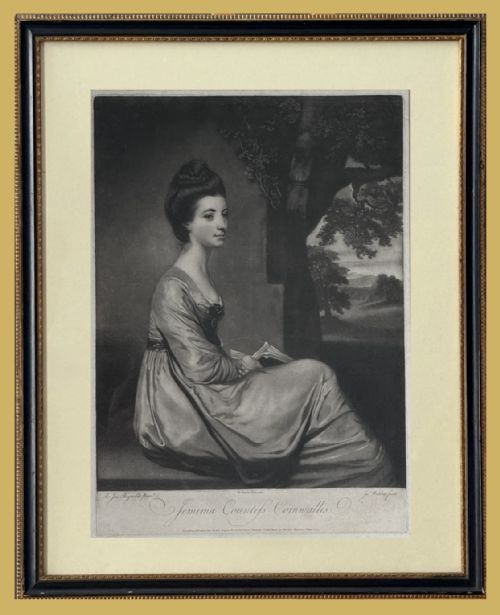
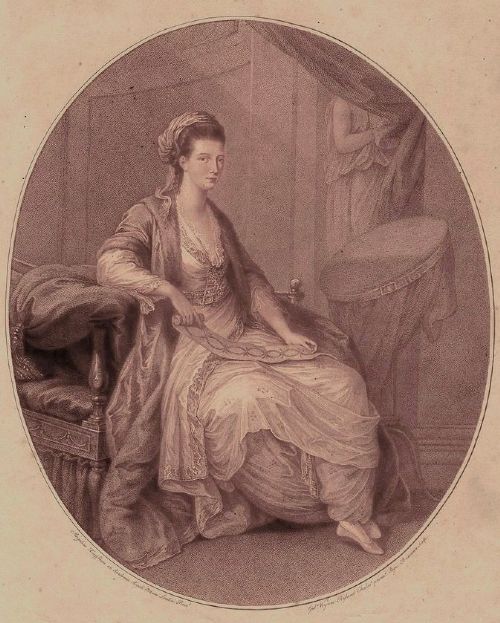
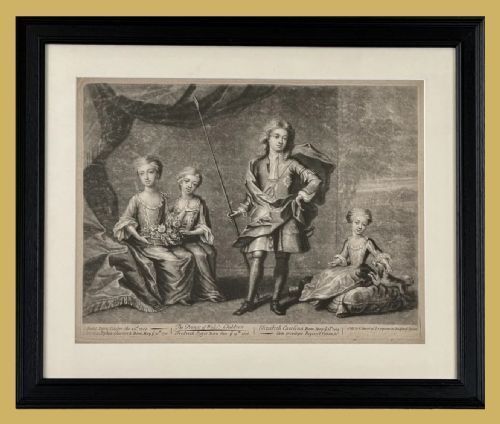
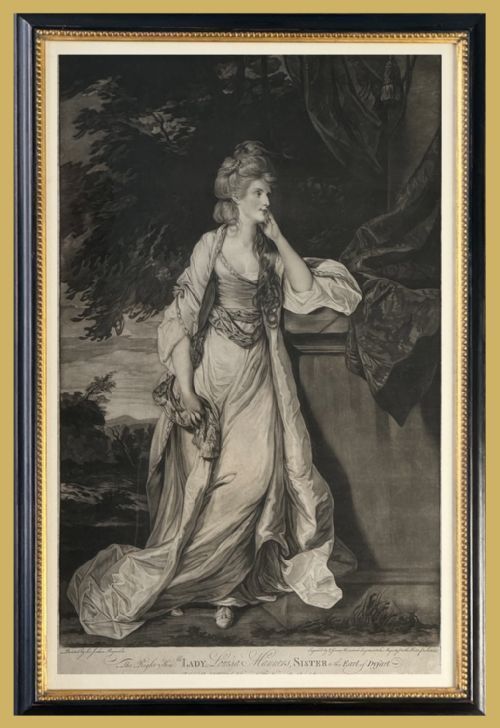
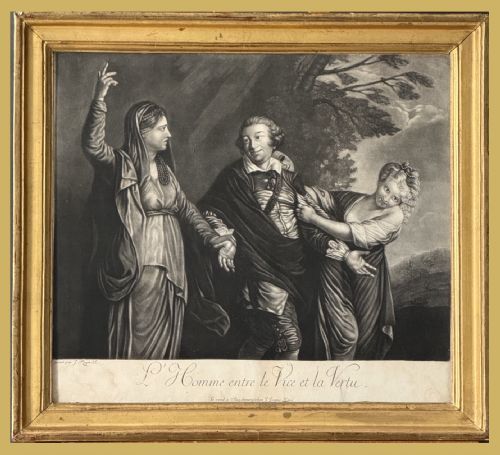
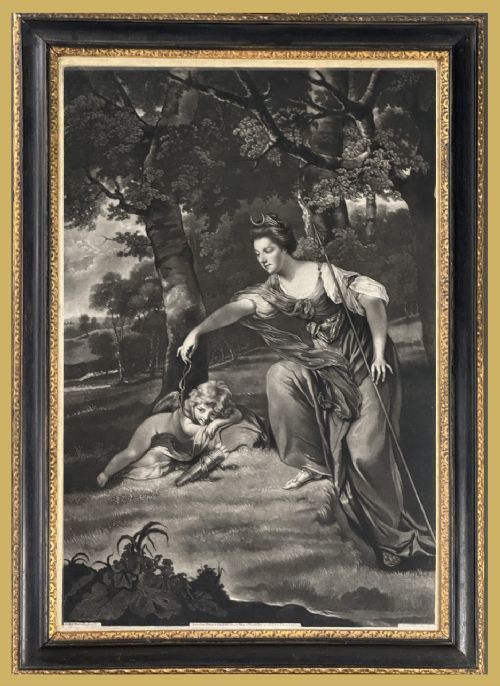
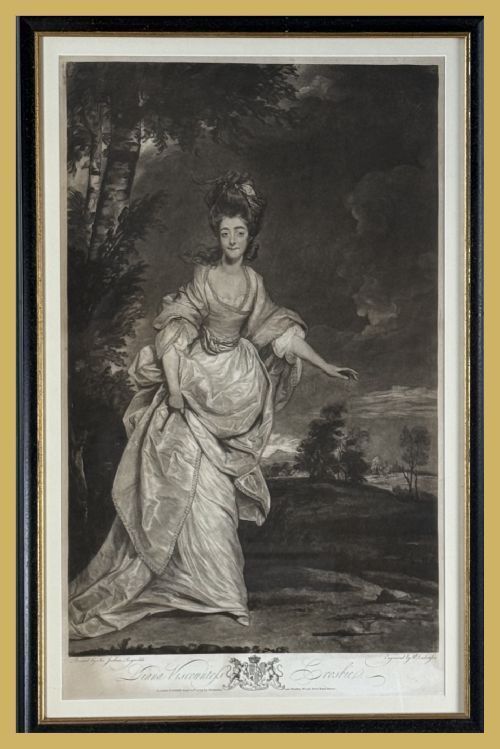
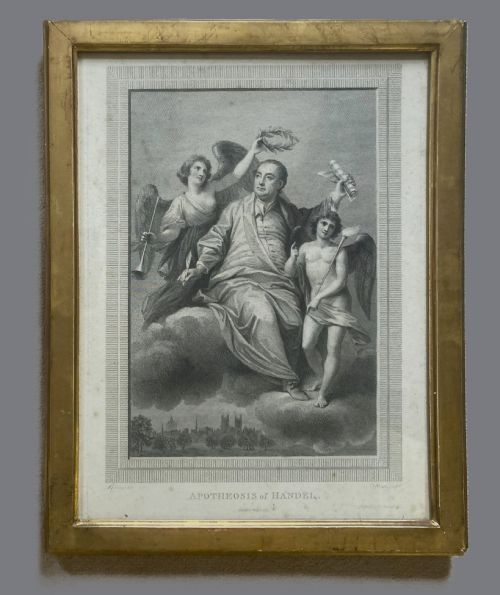
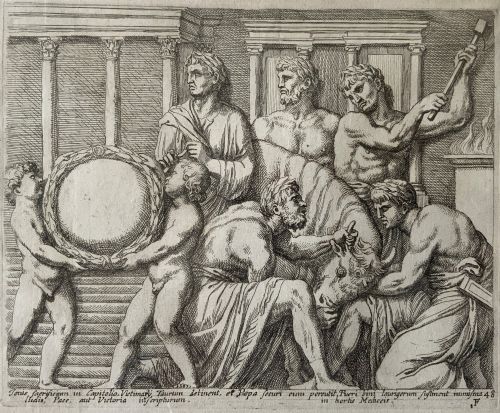
The versions most commonly met on this page are eighteenth-century mezzotints and engravings after master painters such as Sir Joshua Reynolds and Nicolas Poussin. Framed prints frequently arrive housed in period wooden frames, occasionally incorporating gilt or gilt wood details.
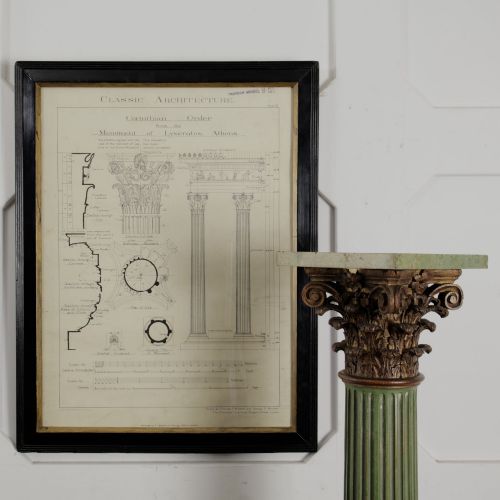
Subjects range from allegorical compositions and classical antiquity plates to portraiture and equestrian scenes. The aesthetic draws heavily on Neoclassical, Georgian, and Renaissance Revival traditions.
How they were made
Printmakers employed copper plates to produce fine line engravings and etchings, cutting intricate designs into the metal before applying ink to paper. Mezzotint techniques required the artist to roughen the copper surface with a rocker to create rich tonal gradations and deep shadows.
Colour, where present, was often applied by hand onto monochrome printed bases using watercolours or washes. Finished sheets were subsequently mounted behind glass within timber frames, sometimes finished with gold leaf.
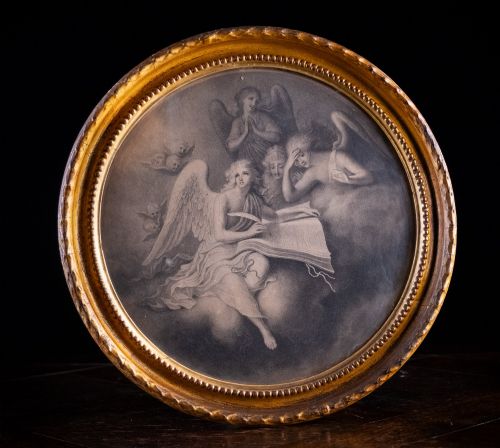
Equestrian horses and weeping angels share wall space with classical philosophers and domestic pets.
What varies in quality
The integrity of the framing materials also marks the tier of a piece, with original seventeenth or eighteenth-century wood frames carrying greater historical coherence than later replacements.
John Boydell·Edward Fisher·Jean Mariette·James Watson·Valentine Green·Jiohan Elis Haid·W Dickinson·François Perrier·Adam Buck·Johannes Lingelbach·Étienne Baudet·Ridinger·Robert Sayer
The Classical Art Print Glossary
- Mezzotint
- A printmaking process of the intaglio family where the plate is abraded to produce rich tones and dark backgrounds. It allowed printmakers to reproduce the soft gradients of oil paintings with high fidelity.
- Engraving
- A technique where an artist cuts lines directly into a metal plate using a sharp tool called a burin. The resulting incisions hold the ink that transfers to the paper under pressure.
- Etching
- A method where acid is used to cut into the unprotected parts of a metal plate to create a design. Artists cover the metal with an acid-resistant ground and draw through it before submerging the plate in acid.
- Oleograph
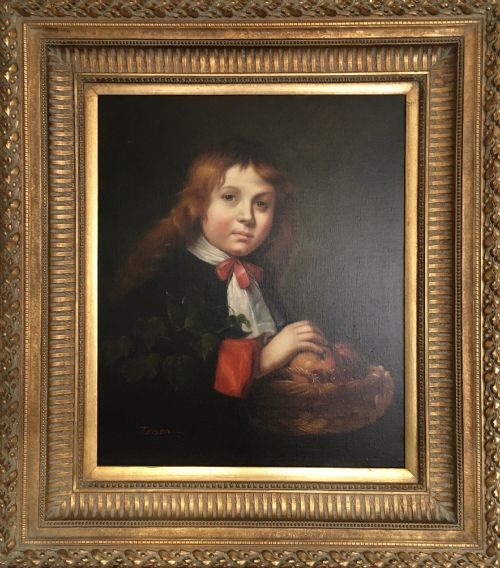
- A type of chromolithographic reproduction textured to imitate an oil painting on canvas. These emerged strongly in the nineteenth and twentieth centuries to make masterworks accessible.
- Neoclassical
- A Western cultural movement drawing on the art and culture of classical antiquity. It prioritised severe lines, heroic subjects, and balanced compositions.
Classical Art Print: Frequently Asked Questions
How do I care for an antique print?
Keep framed pieces away from direct sunlight to prevent the ink and paper from fading over time. Maintaining a stable indoor humidity helps protect both the paper substrate and the wooden frame.
Avoid hanging prints in damp environments like kitchens or unventilated bathrooms where moisture can damage the paper or encourage mould growth. Ensure the backing remains sealed to keep dust and insects away from the surface.
What is the difference between an engraving and a mezzotint?
An engraving uses a sharp tool to carve direct lines into a metal plate, resulting in crisp outlines and cross-hatching. It suits architectural plates and detailed narrative scenes.
A mezzotint builds an image from dark to light by roughening the entire metal plate first and scraping it smooth where highlights are needed. This creates velvety dark areas and subtle tonal transitions ideal for portraits.
Are these pieces original antiques?
The listings span multiple centuries, including original seventeenth, eighteenth, and nineteenth-century printings alongside mid-twentieth-century oleographs and photogravures. Each listing specifies the period of production for that particular item.
Examination of the paper texture, plate marks, and framing materials helps confirm the age of the physical object. Dealers provide the historical context within the title and description of each work.
How were these prints used historically?
Historically, fine art prints allowed collectors to own affordable representations of famous paintings that hung in distant European galleries. They were bound in portfolios or framed to decorate domestic drawing rooms and libraries.
Plates depicting classical architecture and antiquities also served an educational purpose for scholars and travellers undertaking the Grand Tour. They functioned as both decorative furnishings and visual libraries of classical culture.