


Classical Architectural Print
A classical architectural print brings the grand ruins and orderly facades of antiquity directly onto the wall.
Classical Architectural Print
A classical architectural print captures ancient temples, Roman ruins, and structured facades through historic ink on paper. These works document the grand archaeological expeditions and grand tour aspirations of earlier centuries.
Buyers browsing this selection will frequently encounter detailed eighteenth-century engravings alongside nineteenth-century interpretations. Subjects range from the intricate orders of architecture to grand pavilions and classical statues.
The aesthetic bridges precise draughtsmanship with romantic views of antiquity. Works often appear framed in wood and glass, ready for hanging in studies and libraries.
Materials and Technique
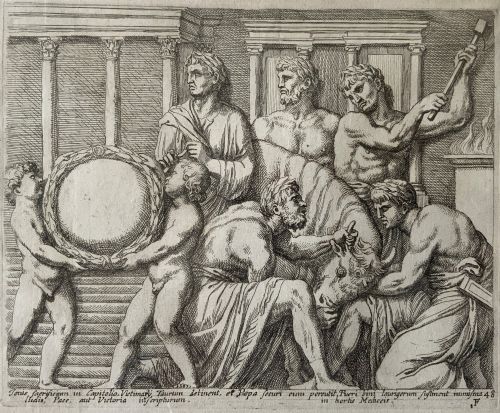
The fundamental medium relies on ink pressed into paper through copper engraving or etching techniques. Artisans carved meticulous lines into metal plates to replicate the proportions of ancient Greek and Roman structures.
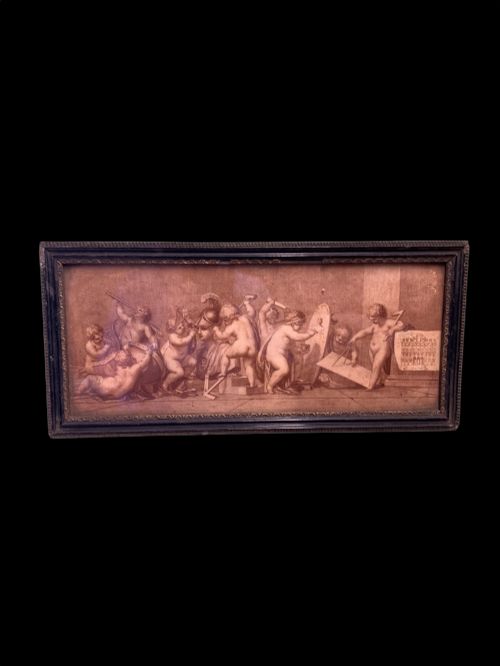
Selected works receive supplementary colour through watercolour or paint applied by hand over the printed lines. Framing utilises wood, occasionally accented with gold leaf to complement the classical subject matter.
The support paper is typically heavy and rag-based, designed to endure centuries without losing the clarity of the architectural line. Glazing with glass protects the delicate paper and pigment from atmospheric damage.
Listings feature paper, ink, and gilded wood across periods ranging from the seventeenth to the twentieth century.
Factors That Distinguish Quality
The crispness of the impression determines visual distinction, as plates worn from heavy printing yield softer, less defined lines. Sharpness in the fine hatching of shadows and capitals indicates an early printing state.
The skill of the original draughtsman and the precision of the engraver dictate the artistic merit of the sheet. Works executed by accomplished hands convey correct perspective and scale with remarkable clarity.
Condition and preservation of the paper stock influence overall desirability. Intact margins, absence of heavy foxing, and original hand colouring elevate the physical presence of the piece.
François Perrier·Francesco Piranesi·Alessandro Mocchetti·James Basire·Edward Rooker·Giovanni Ottaviani
The Classical Architectural Print Glossary
- Engraving
- A printmaking process where an artist cuts lines directly into a metal plate with a sharp tool. This technique produces crisp, permanent lines that hold fine architectural details.
- Etching
- A method where acid bites lines into a metal plate prepared with a protective ground. It allows for free-flowing lines and subtle tonal variations in architectural backgrounds.
- Grand Tour
- A traditional trip through Europe undertaken by upper-class young men to absorb classical culture. Prints served as tangible souvenirs of the monuments and antiquities witnessed abroad.
- Neoclassical
- A style spanning the eighteenth and nineteenth centuries that revived the forms of ancient Greece and Rome. Architecture and art from this movement emphasise symmetry, columns, and proportion.
Classical Architectural Print: Frequently Asked Questions
How should I frame an antique print?
Protect the paper by using acid-free mounts that keep the glazing from touching the surface directly. Wood frames finished simply suit the historic character of these works.
Keep framed pieces away from direct sunlight to prevent the ink and any applied watercolour from fading over time.
Are these prints originals from the stated period?
The listings include original engravings and etchings produced in the seventeenth, eighteenth, and nineteenth centuries. Each sheet corresponds to the historical era of its publication.
Examination of the paper quality, plate marks, and ink impression helps confirm the period of production.
What subjects appear most often?
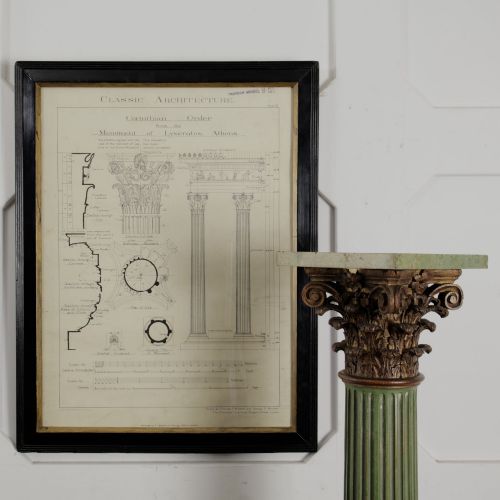
Common subjects include detailed studies of Athenian antiquities, Roman temples, and decorative architectural elements like the Corinthian order. Views of pavilions and mythological scenes also frequently feature.
These motifs reflect the scholarly and aesthetic interests of collectors during the age of discovery.
How do I care for antique paper art?
Maintain stable indoor humidity and temperature to protect fragile rag paper from warping or becoming brittle. Environmental stability prevents the growth of mould and deterioration of the fibres.
Consult a professional paper conservator if cleaning or major structural repair becomes necessary for the sheet.