








Classic Wooden Pedestal
These classic wooden pedestal pieces span mahogany and oak, offering sturdy functional surfaces and grand architectural forms for the home.
Classic Wooden Pedestal
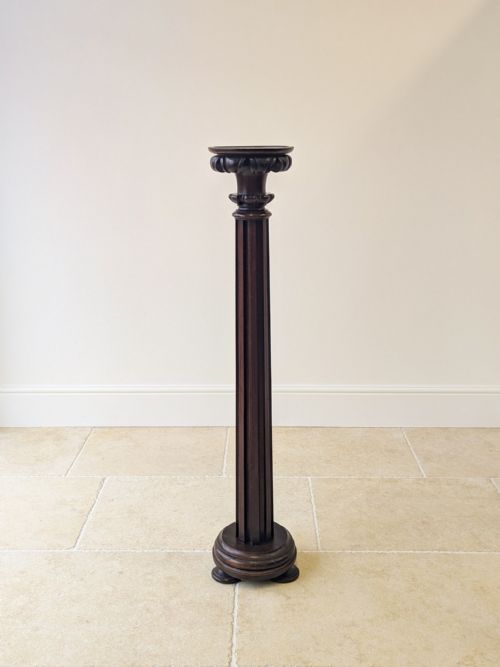
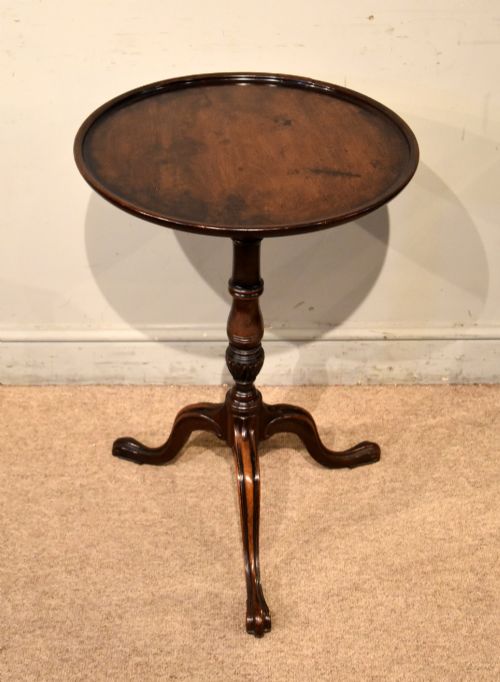
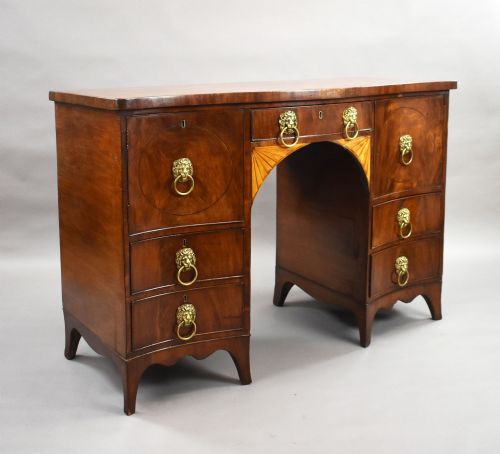
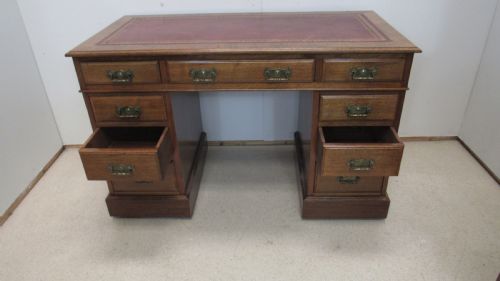
A classic wooden pedestal typically takes the form of a robust desk, a plant stand, or a tall display column designed to elevate objects or support serious study. When you search for this phrase, you encounter substantial writing furniture alongside architectural supports like torchères and columns.
The pieces appearing on this page stretch from the eighteenth century through the Victorian era and into the early twentieth century. Mahogany dominates the selection, accompanied by walnut, painted pine, and golden oak.
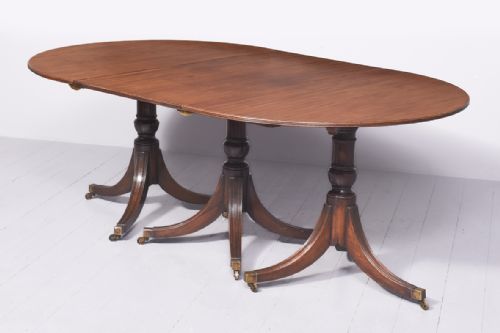
Forms range from compact occasional plant stands to sprawling twin pedestal desks and George III dining tables. Buyers most frequently meet nineteenth-century mahogany interpretations and eighteenth-century examples featuring classical proportions.
Materials and construction methods
Cabinet makers relied heavily on solid mahogany and flame mahogany veneer, often pairing them with secondary timbers like pine. Construction prioritises structural weight and stability, particularly in multi-pedestal dining tables and heavy pedestal desks.
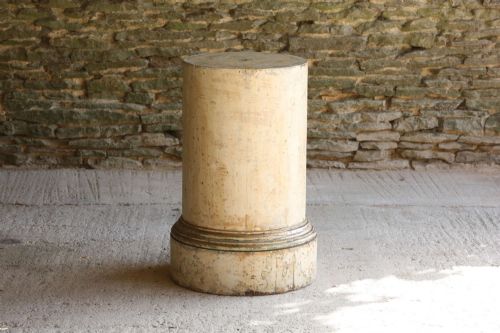
Surface embellishments include boxwood stringing and painted finishes on pine columns, reflecting neoclassical tastes. Polished timber surfaces show careful grain selection, especially on table tops and desk writing panels.
Classic Wooden Pedestal Retail Price Guide 2026
Typical asking prices for classic wooden pedestal among the pieces listed under this phrase on Sellingantiques today, from the lower quarter to the upper quarter. They describe what is for sale here now, not the wider market.
One grand estate desk manages to look entirely businesslike while secretly harbouring enough mahogany to supply a small ship.
Distinctions in craftsmanship
Superior quality rests in the selection of timber figures, such as flame mahogany veneers, and the crispness of carved mouldings rather than mere age. Better desks and tables exhibit balanced proportions and substantial timber thickness throughout their construction.
Execution of secondary details, including fitted drawers and brass hardware integration, separates standard utility items from finer domestic showpieces. The integrity of the foundational pedestal support dictates both visual grace and physical longevity.
The Classic Wooden Pedestal Glossary
- Torchère
- A tall, slender stand designed to hold a candelabrum or lamp. These pieces often feature turned wooden shafts and tripod bases.
- Plinth
- The heavy base supporting a column, statue, or pedestal piece. It provides architectural stability and visual grounding.
- Pedestal Desk
- A large freestanding writing table supported by two banks of drawers. These items form the central workspace in traditional libraries.
- Neoclassical
- A style drawing inspiration from classical antiquity, featuring restrained ornamentation and symmetrical proportions. It appears frequently on eighteenth-century pine columns.
- Flame Mahogany
- A timber veneer displaying a flickering flame-like grain pattern. Cabinet makers reserved this material for prominent surfaces.
Classic Wooden Pedestal: Frequently Asked Questions
What is a pedestal desk?
A pedestal desk comprises a large flat top resting on two separate pedestals containing drawers. This arrangement provides an expansive writing surface and substantial storage capacity.
Originating in earlier centuries, these desks became staple furnishings for studies and offices during the Victorian period.
How do I use a torchère?
A torchère serves as an elevated display surface for plants, lamps, or decorative objects. Its tall, slender profile makes it suitable for corners and empty wall spaces.
These stands lift decorative items to eye level, adding vertical interest to room interiors.
How are mahogany and walnut told apart?
Mahogany displays a reddish-brown hue that deepens with age, often featuring straight grain or dramatic flame patterns. Walnut tends to show a darker, richer brown with more pronounced swirling grain figures.
Both timbers provide the structural strength required for heavy nineteenth-century furniture.
What defines George III style?
George III style encompasses furniture made during the long reign of George the Third, known for refined classical proportions and quality mahogany construction. Pieces often incorporate architectural mouldings and subtle decorative carving.
Later revivals recreate these balanced eighteenth-century geometries for twentieth-century homes.