

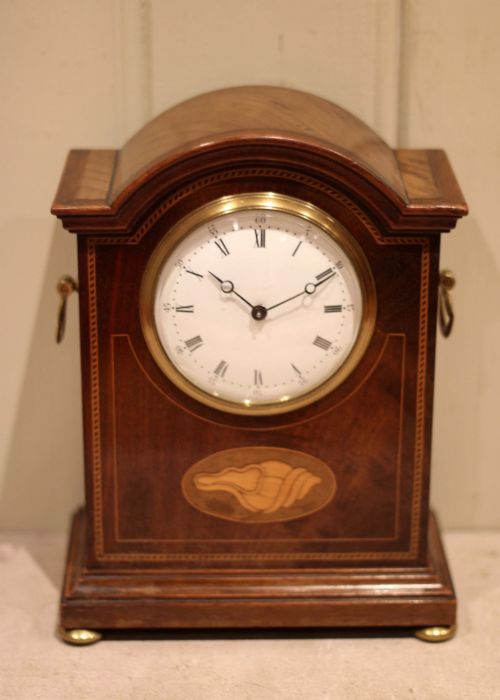
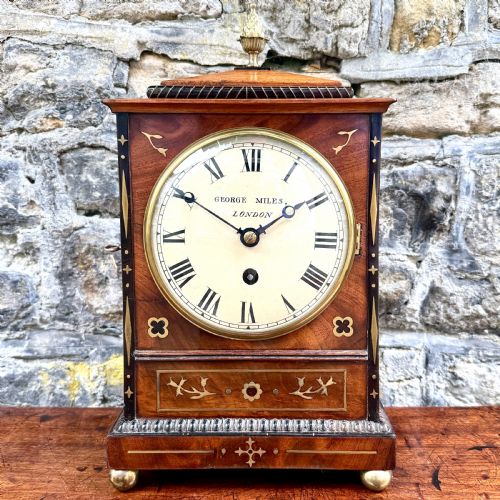


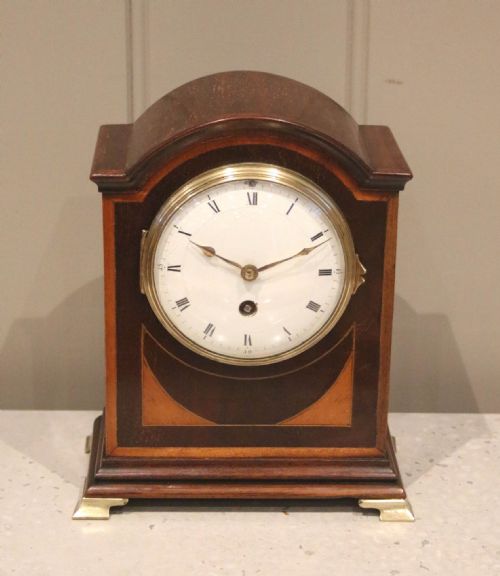


Classic Table Clock
A classic table clock sits quietly on a shelf or desk, marking the hours with mechanical precision while anchoring a room.
Classic Table Clock
When you search for a classic table clock, you encounter a wide spectrum of horological forms ranging from portable carriage clocks to substantial bracket clocks. These timepieces served domestic and library spaces across multiple centuries, keeping households regulated before the age of digital time.
The selections span from the early nineteenth century through the mid-twentieth century, capturing shifts in design from Georgian mahogany to mid-century modern mechanics. Mantel clocks, library clocks, and desk clocks dominate the offerings, built to sit steadily on flat surfaces.
You meet variations in housing materials that include polished brass, rich mahogany, ormolu, and glass. Origin points stretch across English workshops and French ateliers, providing diverse aesthetic choices for interiors.
How they were made
Cabinetmakers utilised hardwoods such as mahogany, rosewood, and oak to construct the outer housings, frequently incorporating satinwood inlay, lemon wood, or brass stringing. These wooden cases required precise joinery to house delicate internal movements securely.
Foundries cast brass, gilt bronze, and ormolu to form ornamental mounts, bezels, and carriage clock frames, often combining polished metal with glass panels to reveal the escapement. Enamel dials received painted numerals and minute tracks fired at high temperatures for legibility.
Classic Table Clock Retail Price Guide 2026
Typical asking prices for classic table clock among the pieces listed under this phrase on Sellingantiques today, from the lower quarter to the upper quarter. They describe what is for sale here now, not the wider market.
Periods represented on this page stretch from the Regency era through Victorian and Edwardian times up to mid-century modern 1960 designs.
What varies in quality
Quality rests in the execution of the movement and the crispness of the case work. Twin fusee movements and complex striking mechanisms demonstrate higher horological ambition than basic timepieces.
Cabinet work shows variation in the depth of timber grain, the precision of marquetry inlay, and the retention of original fire gilding on bronze and ormolu mounts. Makers who signed their dials or movements generally delivered superior standards of finishing.
Charles Frodsham and Holingue Frères·Dent of London·Luxor·DeLa Salle And Christie·James Murray London·Jaeger Le Coultre·Fritz Marti
The Classic Table Clock Glossary
- Fusee
- A conical pulley used in spring-driven clocks to equalise the torque of the mainspring as it unwinds. This mechanism improves the timekeeping consistency of the clock throughout its running power reserve.
- Portico clock
- A distinct architectural mantel clock style supported by four columns resembling a classical temple facade. They gained popularity in nineteenth-century France.
- Carriage clock
- A small, portable spring-driven clock featuring a glass-panelled brass case and a folding handle on top. Originally designed for travel by officers and nobility.
- Bracket clock
- A portable spring-driven clock traditionally designed to sit on a wall bracket or desk. They frequently feature intricate wooden cases and striking trains.
- Ormolu
- Gilded bronze produced by applying a mercury and gold amalgam to cast bronze and heating it. This technique creates a durable golden finish characteristic of decorative French and English clock mounts.
Classic Table Clock: Frequently Asked Questions
What is an Atmos clock?
An Atmos clock is a mechanical timepiece manufactured by Jaeger Le Coultre that runs without human intervention by sensing temperature and atmospheric pressure changes. A hermetically sealed chamber expands and contracts to wind the mainspring.
This clever design allows the clock to operate perpetually in normal indoor conditions without batteries or manual winding. They require stable placement away from drafts and vibrations.
How do I tell a carriage clock from a bracket clock?
Carriage clocks are constructed primarily from brass and glass with carrying handles on top, designed for portability. They usually date from the nineteenth or twentieth century.
Bracket clocks feature wooden cases made from mahogany, walnut, or rosewood, sitting on feet rather than hanging from a bracket in modern usage. Their proportions are typically heavier and more architectural.
Where should I place a table clock in my home?
Table clocks require a sturdy, level surface such as a mantelpiece, sideboard, or desk to ensure the escapement beats evenly. Stability is critical for maintaining accurate timekeeping.
Avoid placing them in areas subject to excessive moisture, direct sunlight, or heavy vibrations from passing traffic. A stable environment protects both timber cases and delicate metal movements.