


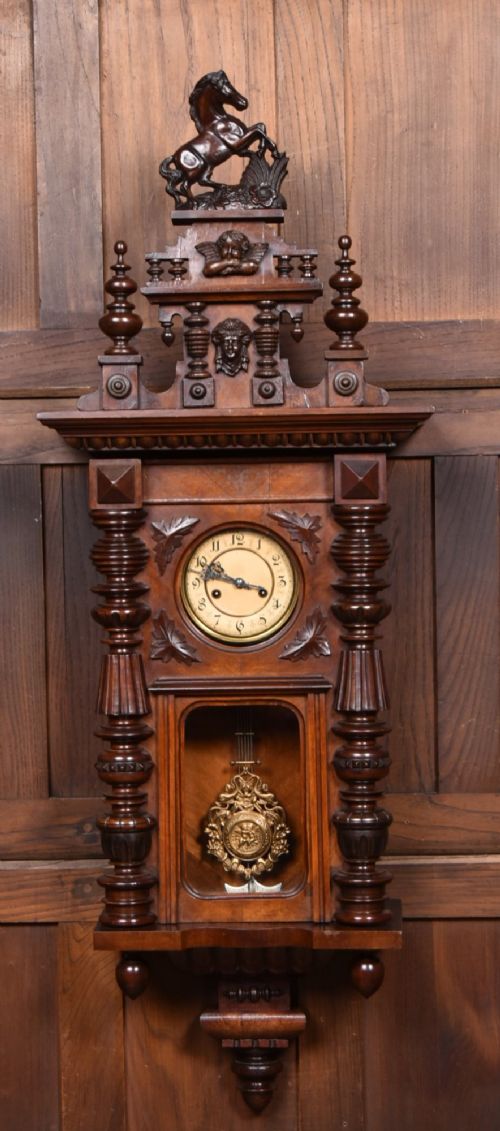


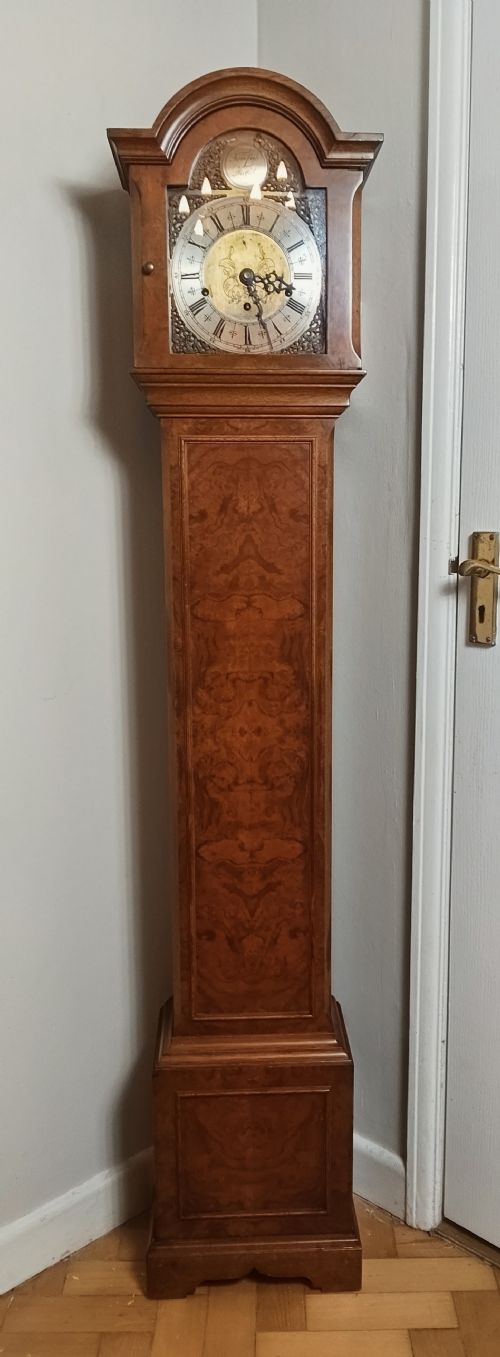
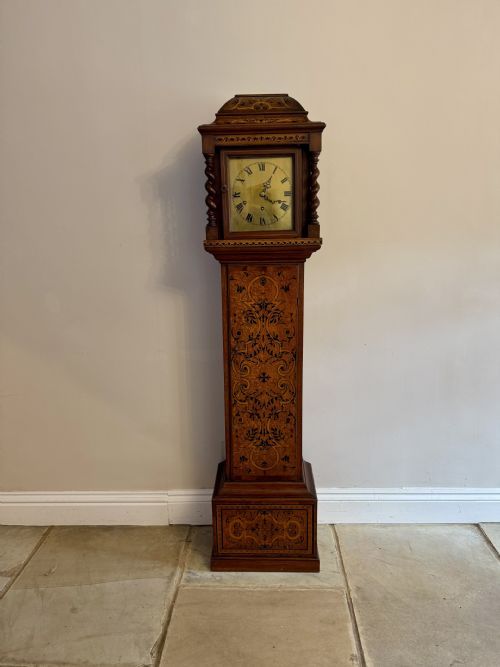
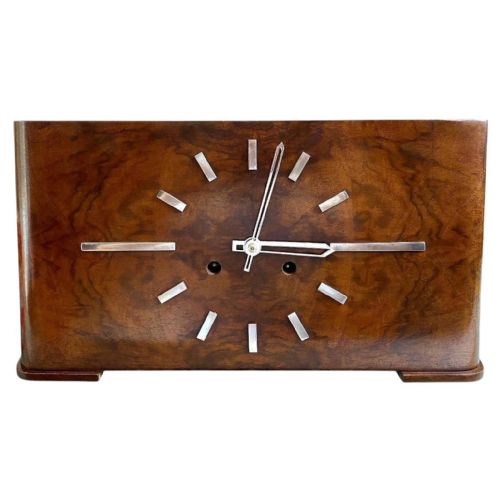
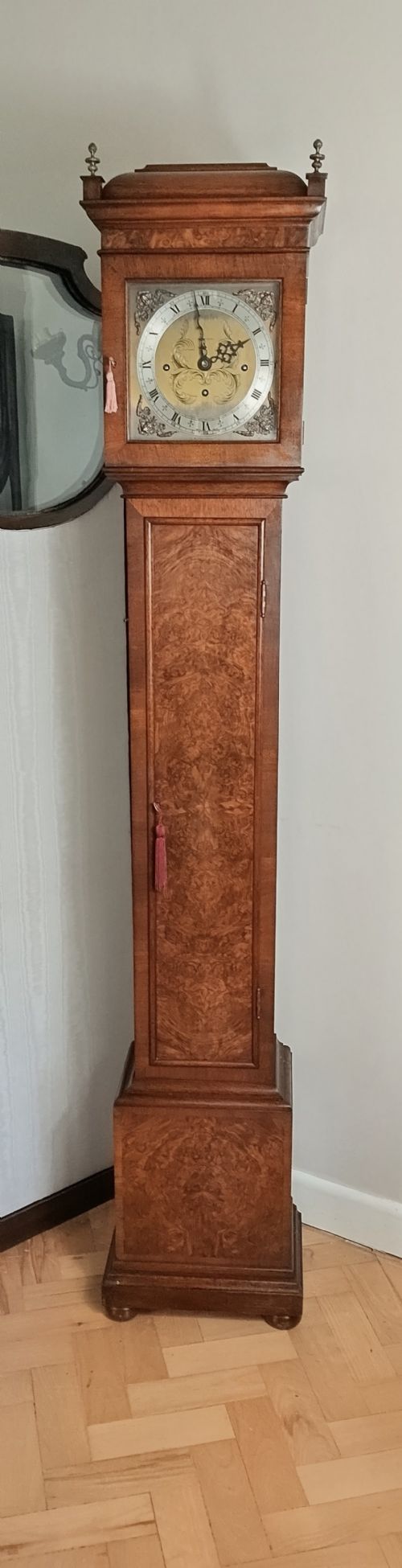
Walnut Chime Clock
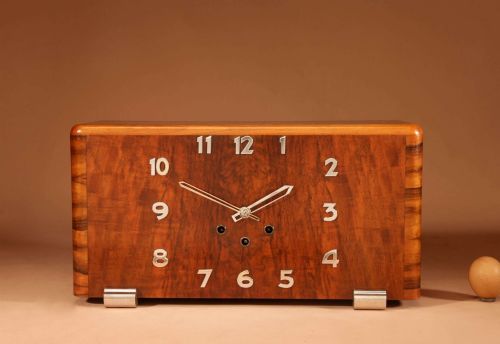
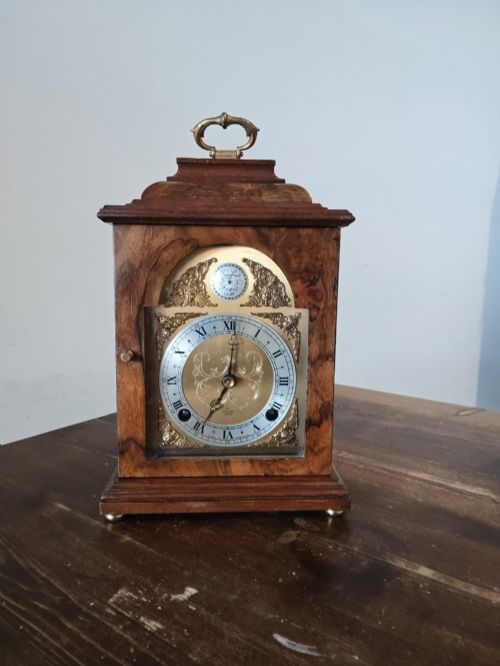
A walnut chime clock brings deep timber grain and resonant acoustic melodies into a room, uniting mechanical engineering with traditional cabinetmaking.
Walnut Chime Clock
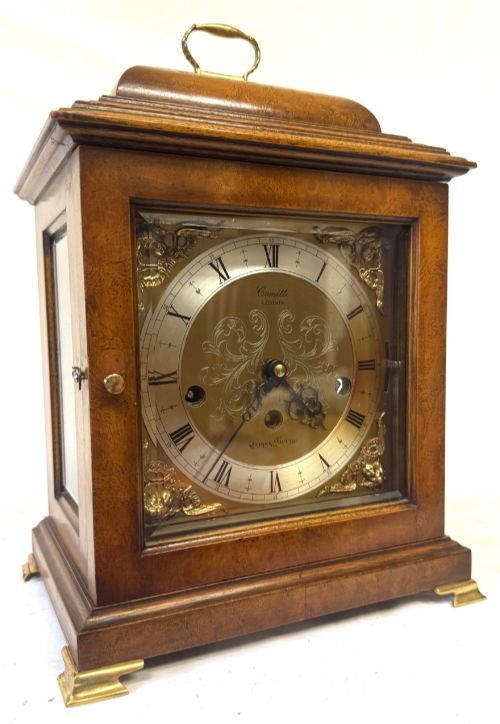
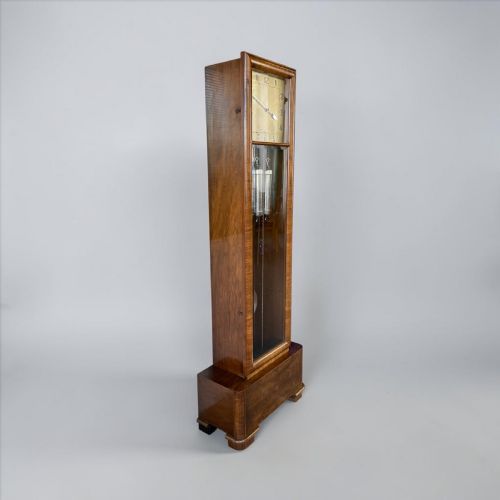
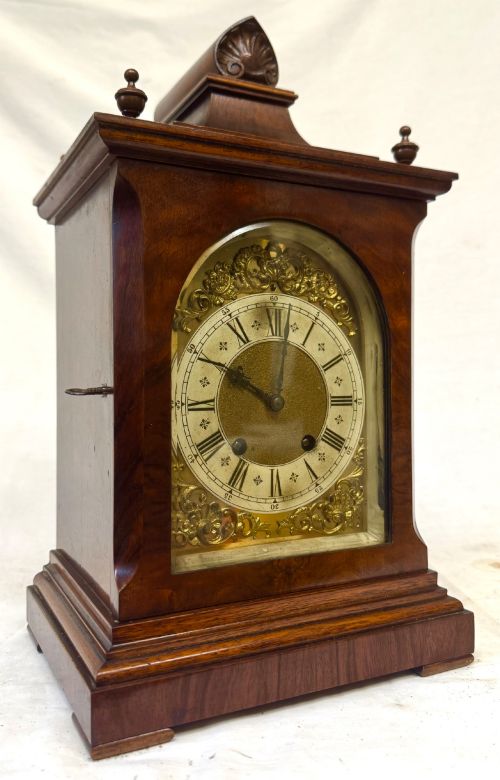
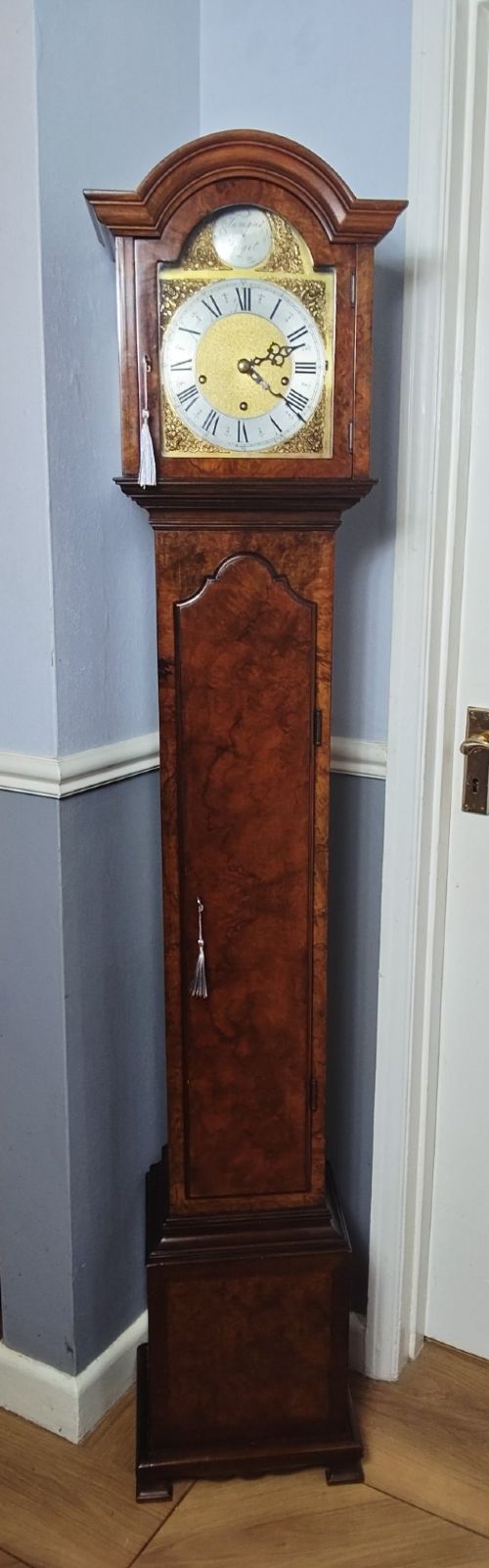
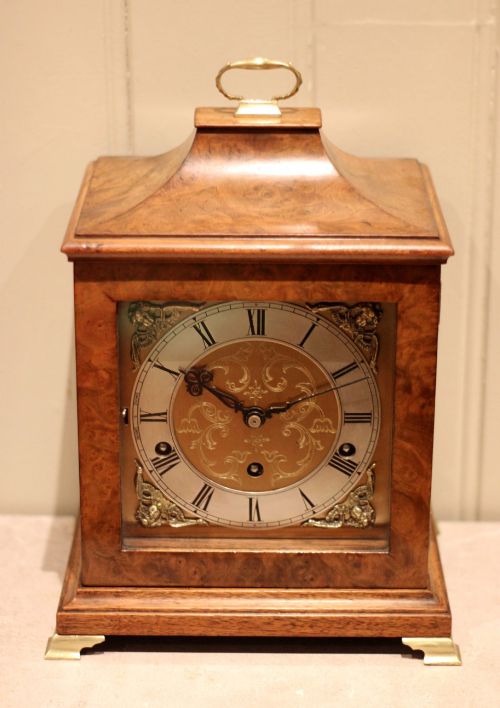
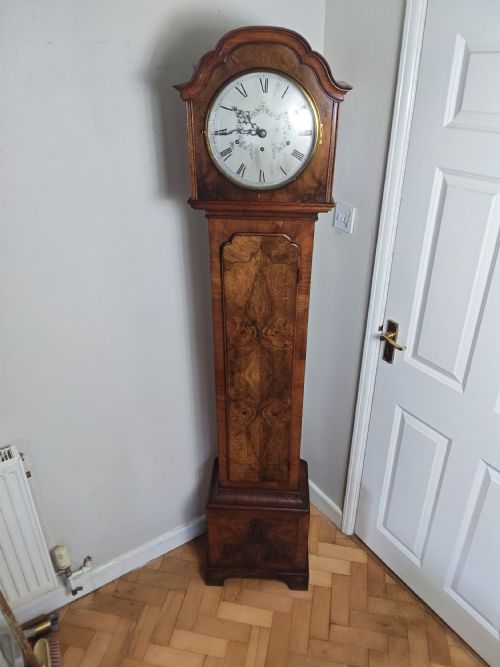
A walnut chime clock encompasses several traditional forms, ranging from compact mantel and bracket variants to taller grandmother and grandfather longcase clocks designed to anchor a hallway or reception space.
The selection includes Victorian examples alongside distinct Art Deco pieces from the twentieth century, reflecting shifting domestic tastes across decades of British, German, French, and Italian horology.
Buyers seeking this specific search phrase will encounter varying acoustic arrangements, from simple striking movements to multi-tune carillons playing Westminster, Whittington, or St Michael melodies.
Materials and Construction
Cabinetmakers relied on walnut and highly figured burr walnut veneers over solid carcases, often highlighting complex grain patterns or incorporating marquetry inlay.
Internal movements combine brass plates, wheels, and pinions with steel arbors, driving mechanisms that operate bells, gongs, or tubular bells.
Dials incorporate brass elements, silvered chapter rings, enamel cartouches, and glass viewing panels held within polished wooden bezels and doors.
Walnut Chime Clock Retail Price Guide 2026
Typical asking prices for walnut chime clock among the pieces listed under this phrase on Sellingantiques today, from the lower quarter to the upper quarter. They describe what is for sale here now, not the wider market.
Some miniature grandmother clocks prove that good things arrive in remarkably slender wooden packages.
Assessing Horological and Cabinet Quality
Quality rests significantly on the sophistication of the movement, distinguishing standard striking mechanisms from complex triple-weight musical gearboxes with multiple tune selections.
The execution of the timber housing sets finer pieces apart, particularly where veneer matching, quarter-veneered panels, and burr walnut selections show intentional cabinet design.
Signatures from established makers and retailers indicate workshop provenance, separating standard commercial production from bespoke horological engineering.
Comitti Of London·Mappin & Webb·ELLIOTT·Gustav Becker·Winterhalder & Hofmeier·Thwaites And Reed·Perivale
The Walnut Chime Clock Glossary
- Bracket clock
- A portable timepiece traditionally designed to sit upon a matching wall bracket, though frequently placed on mantelpieces and tabletops.
- Grandmother clock
- A slender longcase clock standing shorter than a traditional grandfather clock, popular in twentieth-century domestic interiors.
- Carillon
- A mechanical system utilising multiple hammers and gongs or bells to play structured musical tunes rather than simple hour strikes.
- Fussee
- A conical pulley connected to the mainspring by a chain or cord, designed to equalise the force of the spring as it unwinds.
- Vienna regulator
- A precision pendulum wall clock developed in Austria, celebrated for clean case lines and weight-driven movements.
Walnut Chime Clock: Frequently Asked Questions
How often should a mechanical chime clock be wound?
Most movements require winding every eight days, though certain 14-day or three-weight variants operate for longer periods between interventions.
Consistent winding routines help maintain correct tension on the mainsprings, ensuring steady timekeeping and reliable acoustic output from the gongs or bells.
Where is the best place to position a longcase clock?
Grandmother and grandfather longcase clocks require stable, level flooring away from direct sunlight, central heating vents, and damp exterior walls.
Placing the case securely against a solid wall prevents floor vibrations from interfering with the precise swing of the internal pendulum.
What is the difference between a mantel clock and a bracket clock?
Originally, bracket clocks were built with carrying handles to allow movement between rooms, whereas traditional mantel clocks were constructed strictly for stationary tabletop display.
Over time, the terminology merged as clockmakers adapted portable bracket clock designs into permanent mantel ornaments housed in matching walnut cases.
How do multi-tune movements operate?
Multi-tune mechanisms utilise a pinned cylinder or interchangeable gear train that lifts specific hammers to strike different gongs in sequence.
This complex arrangement allows the clock to play recognised melodies like the Westminster or Whittington chimes alongside the standard hourly count.