


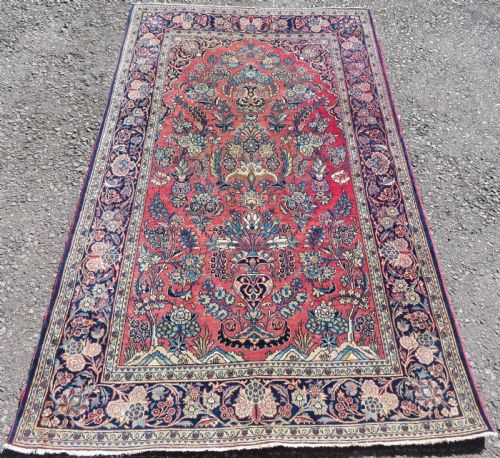


Classic Persian Floor Carpet
A classic persian floor carpet brings substance and heritage to a room, offering centuries of woven artistry for modern living spaces.
Classic Persian Floor Carpet
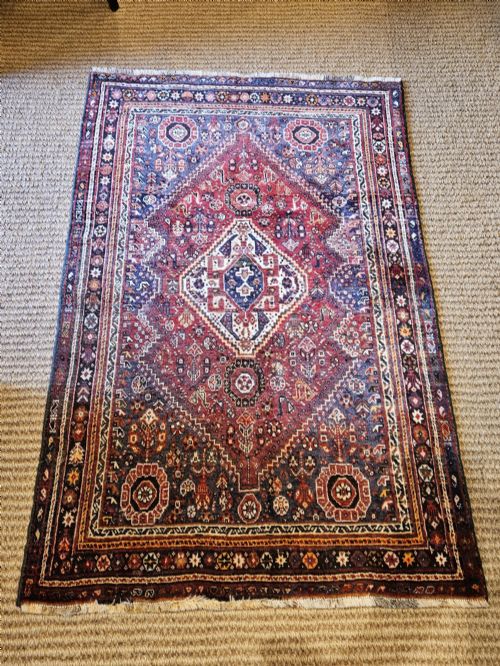
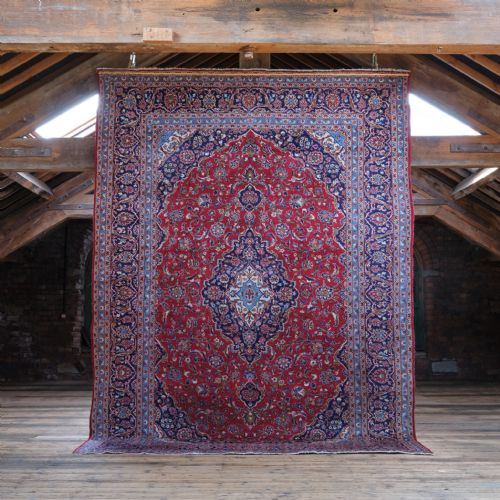
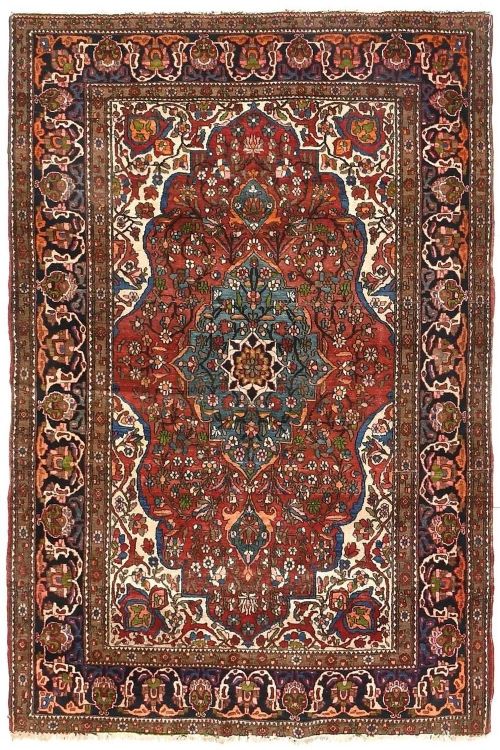
A classic persian floor carpet encompasses woven floor coverings originating from various recognised centres such as Heriz, Kashan, Isfahan, and Tabriz, dating from the late nineteenth century through to the mid twentieth century. These pieces display traditional designs including medallion layouts, floral motifs, and distinctive village patterns.
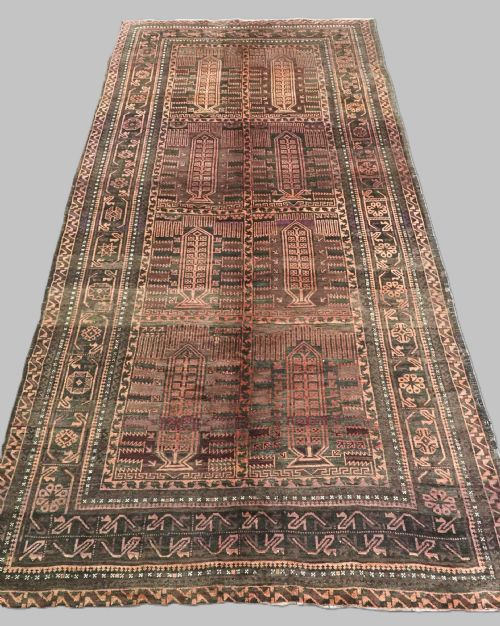
Buyers will encounter room-size carpets, large area rugs, and smaller tribal formats on this page. The listings present named types such as Saroq, Timuri, Baluch, Kirman Lavar, Mahal, Ziegler and Co, Tafresh, Fereghan, and Senneh.
Materials and construction
These floor coverings utilise natural materials predominantly consisting of wool pile and cotton foundations, occasionally incorporating goat hair in specific tribal examples. Hand knotting techniques secure the pile firmly to the warp and weft threads.
Natural dyes provide the colour palette, yielding stable tones that mature with age. The construction methods combine structural durability with intricate pattern work executed by skilled weavers.
The listed pieces span eight distinct decades of production, ranging from eighteen seventy up to nineteen forty, predominantly utilising wool and cotton.
Assessing quality and merit
Quality separates examples by the precision of knot density, the subtlety of the natural dye palette, and the integrity of the structural foundation. Finer rugs exhibit crisp execution of complex floral or medallion designs.
Condition and scale influence the desirability of each piece. Larger room-size carpets require exceptional structural preservation across extensive surface areas to maintain their decorative integrity.
Ziegler and Co
The Classic Persian Floor Carpet Glossary
- Medallion
- A central ornamental motif positioned in the middle of the carpet field. This design element frequently anchors the symmetrical layout of classical Persian weaving.
- Warp
- The stationary vertical threads stretched upon the loom that form the structural skeleton of the carpet. The fringe at either end of the rug consists of these extended threads.
- Weft
- The horizontal threads passed alternately over and under the warp threads between rows of knots. They bind the structure together across the width of the piece.
- Natural Dyes
- Colourants derived from plant, insect, and mineral sources prior to the widespread introduction of synthetic alternatives. They produce rich, variable tones that mellow gracefully over time.
Classic Persian Floor Carpet: Frequently Asked Questions
How do I clean a vintage carpet?
Professional specialist cleaning is essential for antique wool and cotton floor coverings. Regular gentle vacuuming without a beater bar removes surface dust safely.
Water and household detergents risk damaging natural dye fixatives and rotting the cotton foundation. Consult a specialist familiar with antique textiles for any deep cleaning requirements.
Where should I place these rugs?
These floor coverings suit low-traffic or moderate-traffic living areas where their structural pile can endure daily use without excessive wear. Using a quality underlay prevents slipping and cushions the foundation against hard flooring.
Protecting the wool from prolonged direct sunlight preserves the natural dye colours. Rotating the carpet periodically ensures even exposure and wear across the surface.
How do I identify a Heriz design?
Heriz carpets typically feature bold geometric medallion structures accompanied by large-scale corner spandrels. The colour schemes frequently employ strong rust, red, and navy tones.
The knotting tends to be coarser and sturdier compared to urban workshop counterparts like Isfahan or Kashan. This robust construction suits larger room-size formats.
What is a Baluch main carpet?
Baluch and Timuri rugs originate from nomadic or tribal weavers sharing border regions, characterised by darker palettes and characteristic geometric repeat patterns. These pieces often incorporate camel wool or goat hair within the structure.
Formats are generally smaller or runner-sized compared to grand city carpets. Their designs reflect ancestral tribal motifs rather than formal court patterns.