



Classic Omega Dress Watch
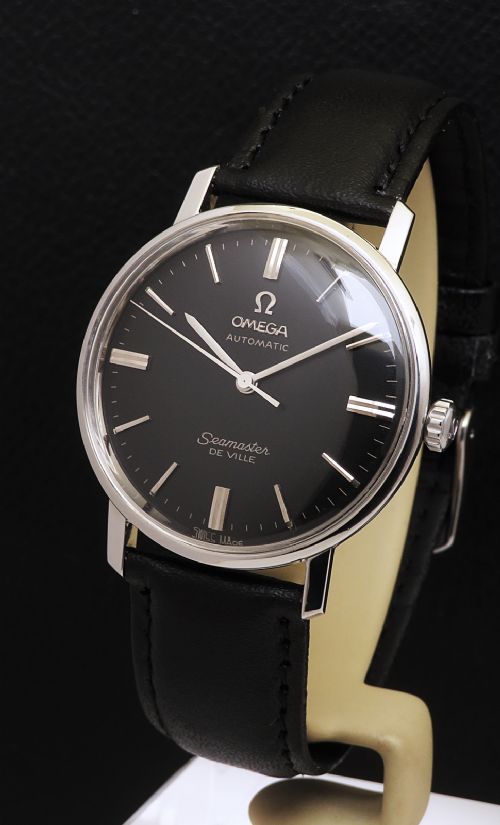
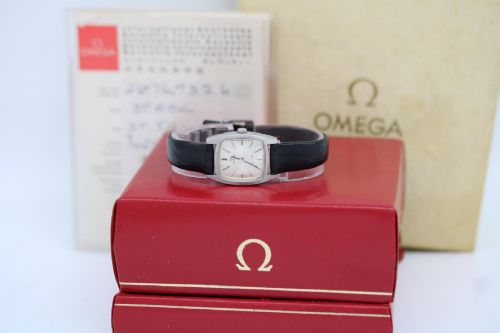
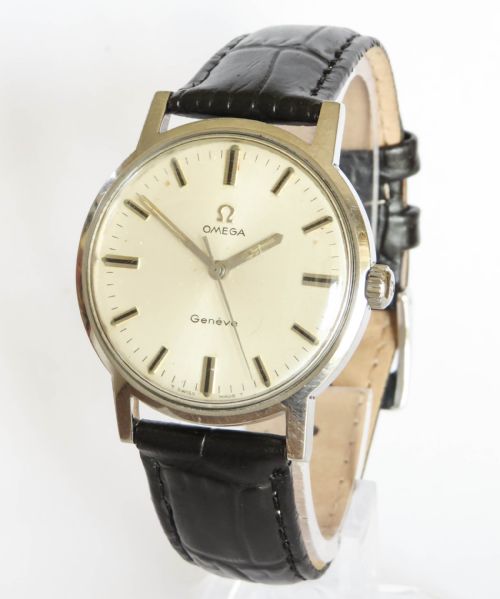
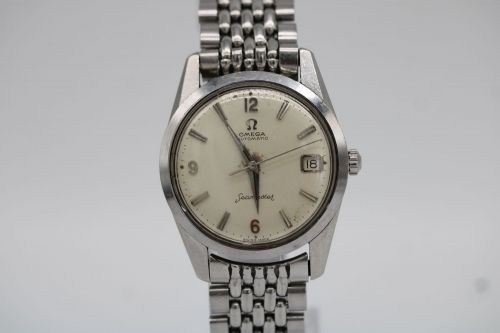
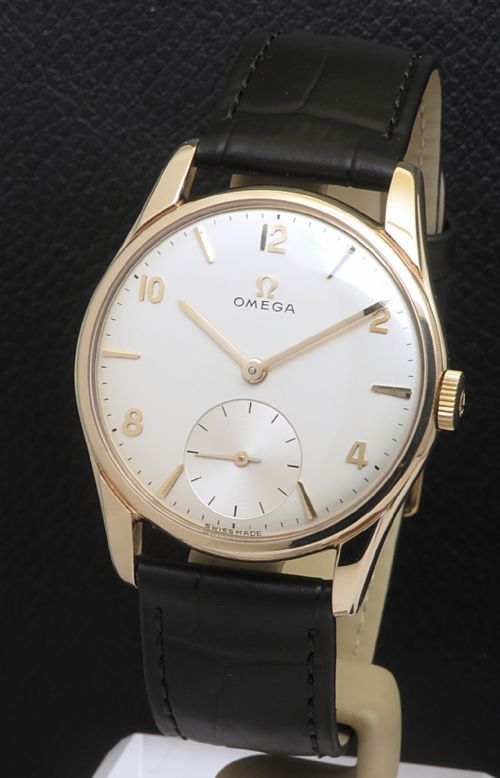
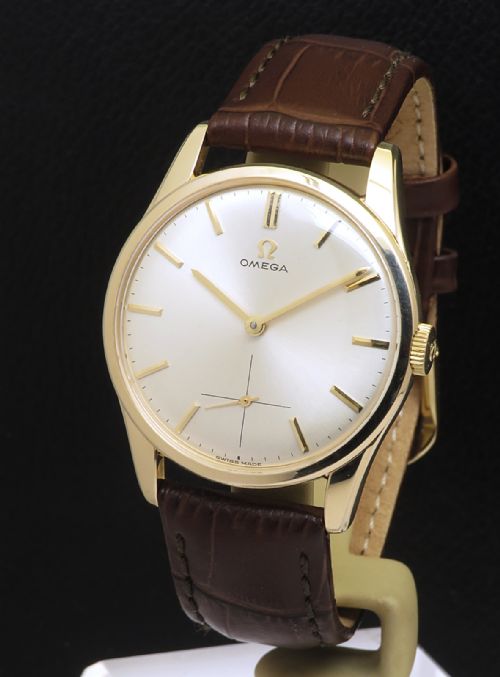
A classic omega dress watch brings mid-century precision to the wrist, offering reliable mechanical timekeeping housed in slim, elegant proportions.
Classic Omega Dress Watch
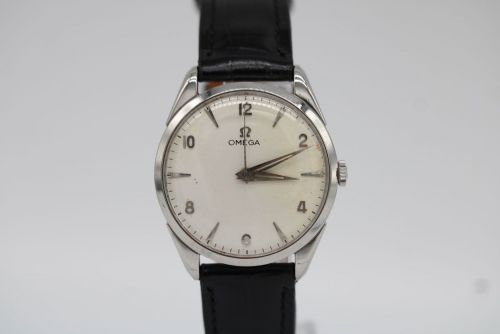
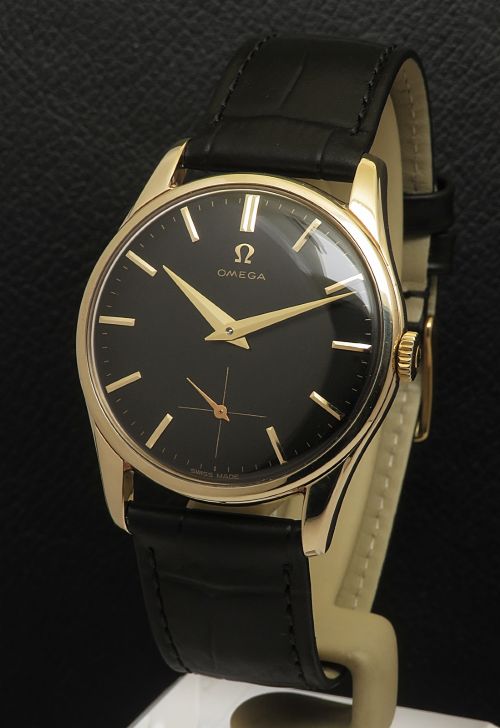
A classic omega dress watch represents a distinct era of horological design, predominantly spanning the nineteen-fifties and nineteen-sixties with occasional examples from the nineteen-forties. These wristwatches function primarily as sophisticated timepieces intended for formal or daily wear rather than utilitarian tasks.
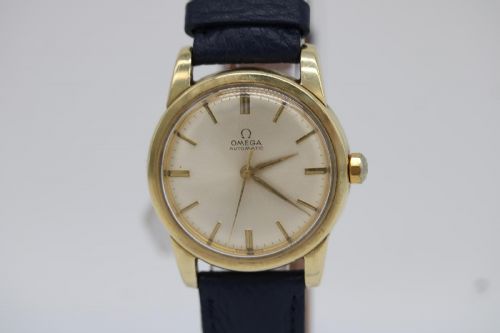
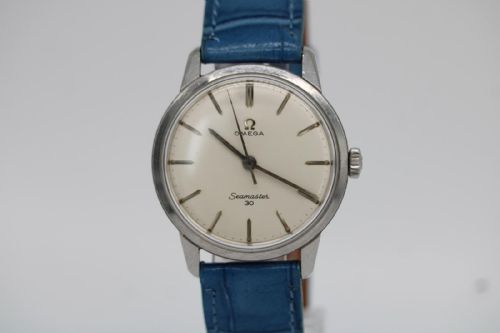
The pieces encountered on this page include well-known lines such as the Seamaster, De Ville and Genève. Formats range from manual wind movements to automatic calibres, housed in slim cases that sit comfortably beneath a shirt cuff.
Materials and construction
Cases utilise solid nine-carat gold, eighteen-carat gold, gold plate and stainless steel, paired with acrylic glass or glass crystals over the dial. Leather straps complete the traditional configuration of these wristwatches.
Movements rely on mechanical ingenuity, utilising manual wind and automatic calibres such as the 267, 268, 552 and 562. Dials feature applied markers, patinated finishes and distinct sunburst patterns.
A nineteen-forties red star timepiece brings an unexpected dash of early ideology to the quiet dignity of a gold dress watch.
Evaluating quality and condition
Quality separates through the integrity of the dial and the original condition of the case. Unpolished metal surfaces and factory-original dials command higher regard than restored or heavily altered examples.
The precision and originality of the internal mechanical movement dictate the true standard of the piece. Well-preserved calibres with documented service histories represent the upper tier of these wristwatches.
The Classic Omega Dress Watch Glossary
- Calibre
- The specific internal mechanical movement manufactured by the watchmaker. Each calibre number denotes a particular design and size of mechanism.
- Manual wind
- A mechanical movement requiring the wearer to turn the crown by hand to tension the mainspring. This system dispenses with the need for an oscillating weight.
- Automatic
- A self-winding mechanical movement that uses the natural motion of the wearer's wrist to power the mainspring. An internal rotor turns to keep the watch running.
- Acrylic glass
- A lightweight, shatter-resistant synthetic material used for watch crystals. It can be polished to remove surface scratches.
- Patina
- The natural ageing and discoloration that occurs on a dial over time. Collectors often prize uniform patination for its authenticity.
Classic Omega Dress Watch: Frequently Asked Questions
How do I wind a manual watch?
Turn the crown gently in a clockwise direction until you feel slight resistance. Stop immediately to avoid damaging the internal mainspring.
Wind the watch at the same time each day to maintain consistent tension and accurate timekeeping.
Are these watches waterproof?
Vintage dress watches generally lack modern water resistance seals and gaskets. Even models bearing the Seamaster name should be kept away from water.
Exposure to moisture can damage the dial, rust the steel components inside, and ruin the leather strap.
What is a jumbo case?
A jumbo case refers to a wristwatch case manufactured with a larger diameter than the standard sizing of its specific decade. These larger proportions appeal to modern preferences.
In historical terms, a watch measuring thirty-four or thirty-five millimetres was considered notably expansive for a formal timepiece.
How do I set the time?
Pull the winding crown outward to its first click position. Rotate the crown forward or backward until the hands indicate the correct hour.
Push the crown firmly back flush against the side of the case to restart the movement and protect the mechanism from dust.