
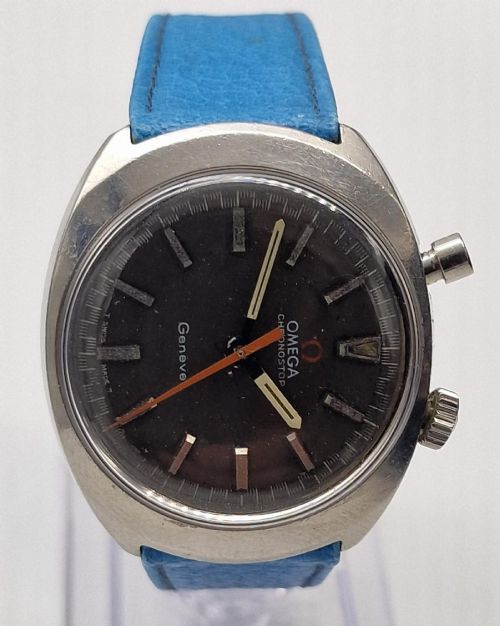
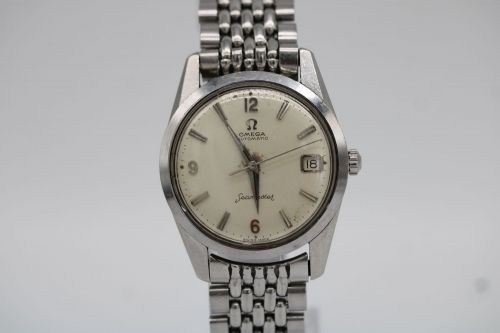
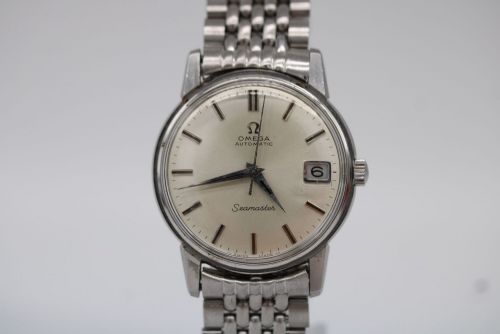
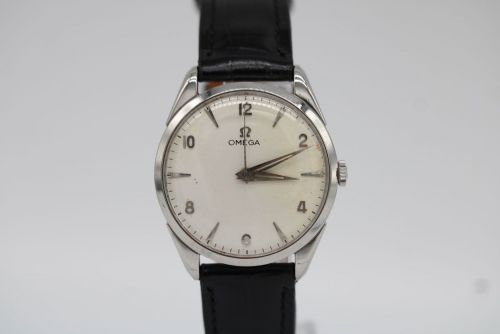

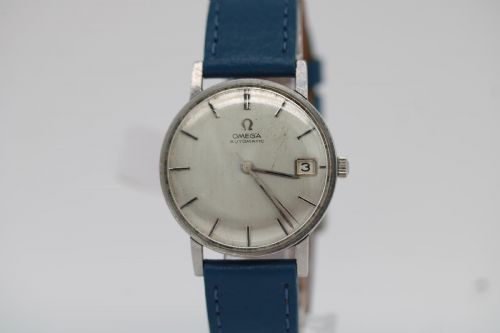
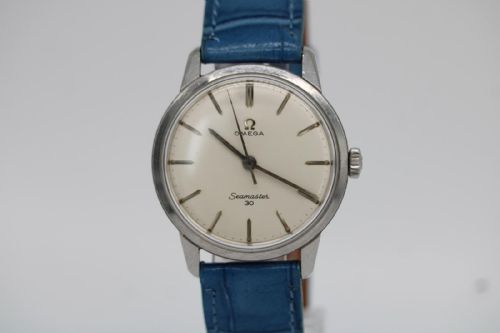
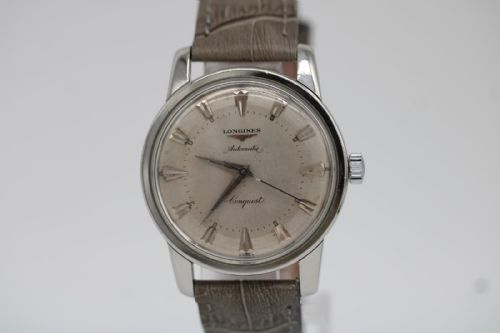
1960s Stainless Steel Watch
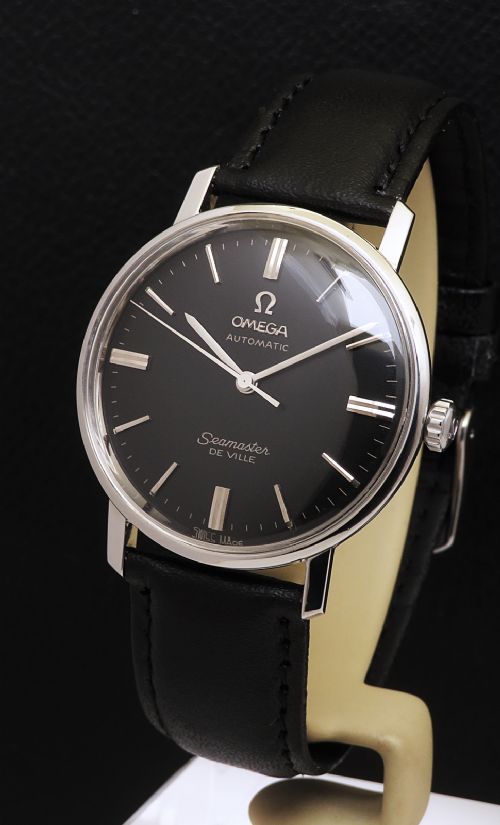
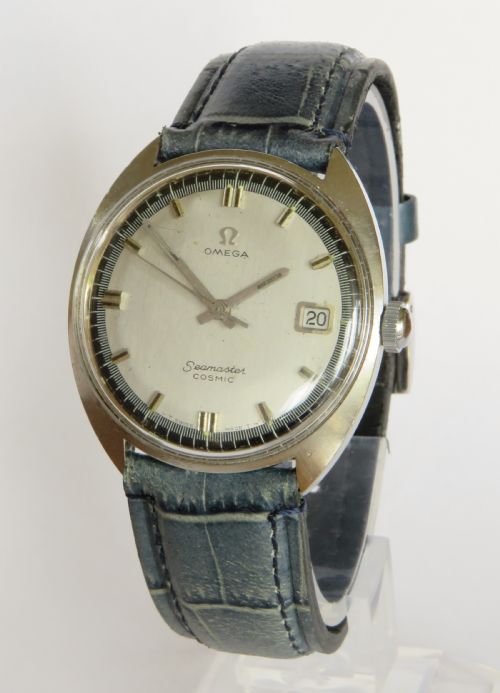
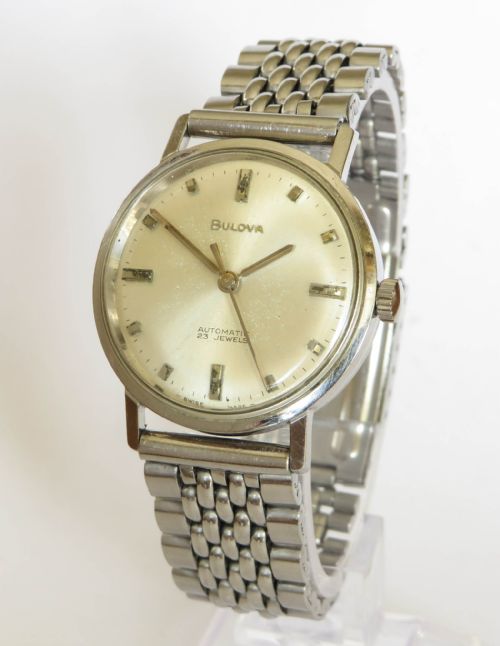
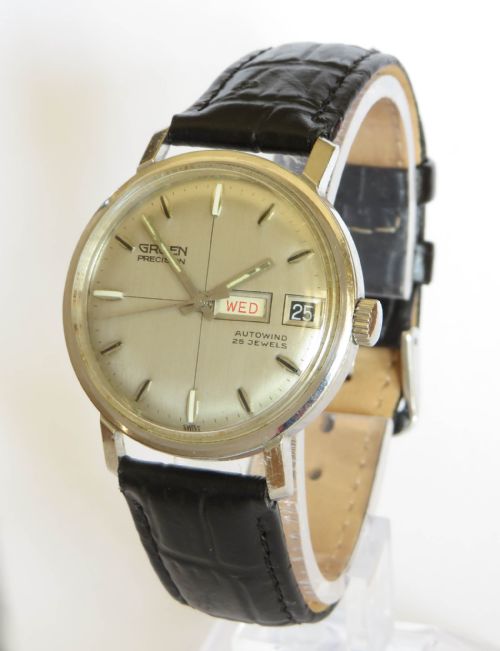
A 1960s stainless steel watch delivers mid-century design and mechanical horology on the wrist.
1960s Stainless Steel Watch
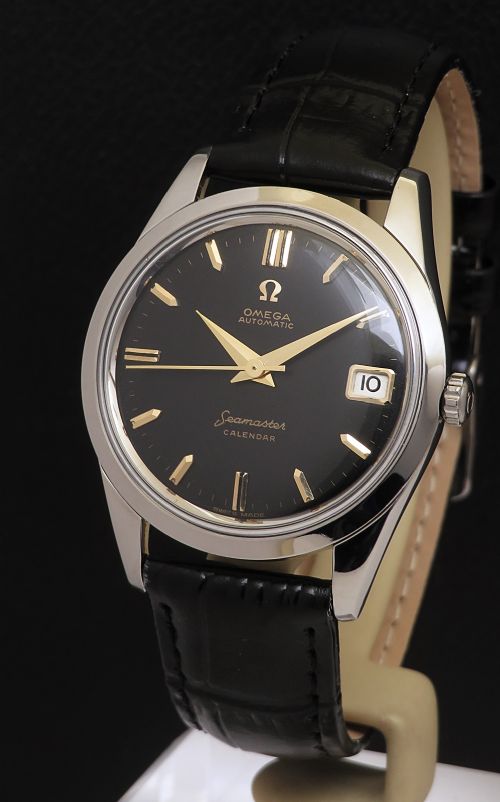
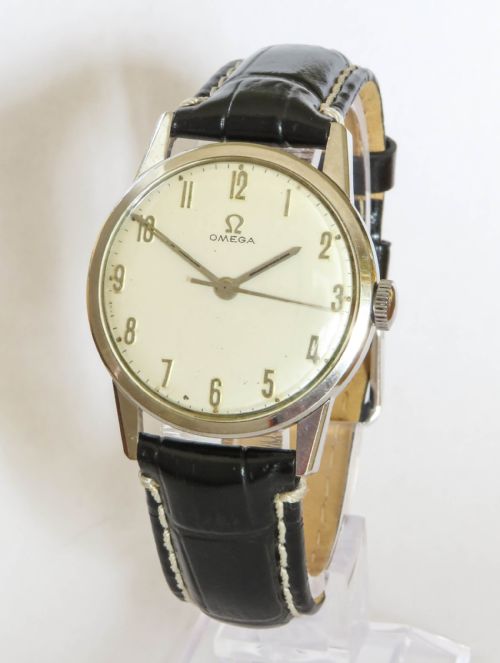
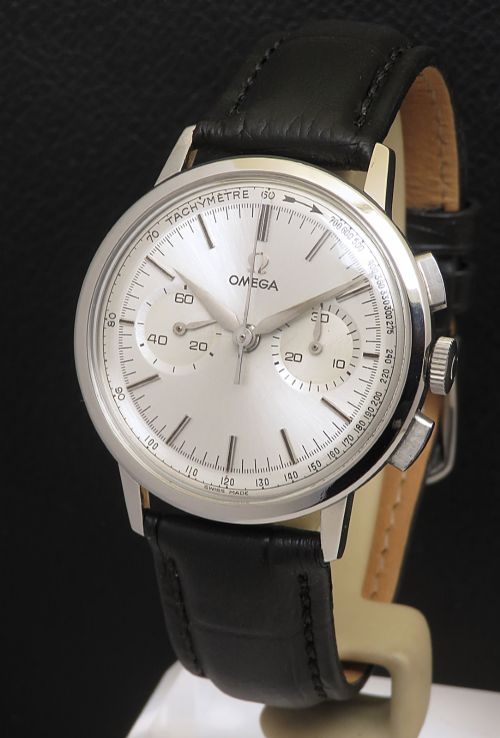
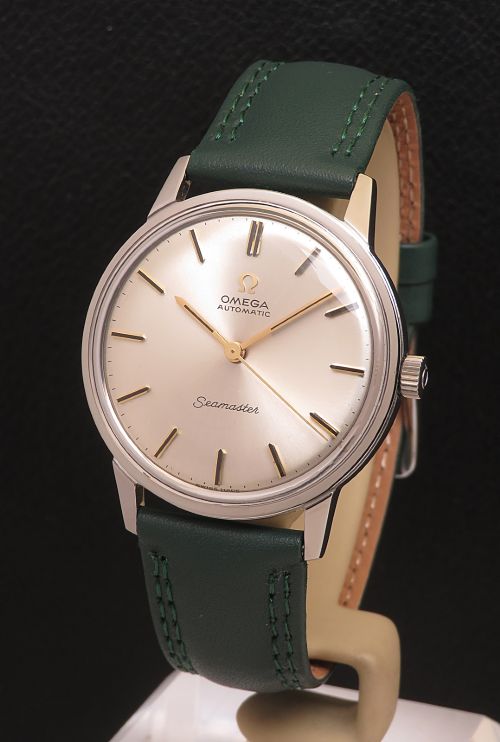
When you examine a 1960s stainless steel watch, you encounter wristwatches and chronograph wristwatches produced during that decade. These pieces originate from periods designated as 1960 and later than 1960.
The version you are most likely to meet on this page is the gents wrist watch, frequently housing automatic or manual wind movements. Many examples bear the signatures of notable makers such as Omega, Rolex, and Breitling.
Such timepieces reflect mid-century modern, mid-century military, and vintage aviation styles. They combine robust metal housings with practical dials suited to daily wear.
Distinctions in quality
Quality varies according to the complexity of the internal mechanism, such as chronograph complications versus standard time-only calibres. The precision and finish of movements like automatic or manual wind calibres set certain examples apart.
Originality of components, including dials, hands, and signed crowns, dictates the standing of a piece within its category. Professional restoration and servicing also influence how reliably the watch operates today.
Listings feature stainless steel cases paired with leather or fabric straps, protected by glass or acrylic crystals.
Omega·Bulova·Gruen·Seiko·Longines·Breitling·Tudor·Eterna·Rolex·Tissot·Invicta
The 1960s Stainless Steel Watch Glossary
- Calibre
- The specific internal mechanical movement manufactured for a watch. It defines the technical design and layout inside the case.
- Chronograph
- A watch equipped with a stopwatch function alongside regular timekeeping. Independent hands measure elapsed seconds, minutes, and hours.
- Automatic
- A self-winding mechanical movement that uses the natural motion of the wearer's wrist to power the mainspring. This removes the need for daily manual winding.
- Acrylic glass
- A lightweight, shatter-resistant plastic material used for crystal watch covers. It offers a characteristic warm distortion when viewed at an angle.
- Manual wind
- A mechanical movement powered by turning the crown by hand to tension the mainspring. The wearer must repeat this action regularly to keep the watch running.
1960s Stainless Steel Watch: Frequently Asked Questions
How do I wind a manual watch?
Rotate the crown clockwise between your thumb and forefinger until you feel resistance.
Stop turning immediately to avoid damaging the internal mainspring.
Are these watches waterproof?
Vintage pieces rarely retain their original factory water resistance ratings.
Moisture can easily bypass aged seals and crystals, so avoid submerging them.
What is an automatic movement?
An internal weighted rotor spins freely as your arm moves throughout the day.
This motion winds the mainspring automatically without requiring manual crank action.
How often need they be serviced?
Mechanical watches require professional cleaning and lubrication every few years.
Watchmakers dismantle the movement to remove old oils and check component wear.