

Classic Oil Canvas Artwork
Classic oil canvas artwork brings centuries of painted portraits, landscapes and still lifes into domestic spaces.
Classic Oil Canvas Artwork
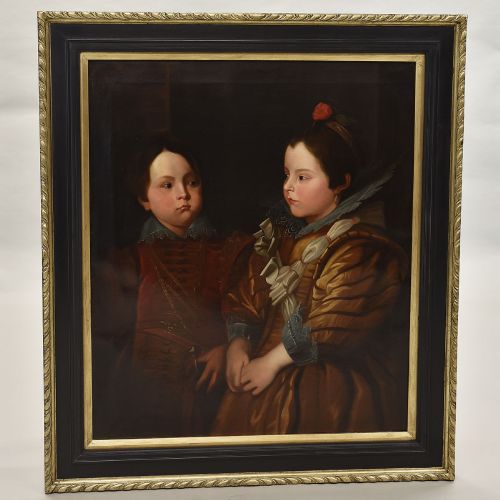
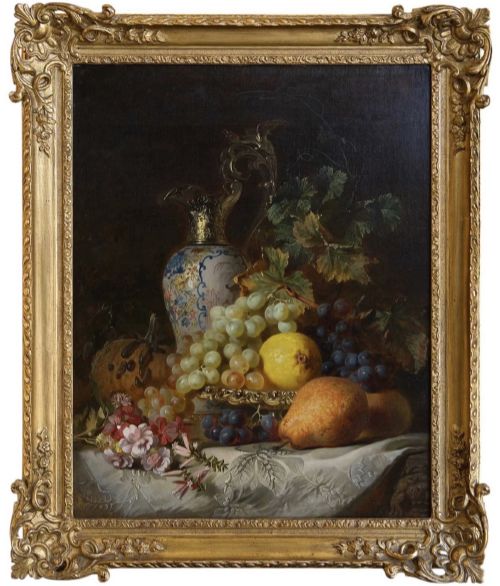
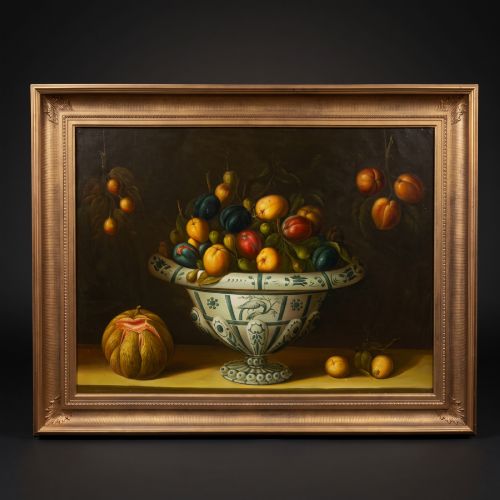
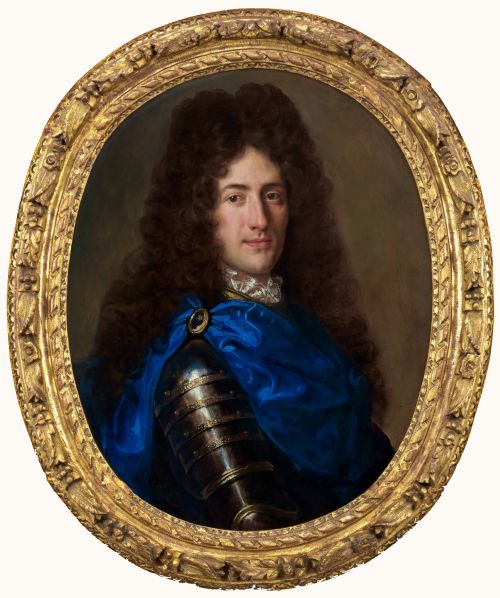
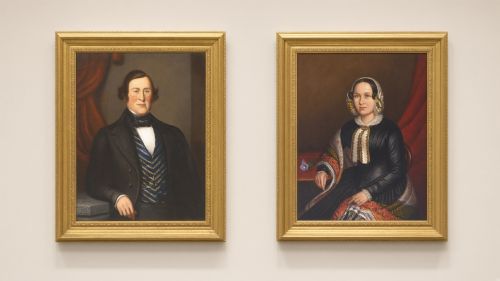
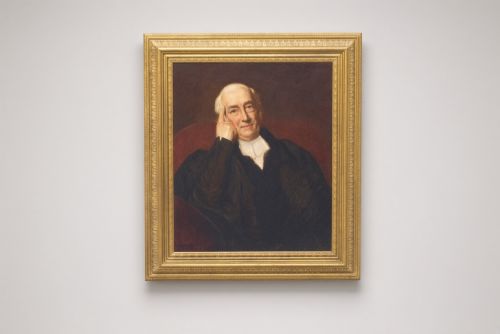
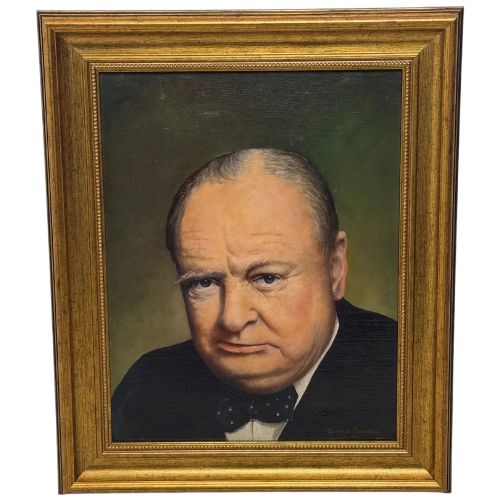
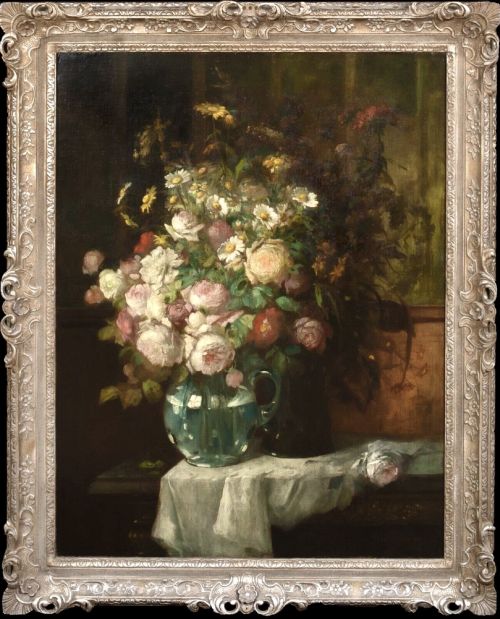
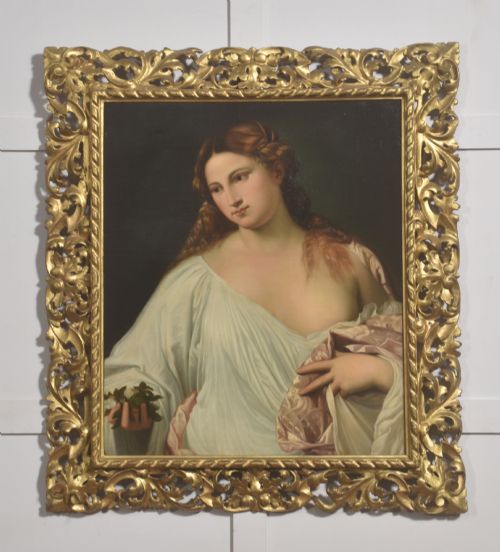
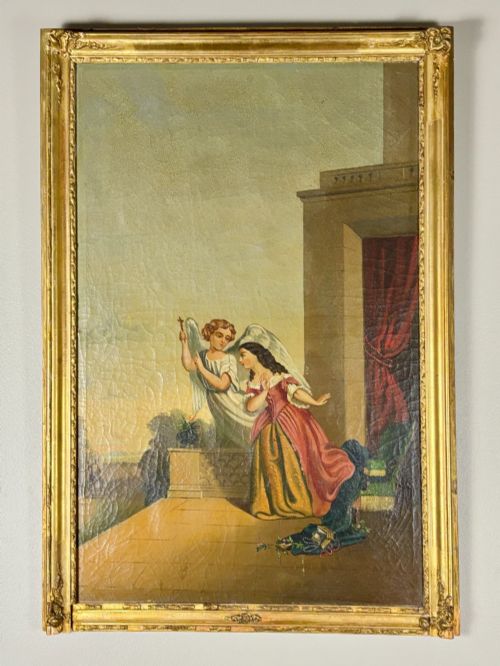
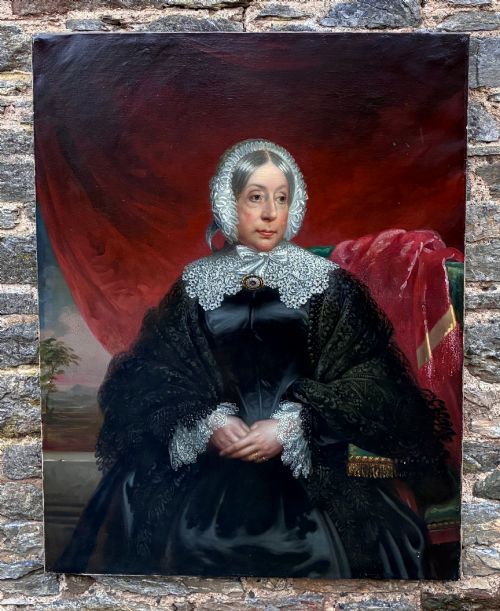
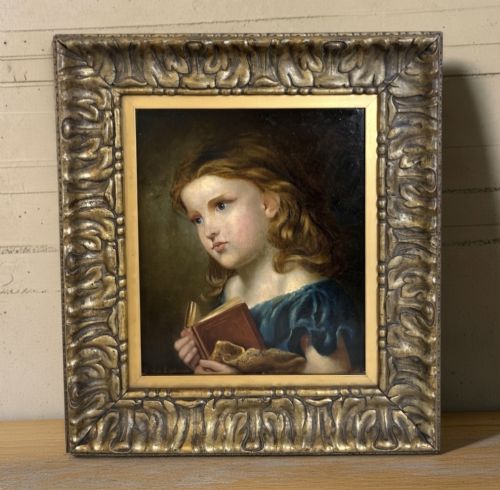
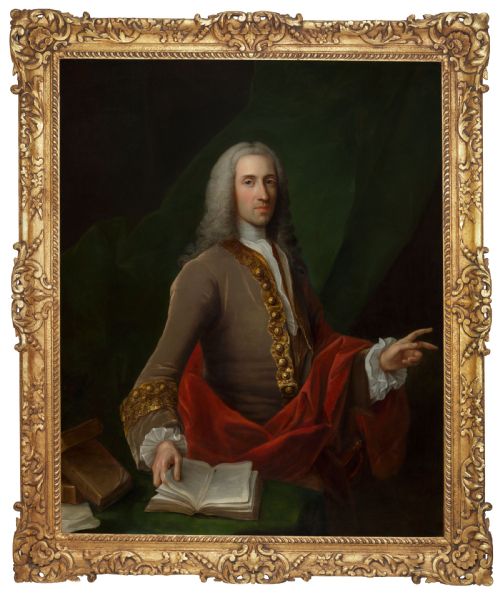
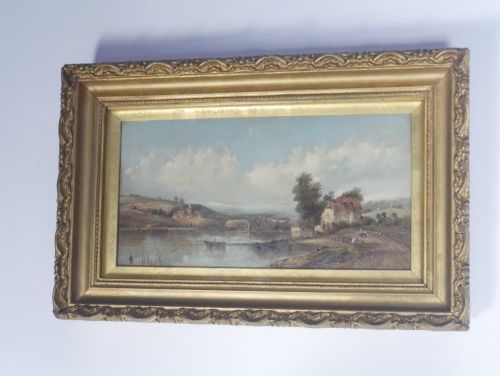
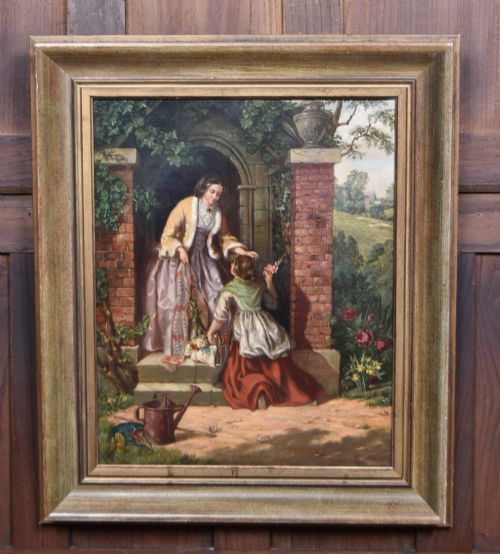
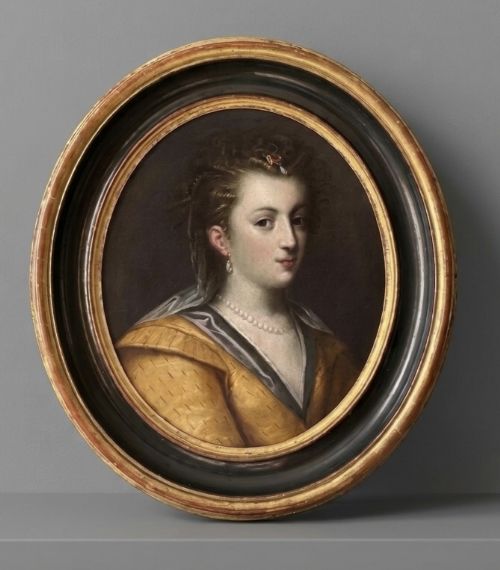
Classic oil canvas artwork encompasses centuries of European and British painting, ranging from seventeenth-century portraits to twentieth-century landscapes and still lifes. When searching for classic oil canvas artwork, buyers encounter framed works executed in oil paint upon woven fabric, housed in period surrounds such as gesso and giltwood.
The selections span the seventeenth, eighteenth, nineteenth and twentieth centuries, featuring distinct regional traditions including Dutch schools, Italian portraiture and Victorian realism. Subjects vary widely from grand canal views of Venice and domestic scenes to equine studies and botanical still lifes.
Most pieces on this page originate from the nineteenth and twentieth centuries, alongside earlier seventeenth and eighteenth-century portraits attributed to specific schools or studios. Buyers frequently find framed landscapes depicting rural lakes, mountains and coastal sea views rendered on stretched fabric.
Materials and Techniques
Makers applied oil paint onto woven canvas stretched over wooden frames, often supported by wooden stretchers or panel backings. Pigments mixed with binding oils permitted subtle blending and layered glazing, creating depth in drapery, flesh tones and atmospheric backgrounds.
Many canvases are housed within decorative frames fashioned from carved wood, embellished with moulded gesso and finished with layers of metallic leaf or gilt. These frames protect the perimeter of the canvas while complementing the tonal palette of the painting within.
Classic Oil Canvas Artwork Retail Price Guide 2026
Typical asking prices for classic oil canvas artwork among the pieces listed under this phrase on Sellingantiques today, from the lower quarter to the upper quarter. They describe what is for sale here now, not the wider market.
Listings feature oil on canvas artworks spanning from the seventeenth century through to 1960, utilising wood, gesso and gilt.
Distinctions in Quality
Quality rests upon the dexterity of brushwork, the anatomical or spatial accuracy of the composition, and the prestige attached to the artist or studio. Masterly handling of light, shadow and texture distinguishes accomplished works from routine studio output.
The integrity of the original canvas and paint layer, alongside the authenticity and condition of the period giltwood frame, influences the standing of a piece. Retained signatures, documented provenance and attribution to recognised schools or named painters elevate the significance of the artwork.
Lavinia Fontana·Charles Jervas·Sir Allan Ramsay·Benjamin Barker of Bath·Sir Martin Archer Shee·Anthony Van Dyck·John Horace Hooper·Edouard Pingret·Jean Baptiste Van Loo·Alfred Lyndon Grace·Francis Moltino·Louis Charles Verwee·Winifred Rymer·Else Preußner·William Oliver·Thomas Spinks·Albert Rieger·Robert Watson·William Watt Milne·Frans Snyders·Nicolaes Maes
The Classic Oil Canvas Artwork Glossary
- Gesso
- A plaster-like mixture applied to wooden frames as a smooth base before gilding or painting. It is moulded into decorative relief patterns.
- Giltwood
- Timber that has been coated with thin gold leaf or metallic powder. It provides a reflective, ornate border for traditional paintings.
- Still life
- An artwork depicting inanimate subject matter, such as fruit, game, flowers or tableware. These compositions showcase the artist's ability to render light and texture.
- School
- A group of artists working in a similar style, region or period, often under the influence of a master. Attributions to a specific school denote stylistic kinship rather than direct authorship.
Classic Oil Canvas Artwork: Frequently Asked Questions
How do I hang a heavy framed oil painting?
Heavy framed oil paintings require robust fixings screwed directly into wall studs or masonry using appropriaterawl plugs. Steel picture wire or heavy-duty D-rings mounted to the wooden stretcher or frame must match the total weight of the canvas and giltwood surround.
Position the artwork at eye level, ensuring the weight is distributed evenly across two suspension points rather than a single hook. This prevents the frame from tilting and maintains stability over time.
Should oil paintings be kept out of direct sunlight?
Direct sunlight causes organic pigments in oil paints to fade and accelerates the degradation of both canvas fibres and wooden stretcher frames. Ultraviolet rays also discolour protective varnishes applied over the paint layer.
Display classic oil canvas artwork on interior walls away from windows, or utilise specialised UV-filtering picture glass if natural light cannot be avoided. Stable indoor humidity further prevents the canvas from slackening.
How can I tell a nineteenth-century landscape from a modern copy?
Nineteenth-century landscapes typically exhibit oxidized oil paint, fine craquelure across the surface, and hand-woven canvas textures visible from the reverse. Stretchers are usually constructed from aged timber fixed with handmade or early machine-cut nails.
Closer inspection under magnification reveals period pigment characteristics and varnish layers that have yellowed uniformly. Modern replicas often utilise synthetic stretchers, uniform machine-woven cotton duck, and artificially induced cracking that lacks genuine depth.
What is the difference between a portrait and a genre painting?
A portrait depicts a specific, identifiable individual or group, capturing their likeness, status and character as commissioned or observed. Examples include formal depictions of noblewomen, gentlemen and historical figures.
Genre paintings portray scenes from everyday life involving anonymous figures engaged in common activities, such as children ice skating or markets. While both share oil on canvas techniques, their primary focus distinguishes individual identity from narrative observation.