






Pendant Portrait Paintings
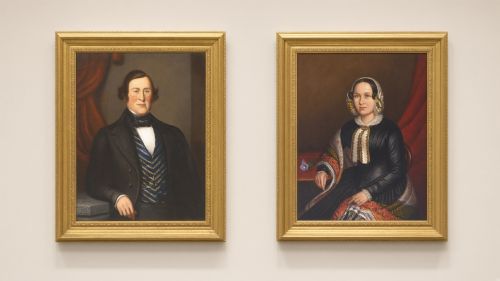
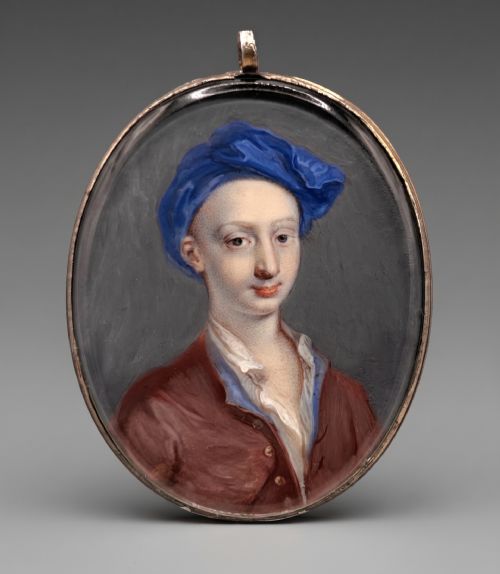
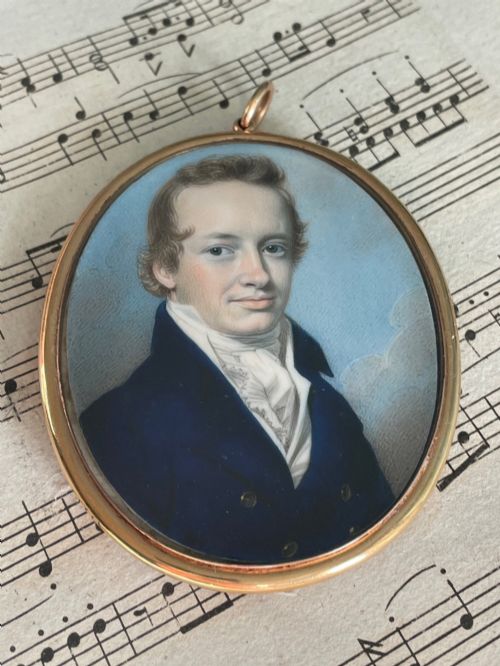
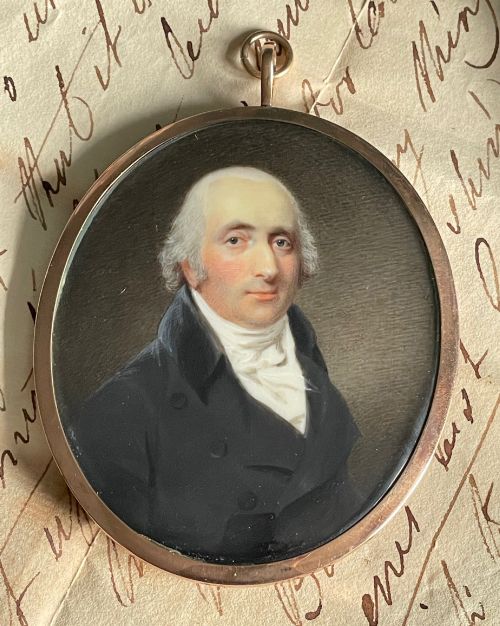
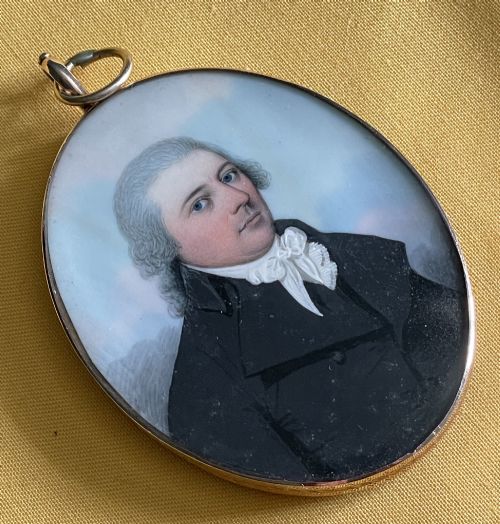
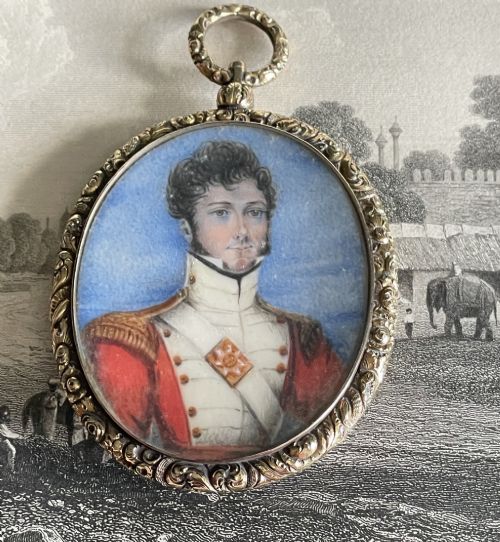
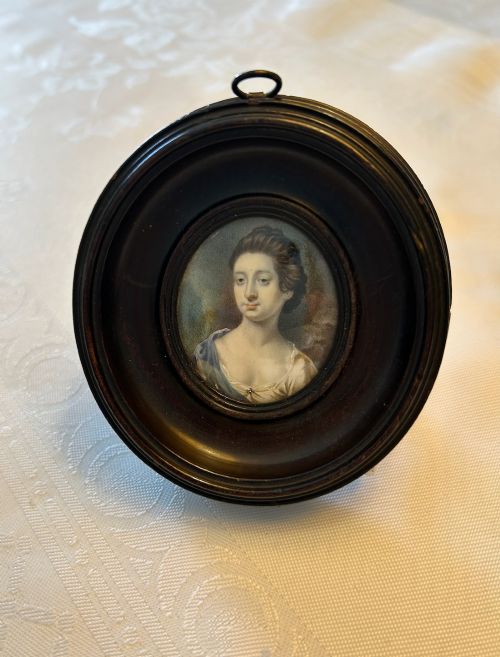
Pendant portrait paintings are intimate likenesses captured in miniature, designed to be worn close or carried safely as personal keepsakes.
Pendant Portrait Paintings
Pendant portrait paintings encompass small-scale likenesses produced across the eighteenth and nineteenth centuries, including works from the Georgian, Regency, and Victorian eras. These objects often appear as framed items or lockets intended for personal wear.
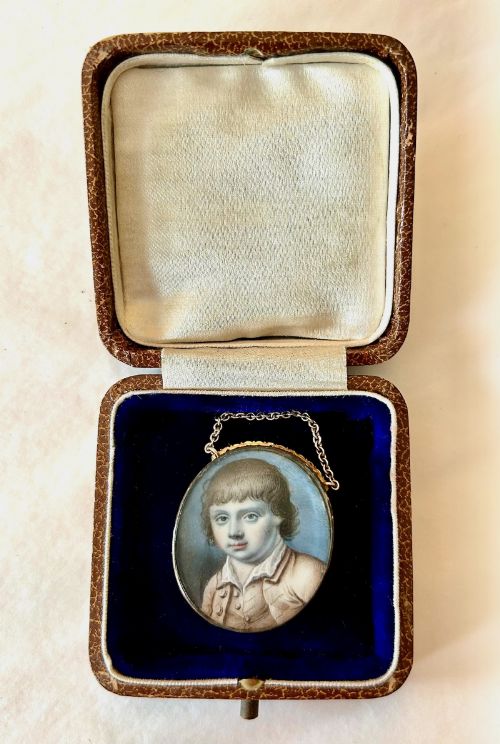
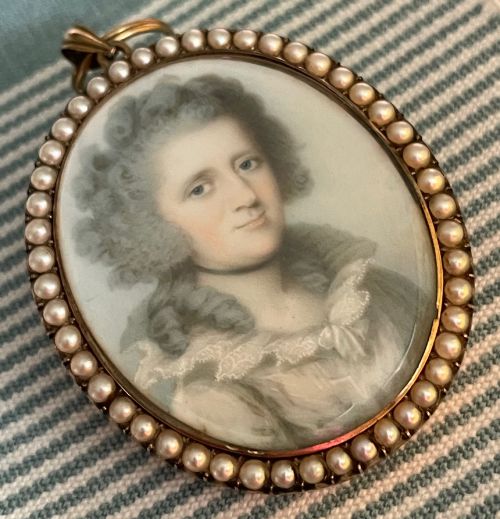
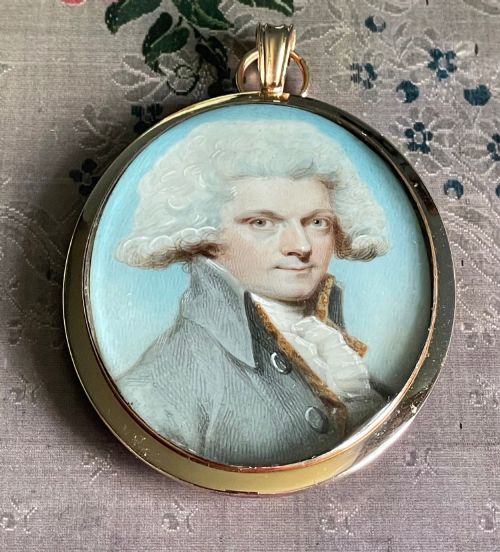
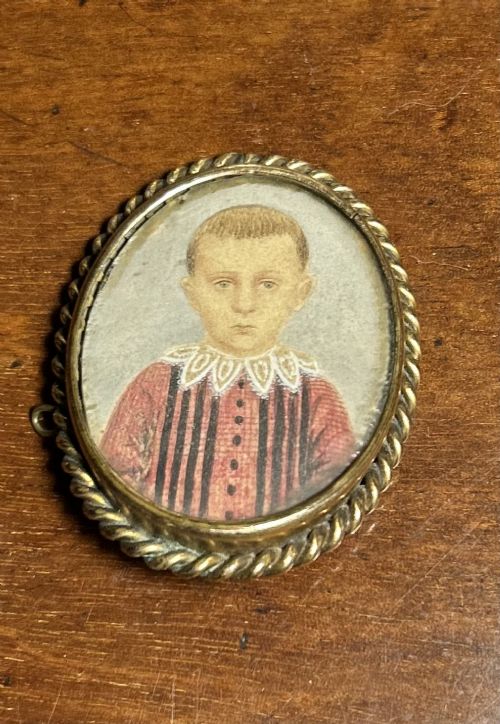
Most examples take the form of portrait miniatures housed in gold, gilt metal, or ebonised frames, frequently functioning as brooches or pendants.
How they were made
Artists painted these small works using watercolour on ivory, enamel on metal, oil on canvas or panel, and sometimes vellum or agate. The choice of ground dictated the fineness of the brushwork and the luminosity of the finished portrait.
Pendant Portrait Paintings Retail Price Guide 2026
Typical asking prices for pendant portrait paintings among the pieces listed under this phrase on Sellingantiques today, from the lower quarter to the upper quarter. They describe what is for sale here now, not the wider market.
Captive naval officers and young boys gaze out from these tiny frames with the same stern gravity as their worldly elders.
What varies in quality
The refinement of the artist's brushwork and the psychological depth of the sitter's expression separate ambitious works from simpler commercial output. Masters achieve lifelike presence and precise anatomical structure within a compass of a few inches.
The integrity and material value of the surrounding frame, whether pearl-set gold or plain metal, influence the overall character and historical standing of the piece.
Christian Richter·Andrew Robertson·Thomas Richmond·John Inigo Wright·Charles Robertson·Charles Shirreff·Frederick Buck·William Wood·Charles Hayter·Christian Friedrich Zincke·William Naish·Henry Bone·James Ferguson·George Engleheart·Samuel Cotes·AE Chalon·John Barry
The Pendant Portrait Paintings Glossary
- Portrait Miniature
- A small-scale painting, usually executed on ivory, vellum, or card, capturing the likeness of a specific individual. These works gained popularity from the sixteenth century onwards as portable tokens of affection.
- Enamel
- A material created by fusing powdered glass to a metallic substrate through high-temperature firing. Enamel miniatures offer exceptional longevity and resistance to fading over centuries.
- Vellum
- A fine parchment prepared from calfskin, frequently utilised as a painting surface for miniatures before the widespread adoption of ivory in the eighteenth century.
- Agate
- A form of quartz exhibiting natural banding, sometimes employed as a sturdy panel for miniature paintings executed during the eighteenth century.
- Locket
- A small hinged case designed to hold a portrait painting or a lock of hair, often fashioned with a loop for suspension from a chain.
Pendant Portrait Paintings: Frequently Asked Questions
How were pendant portrait paintings worn?
These pieces were typically suspended from ribbons or chains around the neck, or pinned directly to garments as brooches. Their portable nature allowed owners to keep family members or patrons close throughout the day.
Many examples include integrated loops or pin fittings on the reverse specifically for this dual purpose of wearing or carrying.
What materials are most common?
Watercolour on ivory and enamel on metal appear frequently among eighteenth and nineteenth-century examples. Artists also utilised oil on canvas, vellum, and agate panels.
Frames and mountings regularly incorporate gold, pearls, and gilt metal to protect and enhance the painted surface.
How can I tell the period?
Costume details, hairstyles, and framing styles offer the most reliable guide to dating a portrait miniature. Georgian and Regency pieces often feature distinct neoclassical framing elements and characteristic dress.
Victorian examples frequently employ bolder gold mounts and specific clasp designs associated with the later nineteenth century.
Are the sitters usually identified?
Some pieces retain handwritten notes on the reverse, family provenance, or contemporary inscriptions naming the individual depicted. Many portraits, however, remain anonymous due to the passage of time and the dispersal of family collections.
Unidentified sitters are appreciated purely for their artistic merit and historical representation of period costume.