
Classic Oil Artwork Canvas
A classic oil artwork canvas brings centuries of pigment, texture and human story straight onto your wall.
Classic Oil Artwork Canvas
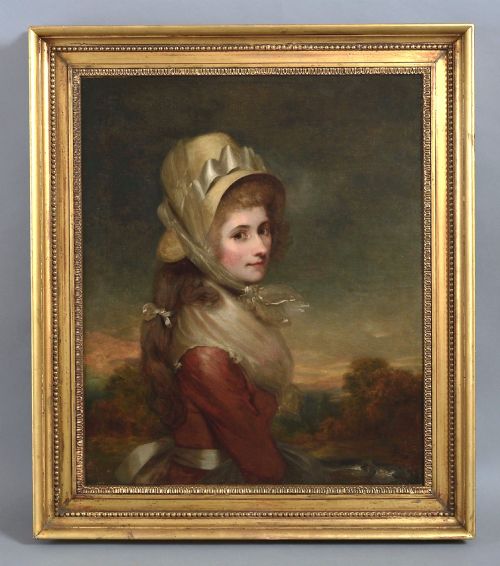
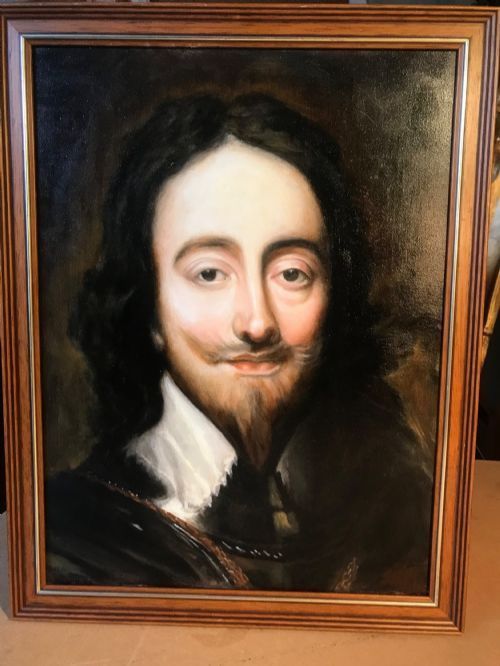
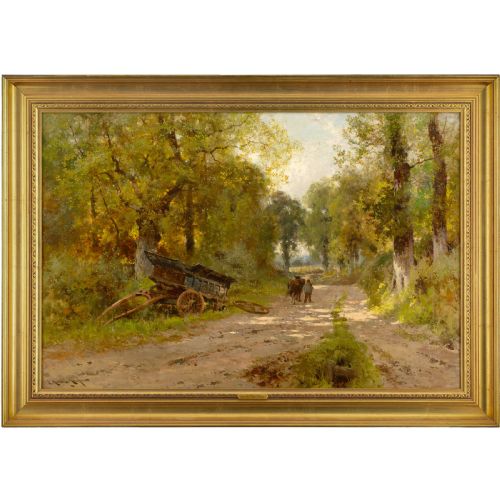
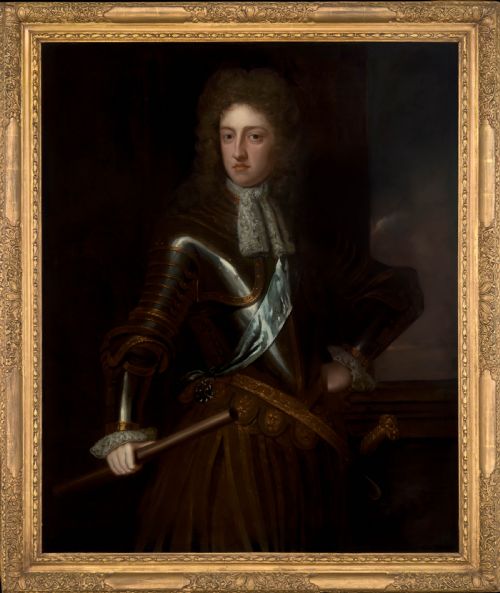
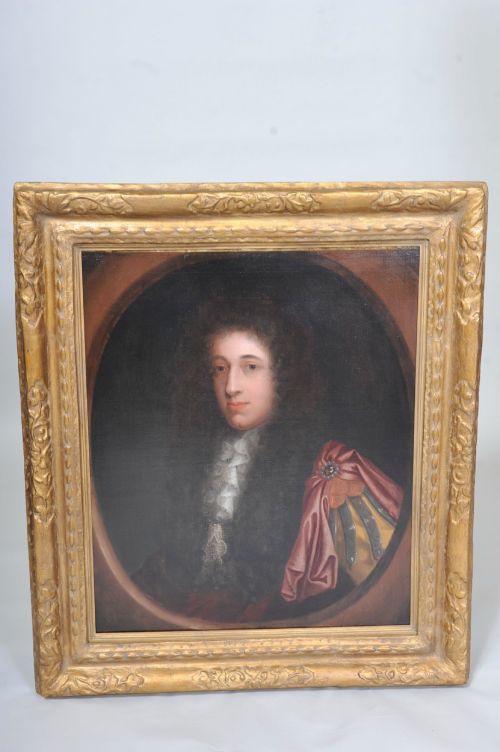
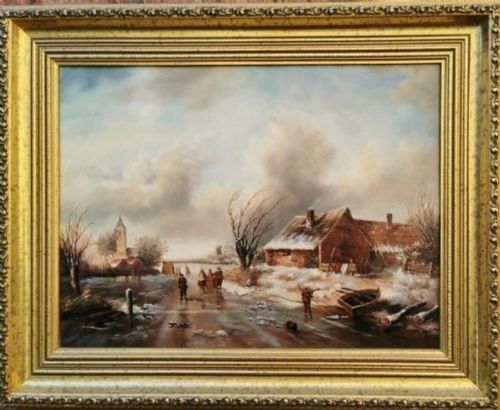
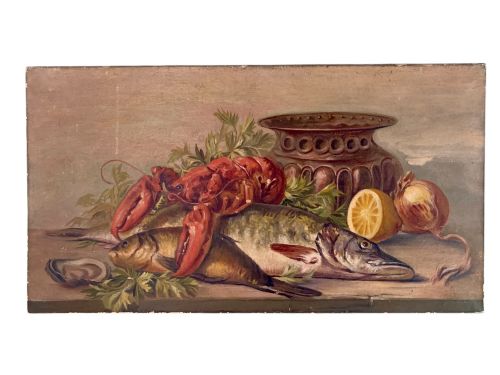
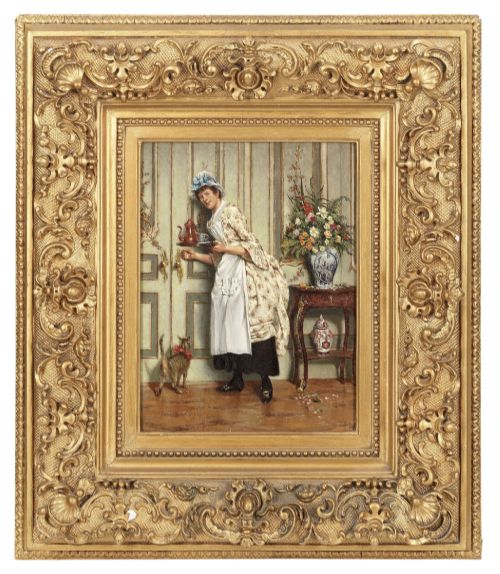
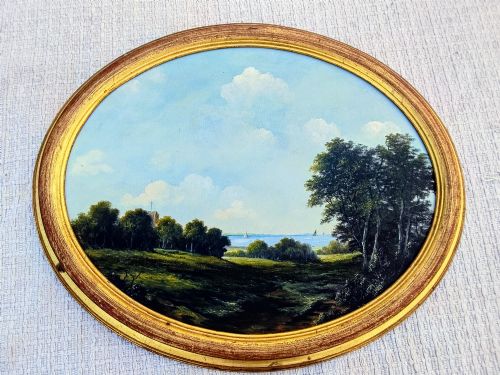
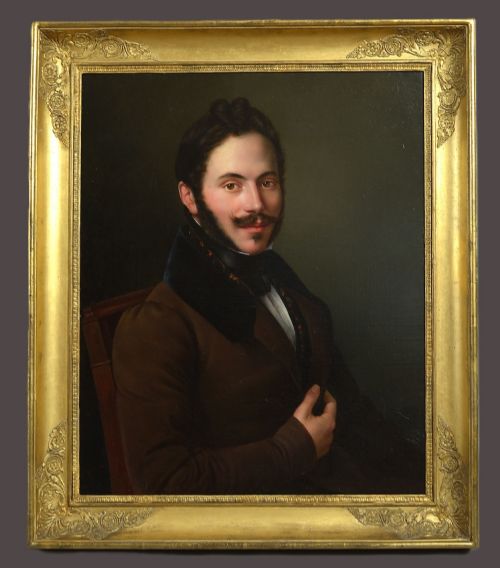
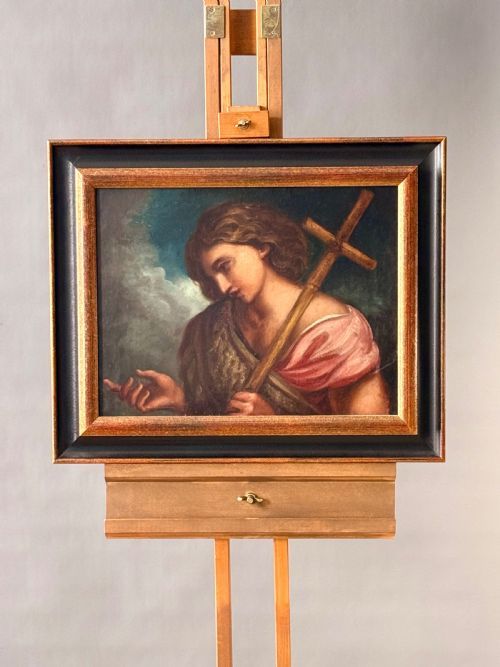
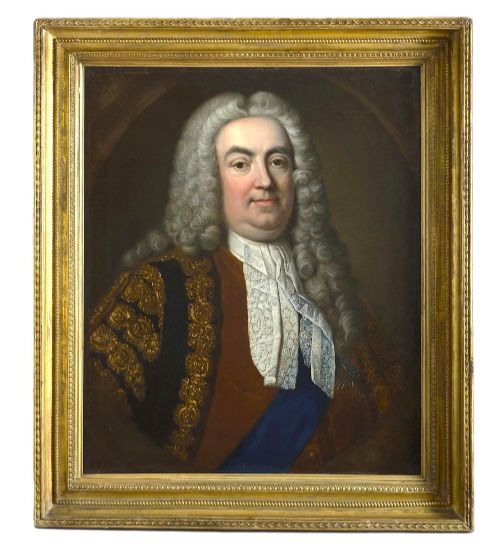
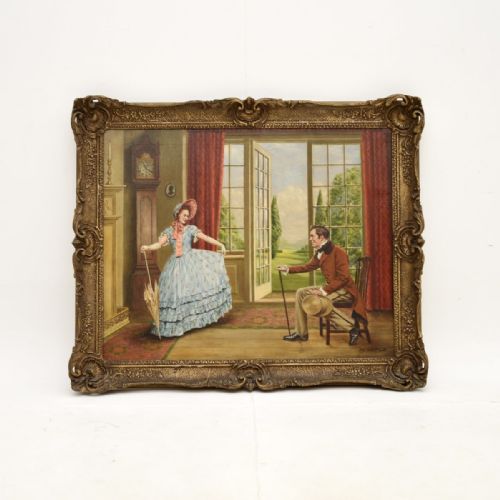
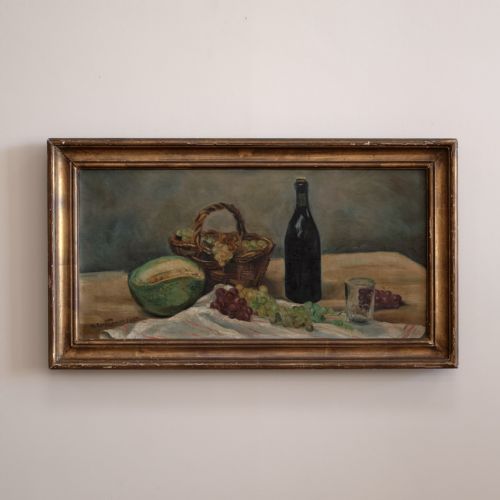
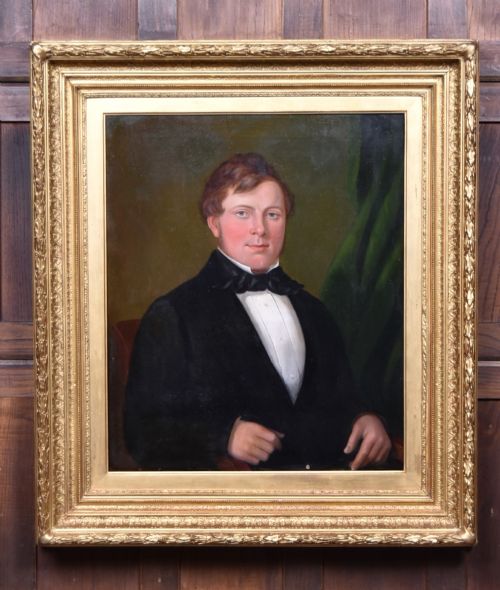
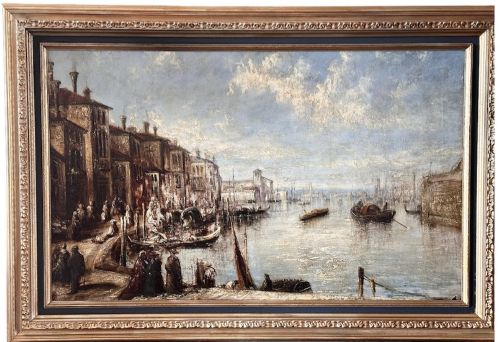
When you search for a classic oil artwork canvas, you encounter centuries of painting traditions spanning from the seventeenth century through to the mid-twentieth century. The selection ranges widely across schools and subjects, encompassing detailed portraits, pastoral landscapes, coastal views and intimate still lifes.
The pieces you are most likely to meet on this page include nineteenth-century portraits and landscapes, alongside Dutch-inspired winter scenes and decorative still lifes from later decades. Works appear in various formats, from traditional rectangular stretchers to oval canvases, often retaining their original frames.
Origins stretch across British, French, Dutch and Emilian schools, reflecting the diverse geographic reach of classical oil painting over four hundred years. Whether signed by recorded artists or designated as studio works and school pieces, each canvas represents a distinct chapter in historical painting.
Materials and Technique
The foundational material across these listings is woven canvas stretched over wooden frames, providing a stable and textured substrate for the application of oil paint. Painters built up their compositions using oil paint mixed with natural binders, allowing for rich colour depth, subtle blending and visible impasto brushwork.
Many of these canvases are housed in period frames constructed from wood and embellished with giltwood or gold leaf. The combination of oil pigment on canvas secured within decorative gilded surrounds defines the physical presence of these historical works.
Listings feature works from the seventeenth, eighteenth and nineteenth centuries, alongside Dutch School and French School pieces.
Distinctions in Quality
Quality in these canvases rests upon the confidence of the brushwork, the anatomical or spatial accuracy of the composition, and the psychological or atmospheric engagement of the subject. A superior portrait captures character and texture with economy and precision, whereas lesser works remain stiff and formulaic.
The integrity of the canvas surface and the preservation of the original pigment layers also dictate the standing of a piece. Works that retain their luminous glazes and original stretchers without heavy overpaint demonstrate a higher degree of historical authenticity.
Sir Martin Archer Shee·Anthony Van Dyck·Sir Godfrey Kneller·Edouard Pingret·Jean Baptiste Van Loo·Francis Moltino·Edward Ladell·Frans Snyders·Nicolaes Maes·Bertram Priestman
The Classic Oil Artwork Canvas Glossary
- Oil on Canvas
- Pigment suspended in a drying oil, usually linseed, applied to a woven fabric support. This combination allows for slow drying times, rich blending and durable colour.
- Impasto
- Paint applied thickly to a canvas, standing in relief and retaining the marks of the brush or palette knife. It adds tangible texture and catches the light.
- Giltwood
- Wood carved and covered with a thin layer of gold leaf or metallic powder. It provides the ornate, reflective framing typical of period art.
- School
- A grouping of artists sharing a regional style, period or instructional lineage, often used when an exact individual hand remains unverified.
- Studio of
- A term indicating a work produced by assistants or pupils under the direct supervision or within the workshop of a master artist.
Classic Oil Artwork Canvas: Frequently Asked Questions
How do I date an old canvas?
Dating relies on examining the weave and weight of the canvas fabric, the construction of the wooden stretcher frame, and the chemical composition of the pigments. Stylistic clues in costume, hair and framing also offer reliable chronological markers.
Historical labels, stamps from nineteenth-century colourmen, and handwritten inscriptions on the reverse often provide direct evidence of a painting's origin and timeframe.
Where should I hang an oil painting?
Oil paintings require stable environments away from direct sunlight, high humidity and sudden temperature fluctuations. Placing a canvas near a working radiator or in direct conservatory glare can cause the paint layer to crack and the canvas to warp.
Interior walls with indirect ambient light and good air circulation help preserve both the canvas support and the delicate balance of the oil pigments over time.
What is the difference between a school piece and an original?
An original painting is executed entirely by the named master's own hand. A school piece or studio work is produced by trained followers or assistants working in the manner of that master.
While master-signed works command higher regard, studio pieces and school paintings from the same era often display exceptional technical skill and historical value.