



Classic Landscape Wall Art
Classic landscape wall art brings centuries of rural views, rivers and coastal scenes straight into your interior.
Classic Landscape Wall Art
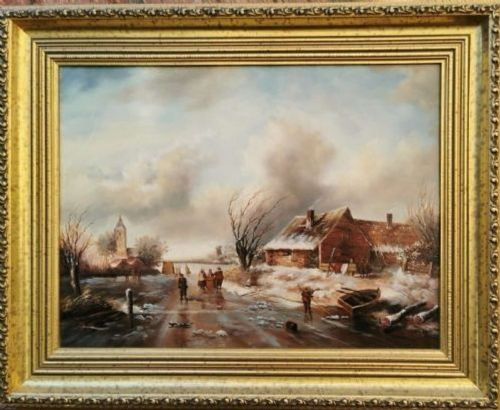
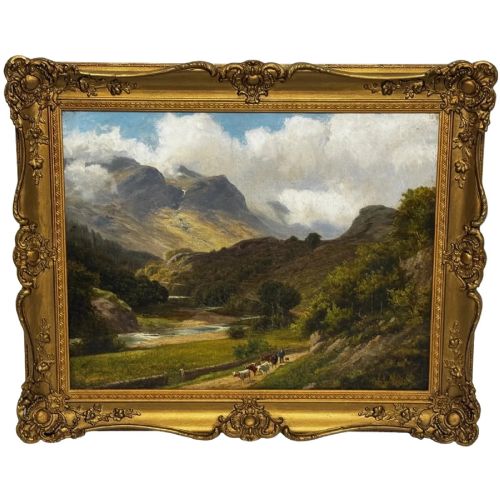
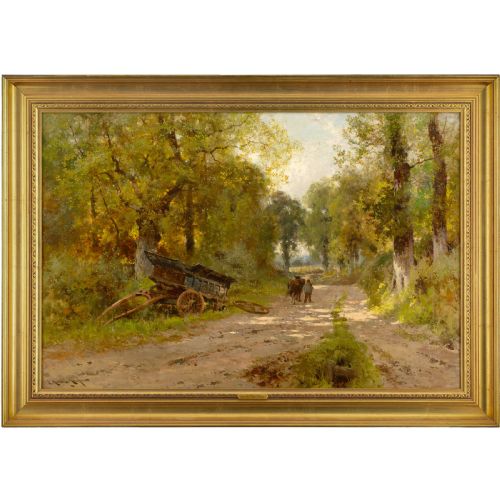
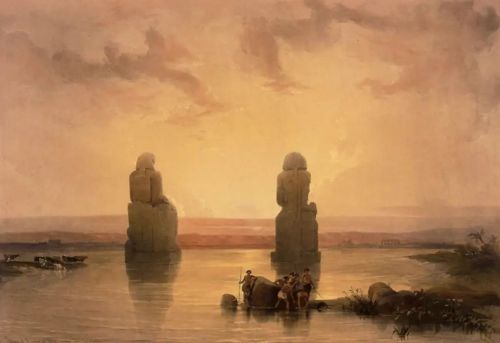
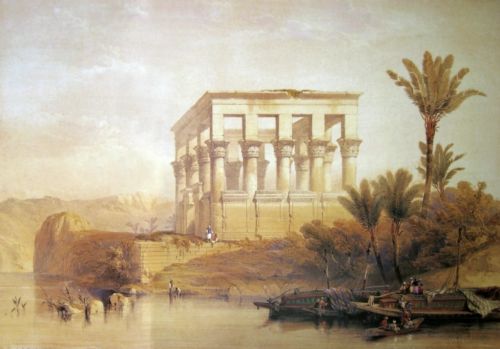
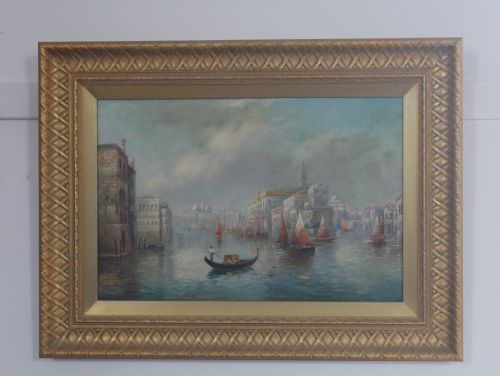
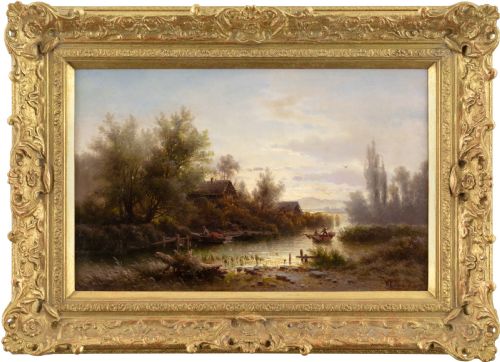
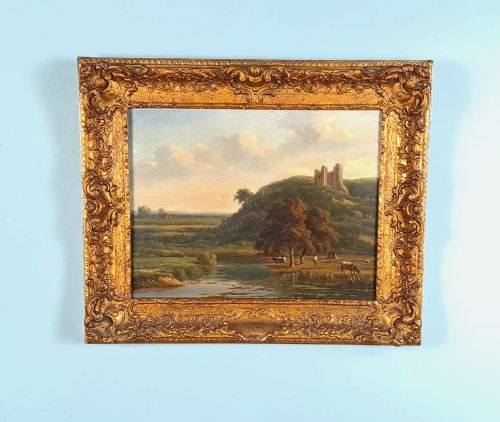
Classic landscape wall art encompasses traditional painted views of the countryside, rivers, mountains and coastal settings produced across several centuries. These works record pastoral life, architectural vistas and rugged topography through the eyes of various European schools and individual painters.
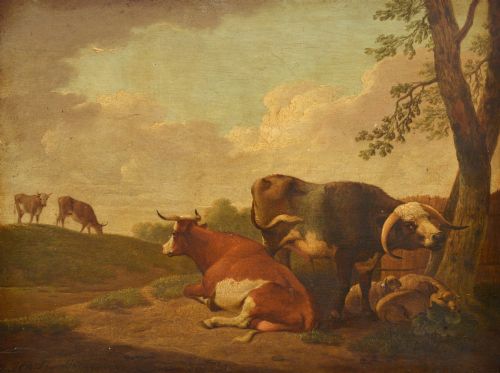
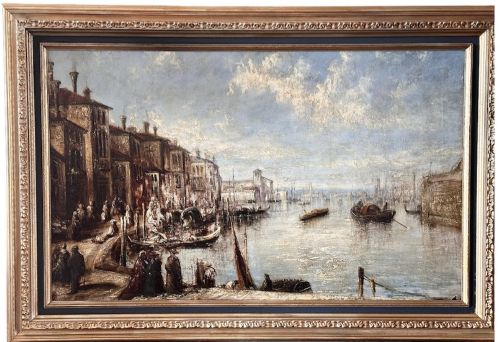
You are most likely to encounter nineteenth-century oil paintings on canvas depicting river scenes, cattle and mountainous terrain. These Victorian works range from intimate rural studies to expansive framed views framed by period wood and gilt moulding.
How they were made
The works rely upon oil paint applied to woven canvas panels or wooden boards, utilising rich pigments to build depth in skies and foliage. Artists worked with brushes and palette knives to layer tones, capturing natural light across landscapes and waterways.
Many of these paintings retain their original wooden and giltwood frames, which provide structural support and complement the composition. The physical support often bears the texture of coarse canvas or panel grain beneath layers of aged varnish.
Listings feature canvases spanning from the seventeenth century through to the mid-twentieth century, utilising oil, watercolour and engraving techniques.
What varies in quality
Quality rests upon the handling of light, atmospheric perspective and the articulation of natural forms such as foliage, water and skies. A superior painting demonstrates confident brushwork and precise tonal control that create a convincing sense of space and movement.
The integrity of the original canvas surface and the preservation of the pigment layers distinguish finer examples from heavily restored works. Framing also plays a role, with original carved giltwood moulding adding substantial character compared to later replacement frames.
Hendrik Willem Schweickhardt·Francis Moltino·David Roberts·Sidney Richard Percy·Alfred Pollentine·Alfred de Breanski
The Classic Landscape Wall Art Glossary
- Oil on Canvas
- Pigments bound in drying oil applied to a stretched woven fabric support. This combination allows for rich blending and textured impasto work.
- Giltwood
- Wood that has been coated with a thin layer of gold leaf or metallic powder. It frequently appears on traditional ornate frames.
- Baroque
- An artistic style originating in the seventeenth century characterised by dramatic movement and deep chiaroscuro lighting. It emphasises grand theatricality in landscape and figurative subjects.
- Dutch School
- A collective term for seventeenth-century painters from the Netherlands renowned for realistic depictions of light, weather and everyday terrain. Their focus heavily influenced later landscape traditions.
- Watercolour
- Pigments suspended in a water-soluble vehicle applied to paper. This medium creates translucent washes and delicate atmospheric effects.
Classic Landscape Wall Art: Frequently Asked Questions
How do I date a landscape oil painting?
Dating relies upon examining the canvas type, stretcher construction, nail styles and the specific pigments utilised by the artist. Stylistic clues within clothing, architecture and painting technique also point toward particular decades.
Comparative study of artist signatures and exhibition records helps narrow down the exact period of creation. Period framing can provide additional chronological clues, though frames are frequently changed over the centuries.
What is the difference between canvas and panel?
Canvas consists of woven fabric stretched tightly over a wooden frame, offering a flexible surface that responds to atmospheric changes. Panel paintings use solid wooden boards which provide a rigid and exceptionally smooth ground for detailed brushwork.
Canvas supports are more common in larger nineteenth-century works, while panels frequently appear in earlier Dutch and British compositions. Both methods require careful environmental control to prevent warping or cracking.
How should I hang antique wall art?
Antique wall art requires secure hardware suited to the weight of the heavy wooden frames characteristic of these periods. Professional picture hooks fixed directly into wall studs provide the safest support for canvas paintings.
Position paintings away from direct sunlight, heating vents and damp areas to protect the oil paint and canvas from deterioration. Maintaining stable indoor humidity prevents the wooden stretcher and frame from warping over time.
Are these paintings restored?
Many older paintings have undergone minor conservation work, such as surface cleaning, varnish removal or canvas relining, to ensure their long-term stability. Professional restoration aims to preserve the integrity of the original pigment while halting natural ageing processes.
Examining the canvas under specialised lighting reveals the extent of any historical touch-ups or repairs. Original unrestored condition is valued, provided the paint layer remains stable and secure.