
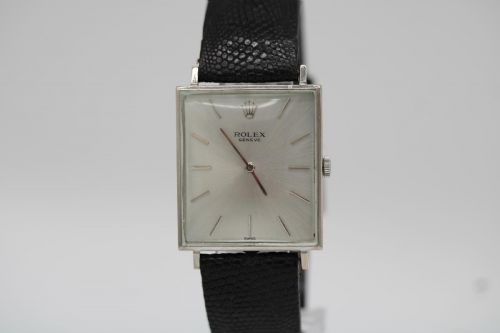
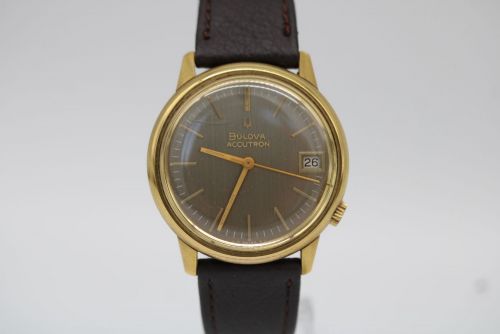
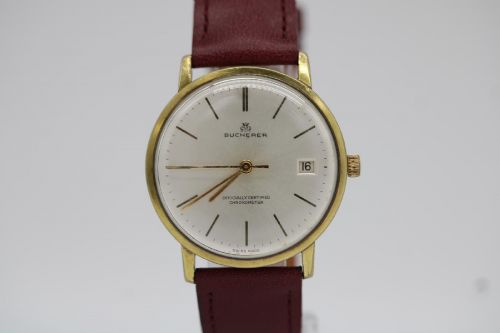
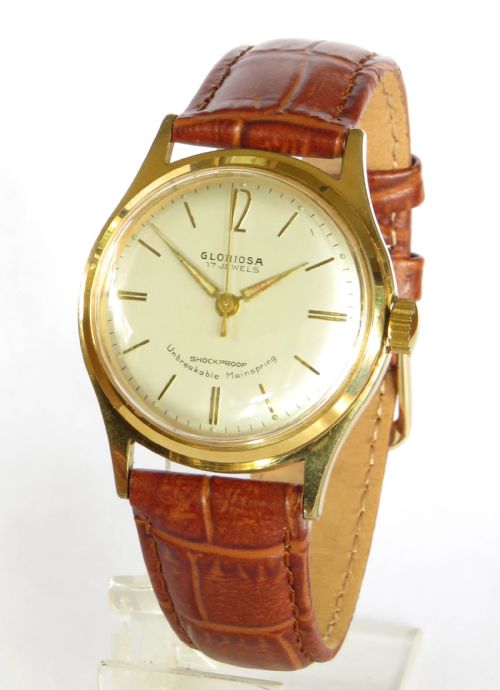
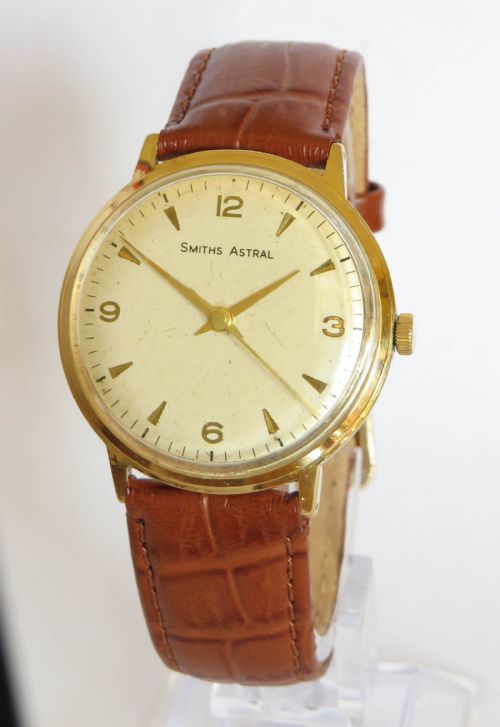


Classic Gold Timepiece
A classic gold timepiece brings quiet authority to the wrist or mantel, combining dependable mechanical movement with the enduring warmth of gold plate, white gold, or solid 9ct gold.
Classic Gold Timepiece
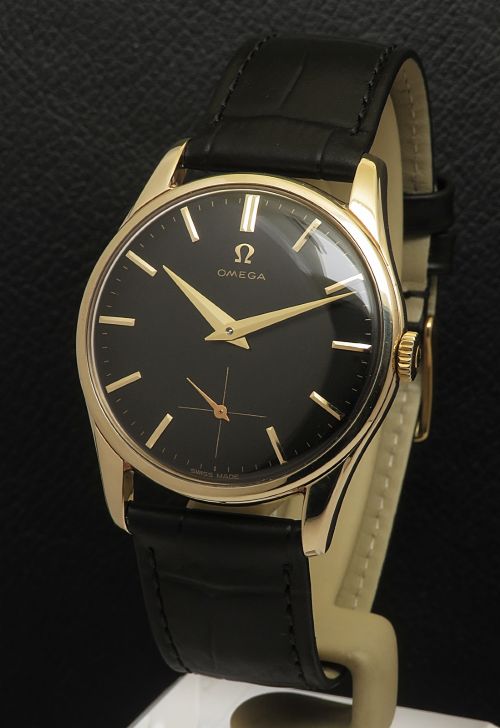
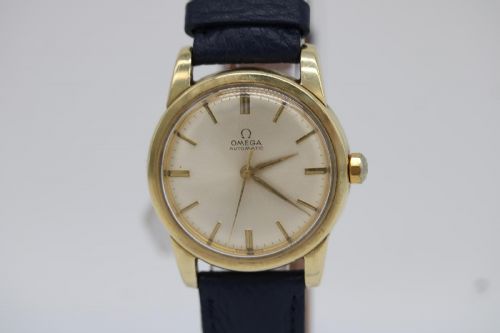
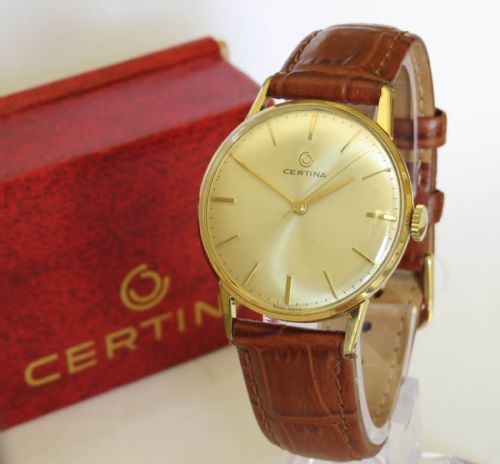
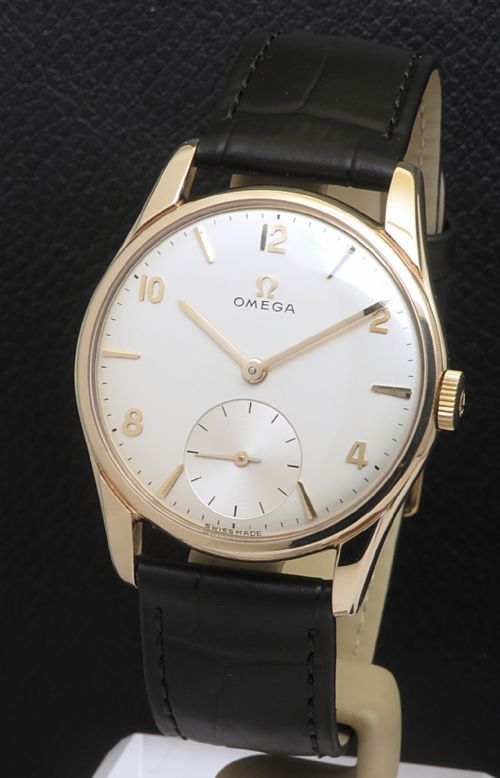
When you search for a classic gold timepiece, you encounter a selection spanning wristwatches, mantel clocks, and carriage clocks. These items originate predominantly from the mid-twentieth century, alongside Edwardian and 1940s examples.
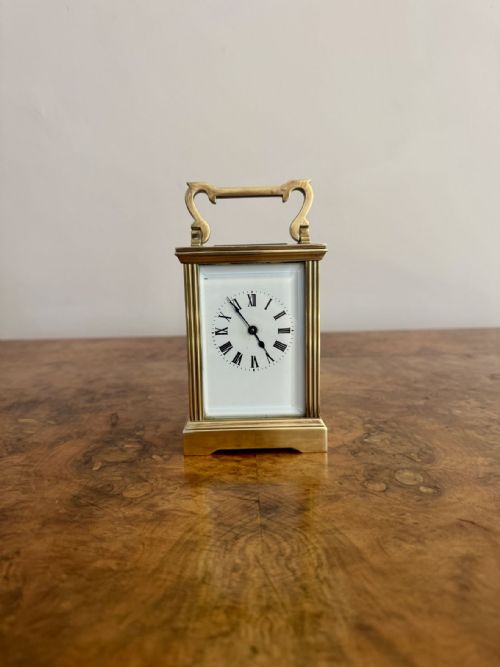
The wristwatches dominate the selection, offering automatic and manual wind movements housed in gold plate, solid 9ct gold, and 18ct white or yellow gold. Alongside these portable pieces sit brass carriage clocks representing Georgian Revival and Edwardian styles.
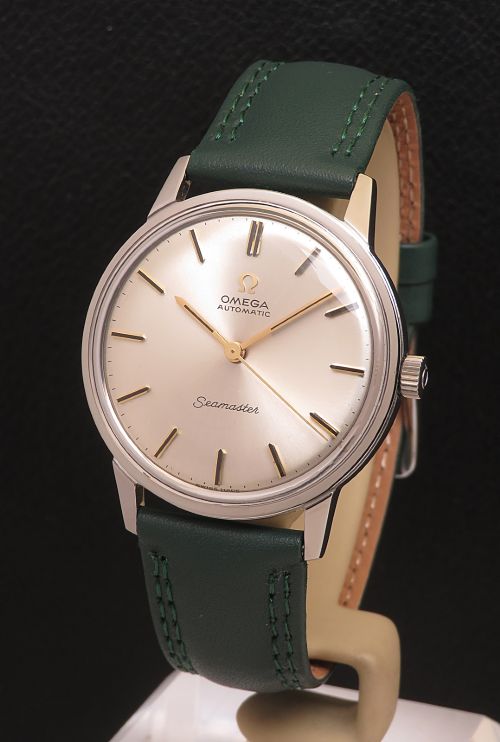
Makers represented in the wristwatches include Omega, Rolex, Smiths, Longines, Tudor, and Jaeger Le Coultre. The variety stretches from simple dress watches to robust automatics with original dials and straps.
Materials and Construction
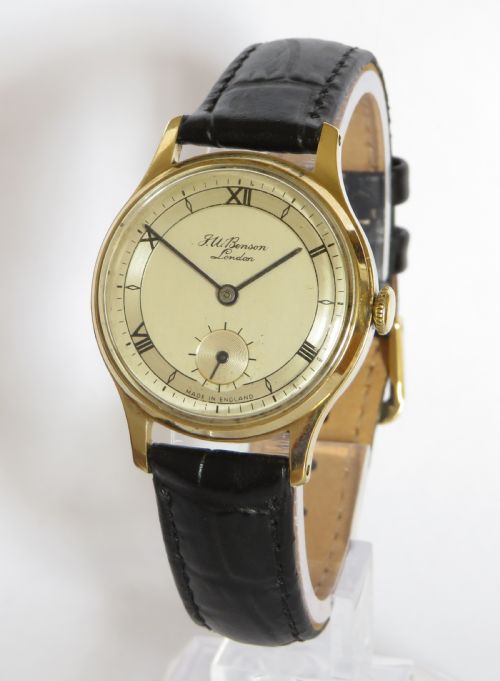
Casings utilise solid 9ct gold, 18ct gold, and gold plating over base metals, paired with glass or acrylic glass crystals protecting the dial. Leather straps frequently secure the wristwatches, while brass forms the primary housing for heavier mantel and carriage clocks.
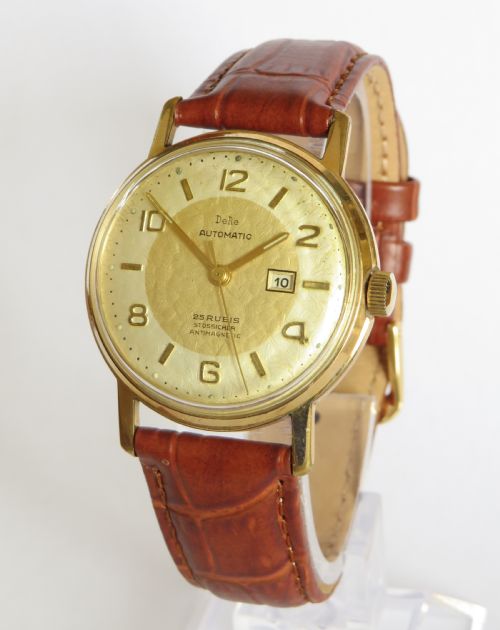
Movements rely upon intricate mechanical engineering, requiring manual winding or automatic self-winding rotors. Dials display applied markers and numerals, often finished with textured details such as sunburst or two-tone patterns.
Listings feature mechanical wristwatches and clocks spanning the 1900s through the 1960s, incorporating gold plate, solid 9ct gold, and brass.
Distinctions in Quality
Quality rests upon the originality of components, such as matching dials, signed crowns, and original boxes or straps. Pieces retaining their factory finishes and unpolished gold cases stand apart from those altered over decades of maintenance.
The calibre and complexity of the internal movement dictate the grade of the piece, with high-jewel Swiss mechanisms and distinguished maker signatures commanding attention. Furthermore, the crispness of dial printing and the integrity of the gold plating or solid metal mark the dividing line between standard production and superior execution.
The Classic Gold Timepiece Glossary
- Automatic
- A self-winding mechanical movement that uses a weighted rotor to tension the mainspring during normal wrist movement. This system eliminates the need for daily manual winding.
- Calibre
- The specific manufacturer designation for a particular watch movement design. Collectors use this number to identify the exact internal engineering inside the case.
- Carriage clock
- A small, spring-driven portable clock originally designed for travelling by horse-drawn carriage during the eighteenth and nineteenth centuries. They typically feature brass frames inset with glass panels.
- Manual wind
- A mechanical watch movement that requires the wearer to turn the crown by hand to tension the mainspring. Without this daily action, the movement stops running.
- Gold plate
- A layer of genuine gold mechanically bonded or electroplated to a base metal core. This technique provides the visual appeal of solid gold at a lower weight and cost.
Classic Gold Timepiece: Frequently Asked Questions
How do I wind a manual watch?
Gently rotate the crown clockwise between your thumb and forefinger until you feel increasing resistance. Stop immediately once tension prevents further turning to avoid damaging the mainspring.
Perform this action at roughly the same time each day to maintain steady timekeeping accuracy throughout its operational reserve.
Are these wristwatches waterproof?
Vintage timepieces possess seals and gaskets that degrade over decades. Even models originally designed for resistance cannot withstand modern immersion.
Keep these items away from swimming pools, showers, and heavy rain to protect the internal mechanical movement from moisture damage.
How should I store a carriage clock?
Position the clock on a stable, level surface away from direct sunlight, dampness, and extreme temperature fluctuations. Brass and glass require minimal movement once set in place.
When transporting the clock, secure the internal pendulum or balance wheel if a locking mechanism is fitted to prevent shock damage.