


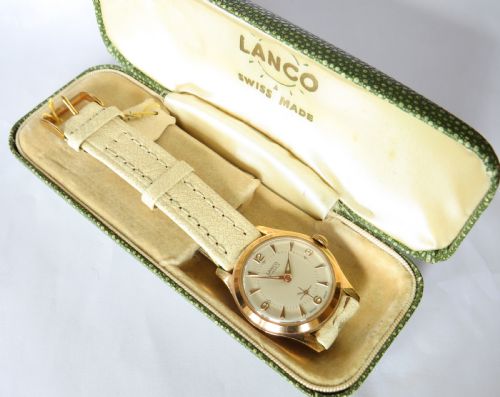


Classic Analog Watch
A classic analog watch offers traditional timekeeping, pairing mid-century design with mechanical movements from the 1940s to the 1960s.
Classic Analog Watch
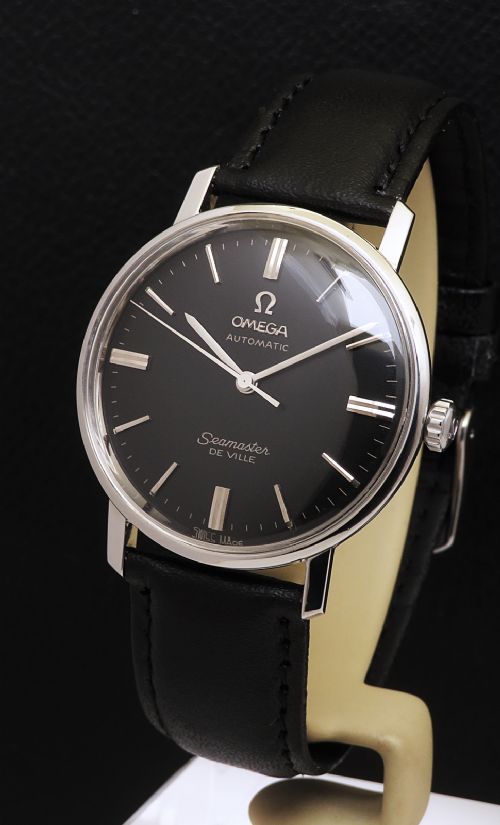
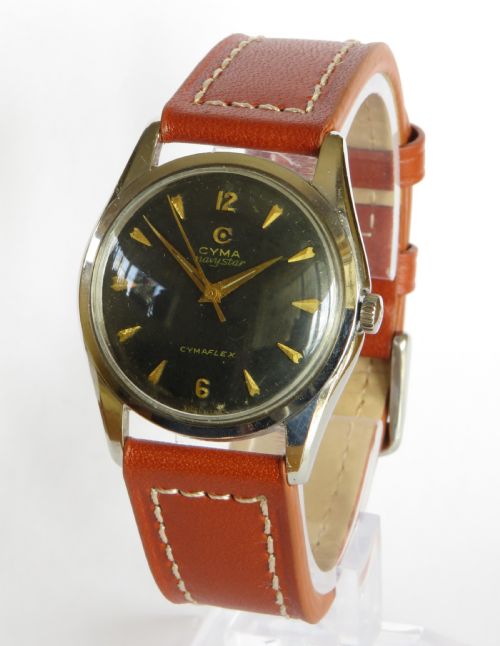
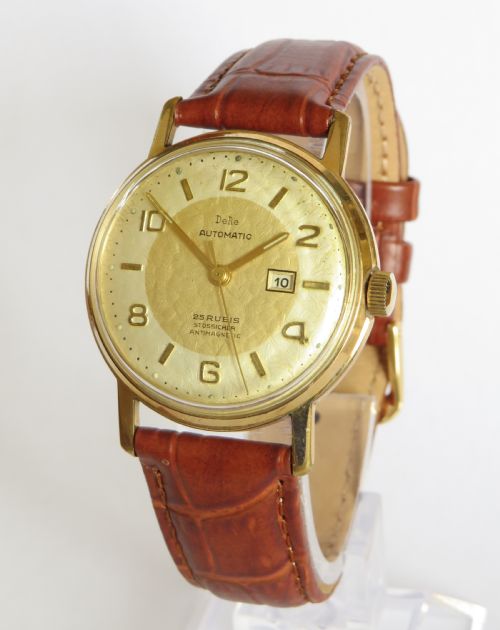
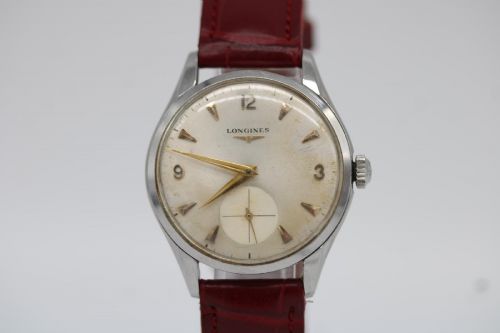
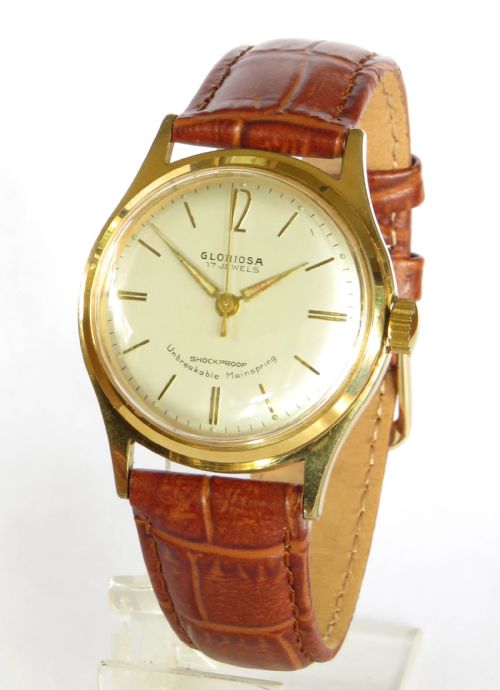
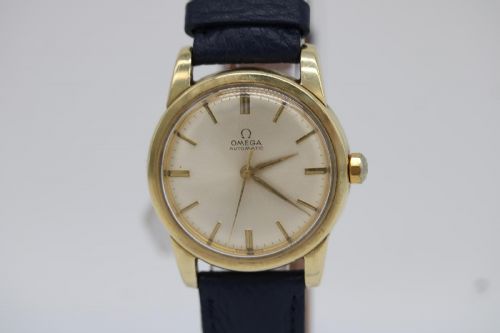
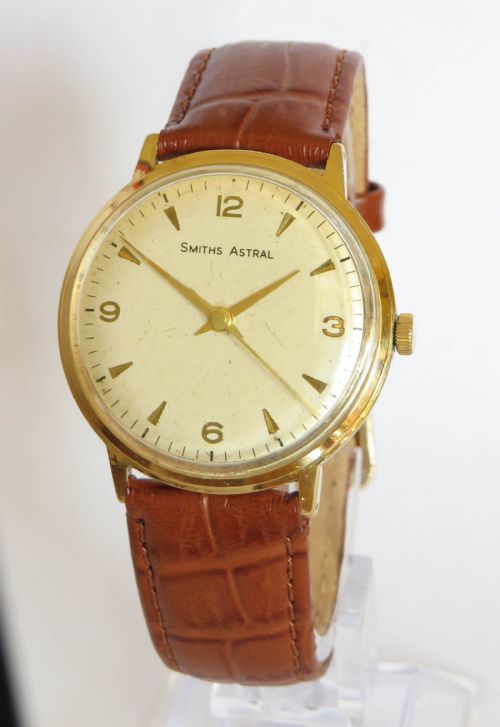
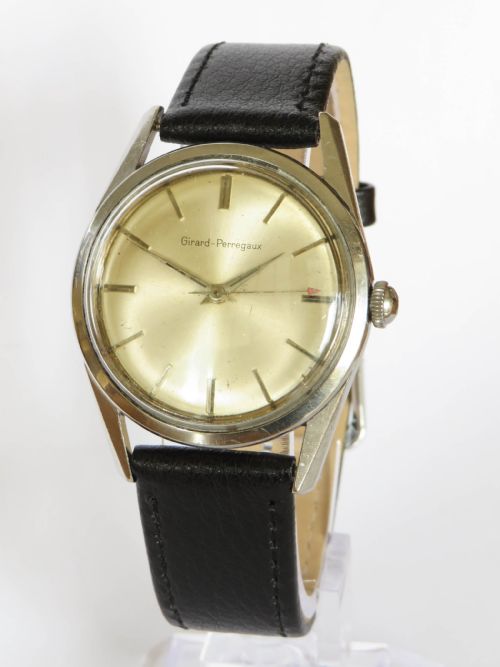
A classic analog watch represents decades of mechanical timekeeping, primarily emerging from the 1940s, 1950s, and 1960s eras. These pieces span wristwatches designed for gents or ladies, encompassing styles from Mid-Century Modern to Art Deco.
Most examples found here present traditional dial displays driven by manual wind or automatic movements. Swiss and British workshops dominate the origins, ranging from robust everyday timepieces to dress models with larger jumbo cases.
Materials and construction
Crates and cases utilise stainless steel, gold plate, and base metals, often paired with protective glass or acrylic crystals. Dials house hands and hour markers meticulously assembled within movements containing numerous jewels.
Straps typically consist of leather or fabric, complementing metallic cases. Movements rely on traditional mechanical engineering, such as manual wind calibres and automatic winding rotors.
Assessing quality and condition
Superior examples retain original dials, case proportions, and signed crowns without excessive polishing that softens edges. Mechanical integrity matters greatly, distinguishing watches that run reliably from those requiring extensive internal restoration.
The presence of original packaging, such as fitted boxes, adds historical completeness. Finishes on gold plating and the clarity of acrylic or glass crystals further separate standard daily wear from superior collector pieces.
Omega·Cyma·Longines·Smiths·Eterna·Girard Perregaux·Lanco
The Classic Analog Watch Glossary
- Automatic
- A self-winding mechanical movement that uses a weighted rotor to wind the mainspring through natural wrist motion. This system removes the need for daily manual winding.
- Manual Wind
- A traditional mechanical movement that requires the wearer to turn the crown by hand to tension the mainspring. These watches lack rotors, allowing for slimmer case profiles.
- Calibre
- A manufacturer's internal designation for a specific watch movement design. Collectors reference these numbers to identify technical variations and production eras.
- Jumbo Case
- A colloquial term for a wristwatch case that measures larger than the standard average for its specific historical period. These pieces often command strong interest from modern collectors.
- Acrylic Glass
- A lightweight, shatter-resistant synthetic material used for watch crystals during the mid-century period. It can be easily polished to remove minor surface scratches.
Classic Analog Watch: Frequently Asked Questions
How do I wind a manual watch?
Gently rotate the crown clockwise between your thumb and forefinger until you feel gentle resistance. Stop immediately to avoid over-winding and damaging the internal mainspring.
Perform this action at roughly the same time each day to maintain consistent tension and accurate timekeeping.
Are these watches water resistant?
Vintage timepieces lack modern rubber gaskets and screw-down crowns designed for swimming or diving. Exposure to moisture can rust internal steel components and ruin dial faces.
Keep these watches away from heavy rain, hand washing, and humid environments to preserve their delicate mechanics.
What is a gold plated case?
Gold plating involves bonding a thin layer of gold to a base metal core, such as brass or steel. This technique offered the luxurious appearance of solid gold at a more accessible price point.
Wear over decades can reveal the underlying metal on sharp edges, which remains a normal sign of age on vintage examples.
How should I store my watch?
Store your timepiece in a dry environment away from direct sunlight and strong magnetic fields, which can disrupt hairsprings. A dedicated watch box or padded pouch prevents accidental surface scratches.
If you plan to store an automatic watch for a long duration, let it run down fully rather than keeping it constantly wound.