

Vintage Seamaster Watch
A vintage seamaster watch brings mid-century horology to the wrist with robust mechanical movements and timeless styling from the nineteen fifties and sixties.
Vintage Seamaster Watch
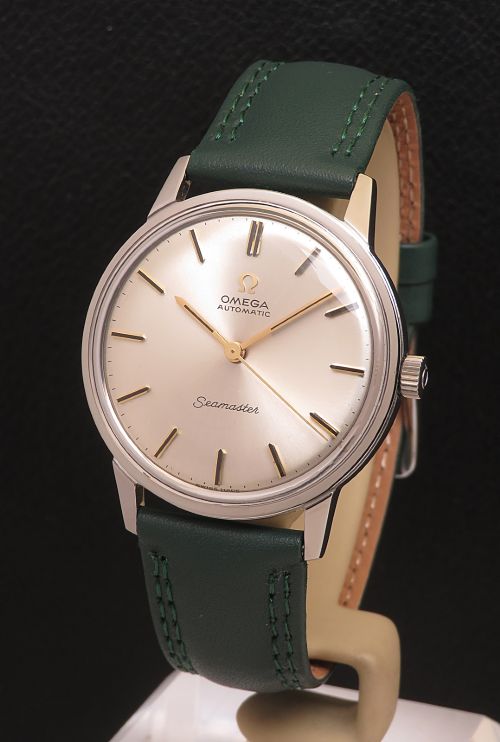
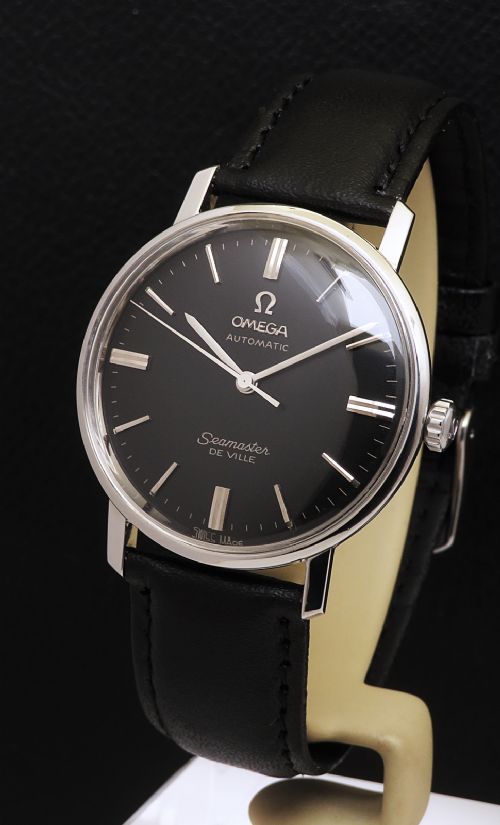
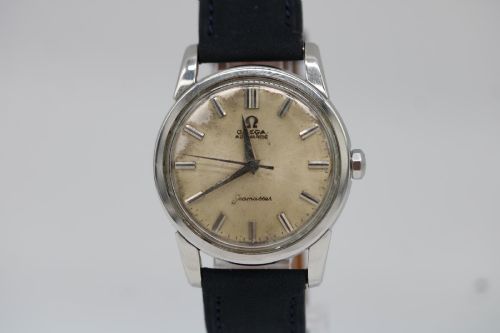
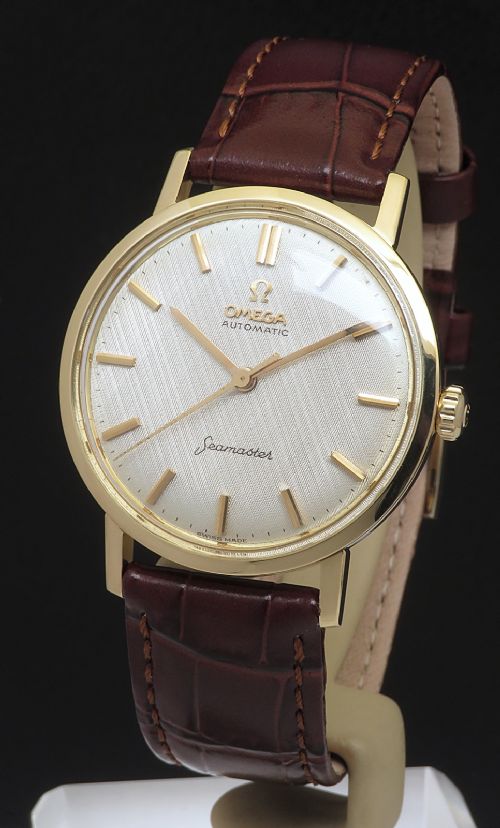
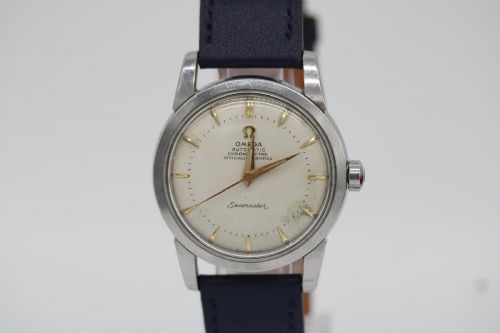
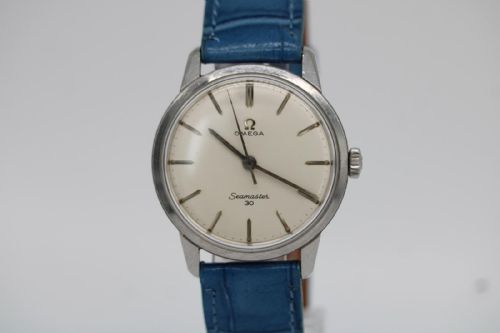
A vintage seamaster watch represents a significant era of Swiss wristwatch production, encompassing both dress models and utilitarian designs. These pieces originate primarily from the nineteen fifties and nineteen sixties, reflecting Mid-Century Modern design principles in their case geometry and dial layouts.
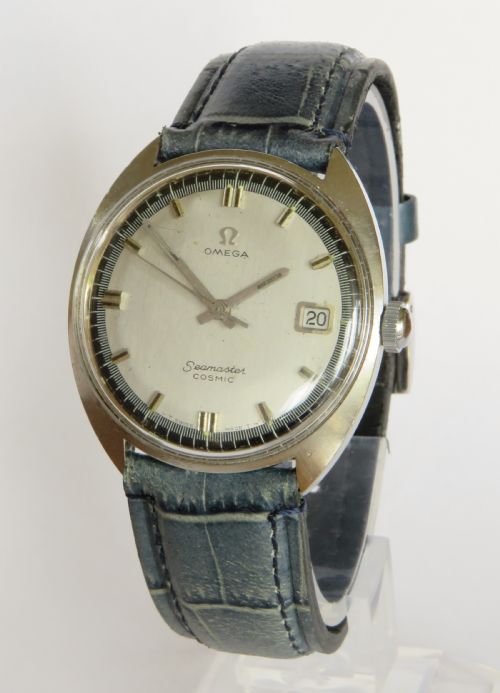
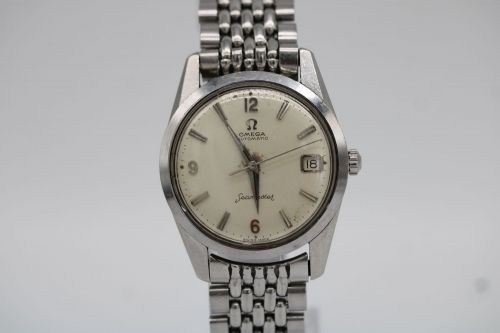
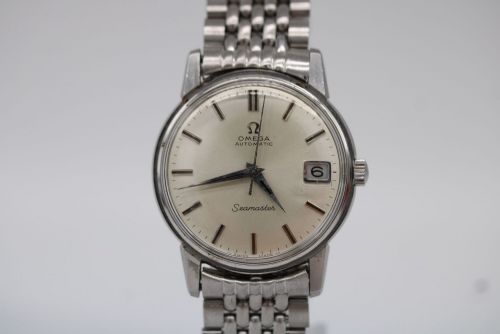
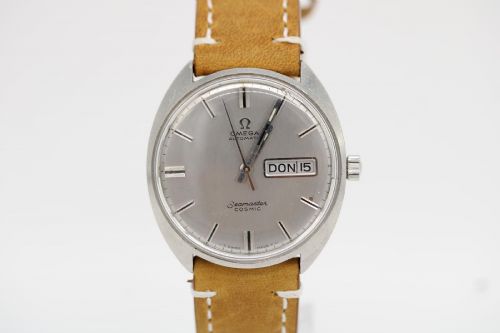
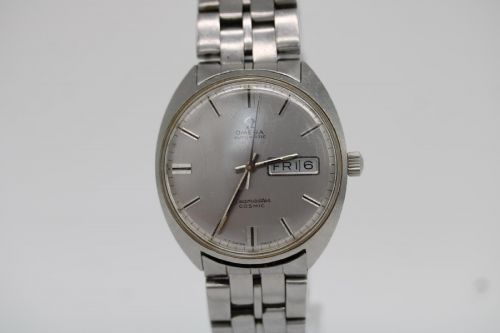
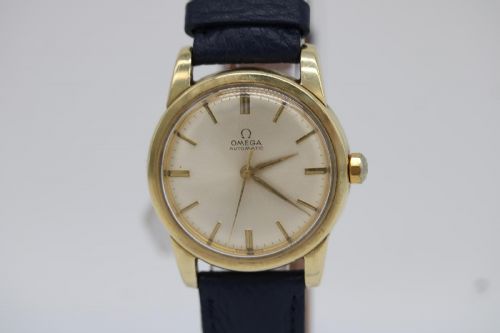
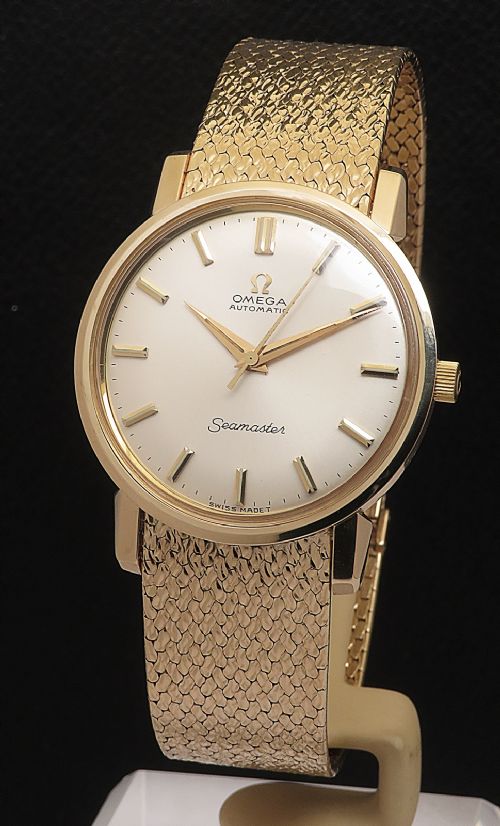
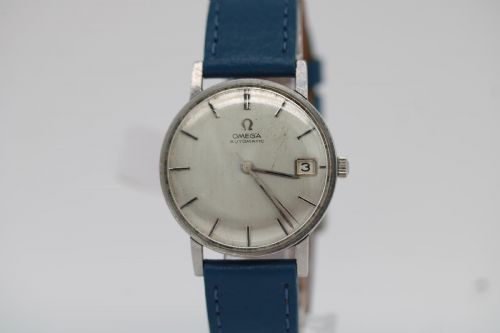
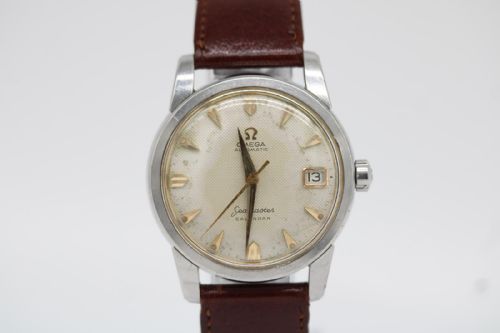
The selections on this page span several distinct forms, including standard automatic timepieces, calendar variants with date functions, and specialised chronographs. Buyers regularly encounter stainless steel casings alongside gold plated and solid precious metal editions, fitted with leather straps.
The lineage includes specific sub-lines such as the Seamaster DeVille, Cosmic, and Chronostop variants. Each version offers a distinct interpretation of the core Seamaster identity, bridging the gap between rugged sports heritage and refined daily wear.
How They Were Made
Cases are formed from stainless steel or solid and plated gold, paired with acrylic glass crystals protecting the dial. Early movements rely on bumper automatic systems, while later examples adopt rotor automatic calibres and manual wind mechanisms.
Dials display varied finishing techniques, including sunburst patterns, honeycomb textures, and patinated surfaces. Components are housed within water-resistant architectures characteristic of the Seamaster lineage's aquatic origins.
Bumper automatics gently tap against the wrist, letting the wearer feel the watch wind itself.
What Varies in Quality
Material selection dictates the primary tier of distinction, moving from stainless steel and gold plating up to solid nine carat, fourteen carat, and eighteen carat gold cases. The presence of original packaging, service papers, and factory boxes elevates the completeness of a piece.
Movement sophistication and historical preservation also determine standing within the range. Examples retaining untouched dial finishes and specific calibre numbers separate standard production items from more collectible configurations.
Omega
The Vintage Seamaster Watch Glossary
- Calibre
- The internal mechanical movement or engine of the watch, designated by specific numbers denoting its design family.
- Bumper Automatic
- An early form of self-winding movement where an oscillating weight swings back and forth against springs rather than rotating fully.
- Acrylic Glass
- A lightweight, shatter-resistant plastic material utilised for watch crystals during the mid-century period, easily polished if scratched.
- Honeycomb Dial
- A textured dial surface featuring a repeating grid pattern resembling a bee's honeycomb, prized for its decorative complexity.
- Chronostop
- A specific chronograph wristwatch variant designed for measuring short elapsed intervals utilising a single pusher mechanism.
Vintage Seamaster Watch: Frequently Asked Questions
What is a vintage seamaster watch?
A vintage seamaster watch is a mechanical timepiece produced by Omega during the mid-twentieth century, combining water-resistant engineering with classic styling.
These wristwatches range from simple dress models to robust sports chronographs manufactured through the nineteen fifties and nineteen sixties.
How do bumper movements work?
Bumper movements utilise a semi-circular weighted rotor that swings within a limited arc, striking internal springs to wind the mainspring.
This early automatic technology produces a distinct physical sensation on the wrist as the weight moves back and forth.
Are these watches waterproof?
While originally engineered with enhanced water resistance for aquatic use, historical seals degrade over decades.
Modern owners should avoid exposing vintage examples to moisture unless professional gaskets have been recently installed and tested.
How to identify the production year?
Production years are typically estimated using the movement calibre, reference numbers, and specific serial numbers engraved inside the case back.
Matching these details against historical production ledgers provides an accurate manufacturing date.