
Classic Glass Pendant
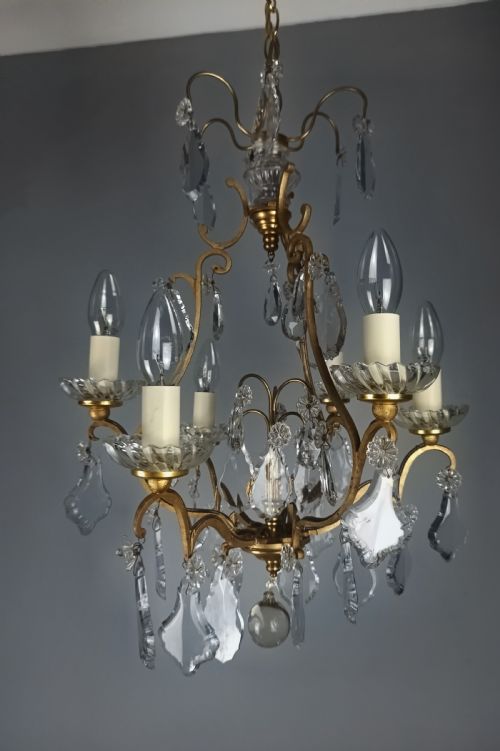
These classic glass pendant lights and chandeliers bring a defined historical presence to a ceiling, offering brilliant illumination framed in brass and crystal.
Classic Glass Pendant
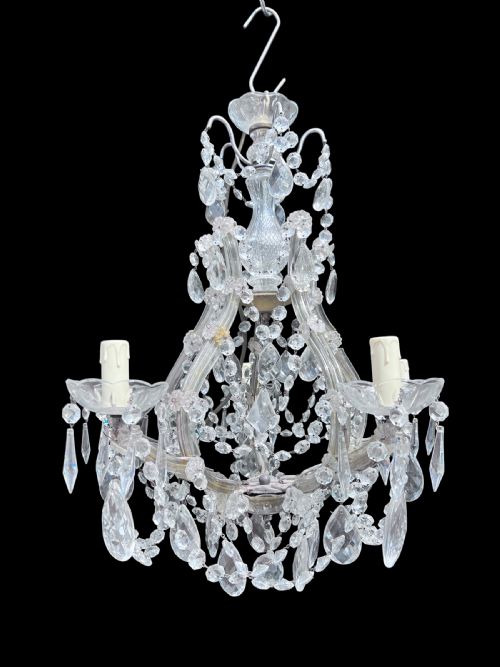
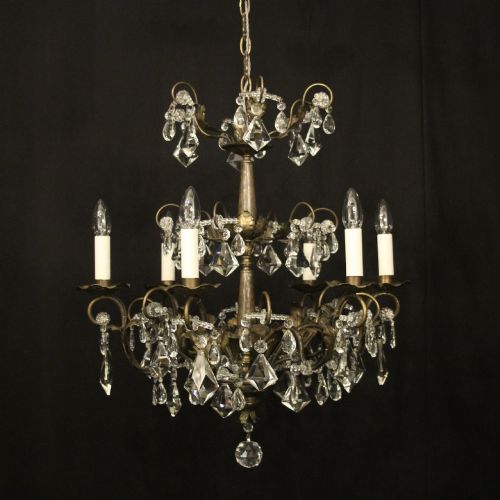
When you search for a classic glass pendant, you are looking at hanging ceiling lights, lanterns, and chandeliers that date from the eighteenth century through to the 1930s. The selection on this page leans heavily toward early twentieth-century examples, with numerous pieces originating from French and Italian workshops.
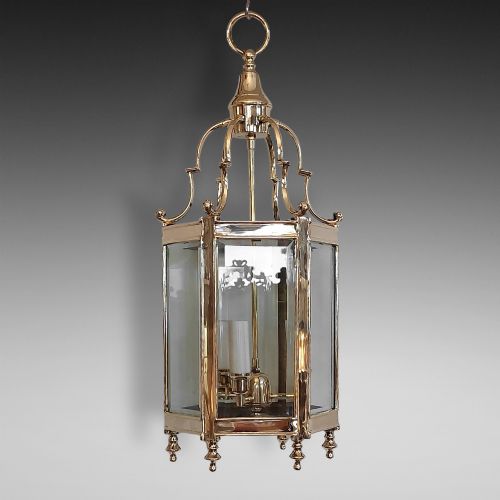
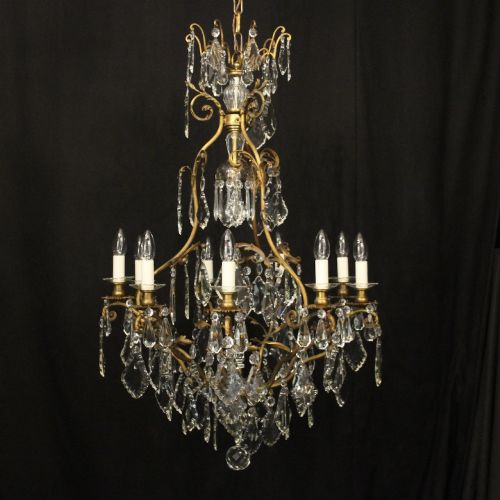
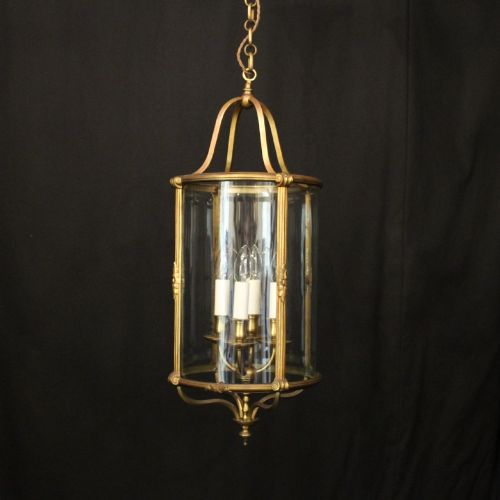
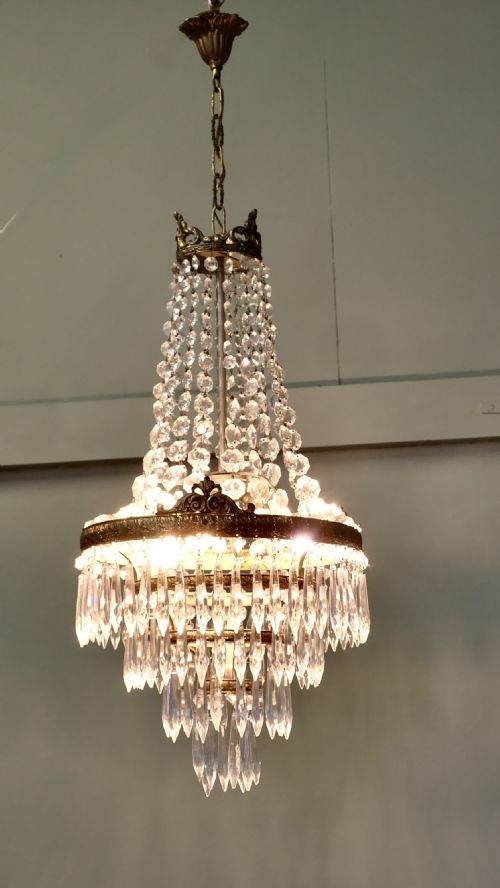
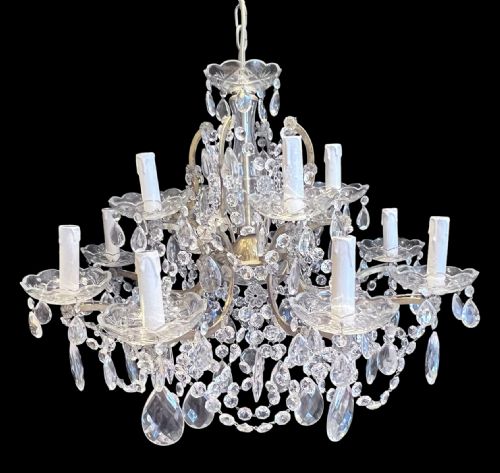
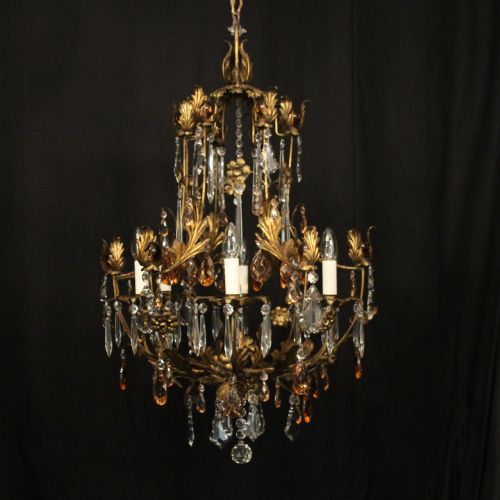
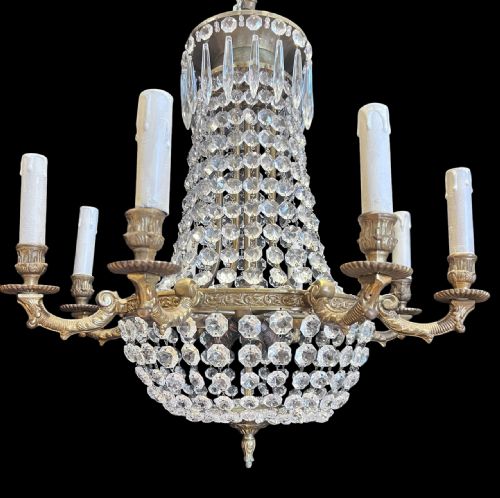
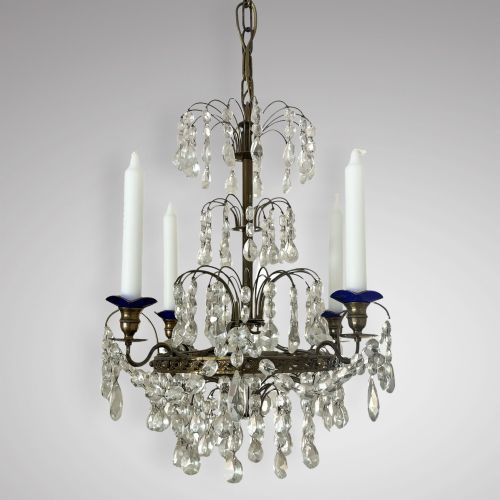
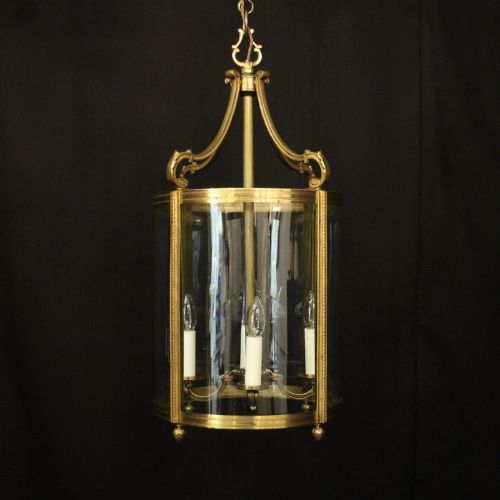
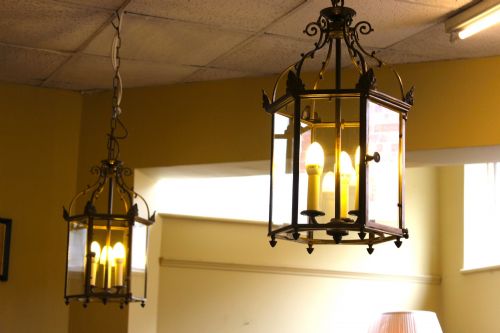
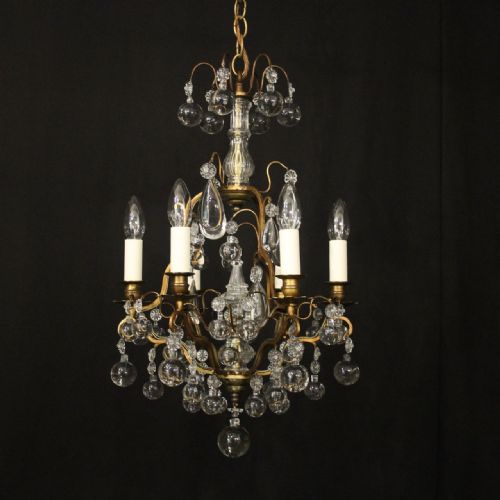
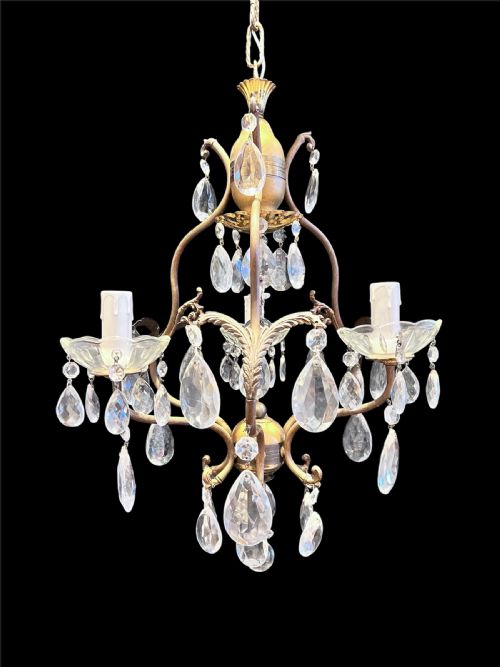
The forms range from multi-armed chandeliers dressed in crystal drops to hexagonal hall lanterns and bag tent chandeliers. Many pieces display distinct regional characteristics, such as the tiered profile of a Maria Theresa chandelier or the restrained geometry of an Edwardian brass lantern.
Makers drew on established design vocabularies, producing pieces in styles that reference French Rococo, Empire, and Neoclassical traditions. A buyer will encounter everything from a simple single-light pendant to large twelve-light fixtures designed for high-ceilinged rooms.
Materials and construction methods
The construction relies heavily on combinations of cast brass, gilt bronze, and structural steel that form the rigid skeleton of each light. Glass and crystal elements are then wired or pinned directly to these metal frames, often utilising hand-cut drops and moulded panes.
Metals were frequently gilded to enhance reflection, whilst the glass components were blown, moulded, or cut to refract light from the internal bulbs or candles. Frame construction involves mechanical joining methods like threading and riveting, securing heavy bronze mounts and brass collars to support the weight of the glass.
Listings feature pieces spanning from the 18th century through Edwardian times up to the 1930s, constructed in brass, gilt bronze, and cut glass.
Assessing quality in hanging lights
Quality reveals itself in the crispness of the metal casting and the depth of the hand-cutting on the crystal drops. Finer pieces display heavily chased bronze or substantial brass work with well-defined decorative motifs, whereas lesser examples rely on simpler, flatter stampings.
The integrity of the glass elements also dictates the standard of the piece, with higher-grade fixtures using clear crystal that catches the light sharply without cloudy impurities. Additionally, the complexity of the internal frame design - such as multi-tiered arrangements or integrated amethyst crystals - separates standard production from exceptional examples.
The Classic Glass Pendant Glossary
- Bag chandelier
- A light fixture featuring a rounded or bag-shaped lower section composed of numerous glass beads strung together in a mesh pattern. This form became popular for concentrating light output in smaller rooms.
- Maria Theresa chandelier
- A flat-armed style of chandelier developed in honour of the Austrian empress, typically characterised by glass-sheathed metal arms and abundant crystal garlands. These fixtures often incorporate coloured crystal accents.
- Gilt bronze
- An alloy of copper and zinc that has been covered with a thin layer of gold leaf or mercury gilt. This material resists tarnishing and provides a warm, reflective surface on lantern frames.
- Hall lantern
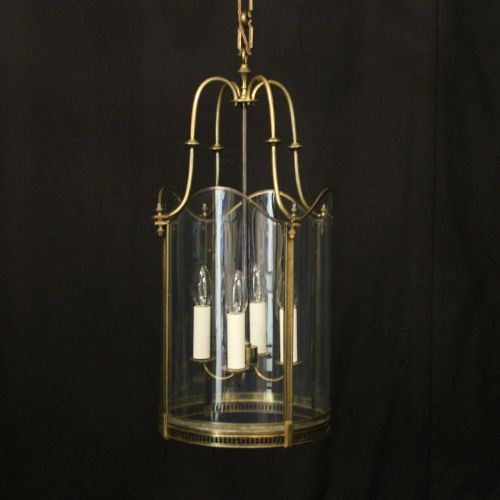
- An enclosed hanging light designed specifically for entryways and corridors, usually featuring glass panels set within a brass or bronze framework. They protect the light source from draughts.
- Tent and waterfall
- A chandelier design where glass beads form an upper tent shape that cascades down into a wider waterfall fringe around the lights. It creates a layered, volumetric silhouette.
Classic Glass Pendant: Frequently Asked Questions
How do I hang a heavy crystal chandelier?
Hanging a heavy fixture requires anchoring directly into the ceiling joist using a rated steel hook and junction box. Professional electrical installation ensures the weight is supported securely rather than relying on the plaster alone.
Once the structural mount is fixed, the chain and wiring can be adjusted to the desired drop height for the room. Ground clearance and proportion to the space dictate the final hanging position.
What rooms suit a brass hall lantern?
Hall lanterns suit entrance hallways, stairwells, and landings where an enclosed pendant provides direct downward light. Their compact footprint makes them ideal for spaces with moderate ceiling heights.
These fixtures also work well in kitchens and dining areas to create defined pools of light over worktops or tables. The glass panels help diffuse the brightness evenly across confined spaces.
How do I clean antique glass pendants?
Cleaning requires a mild solution of warm water and a gentle dish soap applied with a soft cloth to the glass and metal surfaces. Chemical sprays should be avoided to protect the aged finish on the brass or gilt bronze.
For chandeliers with many crystal drops, wiping each piece individually whilst still hanging prevents damage to the delicate wire fixings. Stubborn grime can be cleared using a dilute isopropyl alcohol mixture.
How can I date an antique glass light?
Dating relies on examining the wiring methods, metal casting techniques, and stylistic cues present in the frame. Early twentieth-century pieces often show specific joinery and pressed glass patterns distinct from nineteenth-century examples.
Stylistic markers, such as Edwardian restraint or Empire revival motifs, offer further clues to the period of manufacture. Comparing the screw threads and fixing bolts can also reveal the likely era of production.