
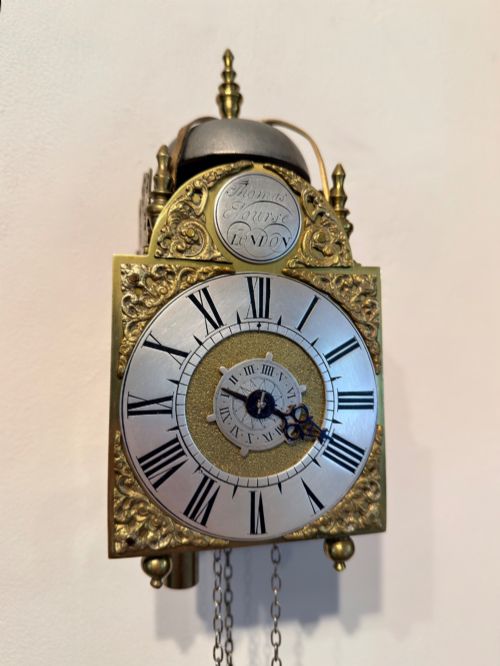
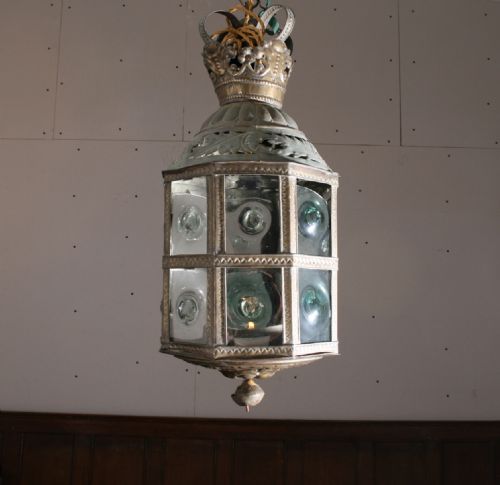
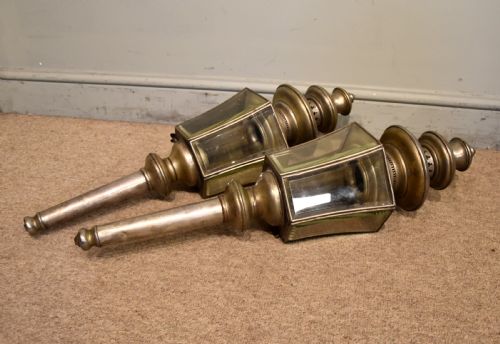


Silver Brass Lanterns
Silver brass lanterns bring striking metallic contrast and illumination to a room, drawing the eye with mixed metal construction.
Silver Brass Lanterns
Silver brass lanterns combine metallic tones for illumination, appearing in forms such as large pendant lighting and multi-light fixtures. When exploring silver brass lanterns, buyers encounter French designs from the early twentieth century alongside other historical interpretations.
The selection ranges from oversized twin light steel and brass configurations to detailed French gilded bronze examples. These lighting pieces serve functional purposes while introducing distinct periods into an interior scheme.
Originating across various eras including the nineteenth and twentieth centuries, these objects bridge practical lighting needs with decorative presence. Each piece displays the material combinations characteristic of its specific period of manufacture.
Materials and construction
Makers utilised a combination of brass, steel, and silvered metal to build the structural frames of these lighting fixtures. Hand-blown glass and cut glass panels were then fitted into the metallic framework to enclose the light source.
French workshops and other makers employed casting and metalworking techniques to produce heavy bronze and brass components. These elements were frequently combined with glass lenses, such as bulls eye glass, to diffuse illumination.
Materials recorded across the inventory include brass, glass, steel, cut glass, copper, silvered metal, hand-blown glass, and nickel.
Assessing quality
Quality rests in the precision of the metalwork, the weight of the bronze or brass framework, and the clarity of the glass panels. Heavy structural construction separates robust examples from lighter alternatives.
The refinement of decorative detailing, particularly in French gilded bronze or silvered metal finishes, dictates the upper tier of the range. Original glass elements, such as hand-blown bulls eye panes, contribute further distinction to a piece.
The Silver Brass Lanterns Glossary
- Bulls eye glass
- A thick disc of hand-blown glass featuring a central circular distortion or boss. This historic glazing technique scatters light effectively within enclosed lighting fixtures.
- Gilded bronze
- A metal object treated with a thin layer of gold or gold-coloured alloy applied to a bronze base. This technique provides a lustrous surface finish that resists tarnish.
- Twin fusee
- A mechanical clock movement driven by two spring barrels connected via chains or cords to fusee cones. This mechanism maintains even tension as the mainspring winds down.
- Pendant light
- A hanging lighting fixture suspended from the ceiling by a chain, cord, or metal rod. These fixtures direct illumination downwards into a space.
Silver Brass Lanterns: Frequently Asked Questions
What periods do these lanterns come from?
The available selection spans several distinct eras, incorporating pieces from the nineteenth and early twentieth centuries. Specific dates range from Georgian and Victorian periods up to nineteen-thirty.
French workshops produced many of the twentieth-century examples, while British and other European makers contributed pieces from earlier decades. Each era brings specific metallic combinations and glazing styles to the design.
How were these lanterns originally used?
These fixtures served primarily to illuminate hallways, grand rooms, and exterior carriage entrances. Their enclosed glass designs protected the internal flame or light source from drafts.
Larger configurations provided ample ambient light for high-ceilinged spaces. Coaching lamps fulfilled a specific transport role, mounted to illuminate the path ahead of horse-drawn vehicles.
How do I hang a large pendant lantern?
Hanging a substantial multi-light fixture requires assessing ceiling capacity to support the combined weight of metal and glass. Secure fixings attached directly to structural joists are essential for safety.
Professional installation ensures the hanging height aligns correctly with the proportions of the room. Electrical wiring must also be evaluated to handle the multiple bulb configurations found in larger pieces.
Can silvered metal and brass be cleaned safely?
Maintenance requires gentle dusting and careful cleaning with appropriate metal care products that do not strip historical finishes. Silvered surfaces demand particular caution to preserve the metallic layer underneath.
Harsh abrasives should be avoided entirely on both brass and glass components. Professional advice helps protect the integrity of antique patination.