







Classic Gilt Frame
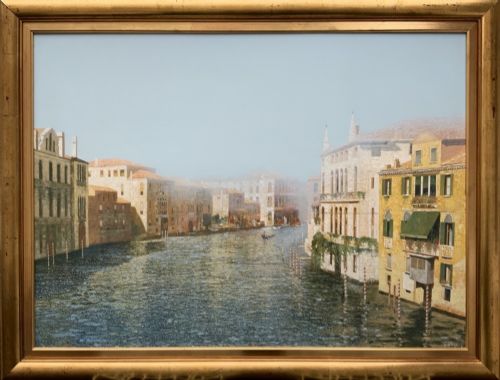
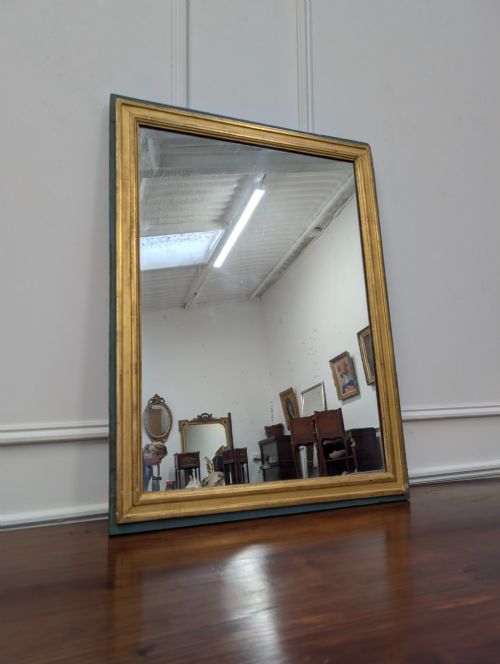
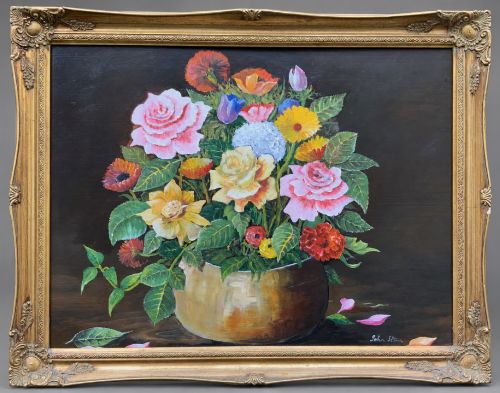
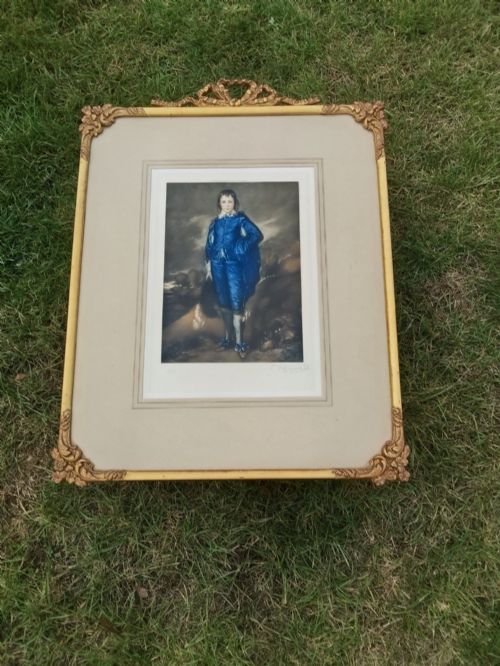
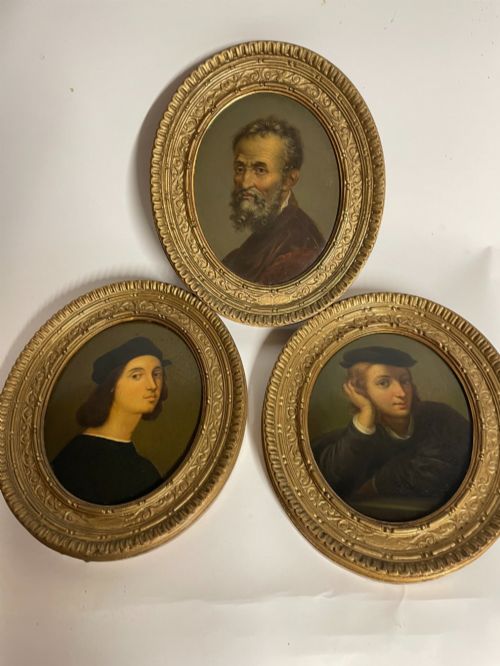
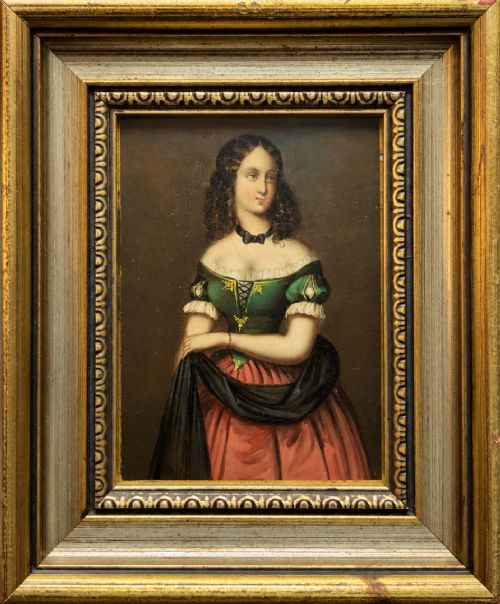
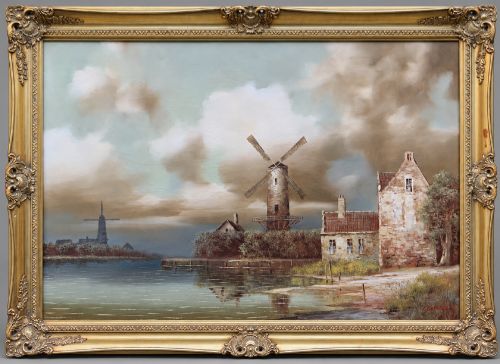
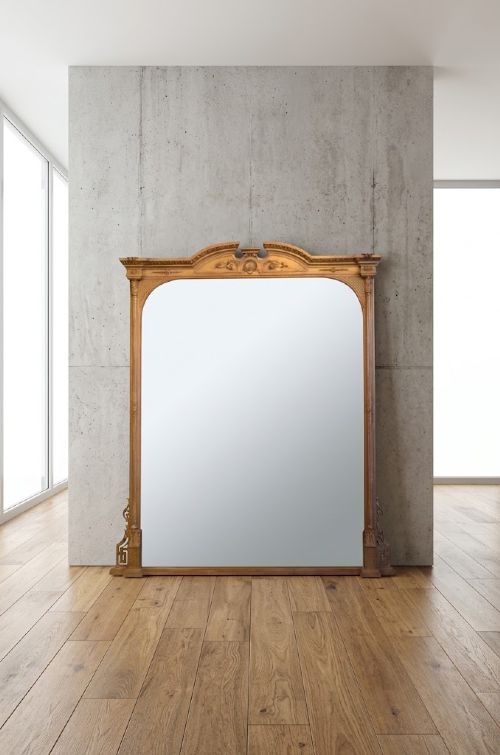
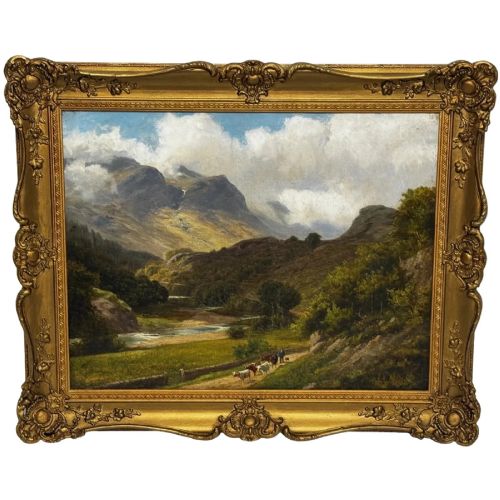
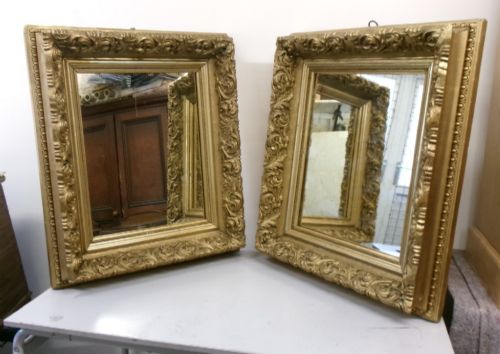
A classic gilt frame holds together centuries of oil paintings and wall mirrors, bringing warmth and reflective depth to any room.
Classic Gilt Frame
When you search for a classic gilt frame, you encounter a selection split primarily between antique oil paintings and decorative wall mirrors spanning the seventeenth century to the mid-twentieth century.
The most common examples on this page are nineteenth-century giltwood wall mirrors alongside portrait and landscape oil paintings enclosed in period wooden mouldings.
These pieces cross several traditional movements, including Baroque, Georgian, Victorian, and Edwardian styles, each presenting distinct decorative mouldings.
Materials and construction
The foundation of these frames typically consists of solid wood or carved plaster built up to support heavy canvases and glass plates.
Craftsmen applied thin layers of gold leaf or gilt paint over gesso preparations to achieve a luminous metallic finish.
Canvases are stretched over wooden frames and secured within decorative surrounds, while mirror glass is set behind heavy carved wooden or plaster overmantel structures.
Classic Gilt Frame Retail Price Guide 2026
Typical asking prices for classic gilt frame among the pieces listed under this phrase on Sellingantiques today, from the lower quarter to the upper quarter. They describe what is for sale here now, not the wider market.
Several portraits preserve the haughty gazes of past owners who clearly took their periwigs very seriously indeed.
Distinctions in quality
Quality rests in the depth and crispness of the hand-carved wooden or gesso enrichment rather than flat, machine-extruded mouldings.
Superior pieces retain their original gilding layers with minimal restoration, showing natural ageing across the surface.
The weight of the timber and the complexity of the corner joints distinguish substantial pier glass and overmantel surrounds from lighter decorative alternatives.
Charles Jervas·Sir Peter Lely·Thomas Murray·Matthieu Elias·Benjamin Barker of Bath·John Horace Hooper·Stephen Samuel Lewin·Sir Martin Archer Shee·Jean Baptiste Van Loo·Alfred Lyndon Grace·Francis Moltino·Edward Ladell·Albert Rieger·Valdemar Magaard·Robert Watson
The Classic Gilt Frame Glossary
- Giltwood
- Wood that has been coated with gold leaf. This material provides the rich metallic surface characteristic of period frames.
- Gesso
- A plaster mixture applied to wood as a base for gilding. It allows craftsmen to carve intricate relief patterns before applying gold leaf.
- Overmantel
- A large mirror or painting designed to hang above a fireplace mantel. These pieces often feature heavy proportions to anchor large reception rooms.
- Pier glass
- A tall mirror designed to hang on the wall between windows. They frequently appear in pairs across nineteenth-century interiors.
- Ripple frame
- A frame featuring concentric undulating mouldings. This style gained popularity in seventeenth-century Dutch workshops.
Classic Gilt Frame: Frequently Asked Questions
How do I date a gilt frame?
Dating relies on examining the underlying construction timber, the composition of the gesso layer, and the style of the carving. Earlier pieces often display hand-carved wooden enrichment, whereas later examples utilise moulded plaster.
Changes in profile shapes and joining techniques at the corners also offer clear indicators of the period in which the frame was constructed.
Can I hang a heavy mirror on any wall?
Large overmantel and pier glass mirrors possess substantial weight due to their wooden frames and thick glass plates. Secure installation requires fixing directly into wall studs or using heavy-duty structural fixings.
Professional hanging ensures the weight is distributed safely without damaging plaster or drywall.
How should I clean a gilt surface?
Gilt surfaces require gentle dusting with a soft, dry brush to prevent the accumulation of dirt within the carved recesses. Moisture and chemical cleaning agents can strip or discolour the delicate gold leaf.
Professional conservation is recommended for any deeper cleaning or repair work on antique surfaces.