






Classic Gilded Frame
A classic gilded frame brings warmth and historic presence to oil paintings and wall mirrors alike.
Classic Gilded Frame
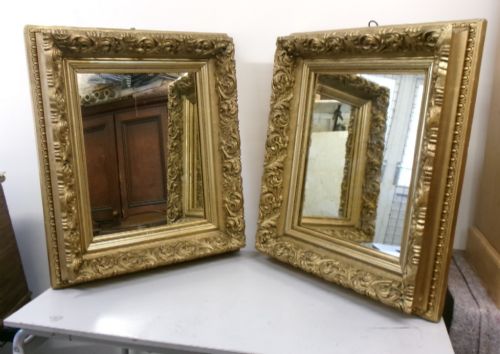
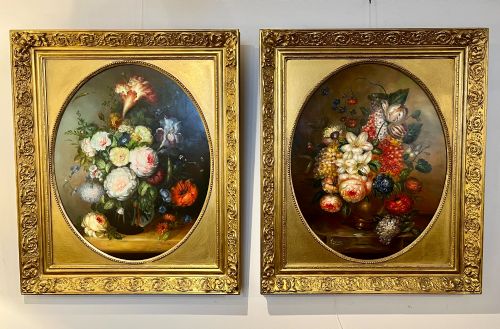
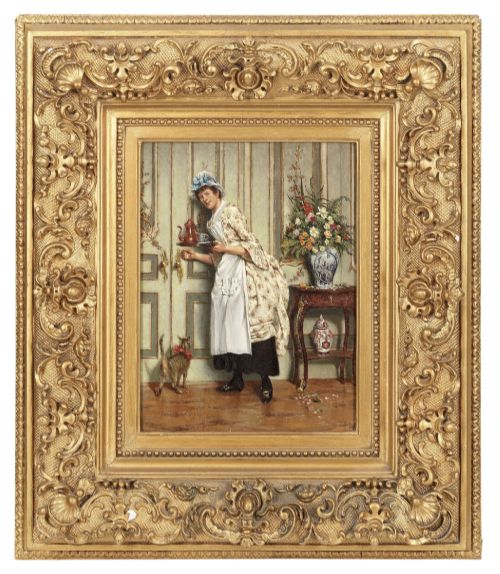
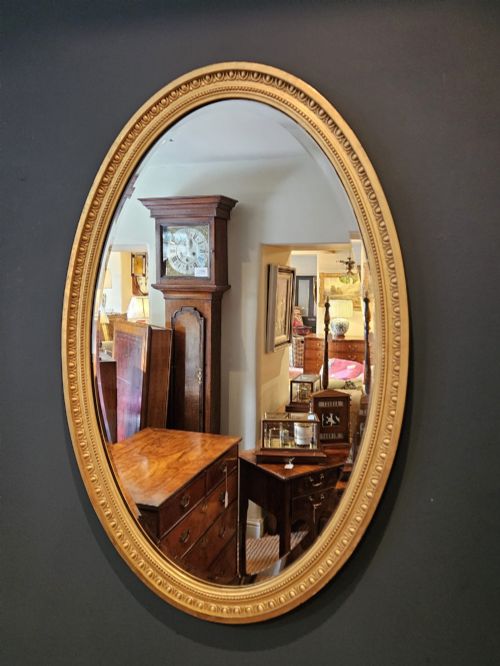
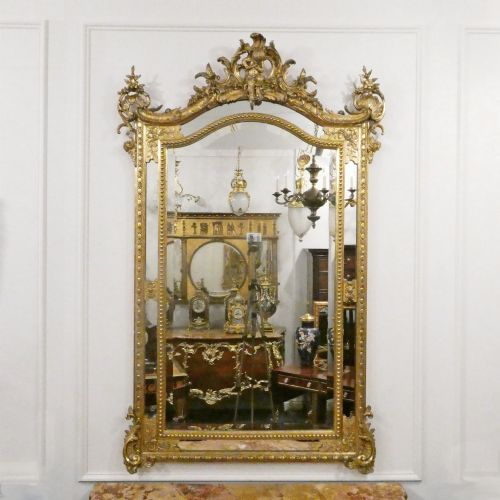
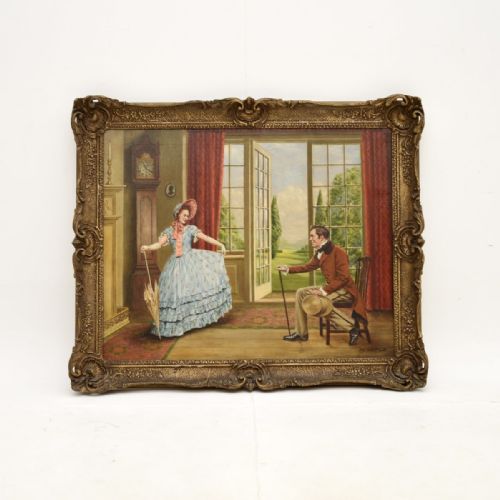
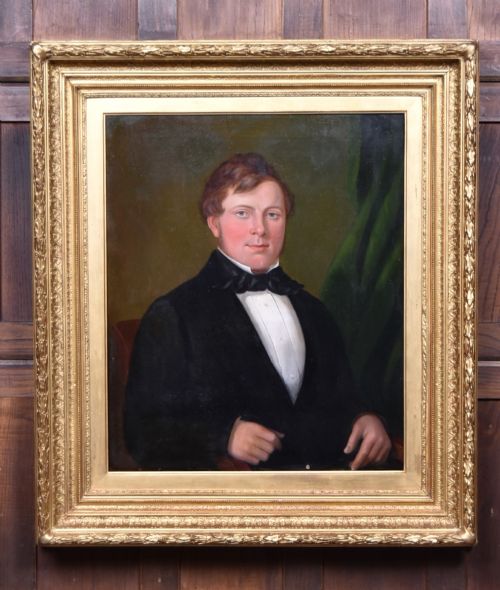
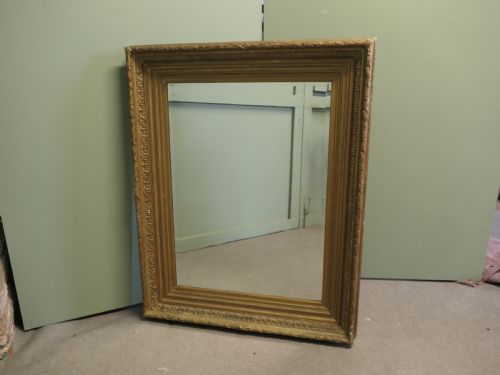
A classic gilded frame houses centuries of oil paintings, portraits, and decorative wall mirrors across a range of historical periods. These pieces include elaborate 19th-century pier glass mirrors, Georgian wall mirrors, and early oil paintings on canvas.
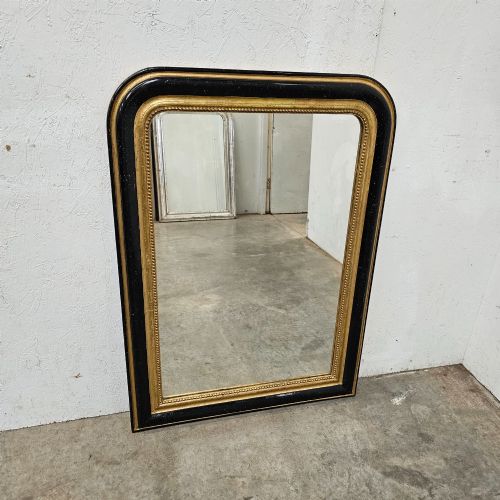
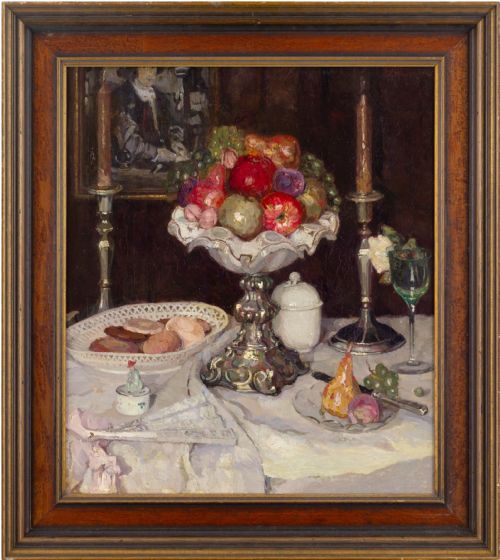
The selection on this page leans heavily toward 19th-century interpretations and Victorian gilt mirrors, alongside earlier 17th- and 18th-century portraiture. Buyers encounter everything from French Louis XVI style wall mirrors to Dutch style still life paintings.
Beyond mirrors and canvas art, the category extends to framed prints and decorative wall art housed in metallic leaf surrounds. Each piece carries the distinct aesthetic weight of carved wood, gesso, and gold leaf.
Materials and construction
Traditional makers built these frames using solid wood as a foundation, applying layers of gesso to build up smooth surfaces for carving and moulding. This plaster mixture allowed artisans to achieve sharp relief work before applying the metallic finish.
Gold leaf or giltwood finishes were meticulously laid over a preparatory base layer, catching ambient light and developing a deep patina over the decades. Gilt wood and applied plaster ornaments give these surrounds their characteristic reflective brilliance.
Materials recorded across the inventory include giltwood, gesso, gold leaf, and traditional wood frames housing both portraits and landscapes.
Distinctions in craftsmanship
Quality rests in the depth and crispness of the hand-carved detailing within the wood or gesso ornamentation. Superior examples display refined proportions and deeply undercut relief work rather than flat, cast repetition.
The integrity of the original gilt surface and the harmony between the artwork or mirror plate and its surround dictate the desirability of the piece. Genuine period gilding shows a soft, warm tonal variation that modern synthetic paints cannot replicate.
Sir Martin Archer Shee·Anthony Van Dyck·Sir Godfrey Kneller·Jean Baptiste Van Loo·Nicolaes Maes
The Classic Gilded Frame Glossary
- Giltwood
- Wood that has been coated with gold leaf or a gold-coloured metallic finish. This material forms the primary structure of many high-status antique frames and mirrors.
- Gesso
- A plaster-like mixture applied to wood frames to create a smooth surface for carving and gilding. Artisans used it to build up intricate relief ornaments before applying gold leaf.
- Pier Glass
- A tall wall mirror designed to hang on the pier, the section of wall between two windows. These large mirrors often feature heavy carved frames.
- Ripple Frame
- A frame characterised by concentric, undulating mouldings machined or carved into the wood. This style is frequently found on seventeenth-century Dutch paintings.
- Overmantle Mirror
- A large mirror designed specifically to be hung above a fireplace mantelpiece. They typically feature wide horizontal formats and ornate gilt surrounds.
Classic Gilded Frame: Frequently Asked Questions
How do I date a gilded frame?
Dating relies on examining the construction methods of the underlying wood and the composition of the gesso layers. Earlier pieces often show hand-carved joinery and distinct tool marks beneath the metallic leaf.
Stylistic cues such as repeating motifs or the specific profile of the moulding also point toward periods like the Georgian era or the nineteenth century.
Are these frames original to the paintings?
Many antique oil paintings retain their original period surrounds, which were selected by artists, patrons, or later collectors to complement the canvas. However, framing art and mirrors historically was a fluid practice, and some pieces were paired with period-appropriate surrounds later in their history.
Checking the fit of the rebate and the ageing of the backing materials helps determine if the pairing is long-standing.
How do I care for antique giltwood?
Giltwood surfaces require gentle maintenance to preserve the delicate gold leaf and underlying gesso. Dusting should be done sparingly with a very soft, dry brush, avoiding any moisture or chemical cleaning agents that might strip the metallic finish.
Keeping the piece away from direct sunlight and excessive humidity prevents the wood from warping and the gesso from cracking.