


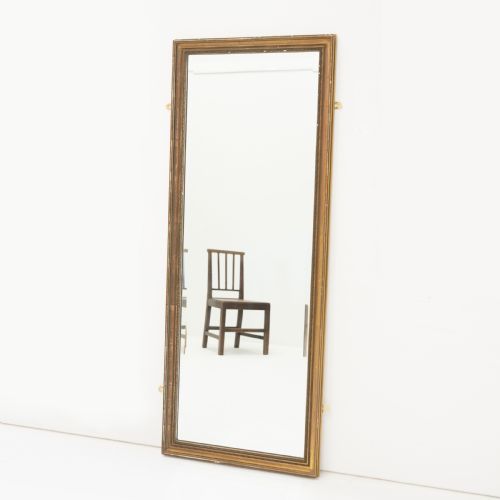


Classic French Gilt Frame
A classic french gilt frame brings immediate warmth and historical depth to a room, catching the light in a way few other decorative objects can.
Classic French Gilt Frame
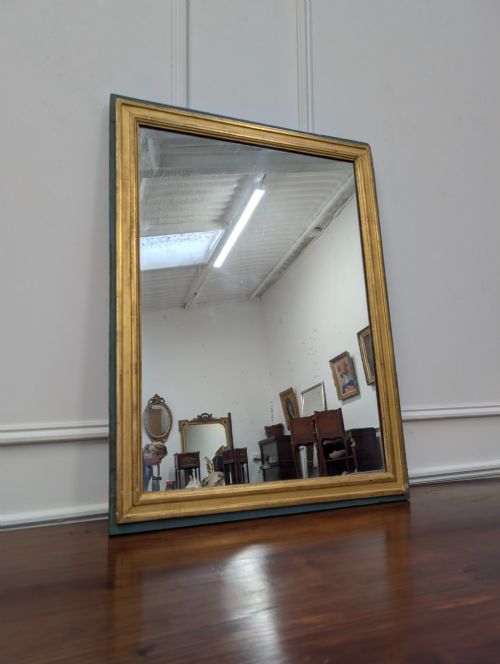
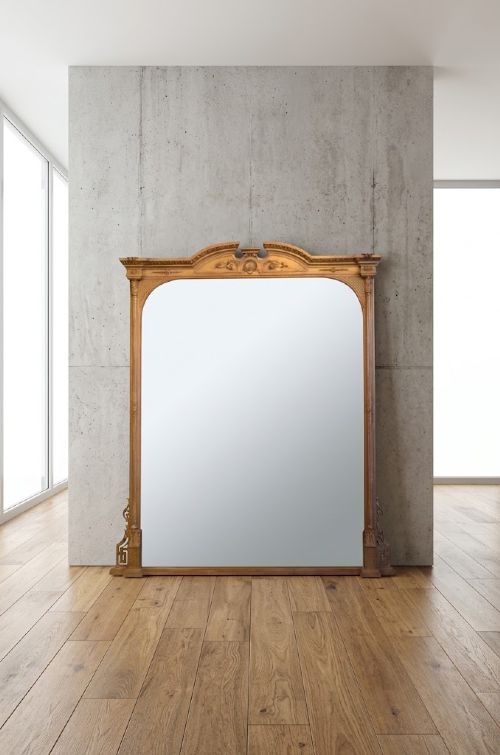
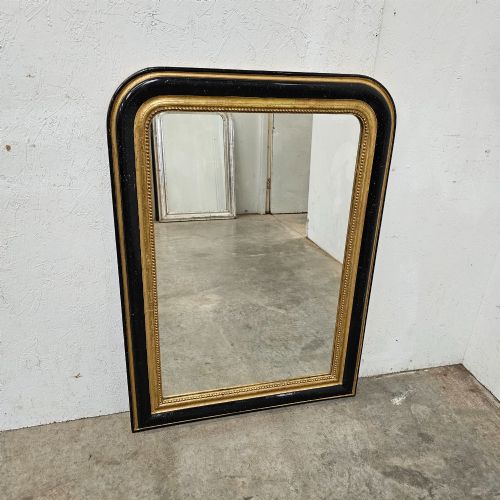
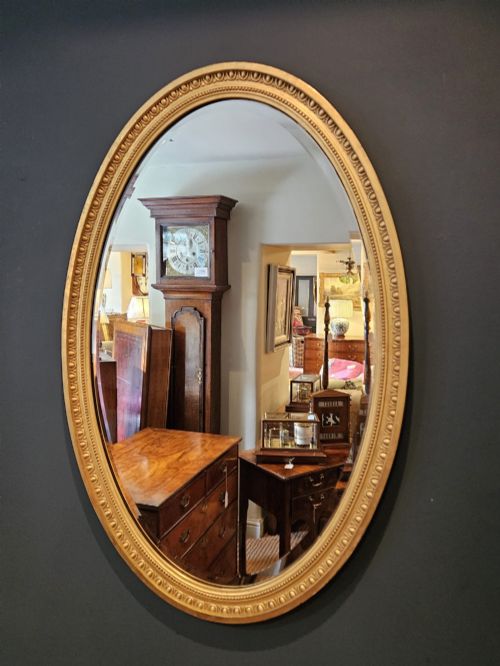
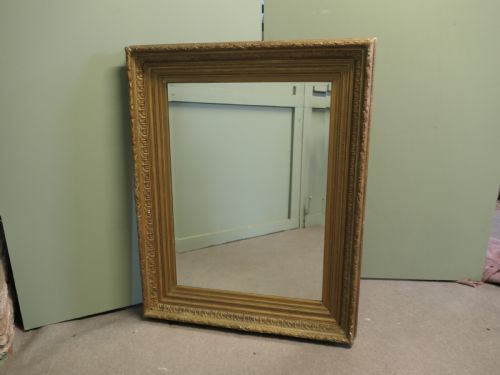
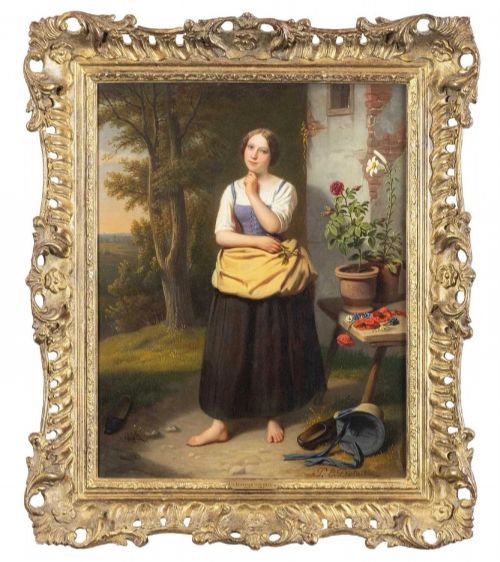
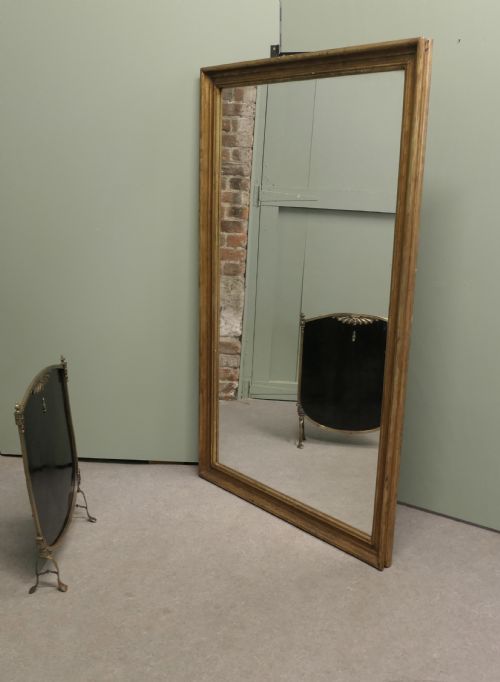
When you search for a classic french gilt frame, you encounter a selection spanning the eighteenth, nineteenth, and early twentieth centuries. These pieces predominantly take the form of wall mirrors, overmantel mirrors, and occasionally framed paintings or watercolours.
The objects on this page range from grand nineteenth century wall mirrors in the Louis XVI and Rococo Revival styles down to smaller Victorian oval plaster pieces and early twentieth century examples. You will also find architectural wall brackets and oil paintings framed in matching gilt styles.
Most items originate from French workshops or draw heavily upon French aesthetic traditions such as the Napoleon III style and the grand feel of a French chateau. They function practically as mirrors or artwork while serving as strong decorative focal points in domestic interiors.
Materials and construction
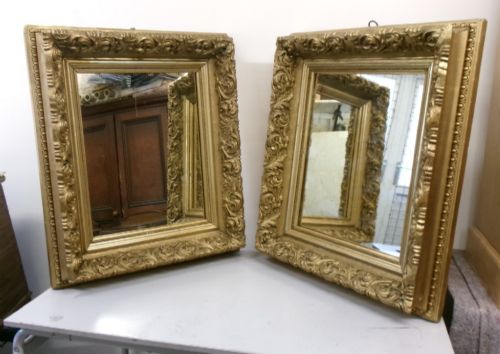
The construction of these pieces relies upon traditional joinery in wood, often built up with moulded plaster or gesso to create intricate relief ornament. Artisans applied gold leaf or gilt finishes directly over these prepared surfaces to achieve a brilliant metallic sheen.
Glass components include original reflective plates set into heavy wooden frames, occasionally showing natural ageing. Oil on canvas, watercolour paintings, and engravings complete the grouped selection within their period borders.
Classic French Gilt Frame Retail Price Guide 2026
Typical asking prices for classic french gilt frame among the pieces listed under this phrase on Sellingantiques today, from the lower quarter to the upper quarter. They describe what is for sale here now, not the wider market.
The listings span from the mid-eighteenth century through to the mid-twentieth century, featuring materials such as giltwood, gesso, and oil on canvas.
Assessing quality and craftsmanship
The depth and crispness of the carved detail or moulded gesso separate the superior examples from standard production pieces. Hand-carved giltwood exhibits sharper definition and greater nuance in floral and scroll motifs than simpler moulded plaster alternatives.
The richness and application method of the gold leaf or gilt surface dictate the overall visual warmth of the object. Heavier construction and intact original glass plates also distinguish the most substantial mirrors and artworks in the collection.
The Classic French Gilt Frame Glossary
- Giltwood
- Wood that has been decorated with gold leaf or a gold-coloured finish. This material forms the primary structure of many high-end period mirrors and frames.
- Gesso
- A plaster-like mixture applied to wood frames to create a smooth surface for gilding and moulding. It allows for deep, intricate decorative relief work.
- Overmantel Mirror
- A large mirror designed to hang directly above a fireplace mantelpiece. These pieces frequently feature horizontal proportions suited to domestic hearths.
- Louis XVI Style
- A neoclassical design style characterised by straight lines, symmetry, and classical motifs such as ribbons and urns. It heavily influences French decorative arts from the eighteenth century onwards.
Classic French Gilt Frame: Frequently Asked Questions
How do I hang a heavy overmantel mirror?
These substantial pieces require secure anchoring directly into wall studs using heavy-duty brackets rated for the specific weight of the wood and glass.
Professional installation is strongly advised to ensure the frame remains stable and safe against the wall.
Are these frames made of solid gold?
No, the surface consists of thin gold leaf or gilt applied over a base of wood, gesso, or plaster. This traditional technique provides the appearance of solid gold while keeping the object structurally manageable.
Over time, this outer layer can develop a warm patina that reveals the underlying materials.
How do I clean a antique gilt frame?
Dust the surface gently using a soft, dry brush to remove particles without disturbing the delicate gold leaf. Avoid liquid cleaners and harsh chemicals, which can strip the historic gilt finish.
For the glass plate, apply standard glass cleaner to a cloth rather than spraying directly onto the mirror, preventing moisture from seeping behind the frame.
Can I place these mirrors in a bathroom?
High humidity and moisture can damage the gesso, wood, and historic silvering on the glass plates. It is best to keep these pieces in dry living areas, hallways, or bedrooms.
Positioning them away from direct sources of steam preserves the structural integrity of the frame.