




Classic Female Portraiture
Classic female portraiture captures the likenesses of notable and anonymous women across centuries in oil, watercolour and canvas.
Classic Female Portraiture
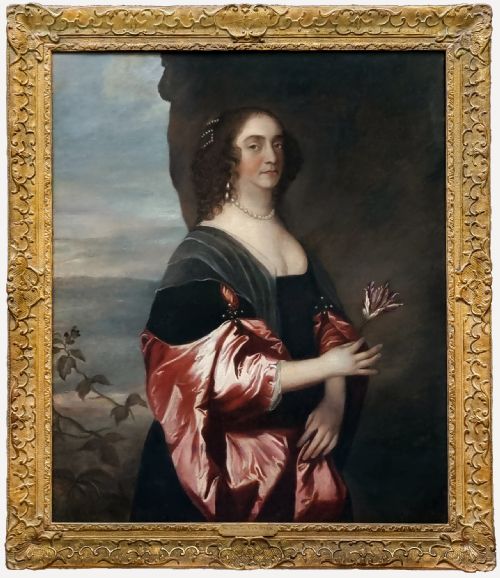
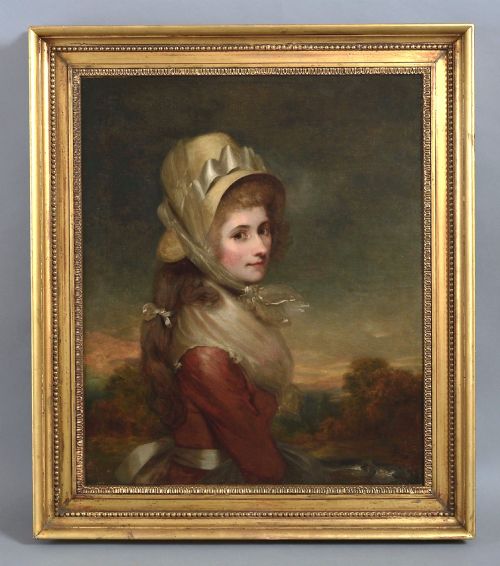
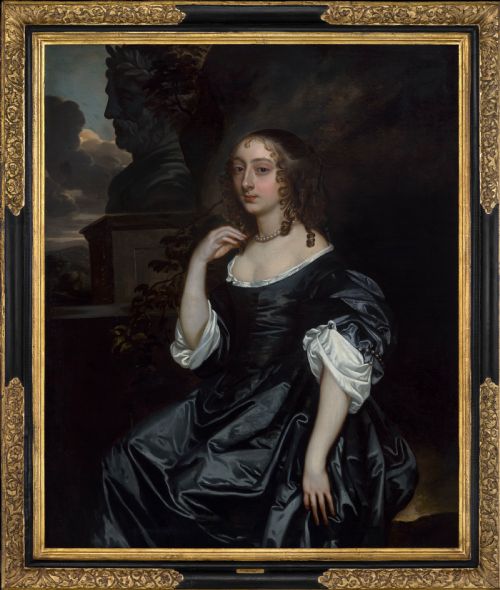
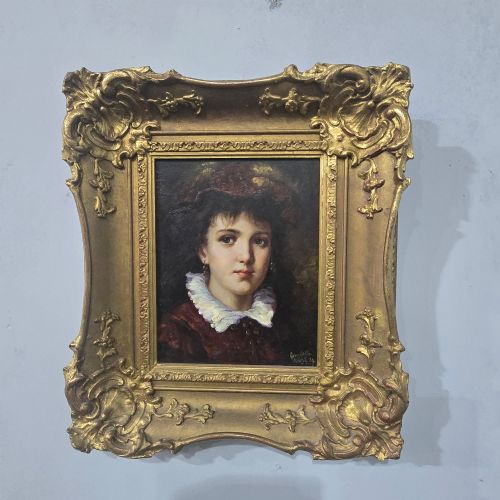
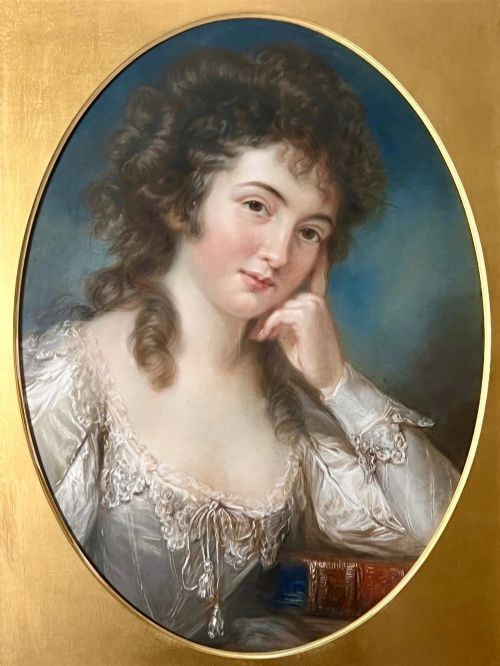
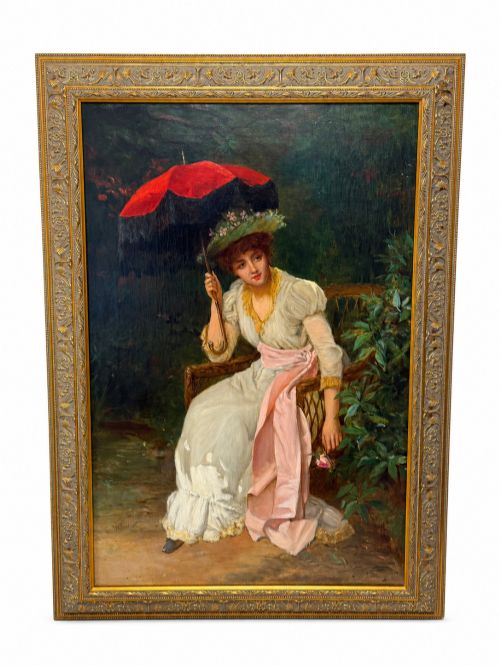
Classic female portraiture encompasses oil paintings and watercolour works depicting women across the seventeenth, eighteenth, nineteenth and twentieth centuries. These works record the changing fashions, hairstyles and societal roles of female subjects through distinct historical periods.
Buyers meet works attributed to named British and European artists alongside pieces from anonymous European schools. The core of the offering relies on traditional painted representations on canvas, wood and board.
Materials and techniques
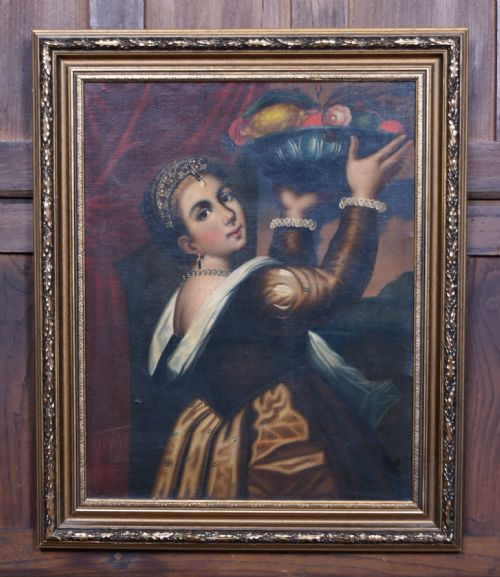
Artists painted primarily using oil on canvas, applying pigment to prepared fabric stretched over wooden frames. Some works employ oil on wood or board, utilising the rigid panel to support detailed brushwork.
Frames form an integral part of these pieces, constructed from wood and finished with gesso and gold leaf to create ornate giltwood housings. Watercolours on paper offer a lighter alternative medium seen in nineteenth-century examples.
Several sitters gaze outward holding props like parasols, musical instruments or trays, ensuring they remain busy across the centuries.
Judging quality in portraiture
Quality rests upon the skill of the brushwork in rendering facial expression, textiles and light. Masterful handling of drapery, such as silk dresses or lace collars, distinguishes superior works from standard studio productions.
Condition of the canvas and paint layer determines the integrity of the piece, with undisturbed original surfaces holding greater visual authority. The craftsmanship of the period frame also contributes to the overall merit of the object.
Sir Martin Archer Shee·Sir Peter Lely·Thomas Beach·John Russell·Attilio Toro·John Robert Dicksee·Balthasar Denner·John Gilroy·John Raphael Smith
The Classic Female Portraiture Glossary
- Oil on Canvas
- A painting medium where pigments suspended in oil are applied to a woven fabric support. This combination allows for rich colour blending and durability over centuries.
- Giltwood
- Wood carved and covered with a thin layer of gold leaf or metallic powder. It provides ornate, reflective borders for traditional paintings.
- Gesso
- A paint mixture consisting of a binder mixed with chalk, gypsum, or pigment. It serves as a smooth preparation surface for wood panels or frames before gilding.
- Watercolour Painting
- A work executed with water-soluble pigments on paper. This medium produces translucent washes and delicate tonal gradations.
- Baroque
- An artistic style prevalent from the seventeenth century characterised by dramatic use of light, rich detail and deep shadow. It adds theatrical presence to portrait subjects.
Classic Female Portraiture: Frequently Asked Questions
How do I date an antique portrait?
Dating relies heavily on the style of the sitter's clothing, hairstyle and accessories, which followed strict fashion trends of their decade. Framing styles and the composition of the canvas or pigments also offer strong chronological clues.
Signatures, inscriptions on the reverse, or historical records of the sitter further confirm the period. Comparing the brushwork technique to known works of a specific era helps narrow down the decade of creation.
Where should I hang a portrait?
Portraits suit principal reception rooms, hallways or studies where traditional furniture complements the historical character of the artwork. Placing them at eye level allows the viewer to engage directly with the gaze of the sitter.
Avoid positioning these paintings in direct sunlight or damp areas to protect the canvas, paint layers and giltwood frames. Stable indoor temperatures preserve the organic materials used in their construction.
What is the difference between an oil and a watercolour?
Oil paintings use pigment suspended in drying oils on canvas or wood, offering deep colours and thick impasto textures. Watercolours use water-soluble pigments on paper, resulting in a lighter, more translucent appearance.
Watercolours typically require protective glass framing to prevent moisture damage, whereas oil paintings on canvas remain open to the air. Both mediums capture fine likenesses but create entirely different visual atmospheres on the wall.
How do I identify the sitter?
Identifying sitters depends on contemporary inscriptions written on the canvas reverse, stretcher bars or accompanying documentation. Old labels and family provenance records frequently preserve the identity of the person portrayed.
When a subject remains anonymous, the clothing and heraldic elements can sometimes indicate their social standing or profession. Many historical portraits depict figures whose names were lost over successive generations.