


Classic European Wall Painting
Classic european wall painting brings seventeenth-century Dutch scenes and nineteenth-century realism into rooms through framed oils on canvas.
Classic European Wall Painting
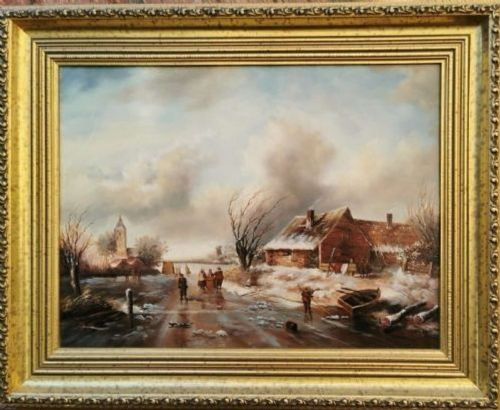
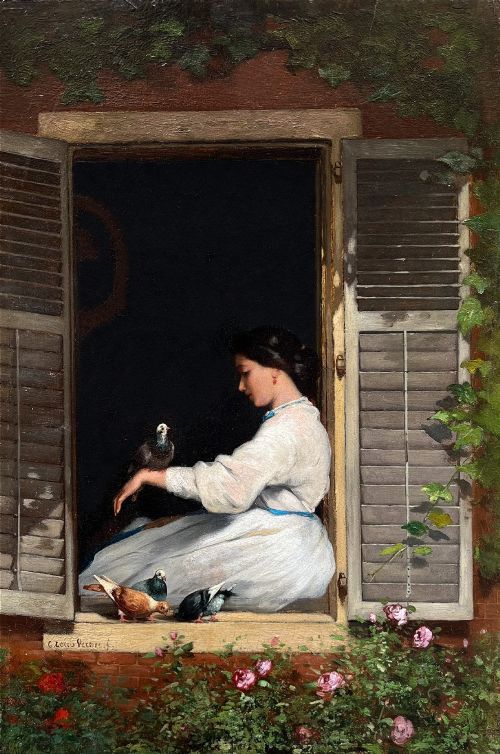
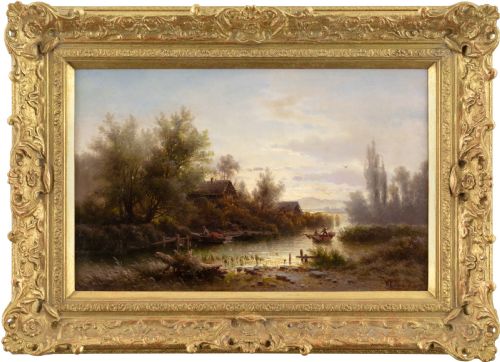
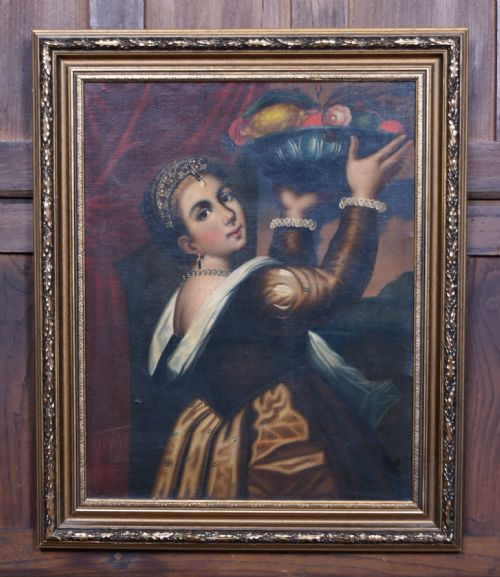
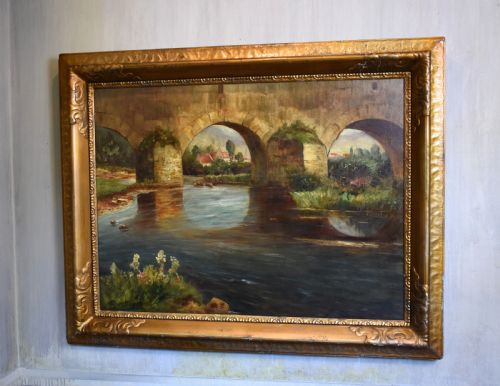
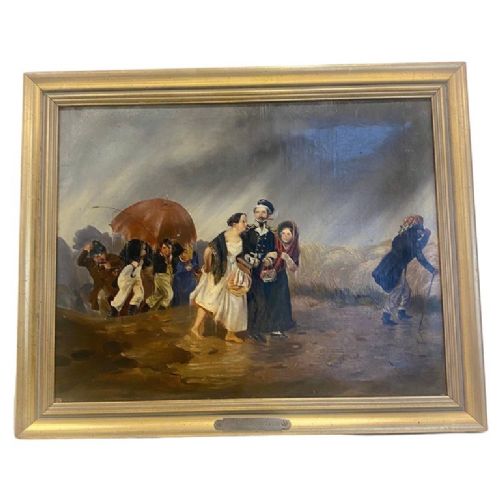
When you search for classic european wall painting, you meet framed works on canvas dating from the seventeenth century through to nineteen hundred. These pieces span Dutch Golden Age landscapes, Flemish Baroque scenes, and nineteenth-century realism.
The selections on this page showcase oil paintings executed by European schools, including Dutch, Belgian, German, and Scottish artists. Subjects range from portraits of gentlemen in ruffs to expansive river landscapes and genre scenes.
How they were made
These artworks utilise oil paint applied to canvas supports, framed with wood or gilded wood structures. Painters built up compositions using oil on canvas techniques characteristic of seventeenth-century and nineteenth-century European workshops.
Makers shaped wooden frames to house the canvas paintings, frequently employing gilding to finish the presentation of seventeenth-century and later works.
Gentlemen in ruffs share wall space with bustling country marriages and sportsmen beside huge Rhineland rivers.
What varies in quality
The distinction between works rests upon the precision of the brushwork and the complexity of the composition, such as figures integrated into mountainous river landscapes versus single portraits. Seventeenth-century Dutch school pieces and nineteenth-century genre paintings display varied levels of fine detail in costumes and backgrounds.
The execution of the wood frame and its harmony with the oil painting contributes to the overall standing of the piece. Masteries of light and atmosphere in nineteenth-century realism or Flemish Baroque works set superior examples apart.
Louis Charles Verwee·Albert Rieger·Hendricus Joseph Dillens·Pieter Bout·Adriaen Frans Boudewyns·Franz Reder Broili·Wilhelm Alexander Meyerheim
The Classic European Wall Painting Glossary
- Oil on canvas
- Pigments bound in a drying oil medium applied to a woven fabric stretched across a wooden support. This combination forms the primary medium for these paintings.
- Dutch Golden Age
- A period in seventeenth-century Netherlands noted for significant artistic output in landscapes and portraits. Works from this era appear frequently in these listings.
- Flemish Baroque
- A seventeenth-century artistic style characterised by dynamism and rich colour. It influences several landscapes and genre works found here.
- Realism
- An artistic movement of the nineteenth century focusing on everyday subjects truthfully. Pieces in this style portray ordinary people and settings without idealisation.
Classic European Wall Painting: Frequently Asked Questions
What periods do these paintings span?
The listings encompass works from the seventeenth century and the nineteenth century, including specific dates such as eighteen seventy and nineteen hundred.
These eras cover the Dutch Golden Age, Flemish Baroque, and nineteenth-century realism.
What materials make up these artworks?
Artists used oil paint on canvas supports for every painting featured in these selections.
Frames consist of wood, with several examples finished in gilded wood.
Where do these pieces originate?
The artworks come from various European traditions, including Dutch, Flemish, German, Belgian, and Scottish schools.
Subjects depict landscapes and figures from across the continent.
How should I display them?
Hang these oil paintings on walls using their existing wooden or gilded wood frames.
Ensure placement avoids direct sunlight to protect the canvas and oil paint.
What subjects appear in these works?
Common subjects include river landscapes, mountainous scenes with wood and figures, country marriages, and portraits of gentlemen in ruffs.
Realist genre scenes also feature prominently.