


Flemish Golden Age Art
Flemish golden age art brings seventeenth and eighteenth century oil paintings on canvas and wood, framed in giltwood, directly into your room.
Flemish Golden Age Art
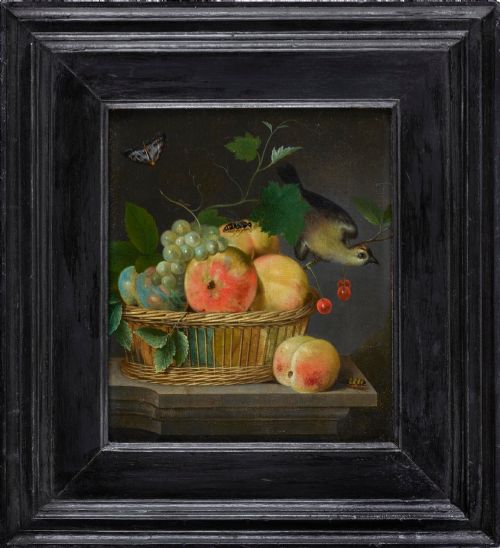
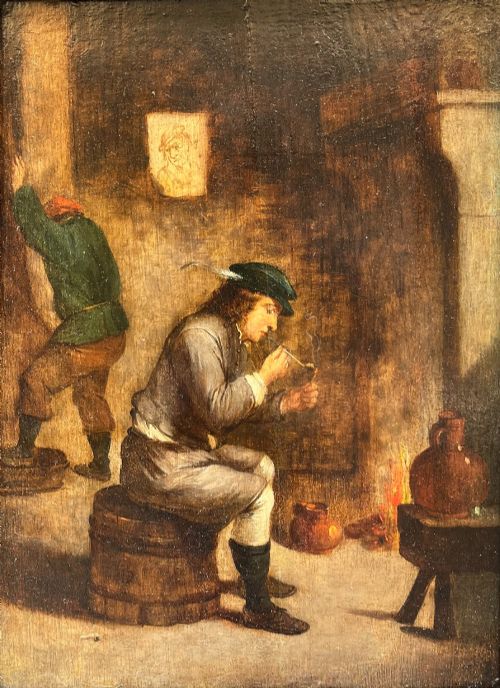
Flemish golden age art consists of oil paintings from the seventeenth and eighteenth centuries, capturing subjects ranging from maritime scenes and still lifes to tavern interiors and portraits. These works span Flemish Baroque and Dutch School styles, showing the distinct influence of regional workshops and painters.
You will most frequently meet seventeenth-century oil paintings on canvas and wood panels here. The pieces range from intimate tavern scenes to large landscapes featuring sportsmen and animals.
How They Were Made
These works utilise oil paint applied to prepared canvas and wooden panels. Painters built up compositions using layered pigments to achieve depth in figures, landscapes, and still lifes.
Frames are constructed from wood and finished with giltwood, providing an ornate border that complements the Baroque aesthetic of the paintings.
Several canvases capture dogs in the act of stealing food from wicker baskets, proving that seventeenth-century pets had zero manners.
What Varies in Quality
Quality rests in the brushwork and the confidence with which figures and textures are rendered. Finer works display precise handling of light and shadow, particularly in fabrics, foliage, and animal plumage.
The attribution to specific masters, circles, or followers influences the standing of a piece within the period. Studio participation and later copies also shape the character and distinction of individual works.
BONAVENTURA PEETERS·Gaspar Peeter Verbruggen·David Teniers·Frans Snyders·Jan Cossiers·Pieter Bout·Adriaen Frans Boudewyns·Ludolf de Jongh·Bartholomeus Van der Helst
The Flemish Golden Age Art Glossary
- Flemish Baroque
- A style of painting that emerged in Flanders during the seventeenth century, characterised by drama, rich colour, and emotional intensity. It reflects the Counter-Reformation and the patronage of the church and court.
- Giltwood
- Wood that has been coated with gold leaf or a gold-coloured metallic finish. It is commonly found on the frames surrounding seventeenth and eighteenth-century oil paintings.
- Oil on Canvas
- A traditional painting technique where pigments bound in oil are applied to stretched fabric. This medium allows for rich blending and textured brushwork.
- Still Life
- A painting genre focusing on inanimate subject matter, such as fruit, baskets, and game. These compositions often highlight the artist's ability to render varied surfaces and textures realistically.
Flemish Golden Age Art: Frequently Asked Questions
What subjects appear in these paintings?
The subjects include maritime scenes with boats in gales, still lifes of fruit and baskets, tavern interiors, and portraits of gentlemen.
Animals, exotic birds, and hunting parties also feature prominently across the seventeenth and eighteenth-century works.
How do I identify a seventeenth-century piece?
Seventeenth-century works are identified through historical subject matter, costume details, and attribution to artists working within the Flemish Baroque or Dutch School traditions.
Canvas preparation, pigment analysis, and the style of the giltwood frame further help in determining the period.
Where should I hang an oil painting?
Oil paintings on canvas or wood require stable indoor environments away from direct sunlight and excessive humidity.
Placing them on interior walls ensures the canvas and giltwood frames remain protected from temperature fluctuations.
What is the difference between circle and after?
A work from the circle of an artist indicates production by someone closely associated with the master during the same period. Paintings labelled as after an artist represent later copies or compositions derived from known originals.