



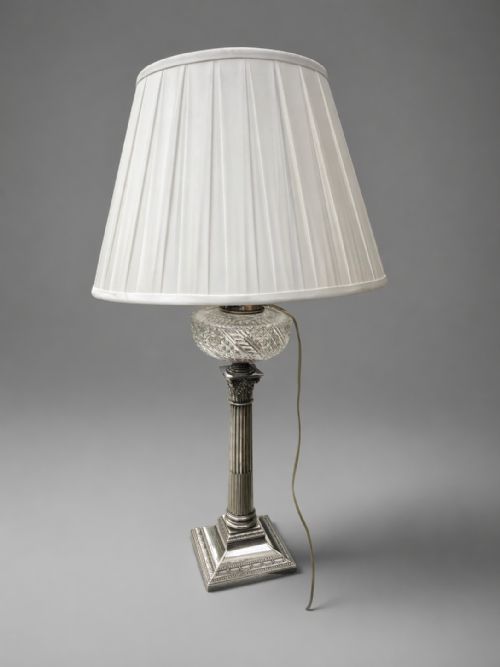

Classic Column Lamp
A classic column lamp brings architectural dignity and warm illumination to a room, drawing on classical orders adapted for domestic lighting.
Classic Column Lamp
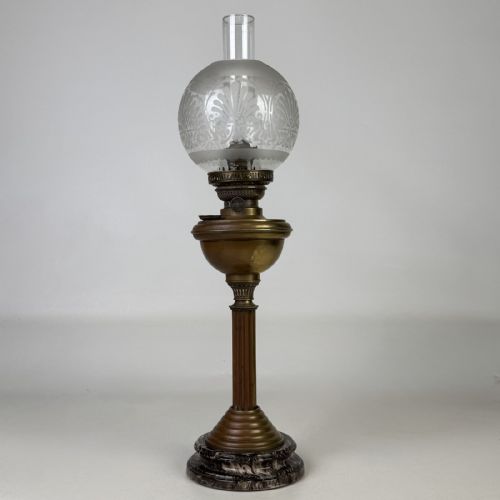
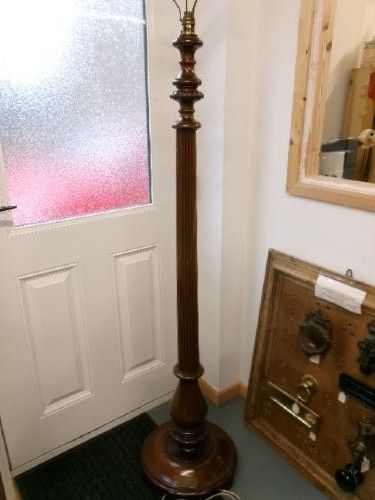
When you search for a classic column lamp, you encounter pieces rooted in architectural forms, primarily taking the shape of table lamps, oil lamps, floor lamps, and standard lamps. These lighting pieces draw heavily on Neoclassical, Victorian, and Edwardian design vocabularies, often translating ancient stone orders into domestic metalwork.
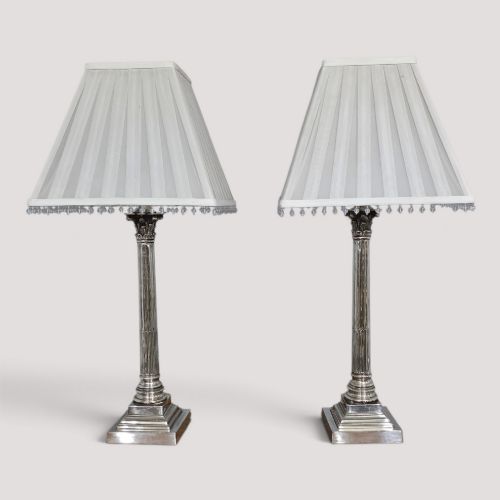
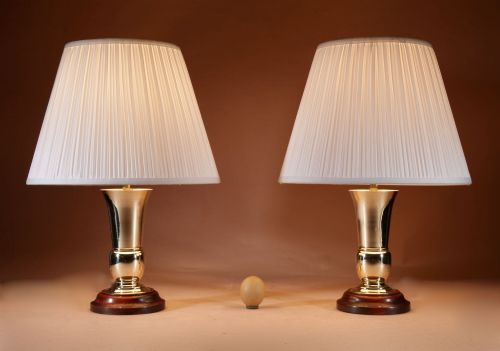
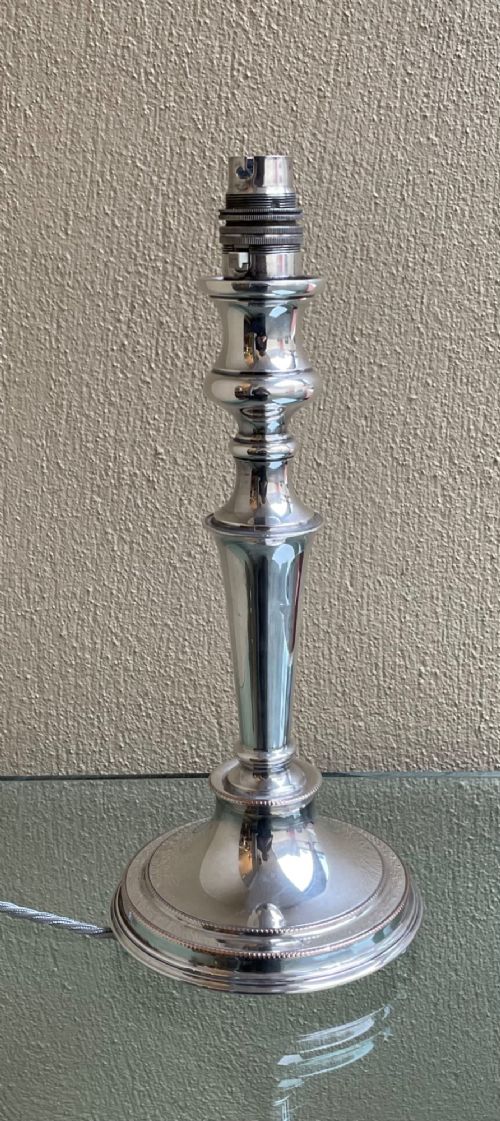
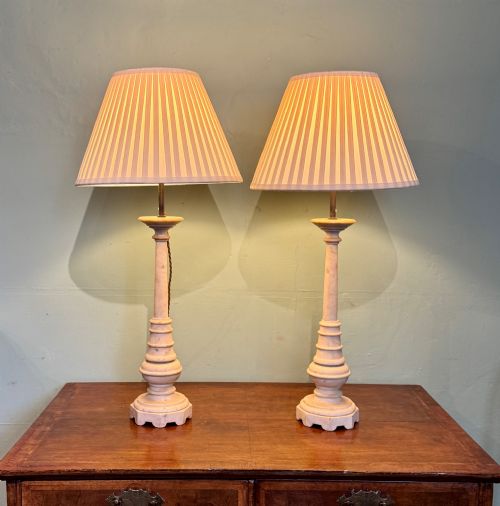
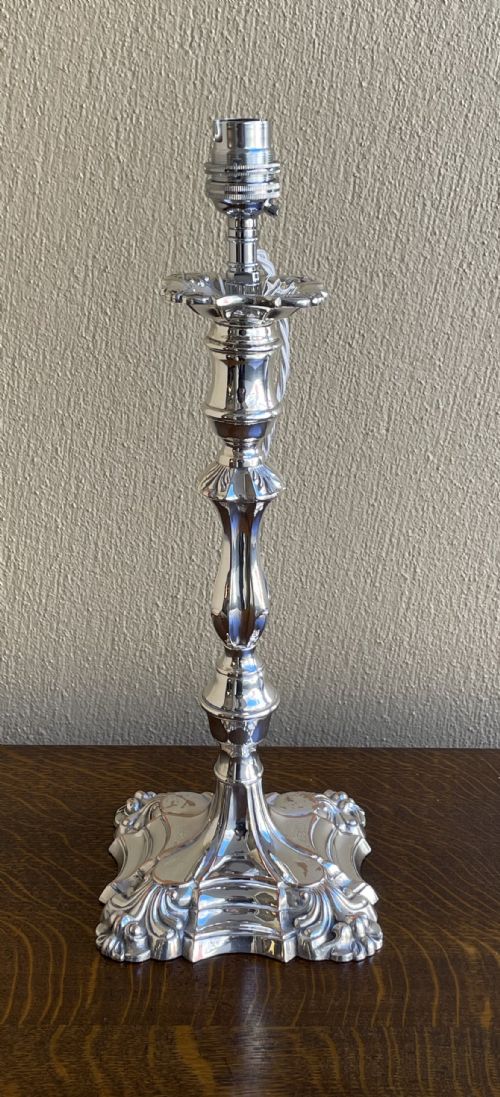
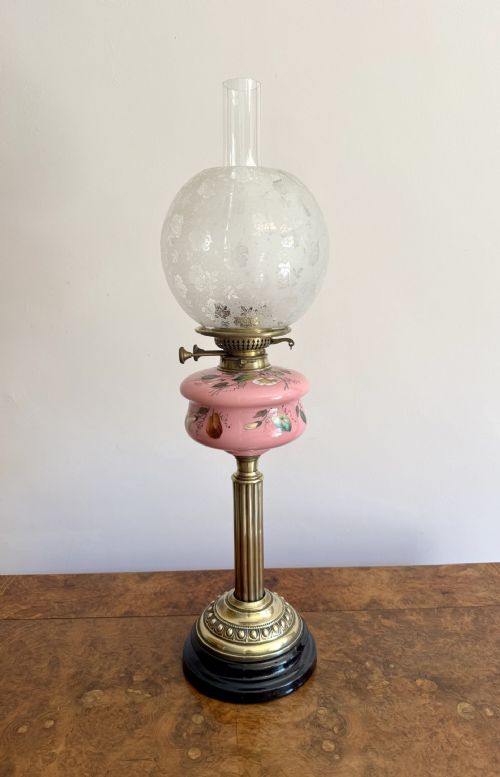
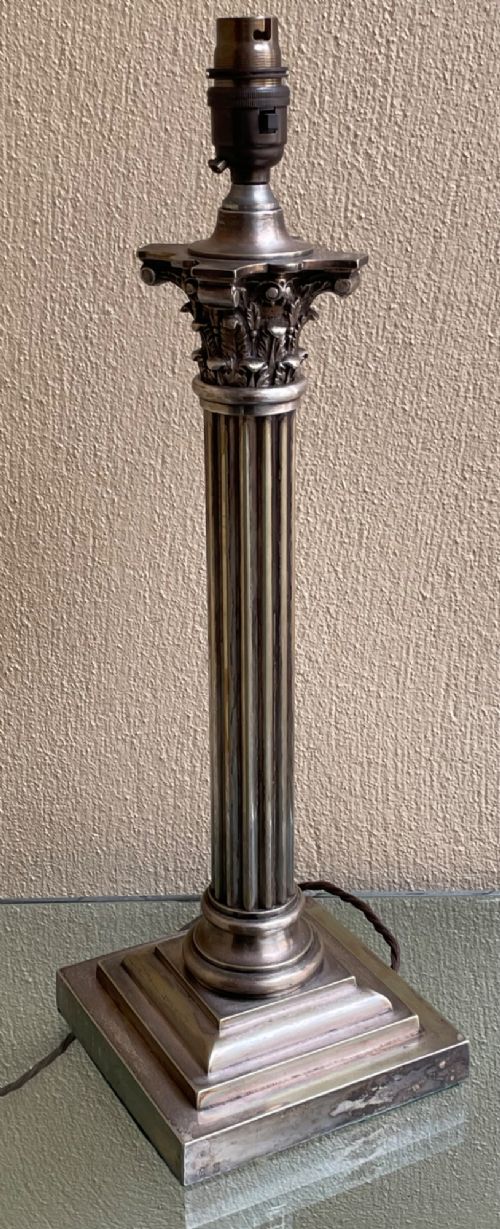
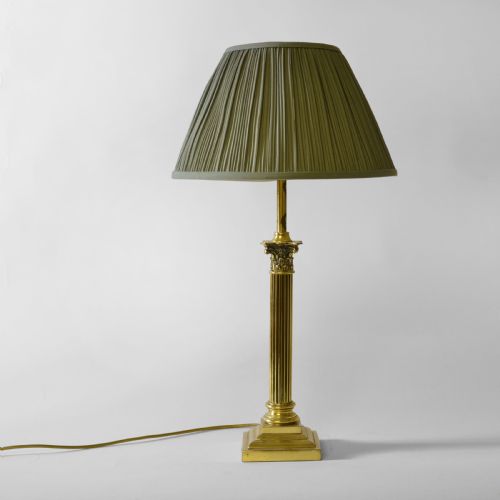
On this page, the most frequently met version is the brass table lamp or standard lamp featuring a Corinthian capital, alongside silver-plated, bronze, and marble variants. Dating predominantly from the nineteenth and early twentieth centuries, these upright vertical shafts rest on stepped or square bases, sometimes incorporating telescopic adjustments or oil lamp mechanisms adapted for electricity.
How they were made
Maker workshops utilised cast brass, silver plate, bronze, and occasionally white marble or porcelain de Paris to construct the upright shafts and stepped bases. Metal components were cast, turned on lathes, and chased to produce crisp fluting and detailed capitals, then polished or silver-plated.
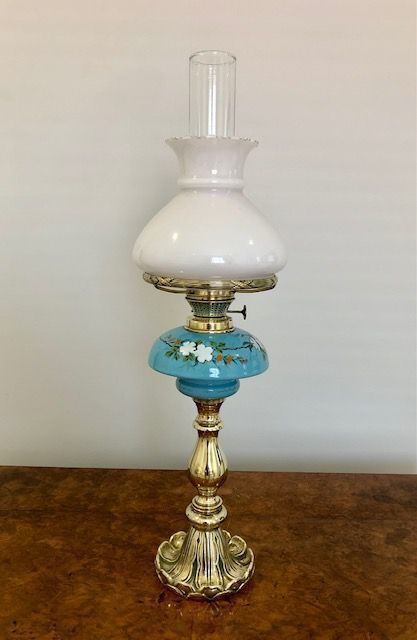
Many examples began life as oil or paraffin burners, utilising glass fonts in opaline or clear glass before later conversion to electric lighting. Structural stability was achieved through weighted internal iron rods or heavy triangular and square metal bases.
Classic Column Lamp Retail Price Guide 2026
Typical asking prices for classic column lamp among the pieces listed under this phrase on Sellingantiques today, from the lower quarter to the upper quarter. They describe what is for sale here now, not the wider market.
Site listings feature brass predominantly, alongside silver plate, glass, marble, and porcelain elements across Victorian and Edwardian periods.
What varies in quality
Quality rests upon the crispness of the casting detail in the capital and the integrity of the metal gauge used for the shaft and base. A superior column displays deep, sharp relief in the acanthus leaves of a Corinthian capital rather than a softened, worn profile from a degraded mould.
Proportion and weight also dictate worth, with heavier solid brass or sterling silver examples offering a sturdier stance than hollower, lighter plated counterparts. The integration of materials, such as well-fitted marble sections or unblemished opaline glass fonts, distinguishes finer workshop output.
The Classic Column Lamp Glossary
- Corinthian capital
- The ornate, bell-shaped top of a column decorated with rows of acanthus leaves and small volutes. This capital style is the most common adornment found on these metal table and standard lamps.
- Telescopic
- An adjustable mechanism allowing the upright shaft of a standard lamp to extend or lower in height. This engineering feature provided functional versatility in nineteenth and early twentieth-century interiors.
- Opaline glass
- A delicate, translucent white glass frequently utilised for the font or body of nineteenth-century lighting pieces. It diffuses light softly and appears in various pastel shades as well as brilliant white.
- Silver plate
- A thin layer of silver fused or electroplated onto a base metal such as brass or copper. This technique offered the visual appeal of solid silver at a more accessible domestic cost.
Classic Column Lamp: Frequently Asked Questions
How do I date a brass column lamp?
Dating relies on examining the construction methods, switch types, and stylistic cues present in the metalwork and weighted base. Victorian and Edwardian examples often display specific casting marks or retain converted oil lamp reservoirs.
Later adaptations from the 1920s incorporate geometric Art Deco influences or hallmarks on silver components that provide precise assay years.
Were these always electric lamps?
Many surviving examples began as oil or paraffin lamps before receiving modern electrical wiring during subsequent decades. Burner assemblies and glass fonts were frequently removed or adapted to accommodate lamp holders.
Signs of past fluid use or converted wick mechanisms indicate an original oil-burning purpose rather than initial manufacture for electricity.
Where do I place a standard lamp?
Floor-standing column lamps suit corners of reception rooms or beside heavy seating where they provide targeted reading or ambient illumination. Their vertical profile occupies minimal floor space while adding height to interior layouts.
Telescopic versions allow height adjustment to suit surrounding furniture scale and ceiling clearance.
How do I clean antique brass?
Maintenance requires gentle dusting with a soft cloth to preserve the aged patina accumulated over the decades. Avoid abrasive metal cleaners that strip away historical character and the warm tone of the brass.
Silver-plated variants demand specialised care formulated to protect thin metal platings from wearing down to the base alloy.