




Classic Bedside Lamps
These classic bedside lamps combine period metalwork and ceramics to provide warm, characterful illumination for a traditional bedroom.
Classic Bedside Lamps
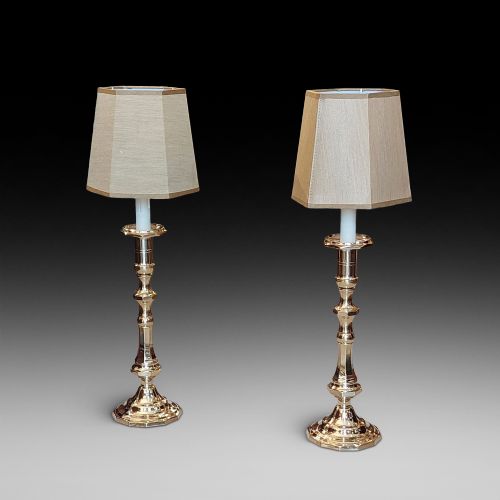
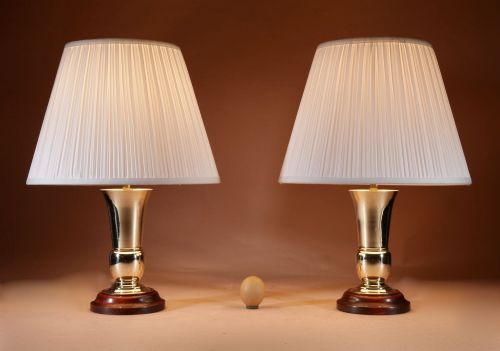
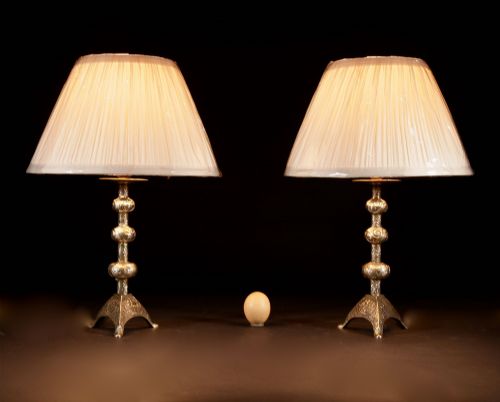
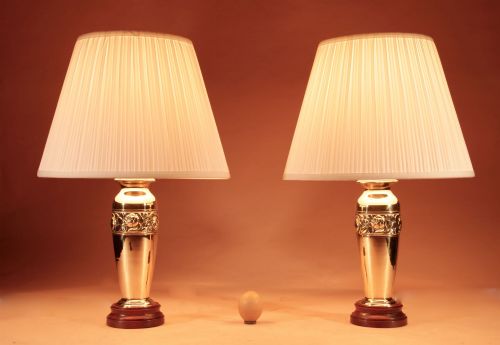
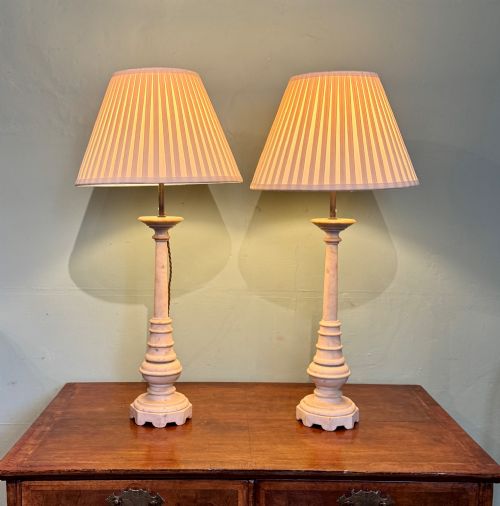
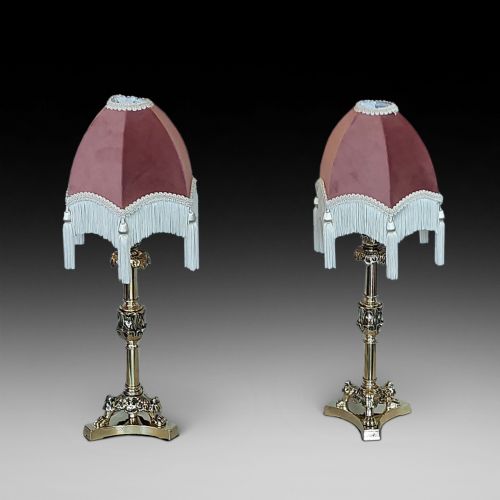
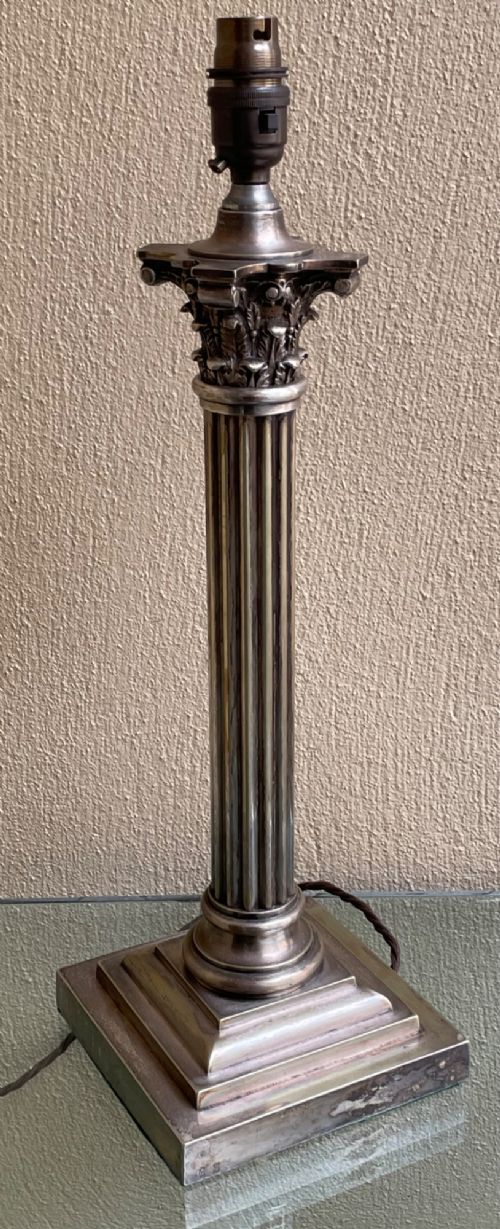
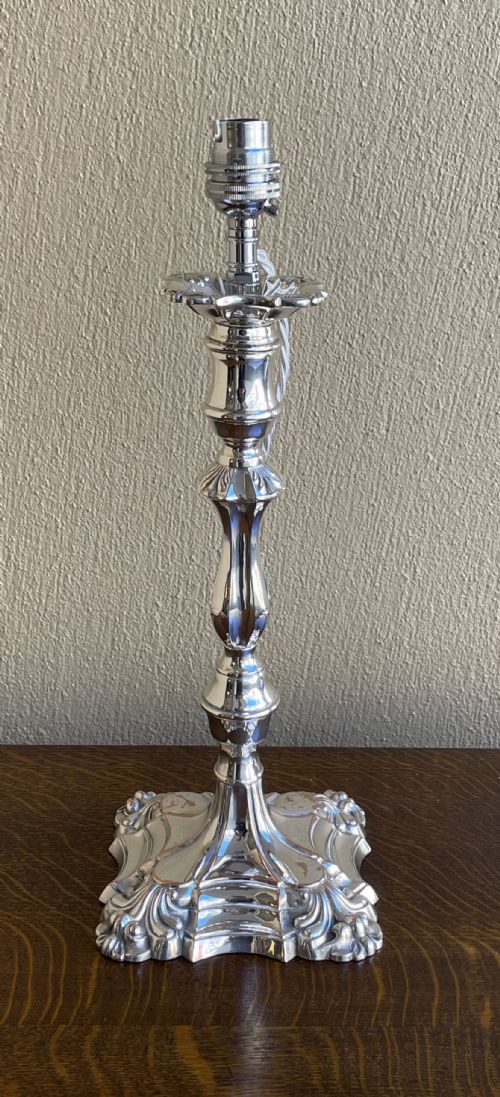
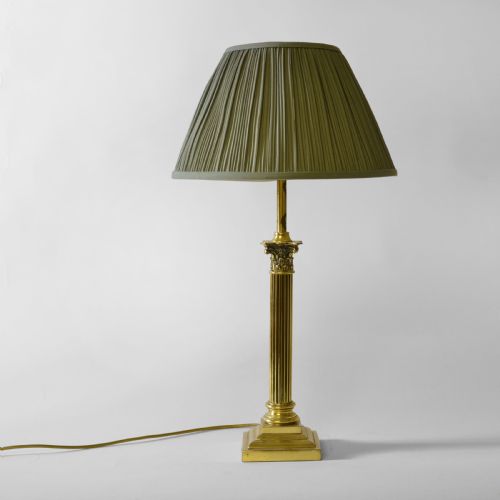
Brass is the predominant metal encountered on this page, often taking the form of Corinthian columns or cast candlesticks adapted for electricity. Pairs appear frequently, alongside porcelain and marble bodies mounted in gilt bronze.
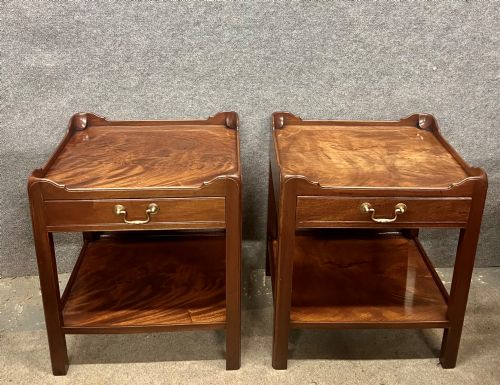
The inventory also includes occasional side tables and bedside tables, reflecting the dual use of bedside surfaces in traditional interiors.
Materials and Technique
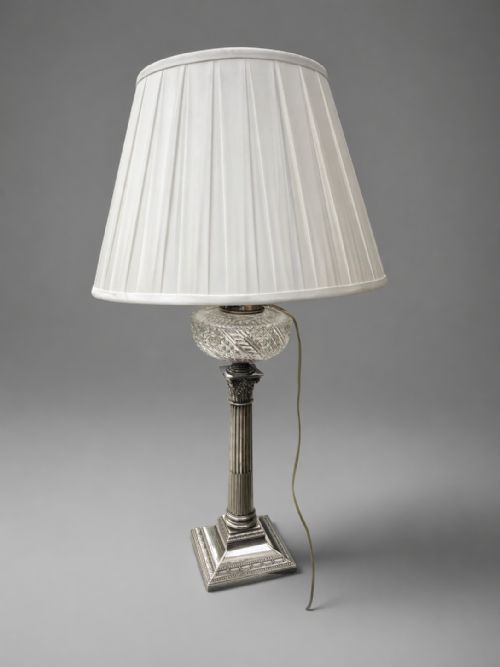
Metal components rely heavily on solid brass, bronze, and silver plate, shaped through casting, stamping, and fine chasing. Many pieces demonstrate nineteenth-century conversion work, where antique candlesticks or candelabra were thoughtfully adapted to house electrical wiring.
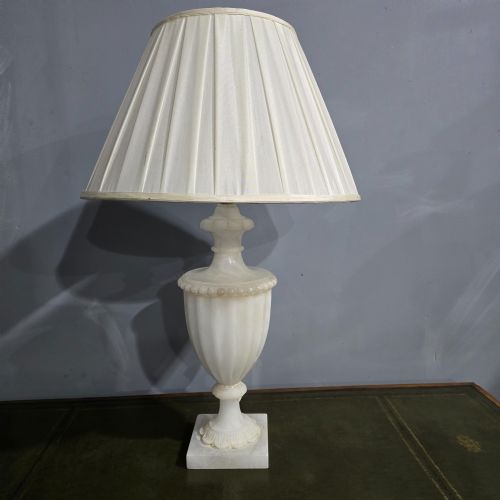
Ceramic and glass elements include opaline white glass, porcelain, blue and white vases, and biscuit porcelain, occasionally accented with hand-painted details and gilt highlights. Marble and alabaster serve as substantial bases, providing stability and weight to the finished lighting.
Object types include dedicated table lamps alongside occasional furniture such as bedside and side tables.
Craftsmanship and Proportion
Quality rests in the crispness of the casting and the integrity of the materials, separating solid brass and heavy bronze from lighter pressed metal alternatives. Superior examples display refined chasing, well-proportioned Corinthian capitals, and harmonious pairing in matching sets.
The distinction also lies in the quality of the ceramic bodies and glass shades, where hand-painted decoration and depth of glaze elevate the piece beyond standard decorative lighting.
Faraday and Sons·GS
The Classic Bedside Lamps Glossary
- Corinthian column
- A classical architectural column form featuring ornate acanthus leaves on the capital, frequently utilised for Victorian and Edwardian brass lamps.
- Ormolu
- Gilded bronze ornamentation applied to furniture and lighting, popular in French decorative arts.
- Opaline glass
- A type of semi-translucent glass, often white, used for lamp bodies and shades to diffuse light softly.
- Biscuit porcelain
- Unglazed white porcelain with a matte texture resembling fine marble, often utilised for sculptural lamp bases.
- Candelabra
- Branched lighting fixtures designed for multiple candles, which are occasionally converted into electric table lamps.
Classic Bedside Lamps: Frequently Asked Questions
Can I use antique candlesticks as bedside lamps?
Many classic bedside lamps started life as nineteenth-century candlesticks or candelabra before being professionally converted to electricity. This adaptation allows period metalwork to function safely as bedside lighting.
Buyers often select these converted pieces to introduce authentic period craftsmanship and materials into a bedroom scheme.
How do I choose between brass and porcelain lamps?
Brass and bronze models offer architectural weight and traditional metallic lustre, often seen in Corinthian column designs. Porcelain and glass alternatives introduce colour, painted detail, and softer textures.
The choice depends on whether the bedroom scheme requires crisp metalwork or decorative ceramic form.
Are pairs common for bedside lighting?
Pairs appear frequently in the selection of nineteenth and early twentieth-century lighting, offering symmetrical placement on either side of a bed. These matched sets range from cast brass candlesticks to French porcelain and marble designs.
Sourcing a matched pair ensures consistent scale and decorative detail across bedside surfaces.
What periods do these lamps represent?
The available lighting spans the Victorian and Edwardian eras, extending into the Art Deco period of the early twentieth century. Styles also draw on Neoclassical, Romanesque Revival, and French Chateau influences.
This variety allows interiors to incorporate specific historical aesthetics alongside traditional bedside furniture.